NR | 1h 52m | Biography, Drama, War | 1944
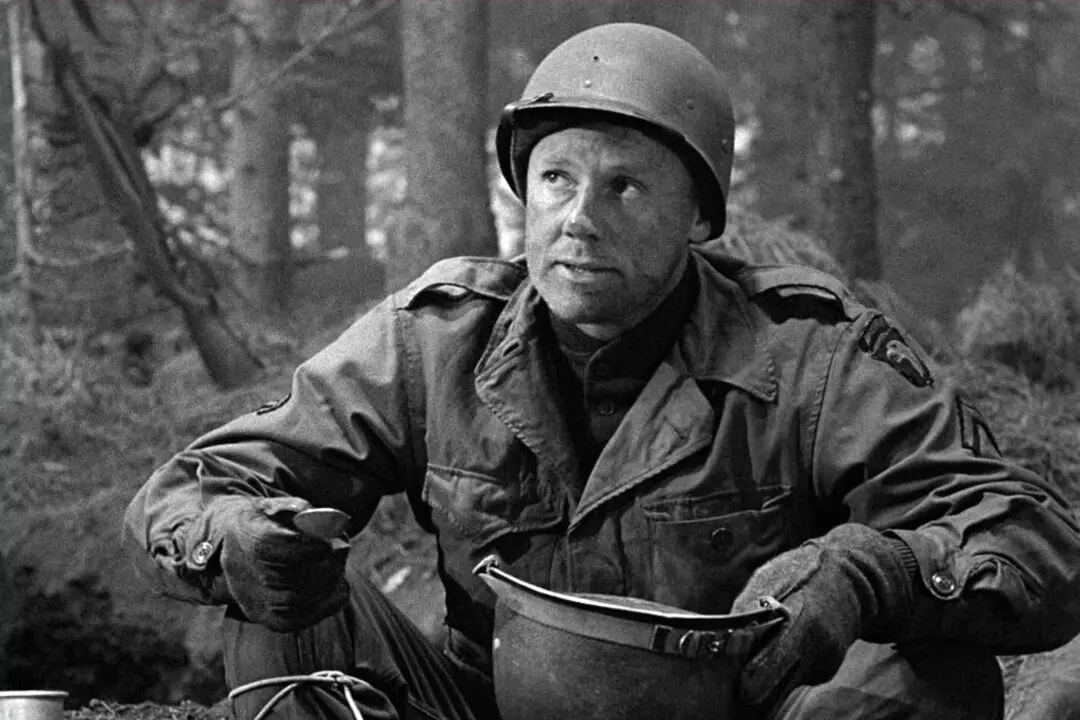
During World War II, American men stood up and walked into the fire so that civilians wouldn’t have to. “The Fighting Sullivans,” produced in 1944, serves as a reminder of their sacrifice by telling the true story of brothers who fought together.
The film is a look at a home in Waterloo, Iowa, where five boys grew up learning that sticking together meant everything. When the sky fell in at Pearl Harbor, they chose military service.
The film treats the Sullivan boys like men you’d recognize before history got hold of them. They feel like guys from the local hardware store, the church steps, the factory floor, or the next table over, arguing about baseball. They’re loud, scrappy, stubborn, full of good and bad ideas, and bound together by blood.
Their heroism comes from how ordinary they seem before the war turns their lives into something that transcends their humble existence.
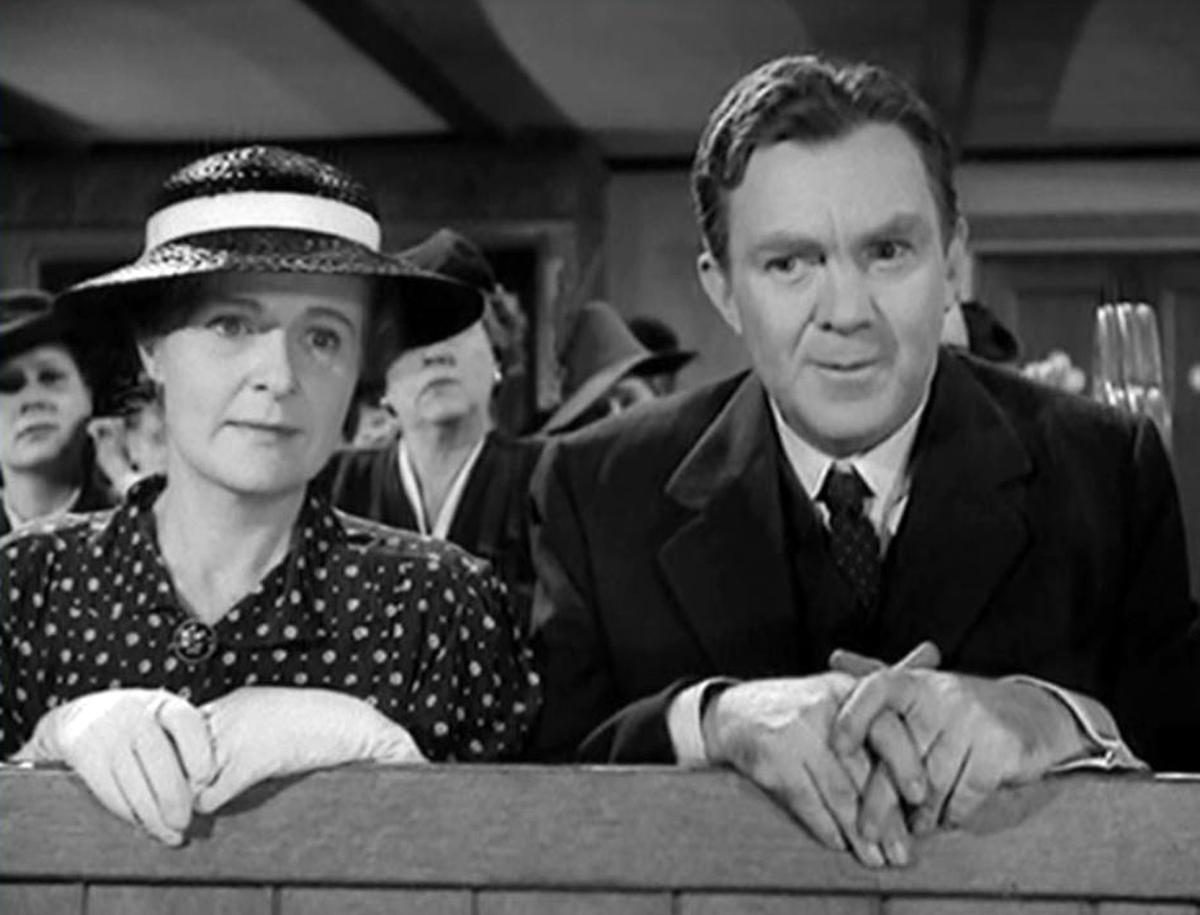
The average citizen lives in the house he built to have a solid foundation. Many families across America have similar stories tucked away in photo albums and folded military flags resting on fireplace mantels. There are grandfathers who never spoke about the war, uncles whose names appear on memorial walls, and neighbors who came home with scars nobody could see.
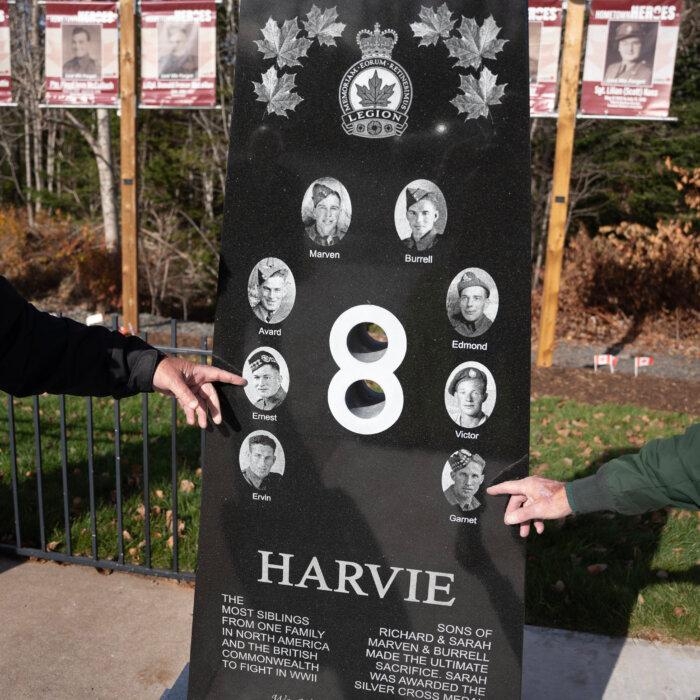
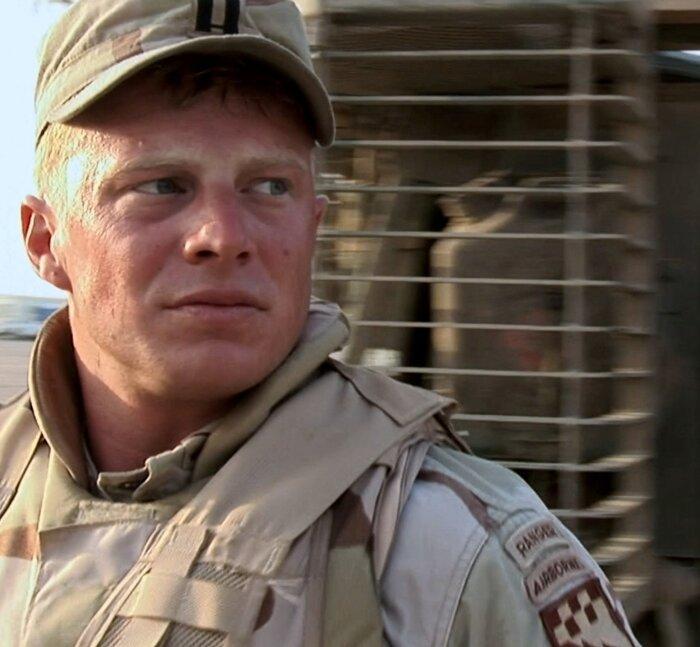
History books reduce these people to dates and casualty figures, yet every one of them once laughed at bad jokes, argued over supper, enjoyed the first taste of romance, and looked forward to sharing the future with loved ones.
The Family Record
Brothers George (James Cardwell), Frank (John Campbell), Joe (George Offerman Jr.), Matt (John Alvin), and Al (Edward Ryan), and only sister Genevieve “Gen” (Trudy Marshall) grow up under Sullivan family patriarch Thomas (Thomas Mitchell) and his wife, Alleta (Selena Royle), who provide the moral spine of the household.The couple raises boys to know the value of a hard day’s work, loyalty, faith, and a little physical punishment when foolishness finally goes too far. The film spends its time establishing the rhythm of their lives, the scrapes with other kids, the familial highs and lows, and the stubborn bond that defines their existence.
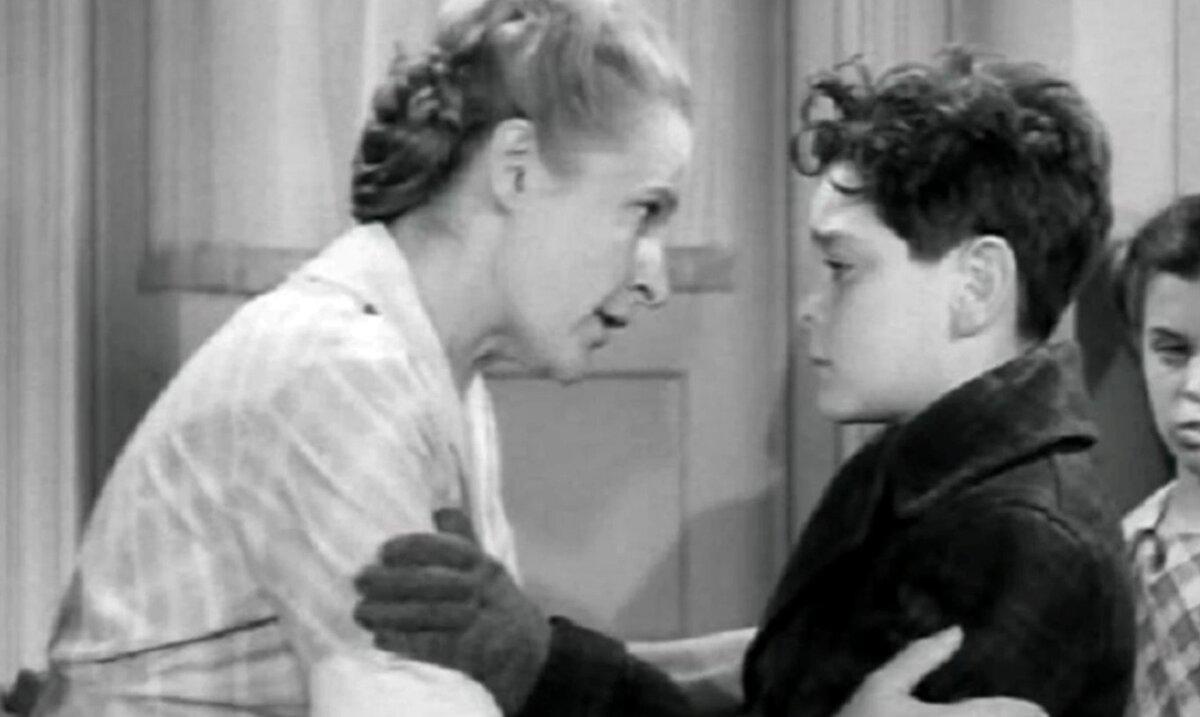
The surprise attack on Pearl Harbor changes everything. News reaches the Sullivan home that their close friend Bill Ball has been killed aboard the USS Arizona. The brothers make up their minds to head to the recruiting office together; they’re determined to join the Navy and serve on the same ship.
Five Brothers, One Eternal Flame
The Navy narrative arrives late in the film. By the time the U.S.S. Juneau enters the story, the ship feels less like a setting and more like the place where all those years of brotherhood are about to meet the war.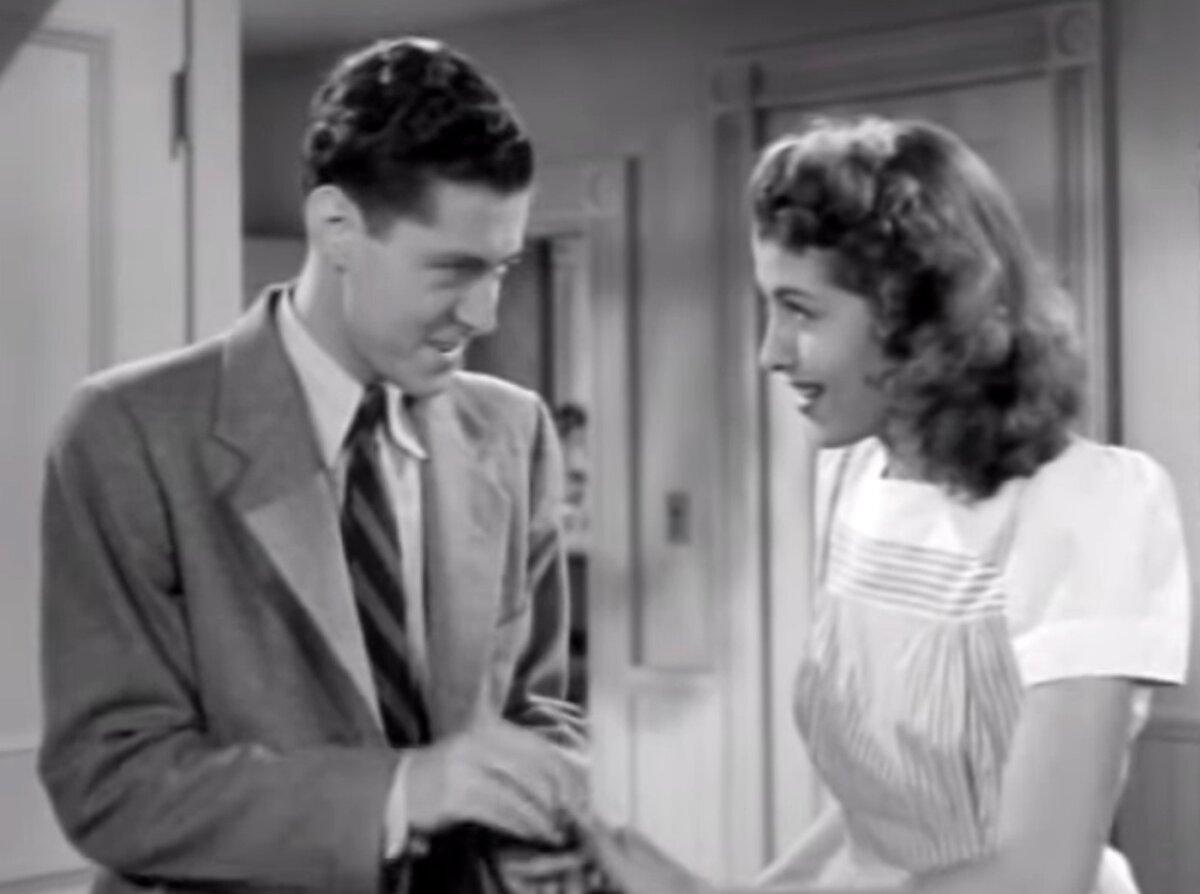
The Sullivan family members back on the home front hold onto hope that the war will end soon, even as the Pacific campaign grinds forward. Every letter from the Navy brings hope and concern.
As Mr. and Mrs. Sullivan, Mitchell and Royle skillfully capture the movement from parental worry into something harder to name, that changes the very air in the room. Anne Baxter is excellent as Al’s loving (and equally worried) wife, Katherine Mary.
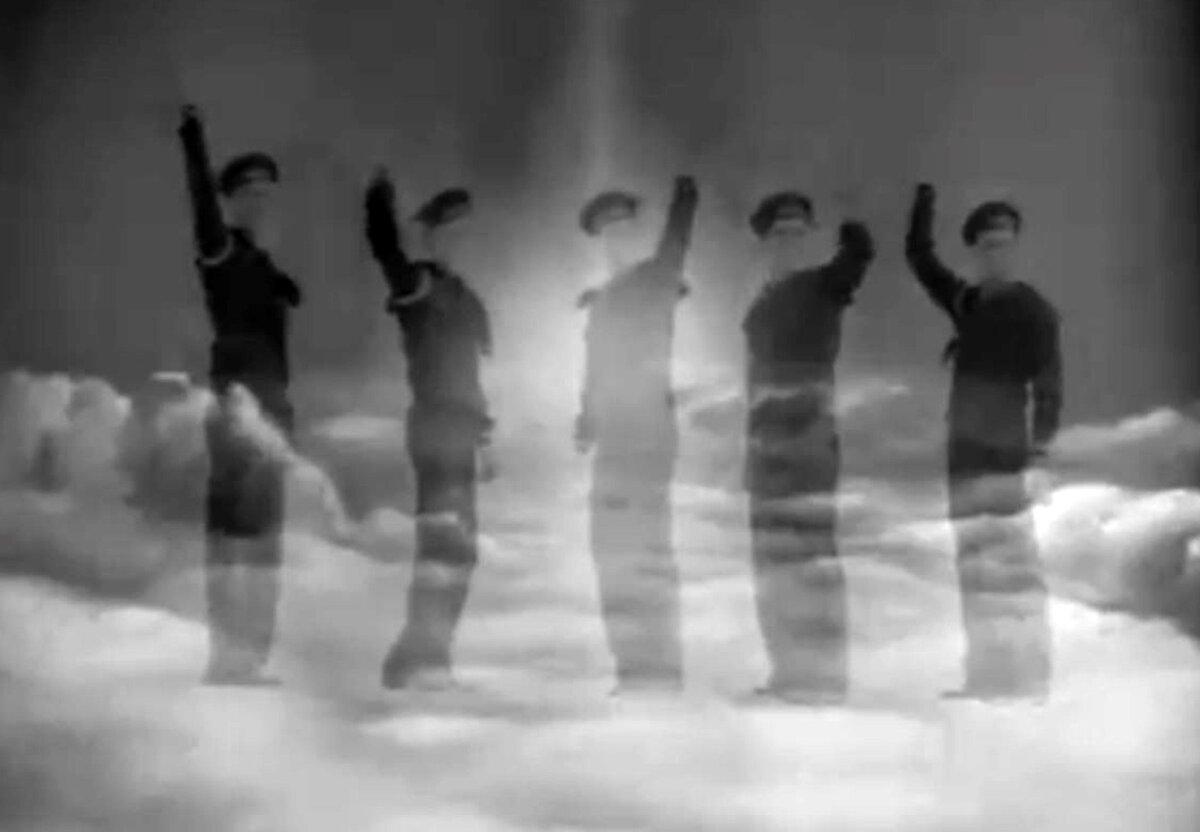
This film works best as a record of one (out of many) family’s sacrifice. It presents the facts of their lives. Viewers see the bond between the brothers build through ordinary moments, and then the film allows history to close around them.
Its strong feeling of patriotism comes through acts of duty, grief, and memory. It lives in the parents who raise five sons, the brothers who refuse separation, and the country that later has to reckon with what their lives meant.
“The Fighting Sullivans” has the straightforward heart of a 1944 wartime drama, and that sincerity gives it power. Many modern films hide behind irony so often that every feeling has to wear a disguise. This film remembers the men who left Iowa and the family who waited at home.
We owe them more than a nod. We owe them the dignity of remembering who they were before they became footnotes. They were the Sullivans, they were brothers, and they were ours.