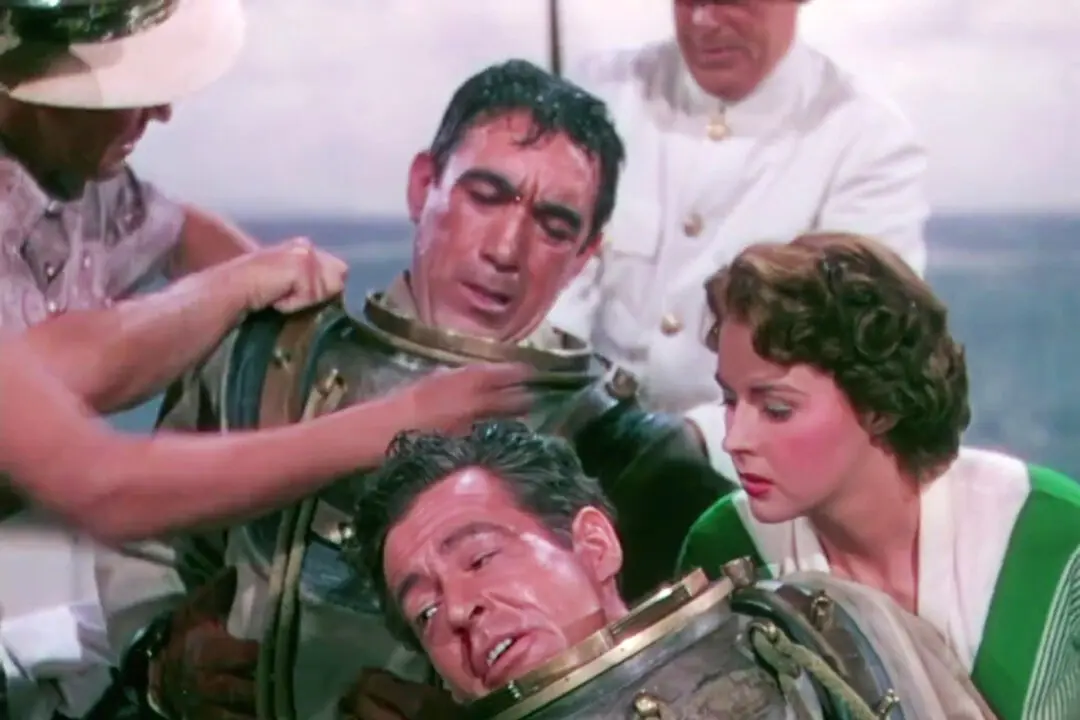
NR | 1h 58m | Action, History, War | 1949
An army can replace its rifles and uniforms and update its doctrines throughout the years, yet the same ol’ complaints pass from generation to generation: bad chow, canceled leaves, and orders that make perfect sense to everyone except those who have to carry them out.
Acclaimed director William A. Wellman’s 1949 film “Battleground” catches that part of the soldierly experience so well that veterans from several generations could probably join in on the same conversation.
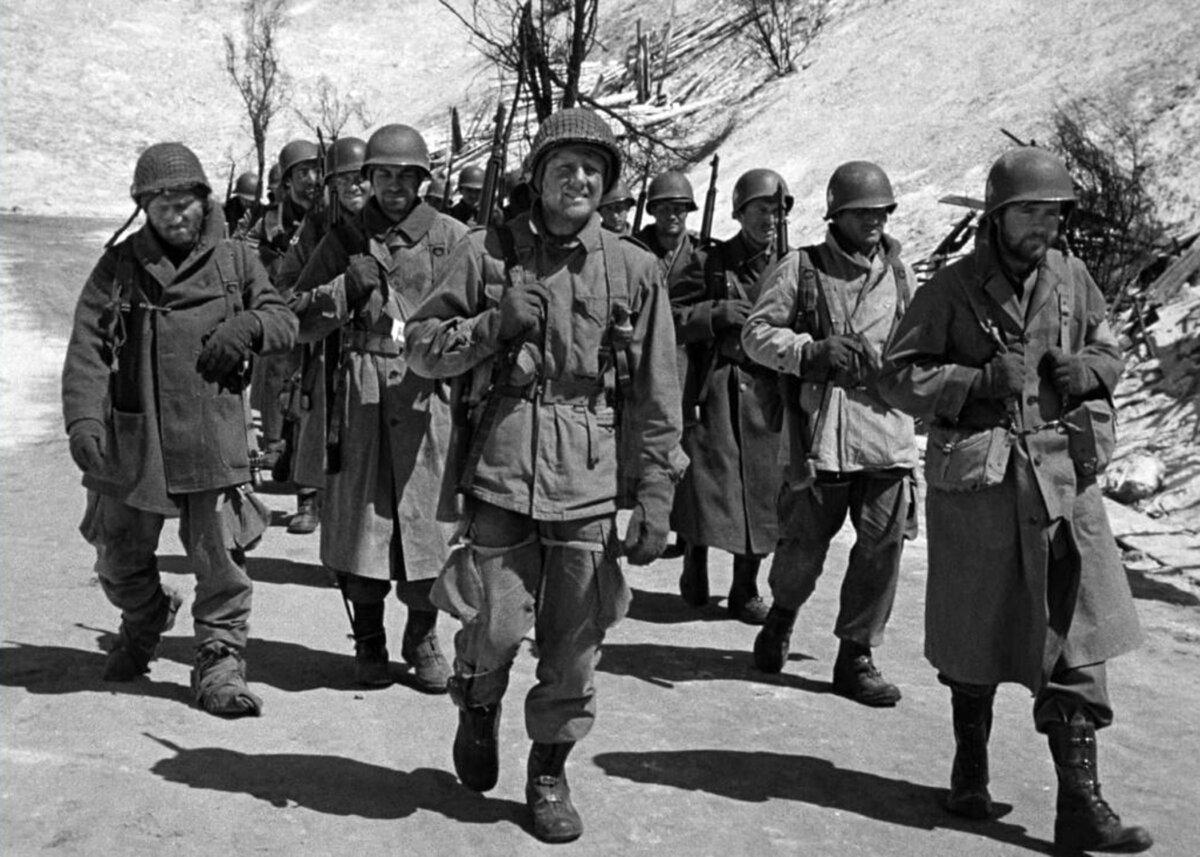
The film takes place during World War II. The 101st Airborne Division (AKA Screaming Eagles) is rushed from a base in France to secure and defend Bastogne, Belgium, during the Battle of the Bulge.
Screenwriter Robert Pirosh had fought in the same winter campaign with the 35th Infantry Division of the U.S. Army. He knew how much of a soldier’s day could be spent cold, wet, hungry, and unsure of whatever was happening beyond the next row of bushes or bank of fog.
Hollywood executives expected audiences to be finished with combat pictures by 1949, and many people were. MGM chief Louis B. Mayer held that belief, but producer Dore Schary pushed “Battleground” into production anyway.
So Much for Paris
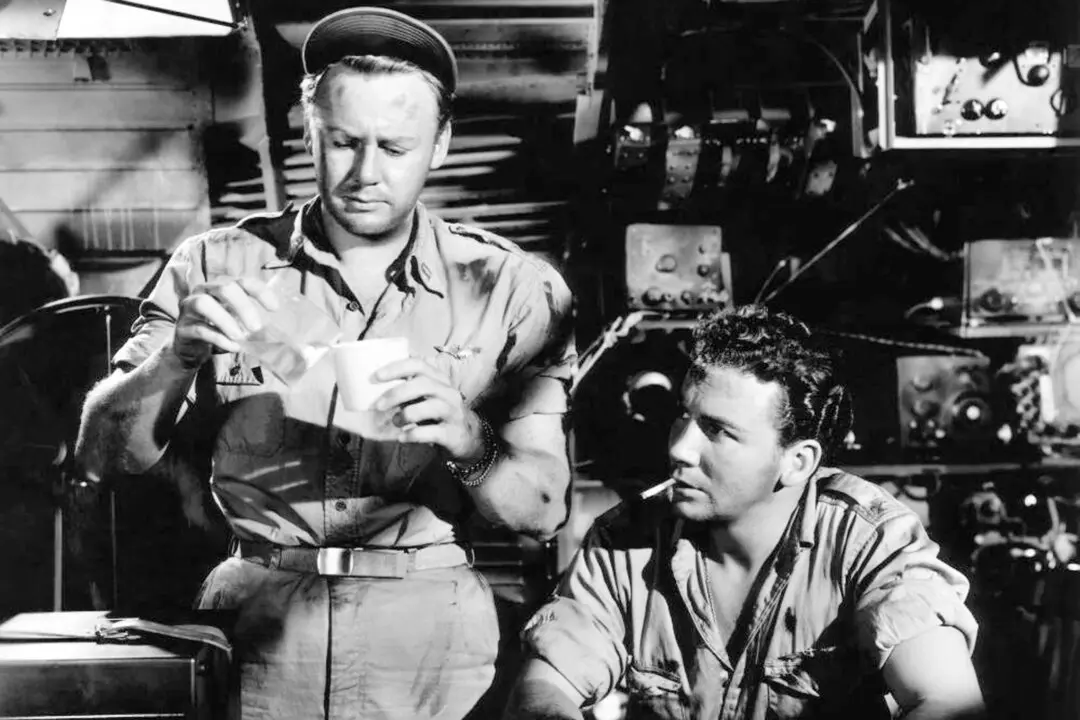
Paris exists mainly as a topic of barracks talk for the men within the 327th Glider Infantry Regiment, 101st Airborne Division. They’ve been promised leave there after months of fighting; everyone’s getting excited about making their fantasies of the French capital a reality.It doesn’t help that Pfc. Holley (Van Johnson) has just returned from a military hospital in Paris, so he regales the others with stories of nightly passes, champagne, and romance. Pvt. Jim Layton (Marshall Thompson), a new replacement the others scarcely acknowledge, would probably settle for getting someone to remember his name.
News of a sudden German offensive interrupts all of their plans and sends the unit from France into Belgium. Tobacco-spewing Platoon Sgt. Kinnie (James Whitmore) keeps the men moving despite having painful feet. Pvt. Jarvess (John Hodiak), a former newspaper columnist, watches everything with a writer’s curiosity. Pvt. Roderigues (Ricardo Montalbán), a Mexican American from Los Angeles, sees falling snow for the first time and briefly reacts like a kid.
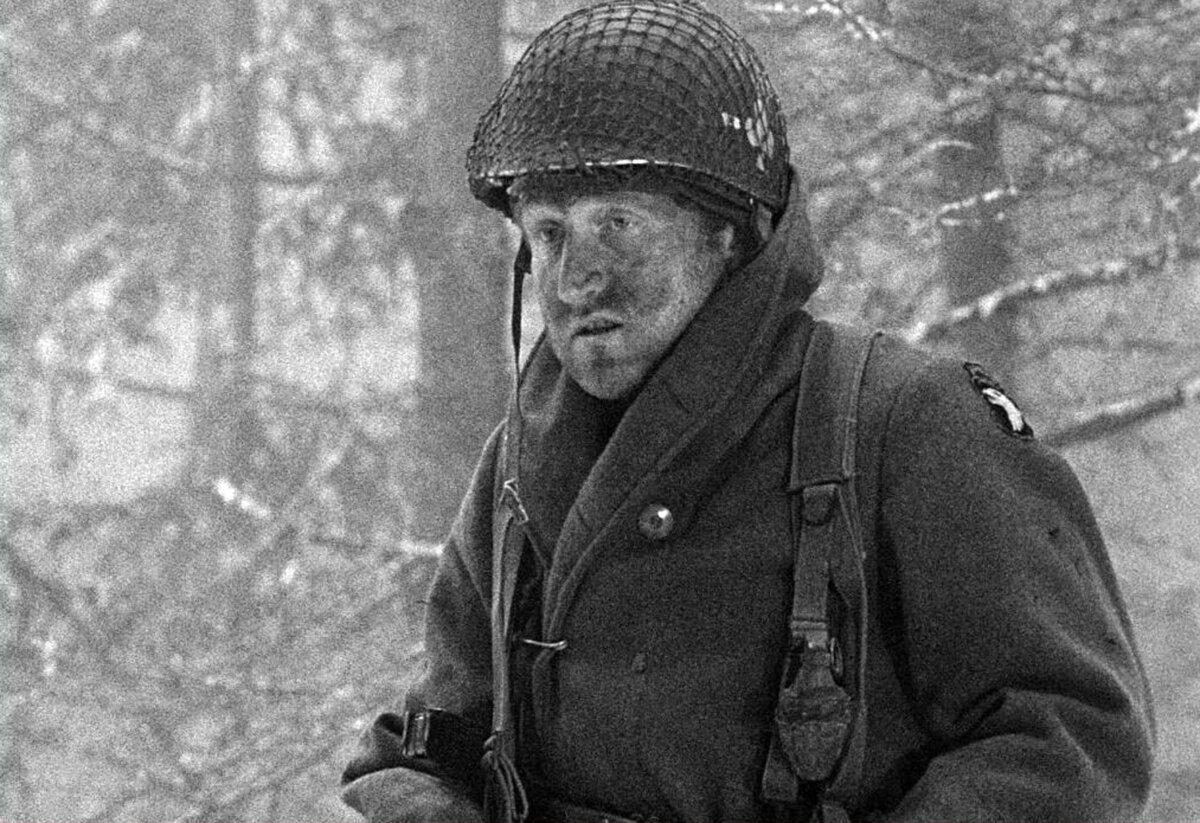
Once Kinnie’s men take up positions outside Bastogne, German forces close around the Belgian town. Heavy fog blocks the air support and supply drops the troops badly need.
Realistic Details
Much of this film works because the people making it knew how soldiers behaved when officers were elsewhere. Pirosh supplied the memories, Wellman brought his experience as a World War I combat pilot, and veterans of the 101st Airborne helped train the cast. The casts’ military routines look practiced, from adjusting field gear to dropping into holes when artillery arrives with thunder.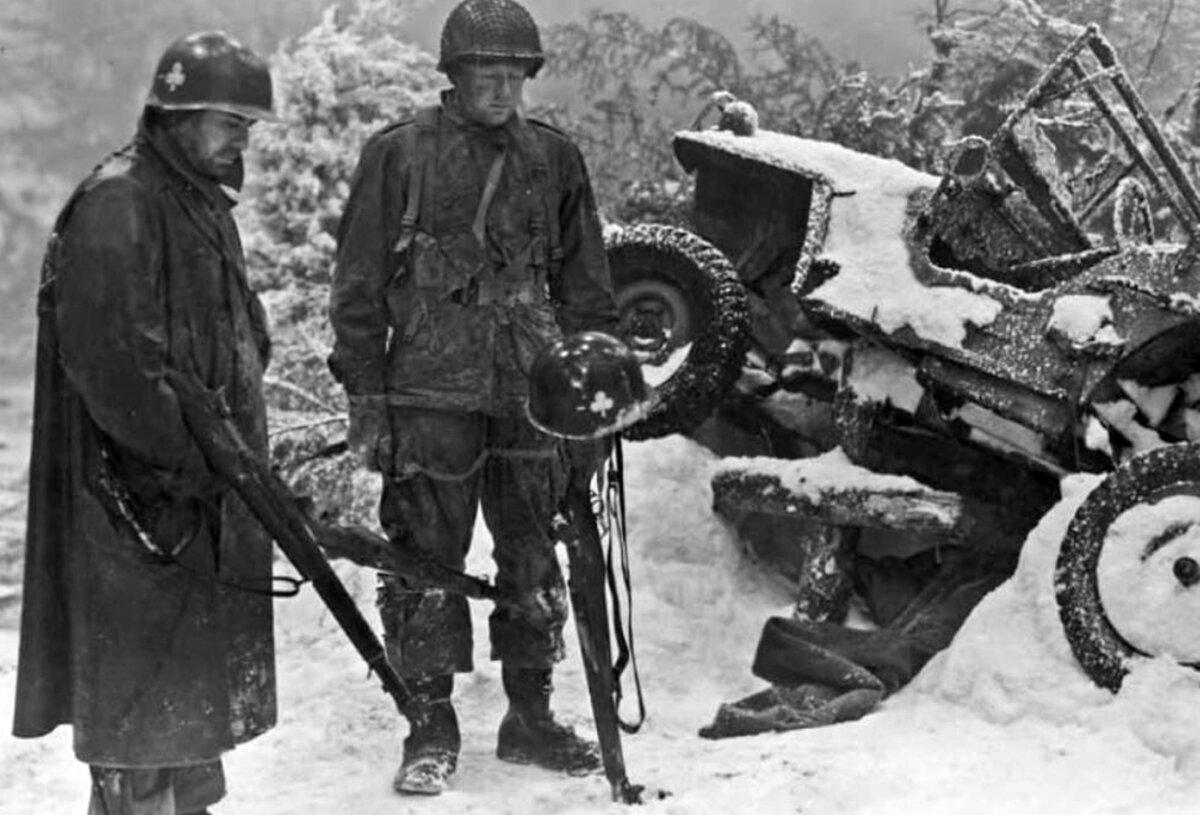
Veterans may laugh out loud at the inside jokes scattered throughout the script. For instance, when Sgt. Kinnie yells, “Leave your cots and grab your socks,” vets know the version that MGM couldn’t put in a 1949 movie.
Soldiers also bust their backs digging defensive positions with their entrenching tools, only for their superiors to order them to pack up and start over somewhere else. The movie is packed with maddening military realities. Civilians have probably dealt with their own versions of this nonsense.
Some of the studio forest shots show their age, and the large cast can be hard to keep straight with everyone wearing helmets. Several soldiers are introduced through repeated jokes or habits, which occasionally makes them seem like types rather than people.
Soldiers’ humor and fear give “Battleground” much of its staying power, and it remains a powerful, humane war film that deserves renewed attention.