NR | 1h 31m | Drama, Romance, War | 1947
Some good films disappear until later decades find the audience they deserve. Frank Capra’s “It’s a Wonderful Life” (1946) lost a ton of money before television gave it a second life, and Charles Laughton’s 1955 “The Night of the Hunter” took time for audiences to understand.
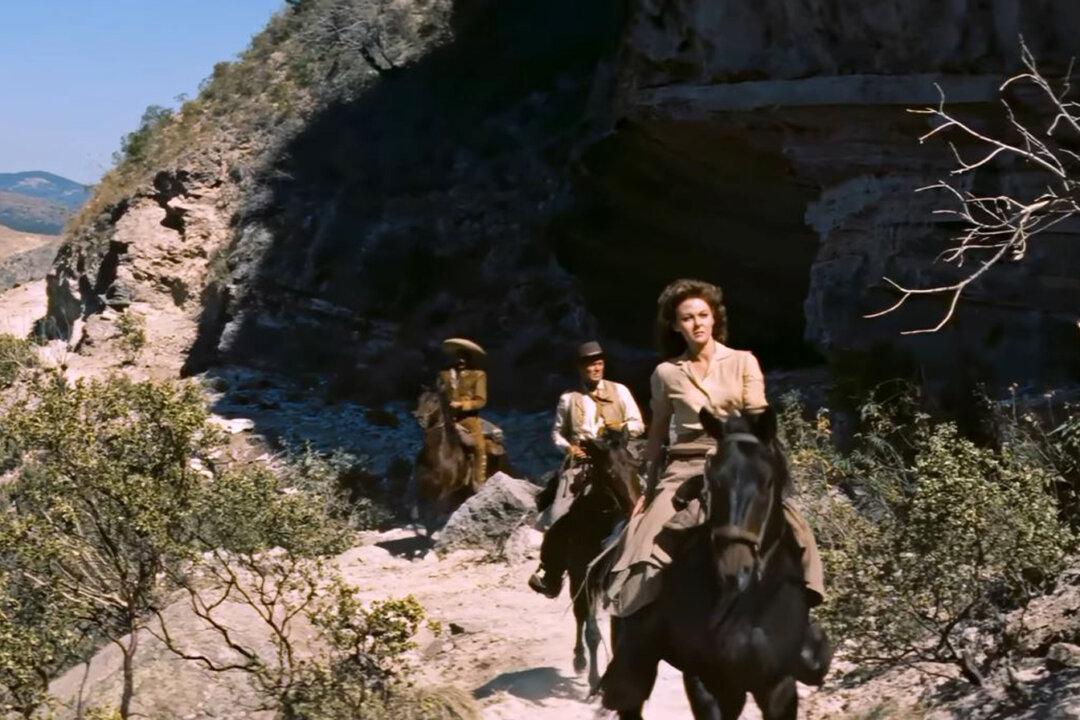
“High Barbaree” never got that second chance. Originally released by MGM in 1947, it stars Van Johnson and June Allyson, one of the studio’s most wholesome screen pairings. Jack Conway directed, and the story’s source was the 1945 novel by Charles Nordhoff and James Norman Hall, the writing team tied forever to “Mutiny on the Bounty.”
The film isn’t a simple sweetheart story. It drifts between a South Pacific rescue and a small-town American memory, with childhood, romance, career regret, family myths, and wartime death all pressed together.
A Plane, a Memory, and a Promise
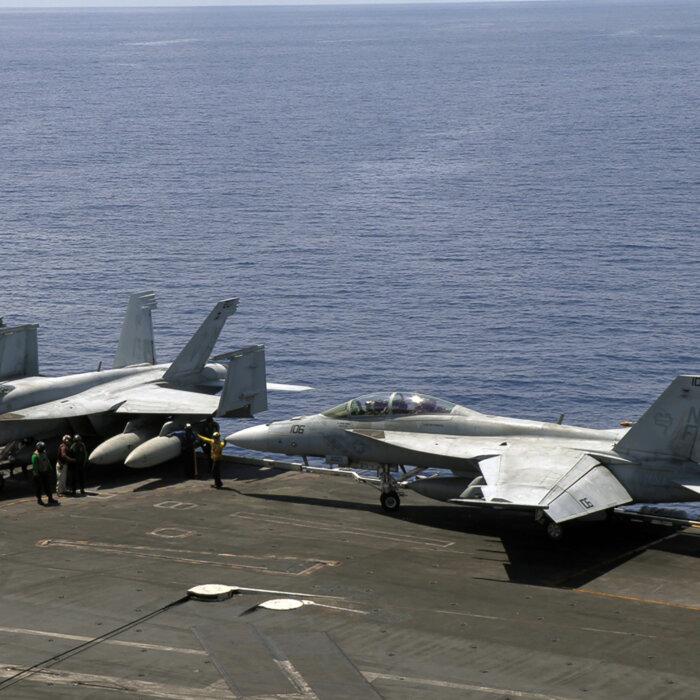
Alec Brooke (Van Johnson) is a U.S. Navy pilot stationed in Hawaii during World War II. His PBY Catalina flying boat, nicknamed High Barbaree, is shot down during a bombing mission against a Japanese submarine.Nearly all the crew is killed, leaving only Lt. Joe Moore (Cameron Mitchell) alive with Alec aboard the damaged aircraft as it helplessly floats far from civilization (at least the friendly sort).
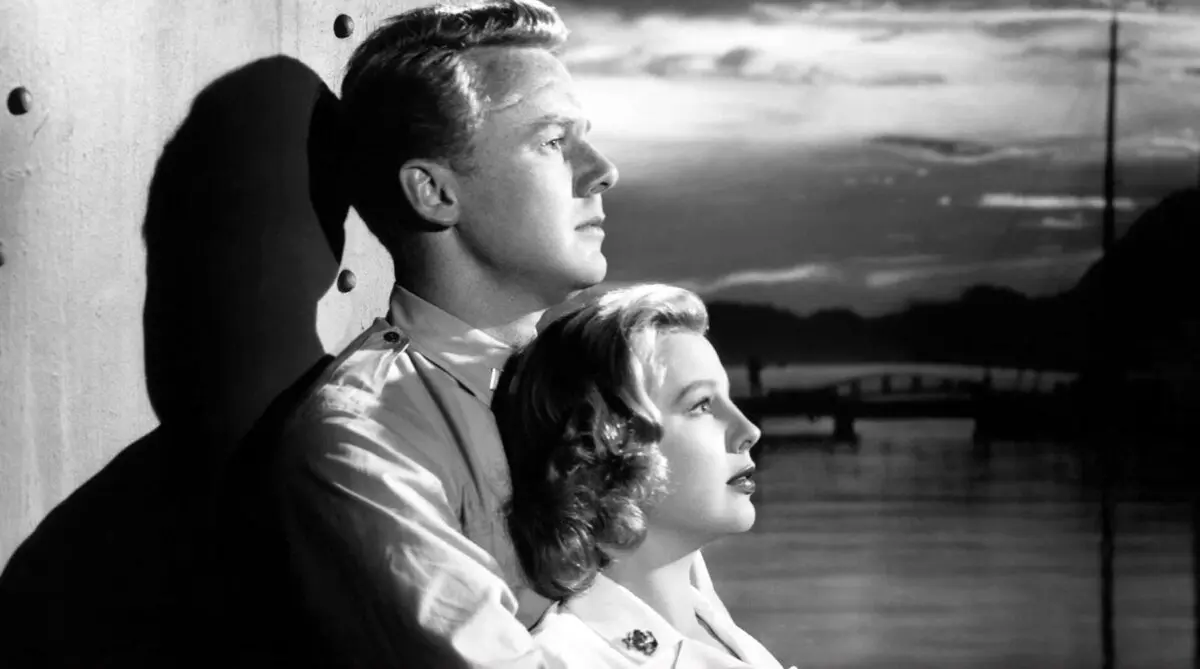
While the men wait and thirst takes hold, Alec begins to tell his personal story. His memories drift back to an idyllic town in Iowa, where he grew up with Nancy Frazer (June Allyson), a neighbor’s young daughter.
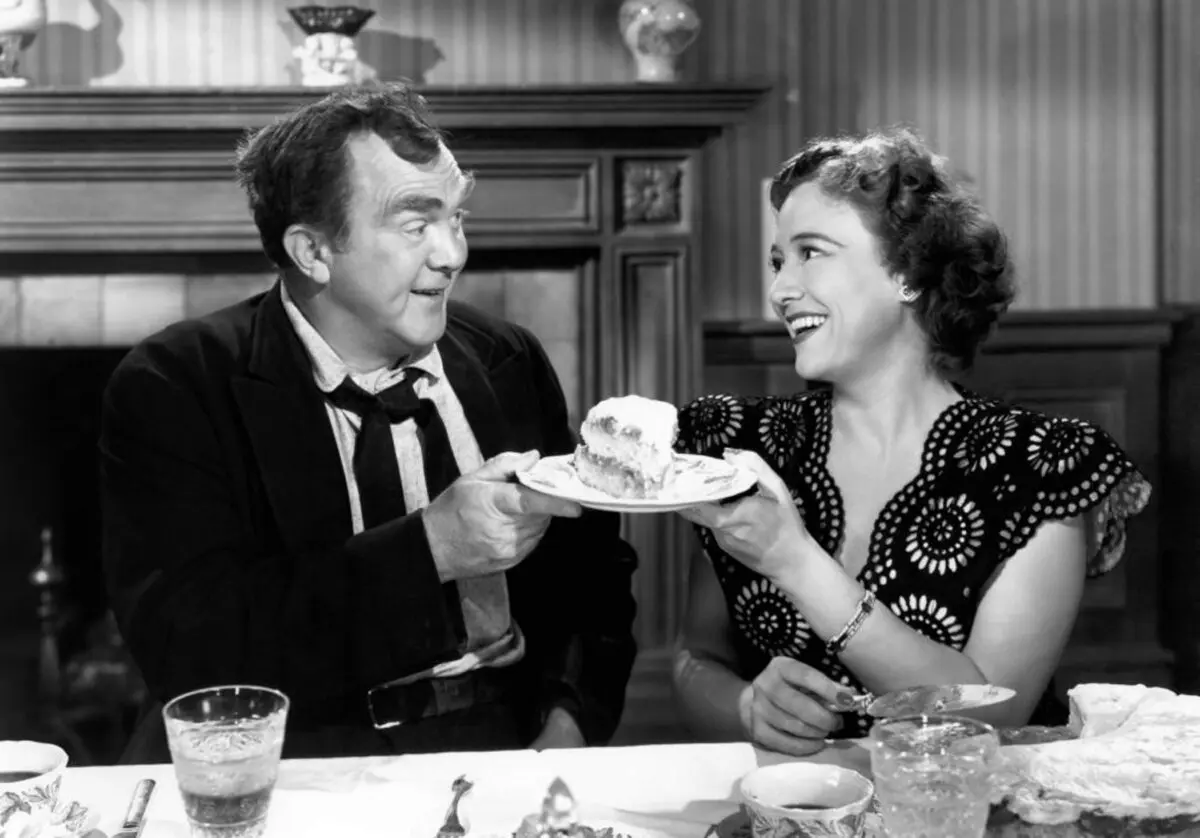
His uncle, a scruffy soul named Capt. Thad Vail (Thomas Mitchell) once filled young Alec’s head with various adventure stories, including one concerning a hidden island known as High Barbaree.
The flashbacks trace Alec’s upbringing through his interests in medicine and aviation, romances, expectations, and an old promise Nancy refuses to let die.
Small Scenes With Big Memories
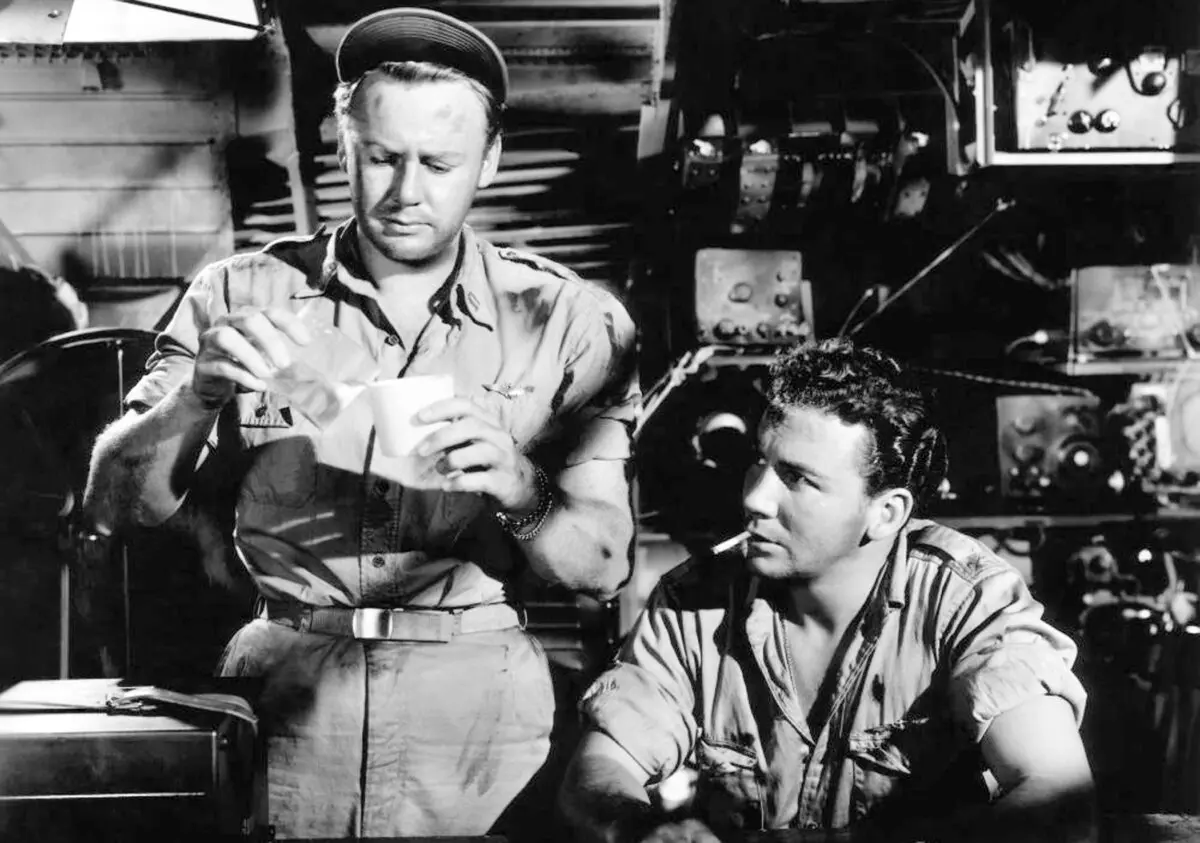
The scenes between Alec and Joe are probably the film’s greatest strength. They’re prickly, touching, and sometimes more convincing than the romantic bits. Joe is desperate, hurting, and sometimes visibly tired of Alec’s relentless strolls down memory lane. Then, the film gives him a small act of decency that changes the temperature of the whole picture.
Alec is in the process of pouring out the last drops of water, and Joe obviously needs it badly enough that a fight would break out between them. After Alec splits it up evenly, he adds a little extra to Joe’s cup. At the last second, Joe switches the cups, giving Alec the larger share. It’s such a simple thing to watch, yet such a beautiful show of selflessness.
There are also some awkward parts here and there. For example, the model work in the main combat sequence (when the Catalina attacks the submarine and gets shot down) doesn’t work well.
There’s also a later conversation between Nancy and Thad that has a goofy continuity jump, with the two characters starting at a normal distance and then, as they continue to talk, appearing nearly nose-to-nose in the next shot. But you never know—perhaps “High Barbaree” has teleportation powers, too.
These are small faults, though, and the story’s overall appeal survives. “High Barbaree” may never become a household title, and the film’s odd construction will probably keep it that way. Yet its virtues are still there, floating in plain sight: loyalty, self-sacrifice, mercy, courage, and the belief that a man’s better self may still be waiting somewhere ahead of him, even after years of wrong turns.
That’s more than enough reason to pull it back from the dusty annals of cinema history.