NR | 1h 30m | War | 2024
The road into Zwolle, a city in the Netherlands, begins in mud for soldiers leaving hard-won ground behind them. Bodies are collected from the wreckage while a chaplain offers a blessing, and the Canadian column moves on. “The Liberation Men” opens with war reduced to grim routine: gather up the dead, offer a prayer, and keep moving.
This 2024 Canadian independent film, directed by Terry Jansen, takes place during the liberation of the Netherlands toward the end of World War II. In it, German troops still hold Zwolle as Canadian artillery waits outside the city.
Dutch families have survived a brutal occupation. Now, shells from the approaching army could destroy their homes, so freedom is coming with a fuse attached. The Germans are nearly beaten, which offers little comfort to anyone who might die during the final weeks.
Trailer:
War pictures demand a small museum’s worth of equipment and locations free of modern intrusions. Independent filmmakers also have to build a world whose everyday objects vanished decades ago. Jansen contains the war within military camps, woodland paths, and a few civilian interiors. The limited geography suits a story centered on reconnaissance and small patrols.
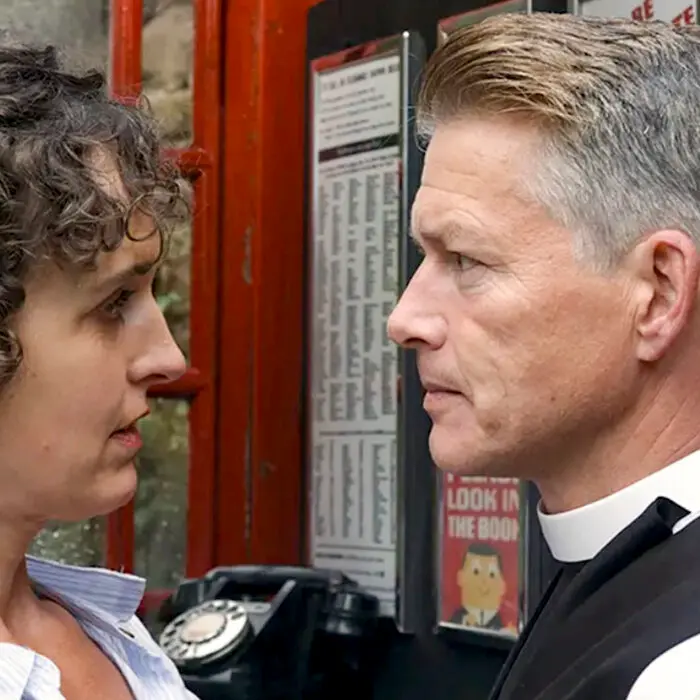
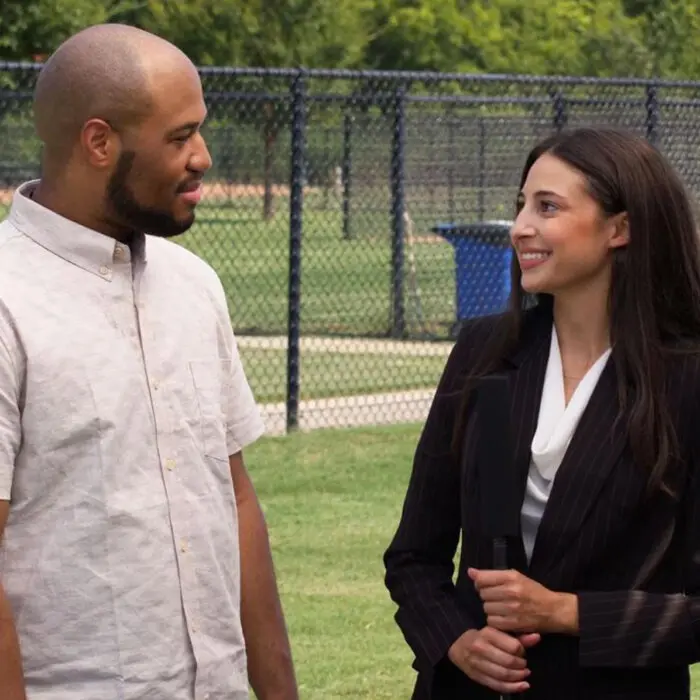
A Blind Eye to Danger
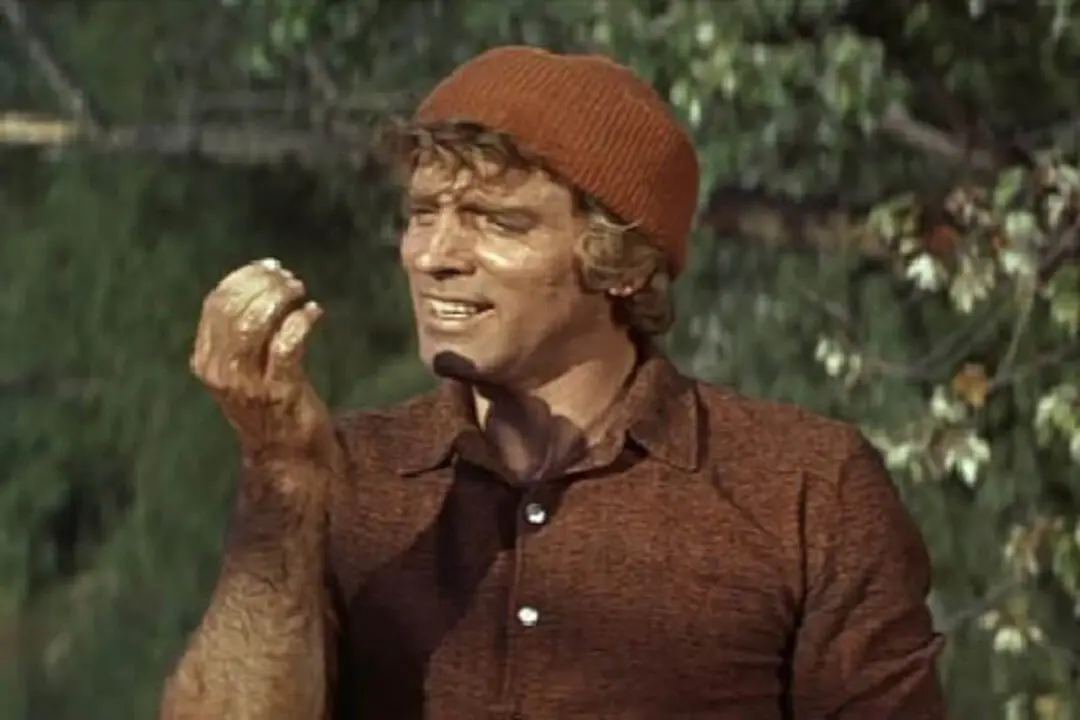
Canadian soldier Roy (Michael Ruhs) remains on duty after previous fighting cost him an eye and damaged his back. His unit has reached Zwolle’s outskirts, where the Commanding Officer (Kurtis Sanheim) plans an artillery strike against the German garrison. Roy understands what the bombardment could do to the Dutch civilians trapped inside and volunteers for a scouting assignment before the big guns begin firing.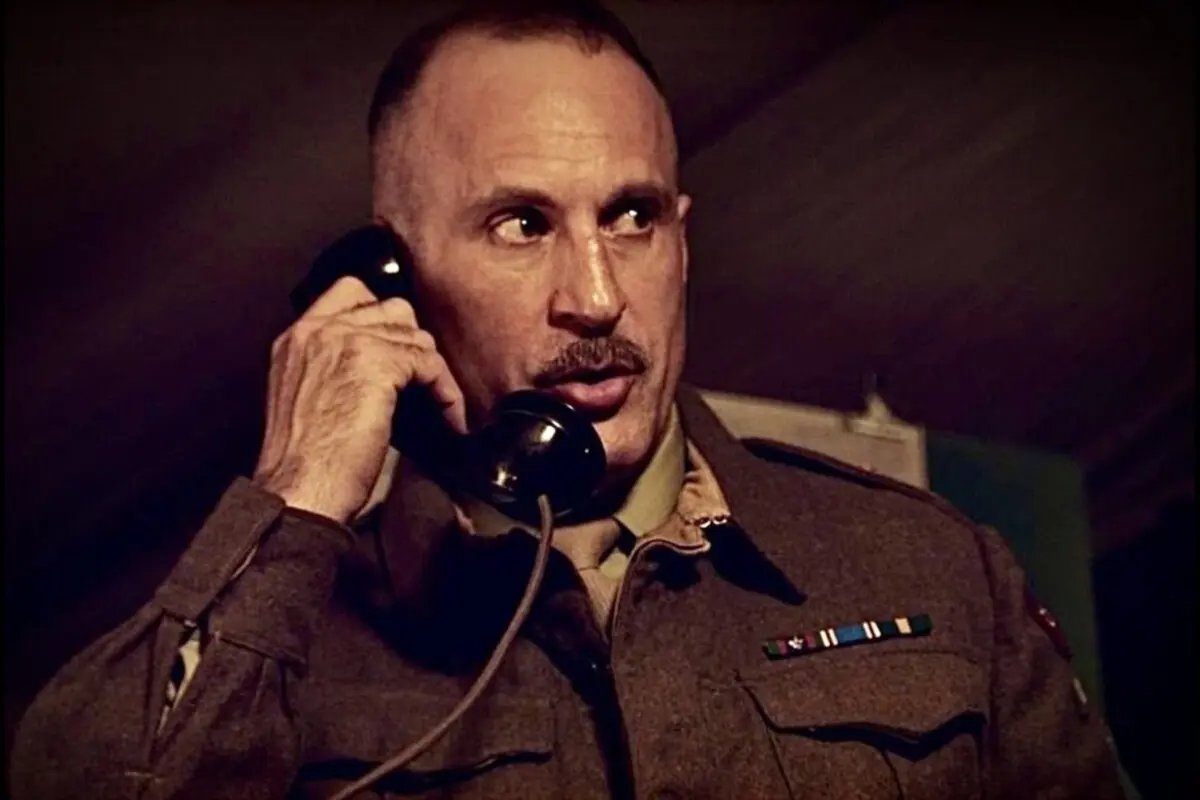
Jack (Jacob Perkins) accompanies Roy into the countryside after dark. They’re supposed to locate German positions and contact members of the Dutch resistance near Zwolle.
Their assignment has a practical military purpose, and every delay leaves less time before the artillery crews receive permission to fire. A German patrol crosses their path before they can complete the job, and the Canadians’ original plan begins coming apart.
A War Built by Hand
The film’s uniforms were chosen with care, and the vehicles give the production a piece of 1945 that can move through a shot. Weapons are handled convincingly, with soldiers treating rifles as tools they’ve carried for a while. Outdoor locations serve Jansen well, especially when wet ground and bare woods surround the patrol.Language also helps the period illusion, with German characters speaking German and Dutch characters speaking Dutch. The multilingual scenes give occupied Zwolle its own identity and keep every German or Dutch character from sounding like somebody who wandered in from the Canadian camp.
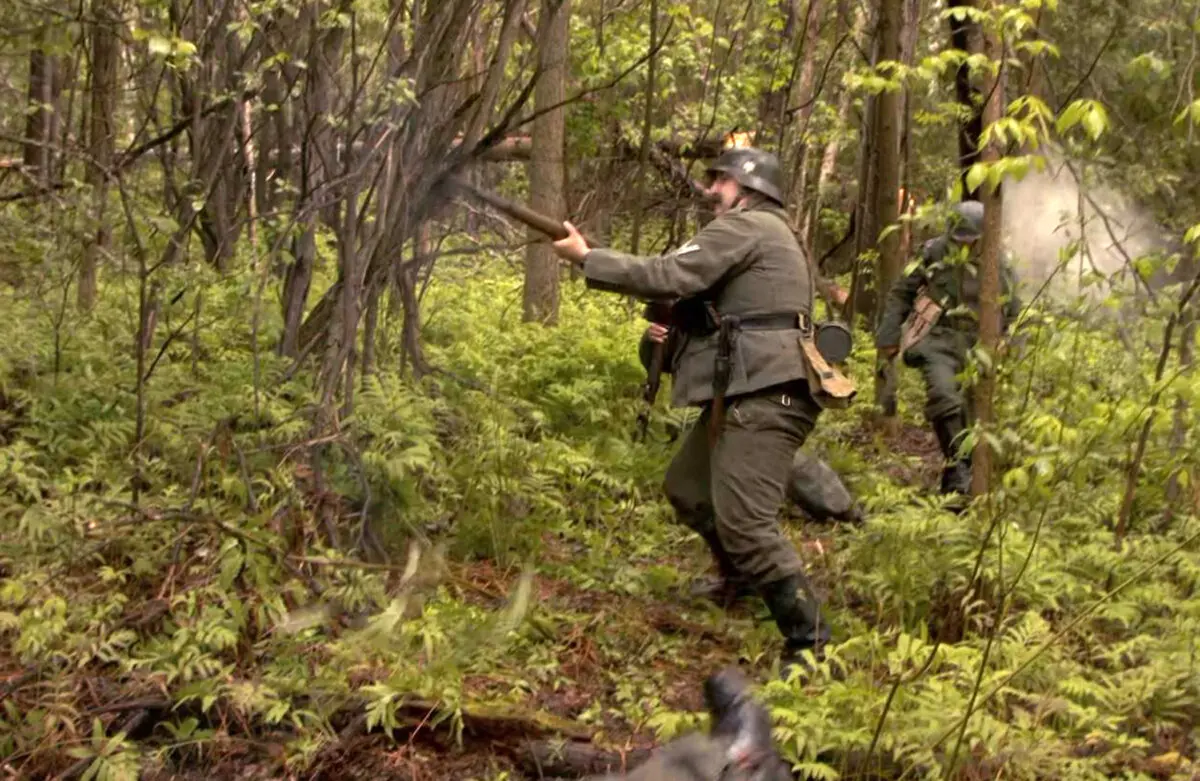
Crowd scenes reveal the production’s limits, as the command post often looks underpopulated, and the German occupation of Zwolle is represented by a small collection of men in uniforms. Interiors reveal present-day ceilings and clean surfaces belonging to another decade. Night scenes occasionally glow with generous lighting, and close shots can make it hard to tell where attacks are coming from.
None of these flaws disappear by the end. Jansen made a full-length Canadian war picture with old machinery, muddy roads, and a cast that often seems one truck short of a battalion.
The filmmakers clearly care about the soldiers they’re depicting, and that care shows in the military details and Roy’s battered determination. “The Liberation Men” has enough character and historical interest to make its rough construction forgivable.