NR | 1h 46m | Adventure, Drama | 2018
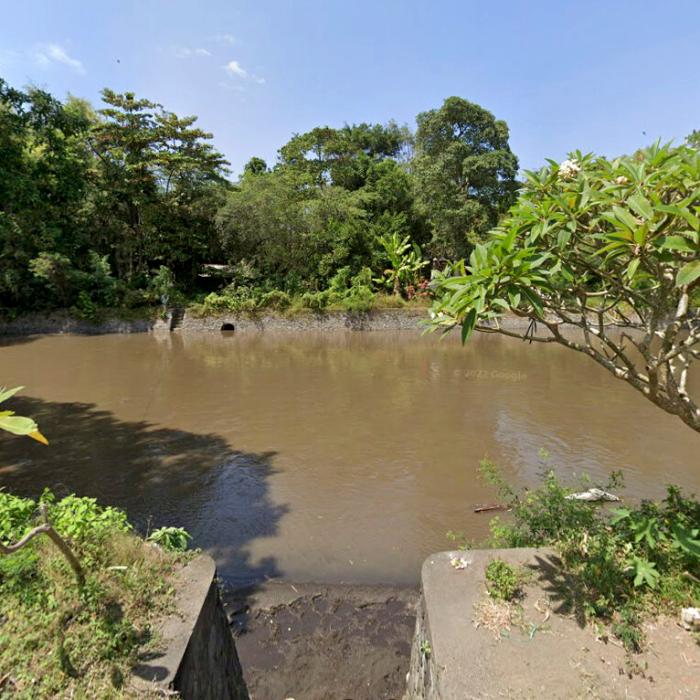
The Orange River runs through South Africa’s Northern Cape. It has brown water, desert heat, and an old indifference for people who arrive with carefully arranged plans.
Adventure therapy asks people to believe that fresh air, controlled danger, and group effort can shake something loose inside them. This sometimes happens. Other times, a person with a clipboard may have found a way to make suffering billable.
There’s also a sting in the setup. Rafting can be leisure time, providing the kind of day where people pay to get splashed and return home with stories about almost falling in. However, South Africa also has the tradition of Veldskool, an adventure camp for high school students.
These outdoor school camps are tied to nature study, leadership exercises, practical skills, survival habits, and the old idea that young people become sturdier through heat, dirt, and discomfort. People with sour memories of that world might hear about “adventure therapy” for adults and feel their souls search for the exit.

This film announces its upstream metaphor early; “stroomop” means “upstream” in Afrikaans. South Africa’s landscape gives the idea that some people need dirt under the fingernails.
Lessons on the Orange
Dr. Lana Marais (DonnaLee Roberts) is a surgeon with a sealed-off manner and very little patience for group healing exercises. She joins Vivian (Simoné Nortmann), Adrie (Chanelle de Jager), Diona (Ilse Klink), and Diona’s daughter, Nixie (Carla Classen), on a guided rafting trip down South Africa’s Orange River. River guide Guy (Armand Aucamp) leads the expedition with the calm of a man who’s clearly dealt with frightened beginners before, although this group arrives with more than fear of rapids.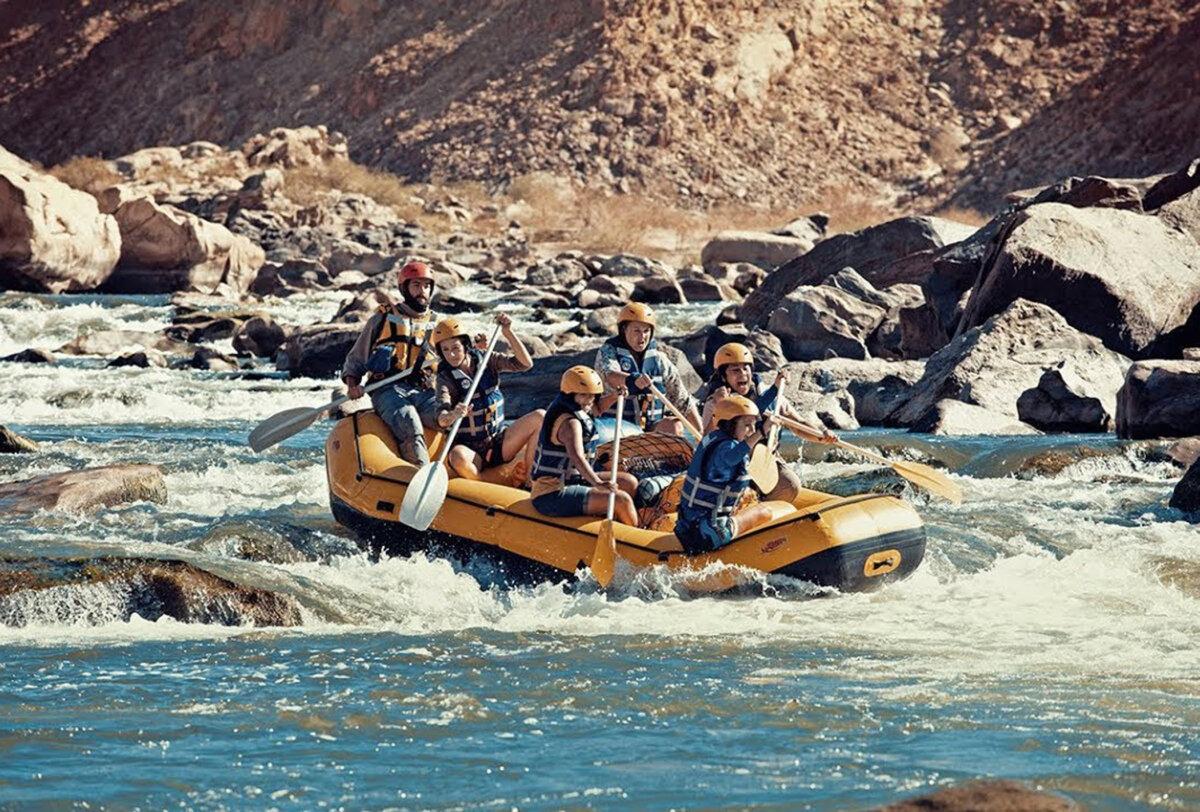
Each woman carries something into the boat: Vivian is in a fragile place; Adrie has the exhausted look of a mother whose own needs have been buried under everyone else’s; Diona has a hard, professional polish; and Nixie brings resentment toward her mother that’s had plenty of time to grow.
Lana is the most closed off, and her reaction to adventure therapy is anything but positive. She treats it like a return to Veldskool. She considers it childish, irritating, and faintly insulting.
Good Cast, Big Feelings
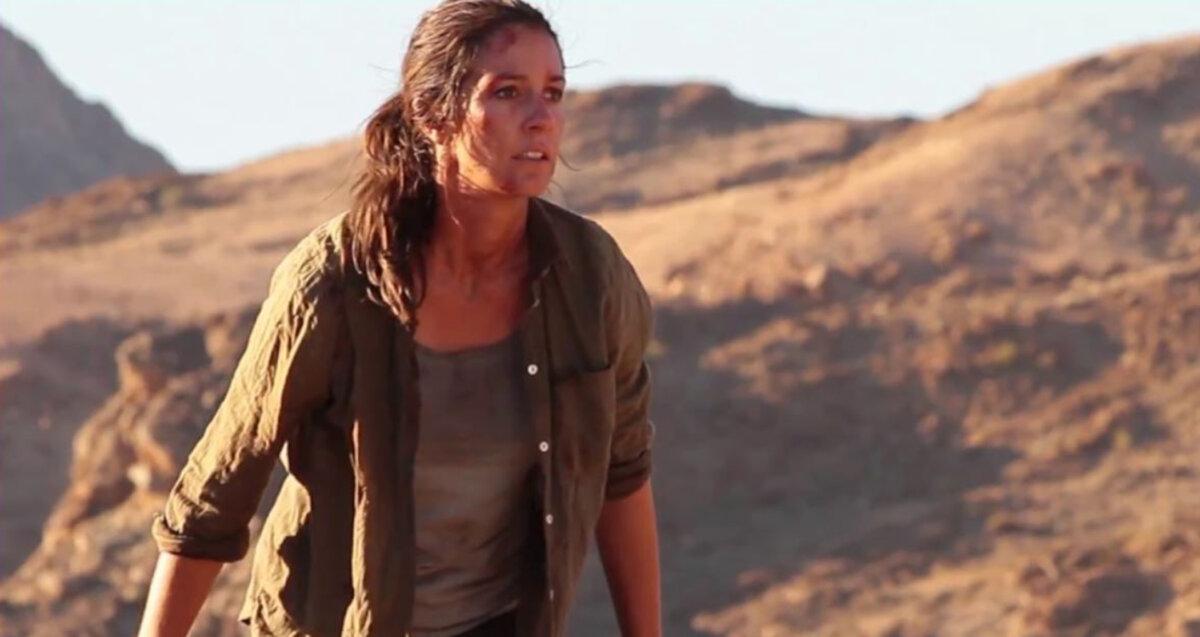
“Stroomop” works best when South Africa’s Orange River country takes over. The Northern Cape locations look sunbaked, wide open, and ready to punish anyone who packed the wrong gear. Many of the outdoor scenes have a sweaty, scraped-up feeling that a clean studio version couldn’t have managed.The screenplay has a habit of arranging pain too neatly. People reveal themselves at convenient times, music swells like it’s been waiting behind a bush, and a few exchanges sound more prepared than desperate.
The film wants to be meaningful, but it sometimes presses its thumb into the viewer’s ribs to make sure the point arrives. There are moments where some smaller, uglier lines would’ve done more than full confessions.
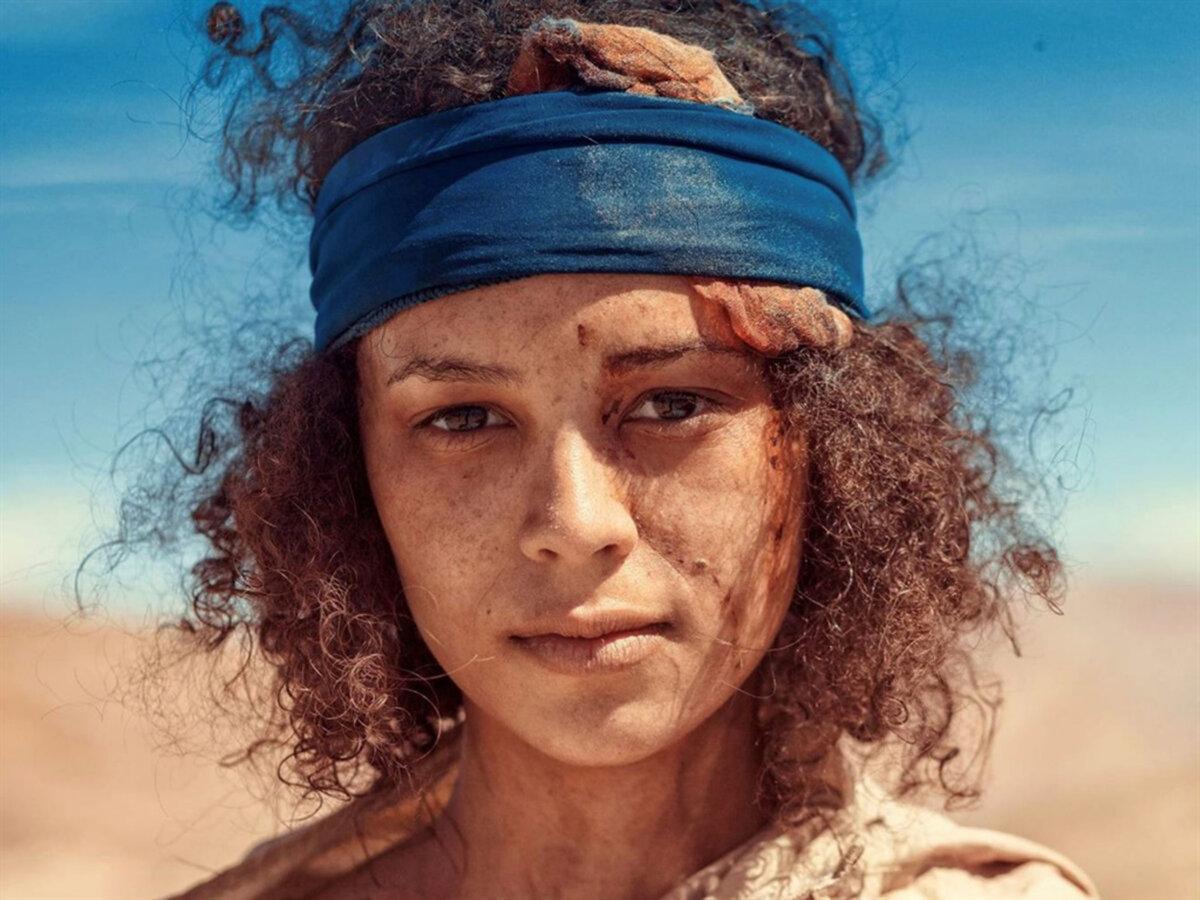
Roberts gives Lana Marais the most useful friction. Lana can be cold, rude, and deeply allergic to communal healing language; this saves the movie from becoming a floating group hug.
The rest of the cast keeps the raft crowded in a good way: de Jager gives Adrie a worn, domestic ache; Nortmann makes Vivian feel close to breaking; Klink gives Diona a clipped public face; and Classen gives Nixie the anger of someone who’s tired of being mishandled.
Aucamp brings a lighter air as Guy, at least before the trip falls apart. The ensemble works best when the women grate against one another, because overly polite bonding would’ve killed the movie faster than dehydration.
“Stroomop” has a good heart, strong locations, and enough healing friction to keep it from becoming a plain river-therapy sermon. By the end, its most hopeful thought is also its simplest: People can be stubborn, bruised, and half-impossible and still find a way to paddle beside someone else.