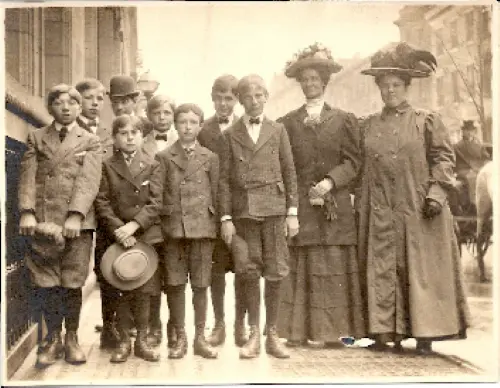
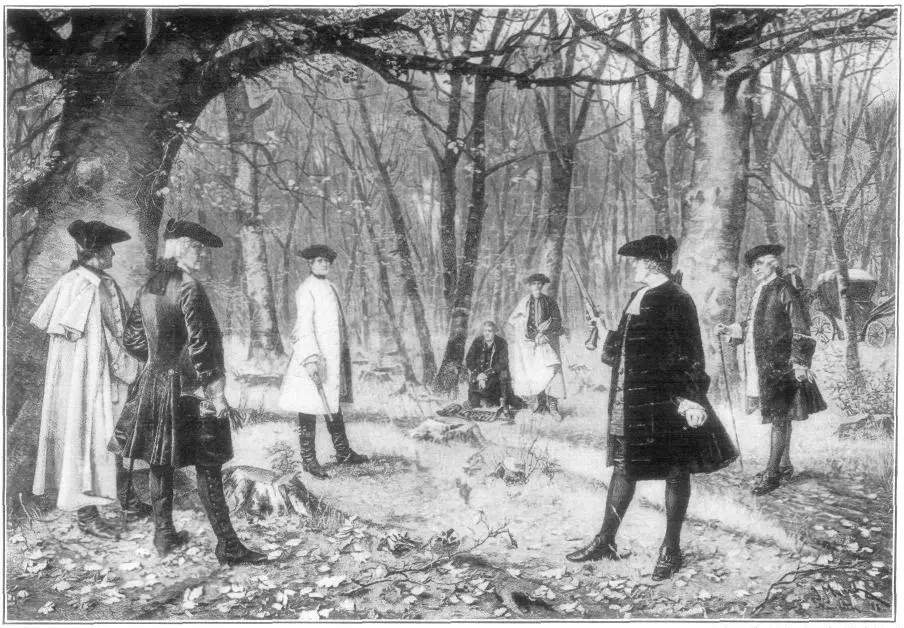
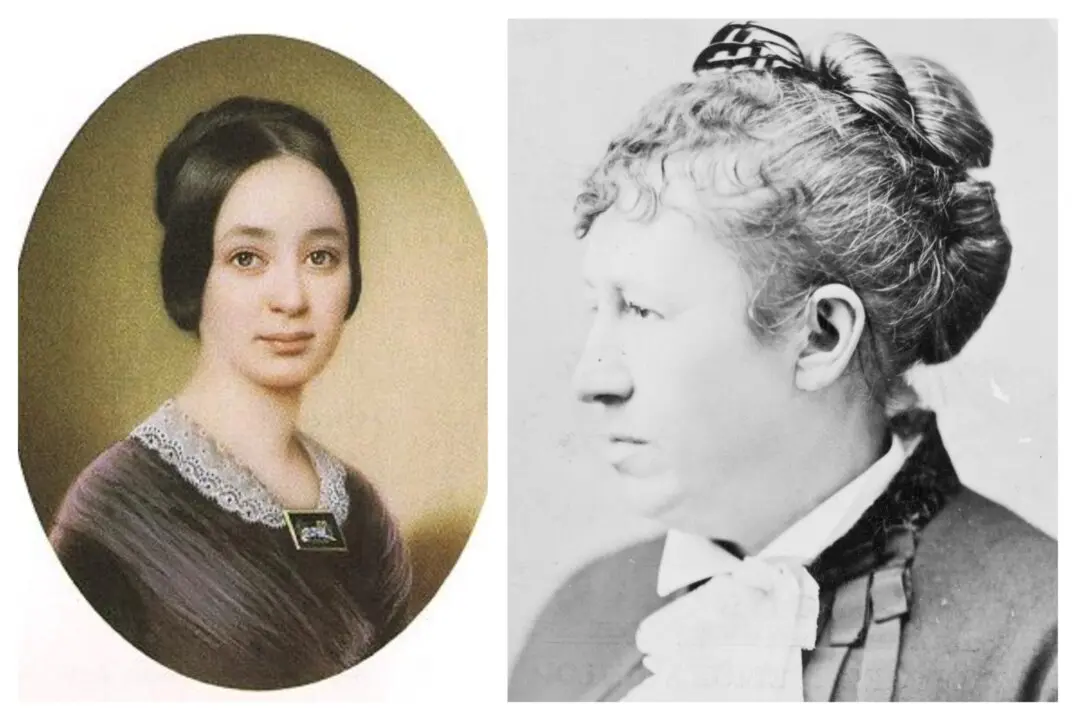
Social scientists, especially economists, frequently find evidence of unintended consequences in political decisions. Norton cites several instances, including that of Social Security. The intended consequence of that government program was to help assuage poverty among senior citizens. Because a good number of Americans now count on receiving Social Security in their old age, however, they set aside less for their retirement, which means “that less savings are available, less investment takes place, and the economy and wages grow more slowly than they would without Social Security.”
Usually, “unintended consequences” come with negative connotations, perhaps best summed up by the adage “The road to hell is paved with good intentions.” Yet history and personal experience teach an opposite lesson as well: The consequences of what are originally perceived as missed opportunities and outright failures may blossom and flower into success.
The early lives of two historical figures, George Washington and Winston Churchill, serve as excellent examples of this phenomenon of unintended consequences or, as it might be more happily put, unexpected results.
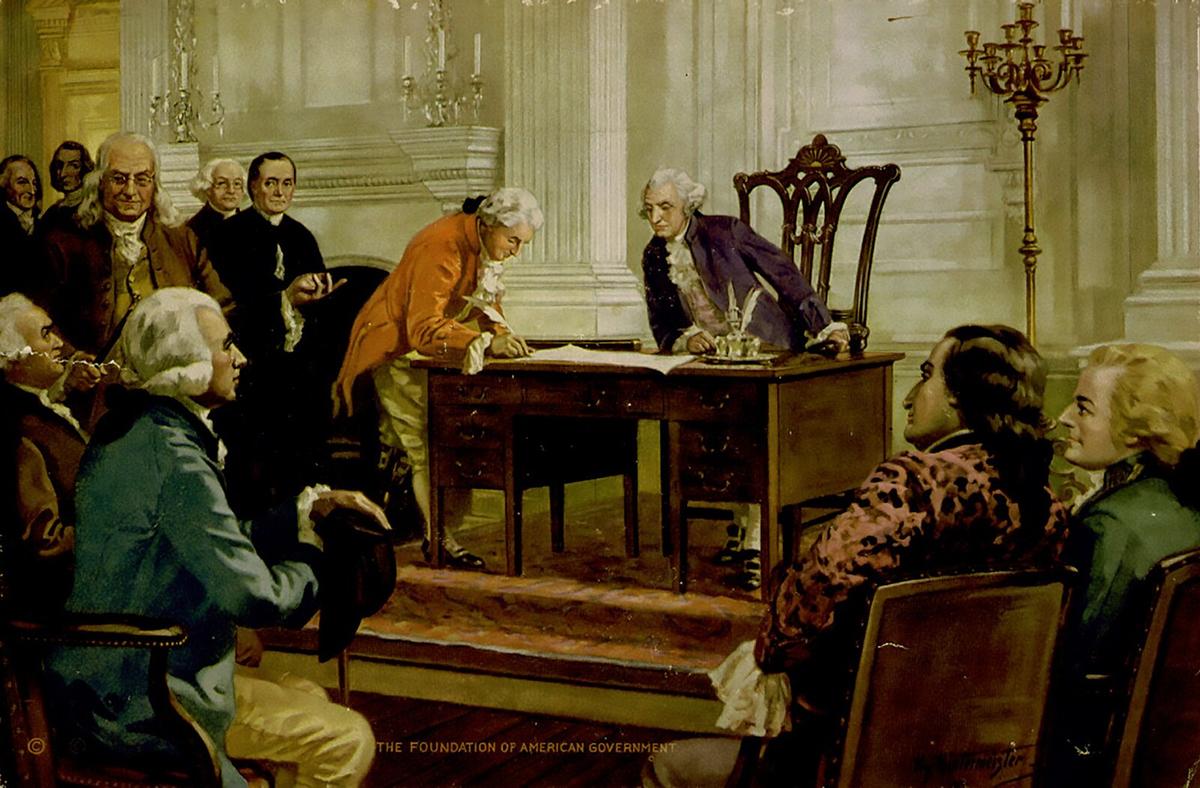
Washington’s Regrets
Of the first six presidents, four Virginians and two Massachusetts men, five received an excellent education in both the classics and the law. John Adams and his son John Quincy, Thomas Jefferson, James Madison, and James Monroe all attended college, and all studied the law. Of these presidents, George Washington (1732–1799) alone lacked this higher education.His two older half-brothers, Lawrence and Augustine, received a classical education, having been sent across the Atlantic to England’s Appleby Grammar School. But when Washington was 11, his father died, and the family’s financial circumstances denied him that luxury. Instead, tutors and perhaps a local school in nearby Fredericksburg provided Washington’s formal academic studies.
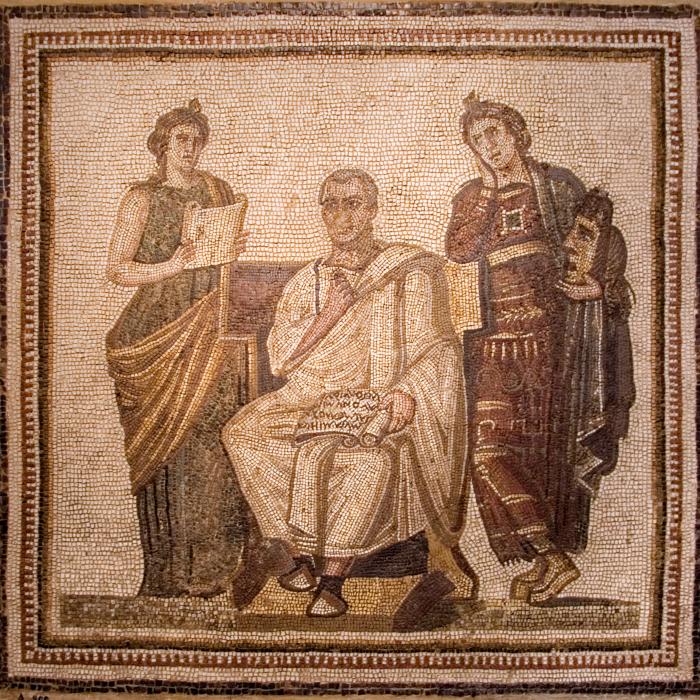

For the rest of his life, he rued his lack of an education equivalent to that claimed by men like John Adams and Thomas Jefferson.
A Different Sort of Education
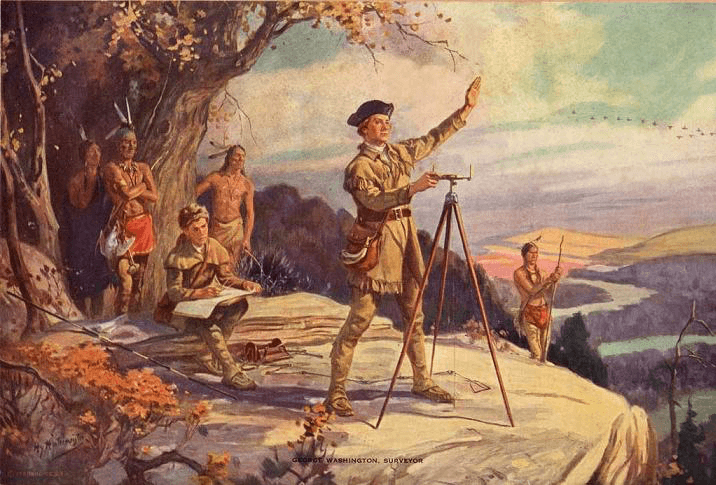
But Washington’s formative years colluded to bring him other gifts. In his mid-teens, he copied out the 110 dictums found in “The Rules of Civility and Decent Behaviour,” a code of conduct that exerted a lifelong influence on him. Moreover, with the encouragement of Lord Fairfax, his brother Lawrence’s father-in-law, he studied William Leybourn’s 1657 treatise “The Compleat Surveyor” and by 1749 had become a professional in that field. His surveying work took him as a teenager to the frontier of Virginia, principally the Shenandoah Valley, where he learned lessons no classroom could duplicate.
A short time later, with that experience in his favor, Washington served as an officer with the British in the French and Indian War, which further molded the man who would become commander-in-chief of the Continental Army during the Revolutionary War.
The Wastrel
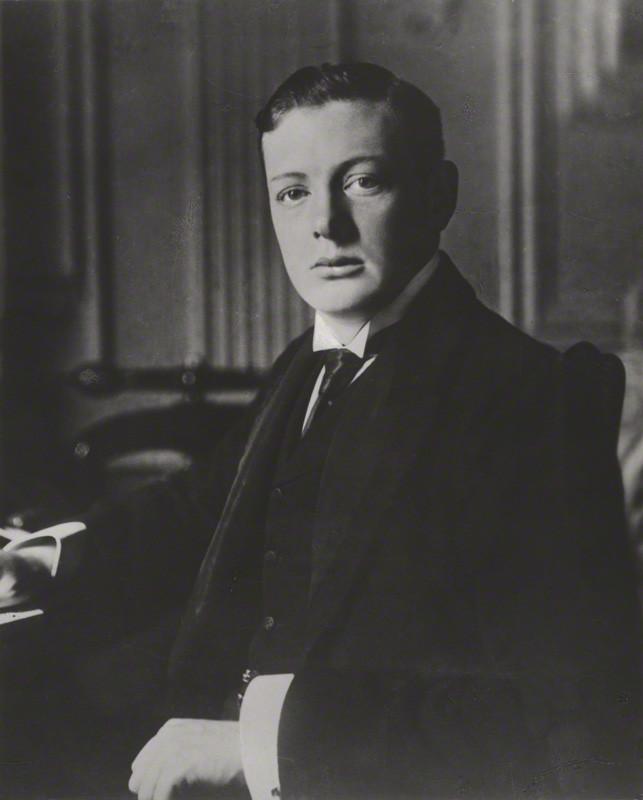
Like Washington, Winston Churchill (1874–1965) in his youth traveled a road that contributed to some astonishing results.“You should be ashamed of your slovenly, happy-go-lucky, harum, scarum style of work. … I no longer attach the slightest weight to anything you may say. … If you cannot prevent yourself from leading the idle, useless, unprofitable life you have had during your school days ... you will become a mere social wastrel, one of the hundreds of public school failures, and you will degenerate into a shabby, unhappy and futile existence. … You will have to bear all the blame for such misfortunes. … Your mother sends her love.”
With her marriage to Randolph on the rocks and with two failed marriages in her future, Jennie Churchill was also often absent from home and from Winston’s life. Several times, he wrote to her from school, begging for a visit, but to little avail. Though later in life Jennie boosted her son’s career by means of her connections, she, too, was critical of the boy who would one day become prime minister of Great Britain during its fight for survival. In 1890, she wrote to him of his schooling:
“I had built up such hopes about you and felt so proud of you—and now all is gone … your work is an insult to your intelligence. If you would only trace out a plan of action for yourself and carry it out and be determined to do so—I am sure you could accomplish anything you wished.”
Honing a Future
With such fault-finding parents, we might expect failure woven into the son’s future.Yet Churchill’s childhood and youth prepared him for the challenges to come. For one, his parents were indeed absent much of the time, which, given their personalities, may have worked out better for him. He also had a mother figure and counselor in the person of Elizabeth Everest, “Old Woom” as he called her. His loving nanny became a best friend in his adulthood. Although he spent a good deal of time alone, his games with his toy soldiers spurred his infatuation with military life.
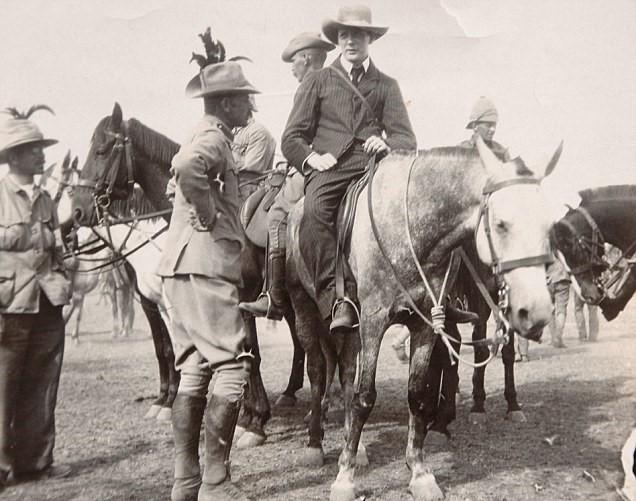
The rise to fame of some other figures throughout history, men and women like Abraham Lincoln and Ulysses Grant, T.E. Lawrence, and Margaret Thatcher, surely stunned their childhood contemporaries. Only in retrospect did anyone see that those early years had equipped them with the tools to rise up and face the challenges before them. Call it fate, call it destiny, call it God or chance—whatever the cause, the pursuits of youth, so often disdained by others or regretted by themselves, generated unexpected results.