In 1893, the U.S. Military Academy at West Point held a graduation parade along with a reunion honoring alumni. In attendance at that event were two well-known widows of those alumni, Julia Dent Grant (1826–1902), wife of Civil War hero and U.S. president Ulysses Grant, and Varina Howell Davis (1826–1906), wife of Jefferson Davis, the first and only president of the Confederate States of America.
Both women had taken rooms at the Cranston-on-Hudson Hotel. When Julia learned that the wife of her husband’s enemy in war was present, she knocked on Varina’s door and introduced herself. The former first lady of the Confederacy greeted her warmly and invited her inside.
After supper, the two women sat conversing on the veranda, scrutinized by guests intrigued by this extraordinary scene. A journalist for the New York Times who happened to be present speculated in print that this unforeseen encounter “promises to ripen into warm friendship.”
Parallel Lives
That these two wives of husbands who were opponents in war could become friends surprised many people—happily, for the most part, though some in the traditional planter class of the South viewed Varina as a traitor. Yet Julia Grant and Varina Jefferson shared many things in common that might have tied together a friendship no matter what the circumstances.Both were born in 1826.
Both had married men who had graduated from the Academy and who had served in the Army.
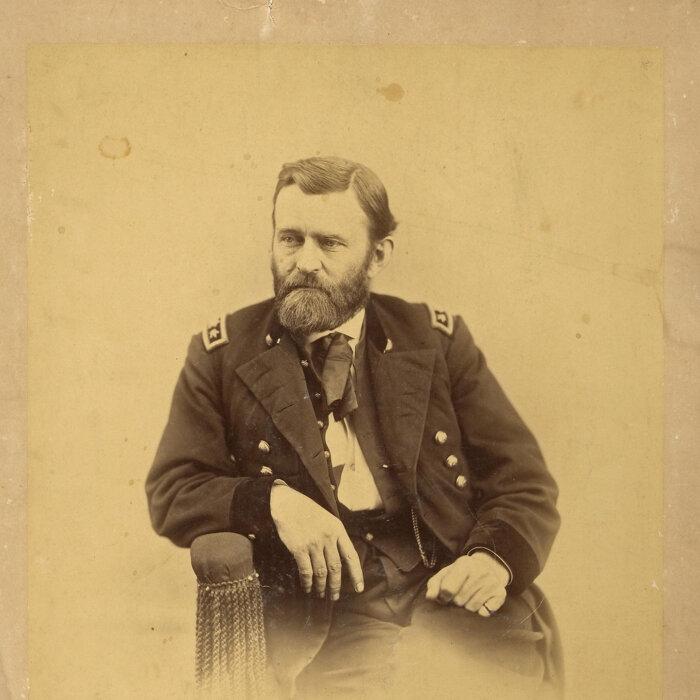
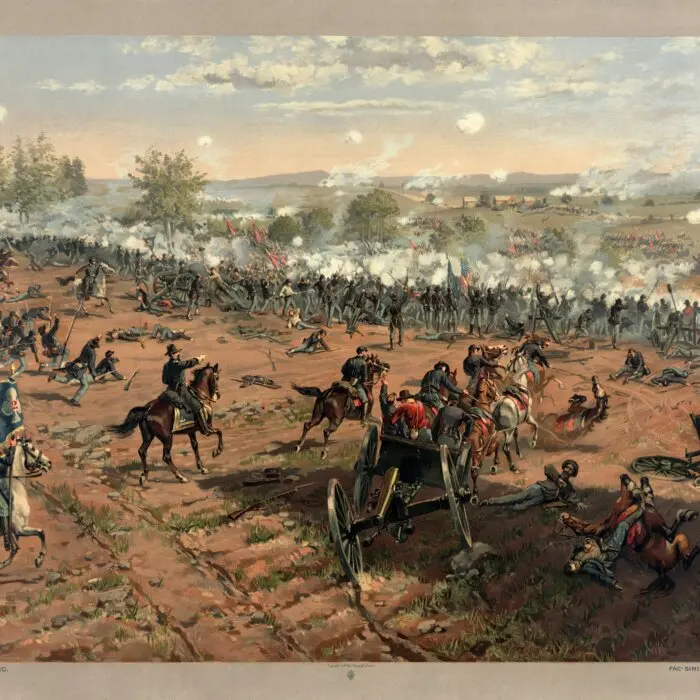
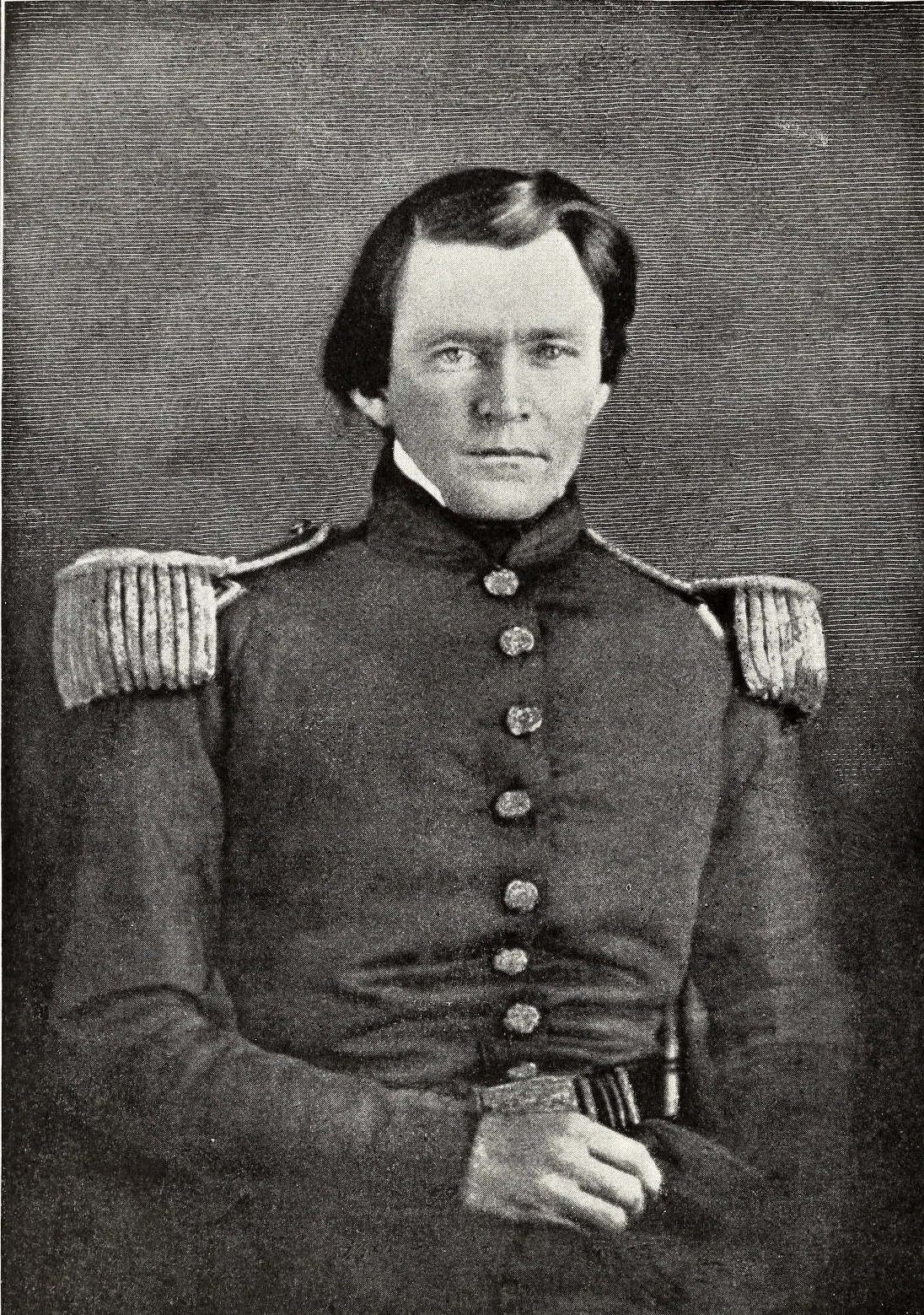
Both had come from slaveholding families, Julia in Missouri, Varina in Mississippi, yet both were also raised in households where attitudes toward slavery were mixed. Varina’s father hailed from New Jersey, while Julia grew up in a border state in which slavery was far less accepted than in Mississippi.
Both their husbands wrote books in their later years. Davis left behind two histories of the Confederacy, and Grant’s memoir is still regarded as a classic in American writing.
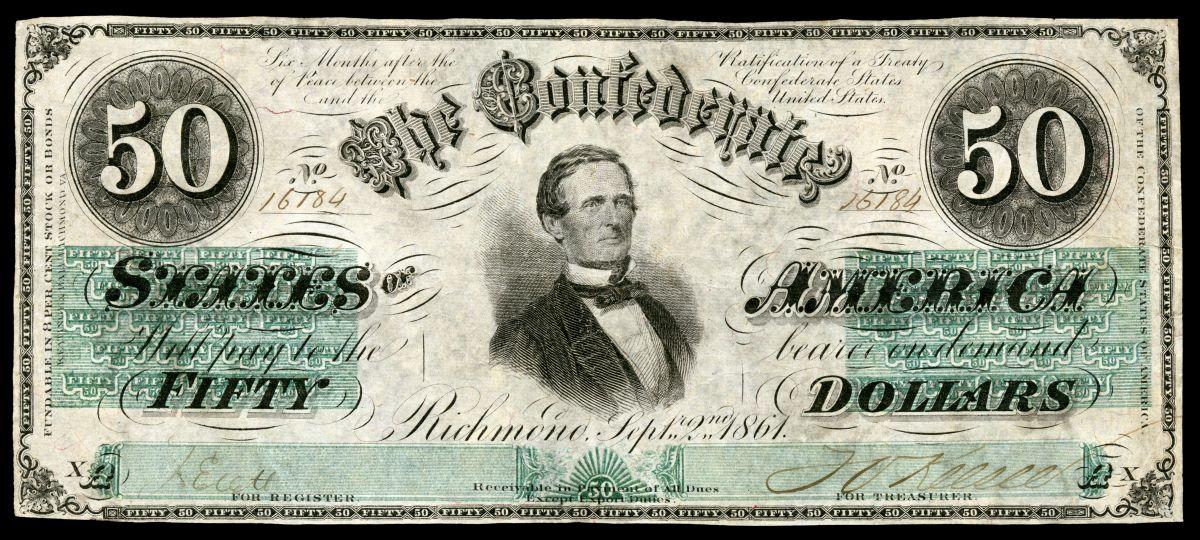
Likewise, both Varina and Julia left behind memoirs as well. Though unpublished until 1975, Julia’s personal reminiscences sought to polish her husband’s reputation and to give an intimate look behind the scenes of their marriage. Varina’s “Jefferson Davis: A Memoir by His Wife” made the cold, stiff Davis a more approachable historic figure and included anecdotes from their marriage.
Both had relished the social swirl of Washington. Varina regarded the 1850s as the best years of her life when Davis served as a senator in the nation’s capital. She was a witty and intelligent woman who enjoyed the parties, dinners, and conversations, mingling with dignitaries and artists, and making several close friends.
After Grant refused to run for a third term as president, a distraught Julia, who had taken so much pleasure from being First Lady, wept on leaving the White House, saying, “Oh, Ulys, I feel like a waif, like a waif on the world’s wide common.”
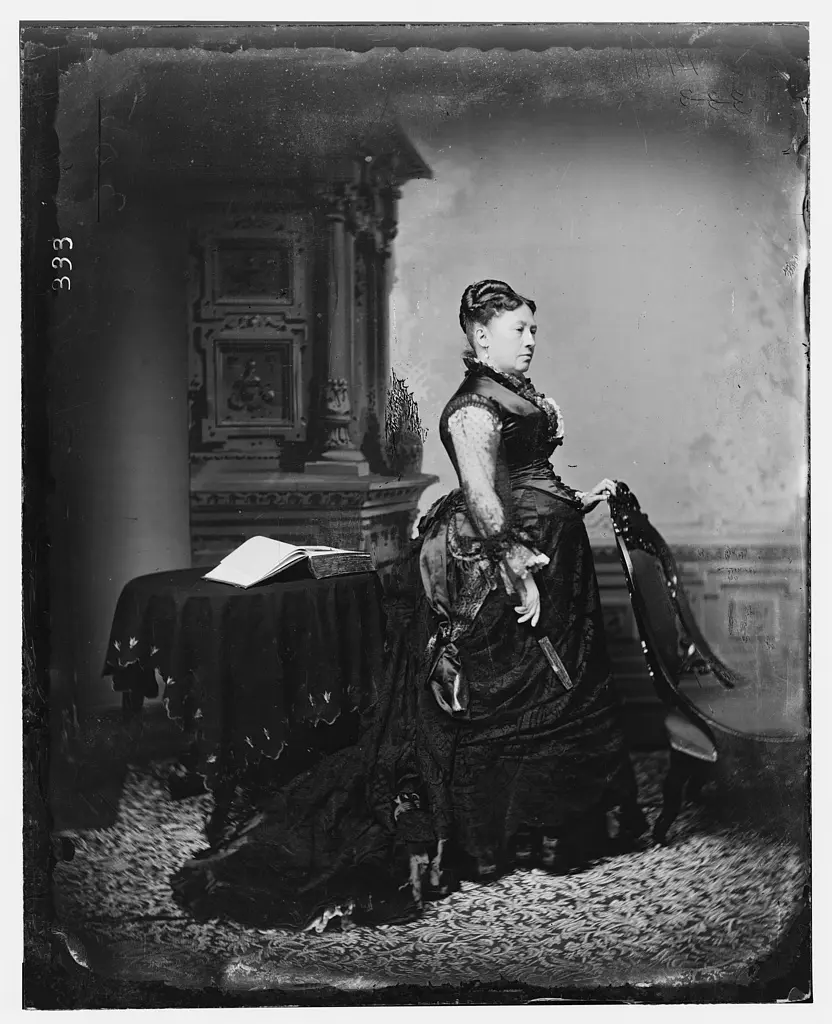
Both women in their later years preferred city life to the seclusion of the countryside. Varina moved to New York, and Julia spent her time both there and in Washington.
Consequently, by the time they first met, both Julia and Varina had spent years of their lives in the public eye, exposure which had accustomed them to fame and to criticism. The character forged in those long years gave them the backbone to push aside the political and regional animosities of those who frowned on their friendship and to enjoy the other’s company.
Finally, Julia and Varina shared a deep desire to see the wounds left by the war between North and South, and they were fully aware that their frequent appearances in public together helped make that possible. When they shared carriage rides around Manhattan or when they prayed together at Grant’s Tomb, they inspired others to follow suit and come together as a nation.
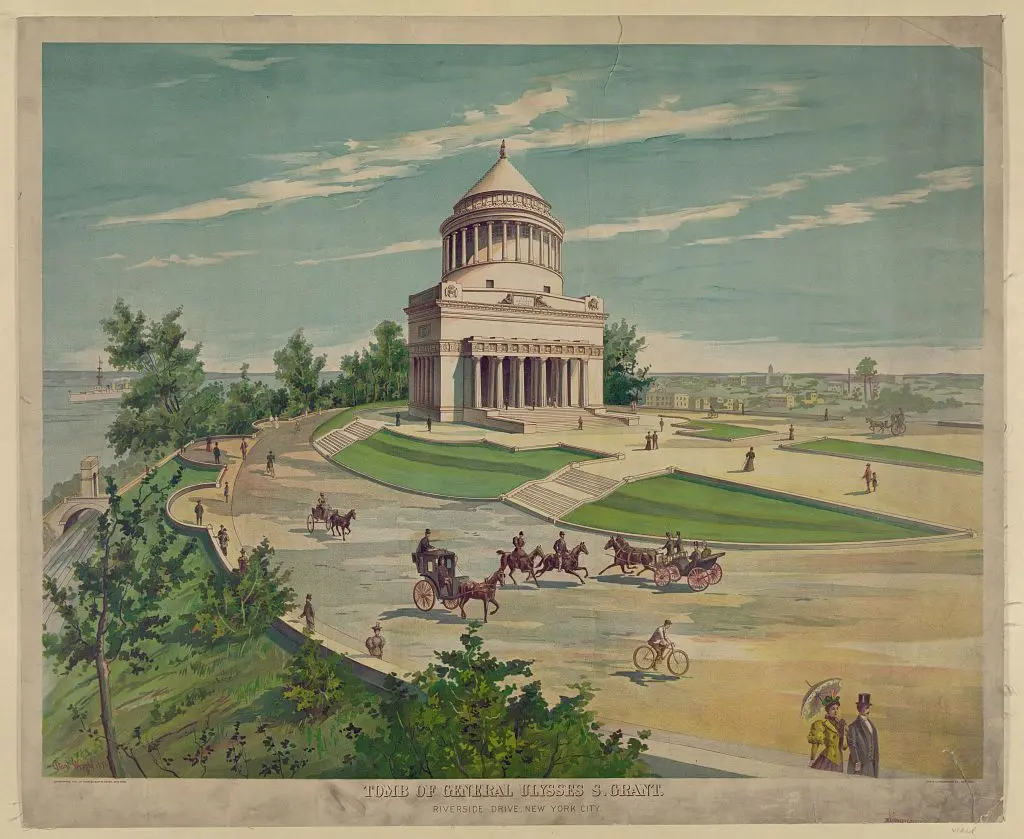
From 1891 until shortly before her death, Varina wrote articles for Joseph Pulitzer’s New York World. In 1901, following the publication of a biography heavily critical of Grant, her editor asked her to put together an article in the former president’s defense. Varina naturally turned to Julia for details of her husband and his public life, and then wrote “The Humanity of Grant.”
The Twilight Years
Above all, it was mutual respect, understanding, and affection that drew the two women together. Once, writing to Julia, Varina had ended her letter: “[W]ith sympathy of one who has suffered in a like way. I am affectionately your friend.”In 1902, they summered in a Canadian village, Coburg, where the cottages they’d rented stood side by side. A reporter for the Kansas City Star gives us this charming look at them when away from the more public arena of the big city:
“The cottages … back upon a small, quiet lake, and every morning Mrs. Grant and Mrs. Davis sit in steamer chairs watching the reflection of the trees and the undisturbed surface, seldom ruffled even by a stray canoe. Both Mrs. Davis and Mrs. Grant hold themselves aloof from the other cottagers and seem perfectly content to pass the idle summer days under the pines.”
Julia died soon after their time together in Canada. When Varina followed her friend to death, we see a last sign of their bond of friendship and its effect on the American people. When Varina was buried in Richmond, Virginia’s Hollywood Cemetery alongside her husband, Julia’s son, Gen. Frederick Grant, sent an artillery unit to accompany her funeral procession through the streets of New York to the train going south.
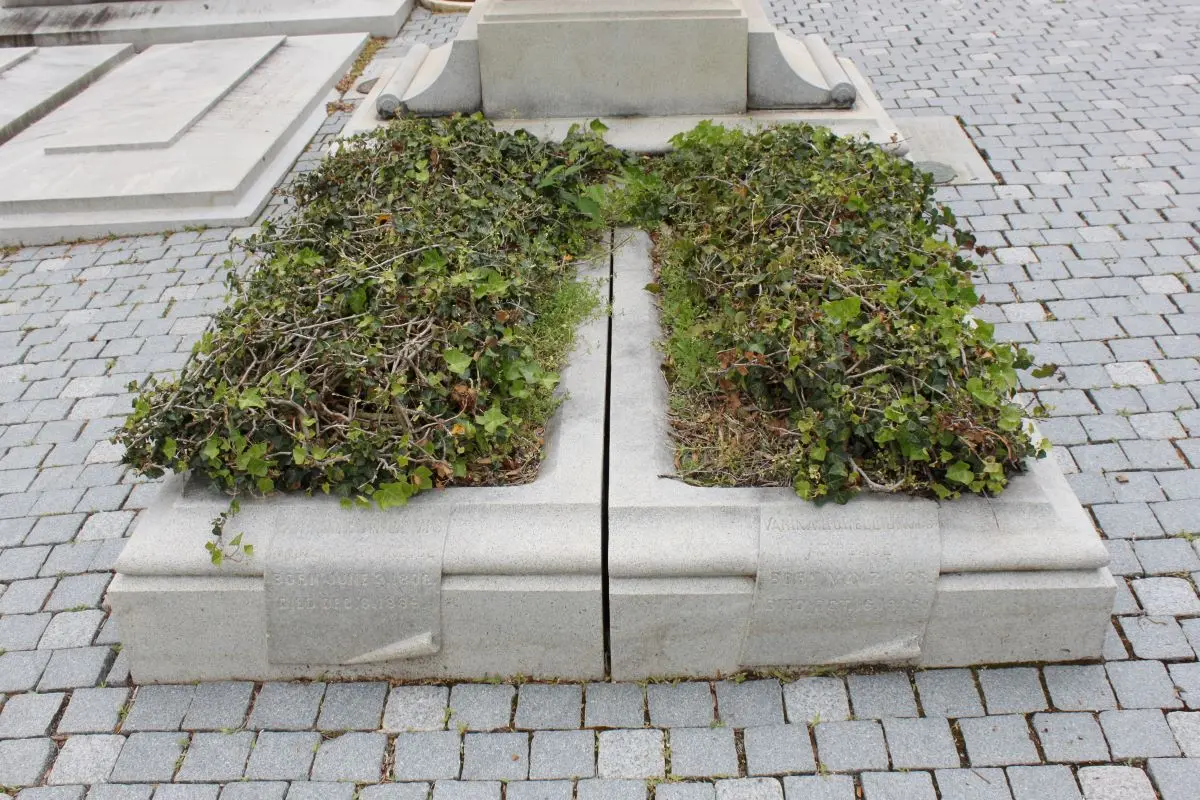
“At Peace” reads the engraving on her tombstone. The epitaph is curiously apt, for peace is precisely what Varina and her friend Julia had desired for so long for their country.