In 1863, President Abraham Lincoln delivered the Gettysburg Address, the most iconic presidential speech in our country’s history. Only 10 sentences long, which was remarkably short in an age when orations of an hour or more were standard, Lincoln opened with this nod to the Declaration of Independence: “Four score and seven years ago our fathers brought forth on this continent, a new nation, conceived in Liberty, and dedicated to the proposition that all men are created equal. Now we are engaged in a great civil war, testing whether that nation, or any nation so conceived, and so dedicated, can long endure.”
With this year’s 250th celebration of the declaration, Americans have demonstrated that our nation can endure. Blessed by abundant resources and purchased with a Churchillian sea of blood, sweat, tears, and ingenuity, previous generations created the wealthiest country in the world, leaving a global American footprint on everything from industry and technology to culture.
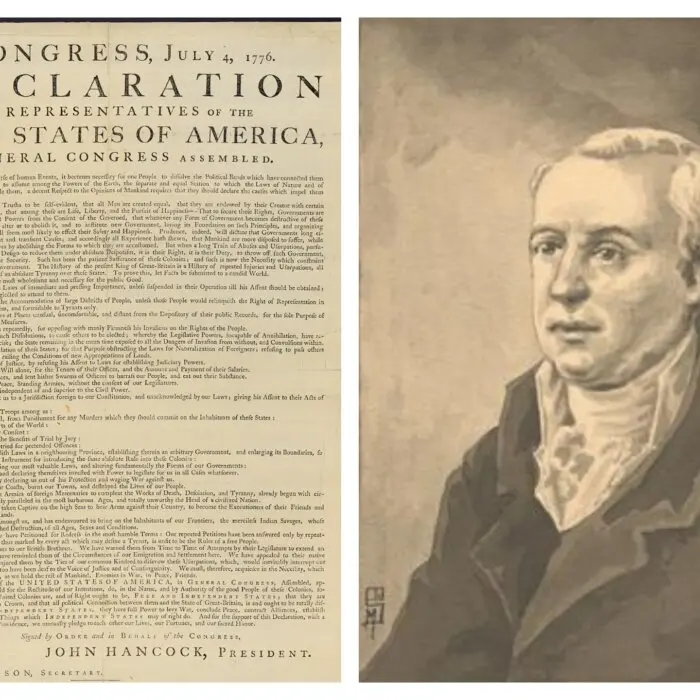
Although our country has at times failed to honor the declaration’s key principles—“We hold these truths to be self-evident, that all men are created equal, that they are endowed by their Creator with certain unalienable Rights, that among these are Life, Liberty and the pursuit of Happiness”—eventually the words of that single sentence, the beating heart of our republic, time and again carried the day as Americans struggled “to form a more perfect Union.”
The Endowment
Those words “endowed by their Creator” are easily overlooked, but they are crucial to American liberty. In the most revolutionary political statement ever put into print, the declaration makes absolutely clear—“these truths are self-evident”—that men and women are furnished with certain rights outside the power and scope of any government. Later, some of these “Laws of Nature and Nature’s God,” such as the freedoms of speech, assembly, and worship, were itemized more specifically in the Bill of Rights.We can choose to forfeit these natural rights in favor of some ideology such as communism or fascism, or we can have these entitlements of nature stolen from us by a totalitarian state, but this bedrock idea of uniquely human rights remains. As an elementary school kid on a playground, for example, I heard bickering classmates say, and I probably said it myself: “I’m an American. I can say whatever I want.” Somehow, we knew even at that age that natural rights and being an American were a package deal.
Our 21st-century federal government has powers of enforcement—propaganda, law, and force itself—far beyond those imagined by the Founders of the republic. Nevertheless, by their words and deeds, and by the declaration itself, the Founders remind us that should an overweening state threaten our natural rights and liberties, we must act to protect and preserve them lest we find ourselves pawns in the hands of tyrants.
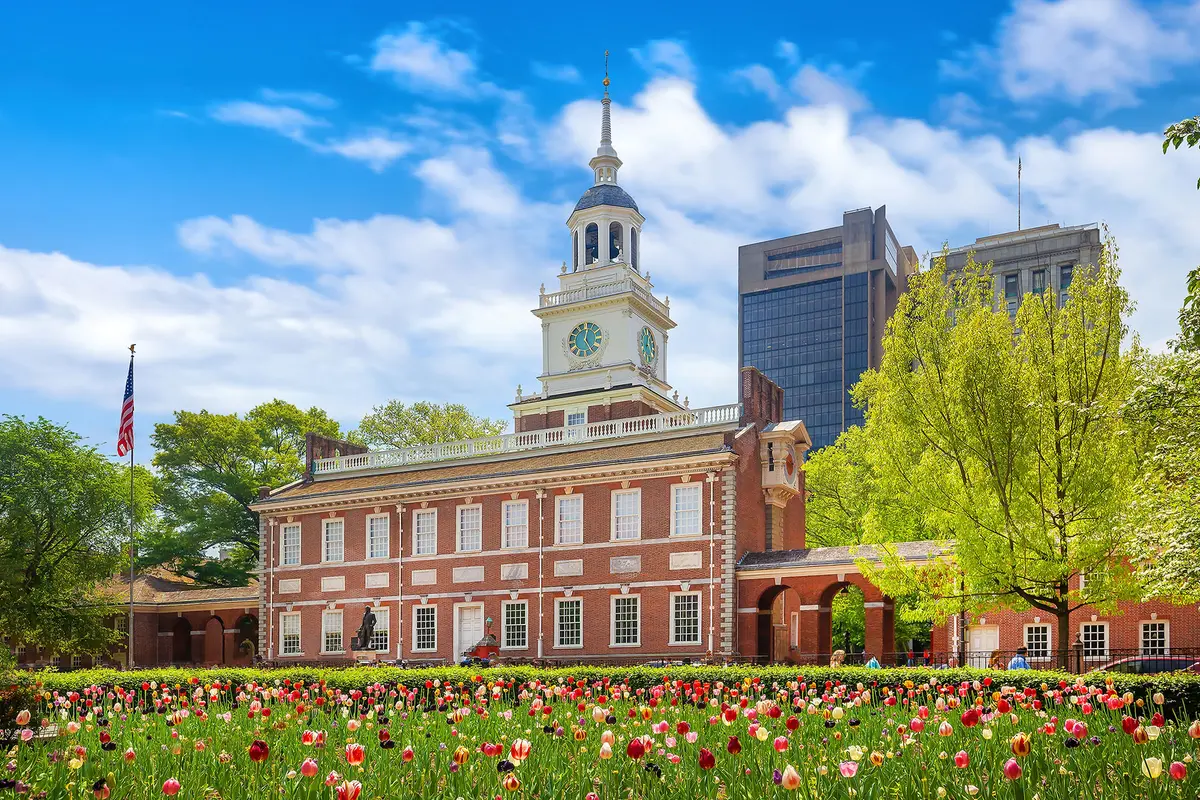
‘All Men Are Created Equal’
This key concept from the declaration means that all of us, whatever our state in society, are born imbued with natural rights. Yet we’re all unequal in opportunity, talent, and intelligence. We need only look at the people around us to see that wealth, intelligence, upbringing, ambition, personality, and even appearance separate us from one another in the game of life.Take a look at the world of professional sports, where excellence is rewarded above all other criteria. The starting lineup for the New York Knicks on the night they won the NBA championship was five black males. No one fretted about the racial or sexual composition of this team. The players on the court were there for one simple reason: They were the best of the best.
Selfies
“The pursuit of Happiness,” as found in the declaration, deserves some special consideration. Although it can mean following our bliss, as the popular saying goes, for the classically minded Founders, it meant the pursuit of virtue and good character. As Thomas Jefferson succinctly put it in an 1816 letter to the preceptor of Maine’s Fryeburg Academy, Amos J. Cook, “Without virtue, happiness cannot be.”Although politicians, commentators, and many others attack opponents for their vices, very few speak of the necessity of virtue for the survival of a republic. In this matter of character and self-restraint, we can clearly see that our country has failed to live up to the declaration and the hopes of the men who wrote it.
Yet before concluding that vice and corruption have ended our republic, we should pause and think of those many people we know who do practice self-control, the men and women, young and old, who lead virtuous lives. In interviews I’ve done over the past decade with Americans across the country, and in my friends and family members, I see people of character everywhere working to improve their lives and the lives of those around them.
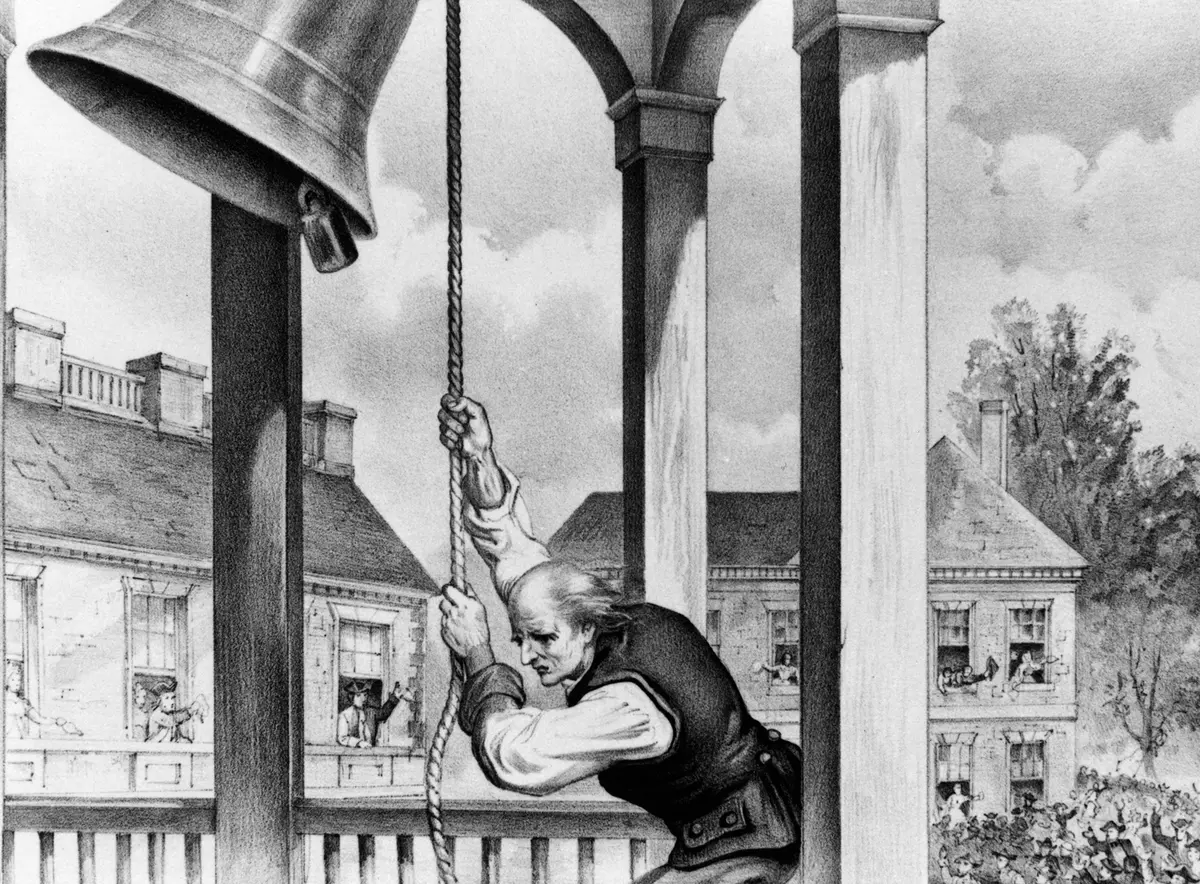
‘A Republic, If You Can Keep It’
Ben Franklin famously delivered that answer to a woman who, with the Constitutional Convention concluded, asked, “Well, doctor, what have we got, a monarchy or a Republic?”In addition to their insistence that only a virtuous people could preserve the republic, the Founders stressed the importance of education in academic subjects, including the virtues and what we today would call civics. George Washington, John Adams, Jefferson, and others advocated frequently for schools and learning that taught civic virtue, which they called “public virtue” or, in context, simply virtue.
So there we are. Sam Adams and the other Founders have pointed the way for us.
Time to begin the journey and keep our republic.