




Walter Lantz (1899–1994) created one of the most recognizable and enduring cartoon characters in the world: Woody Woodpecker. The mischievous, red-crested bird with the distinctively irascible cackle delighted audiences across the globe and made Lantz both famous and financially secure.
Born on April 27, 1899, in New Rochelle, New York, a short distance north of Manhattan, Lantz was the eldest of three sons of Italian immigrants. His parents, Francesco Paolo Lanza and Maria Gervasi arrived in America from southern Italy. His father’s surname is widely reported to have been changed to Lantz by immigration officials at Ellis Island. Francesco Lanza came from Cozenza, Italy, while the mother is often cited as coming from Calitri, Italy.
From a young age, Walter displayed exceptional talent for drawing and, unusually, for the era, received encouragement from his family to pursue his artistic interests.
Newspaper Cartooning
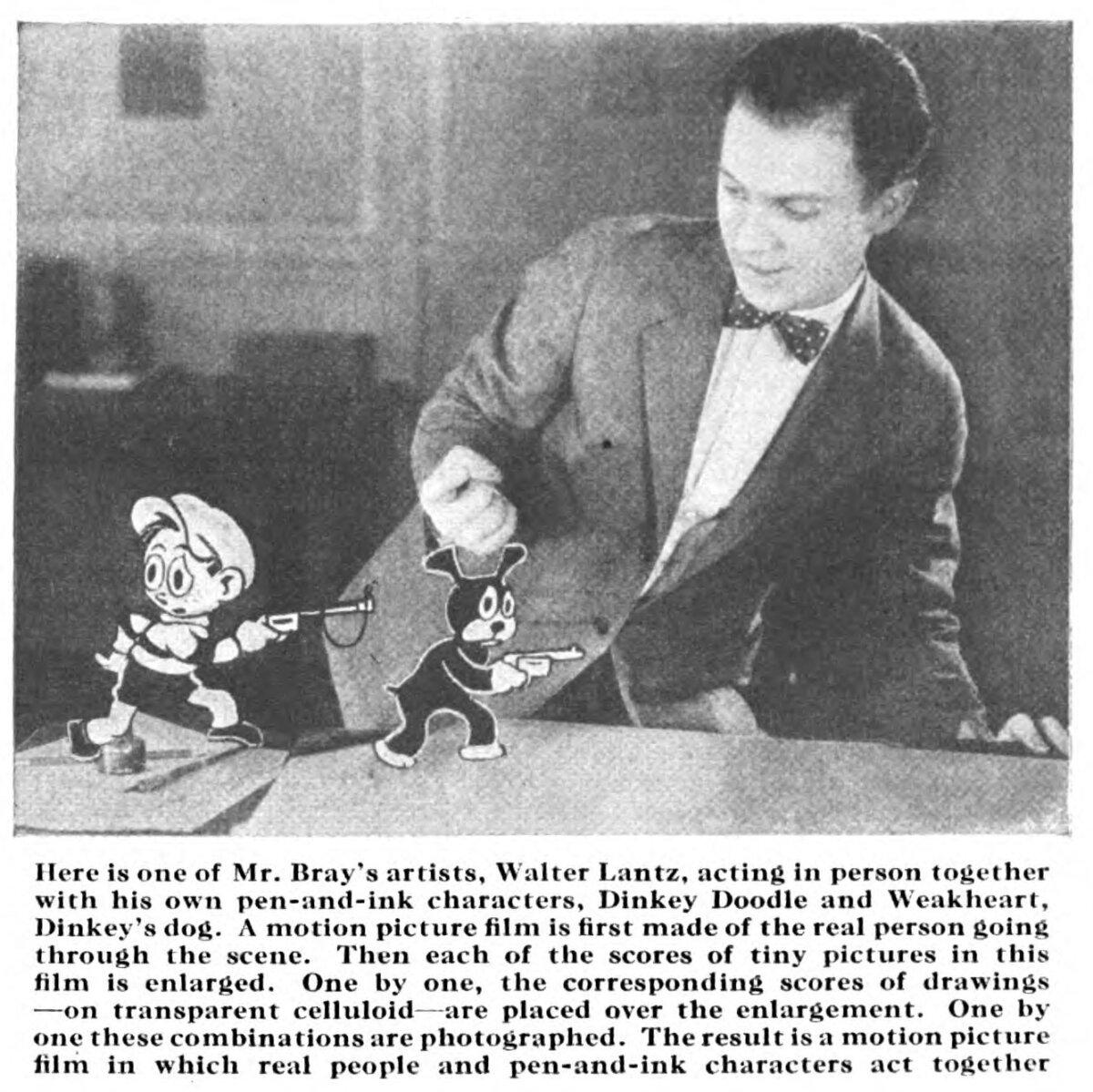
Lantz’s path into animation began while he was still a teenager. While working as a mechanic, he attracted the attention of a well-connected customer who noticed some of his drawings on a bulletin board. He helped Lantz secure a position as an office boy at William Randolph Hearst’s New York American.There, he absorbed the fast-paced world of newspaper cartooning, learning techniques and the rhythm of producing popular comic strips. He also studied at the Art Students League of New York, attending evening classes to refine his skills.
Around 1916, Lantz gained hands-on experience under director Gregory La Cava (1892–1952), later a celebrated and Academy Award-nominated film director. Lantz contributed to early animated adaptations of such comic strips as “Happy Hooligan,” “Krazy Kat,” and “The Katzenjammer Kids.”

By age 18, he was already involved in writing, directing, and animating cartoons, as well as performing in experimental live-action and animation combinations.
Animation in Hollywood
As silent cartoons declined, Lantz relocated to Hollywood. He took on various jobs in the film industry until, in 1928, he was hired by Universal Pictures to head its animation department.There, he oversaw the production of “Oswald the Lucky Rabbit” cartoons. He also created animated sequences for early Technicolor features, including “King of Jazz” in 1930, considered the first Technicolor sound cartoon sequence—also memorable as Bing Crosby’s debut.
By the mid-1930s, Lantz negotiated a deal to operate his own animation studio independently while continuing to supply Universal with cartoons. This arrangement gave him creative control and eventual ownership of his characters.
Woody Woodpecker
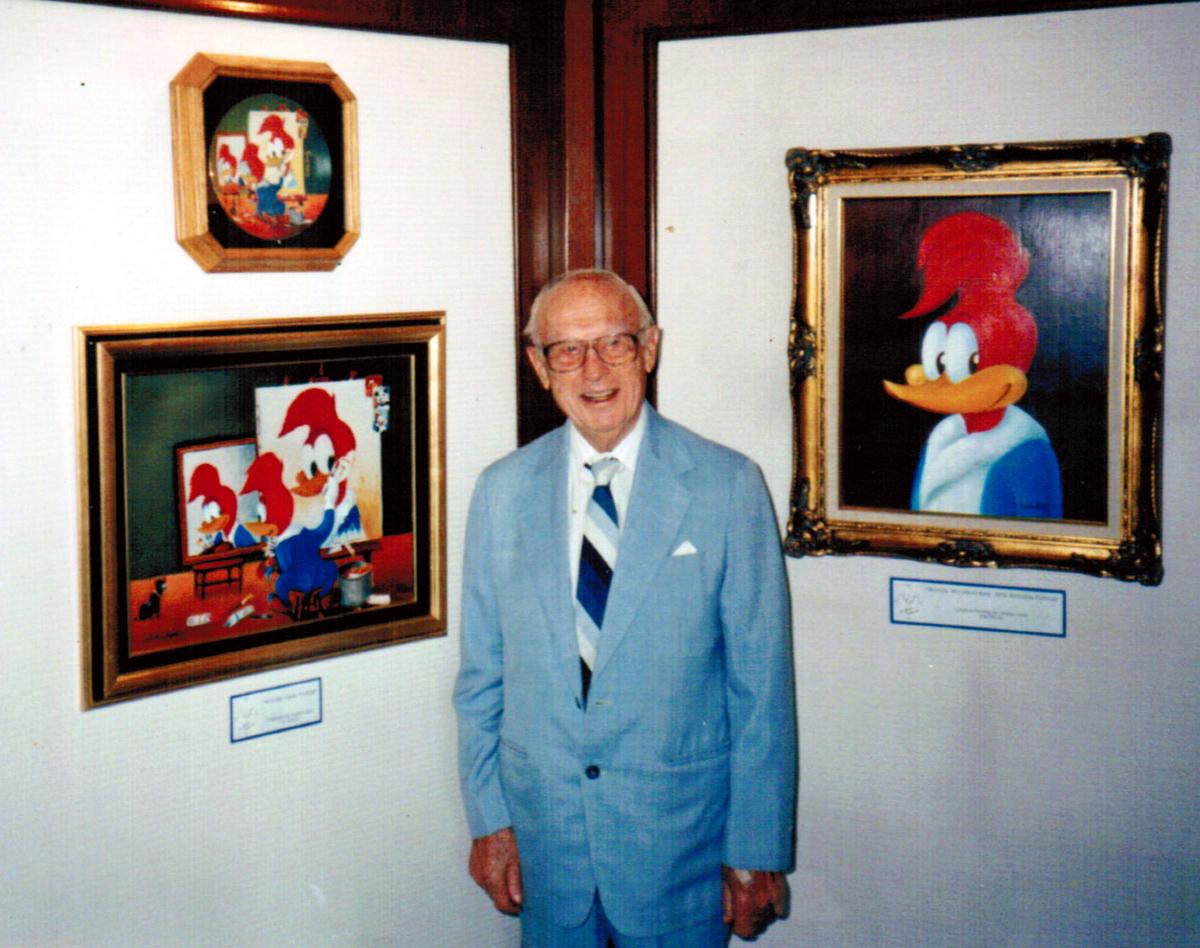
In 1940, while honeymooning at a lakeside cabin in California, Lantz and his wife reportedly encountered a persistent woodpecker drilling holes into the roof. This story, along with the reported $200 roof repair bill for the shingle cracks, is widely repeated in studio histories but may fall into the sphere of animation legend.According to these accounts, the encounter inspired the creation of Woody Woodpecker. Woody made his debut in the 1940 short “Knock, Knock,” part of the Andy Panda series. Animator Ben “Bugs” Hardaway (1895–1957), a gagman who had previously helped develop characters and storyboards at Warner Bros., helped design Woody.
His wife, Grace Stafford, eventually became the voice of Woody after submitting an audition tape anonymously. She was credited under her maiden name. Their close personal and professional partnership was a hallmark of the studio’s operations.
Lantz’s studio produced hundreds of theatrical shorts over several decades, including roughly 200 featuring Woody Woodpecker. While exact figures vary across sources, these numbers are widely cited in biographies and filmographies.
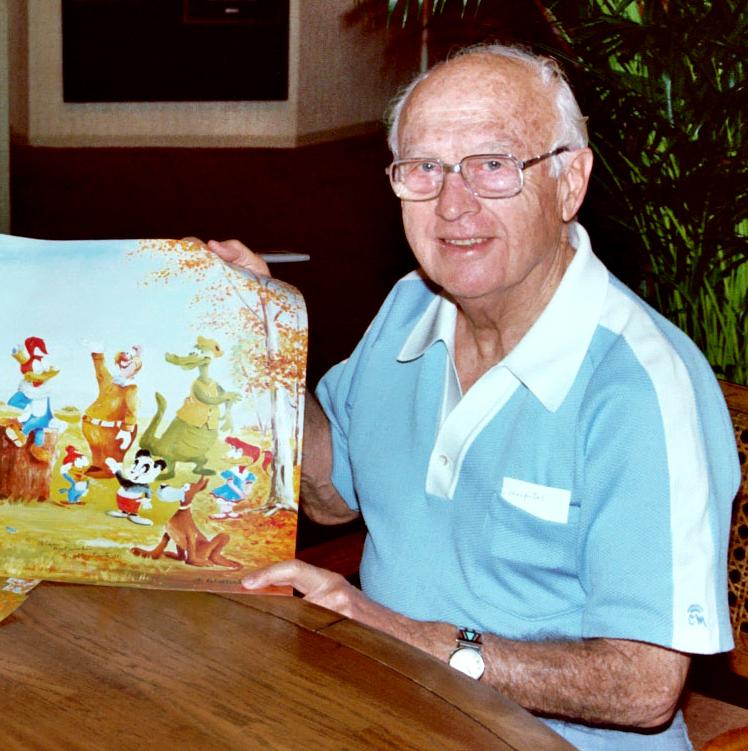
The cartoons were distributed internationally and translated into many languages. Lantz consciously avoided dated cultural references and excessive violence. Instead, he favored visual humor and physical gags, a creative choice that contributed to their enduring appeal.
Lantz announced his retirement in his early 1960s, but quickly returned to supervise the studio. Beyond the studio, he maintained an active lifestyle including painting, traveling, and golfing.
His contributions to animation were recognized with numerous awards, including a special Academy Award in 1979 “for bringing joy and laughter” to audiences worldwide. Woody Woodpecker received a star on the Hollywood Walk of Fame in 1990, following Lantz’s own star in 1986.

Although Lantzes had no children, they were committed to community work. They sponsored a Little League team in Sherman Oaks, California, and supported youth organizations through the Woody Woodpecker Foundation. Grace Stafford Lantz died in 1992 in Burbank, California; Walter Lantz passed away on March 22, 1994, in the same city at age 94.
Lantz’s cartoons remain a lasting testament to his creativity. His productions blended humor, imaginative characters, and physical comedy that continue to entertain audiences around the world.


.jpg)