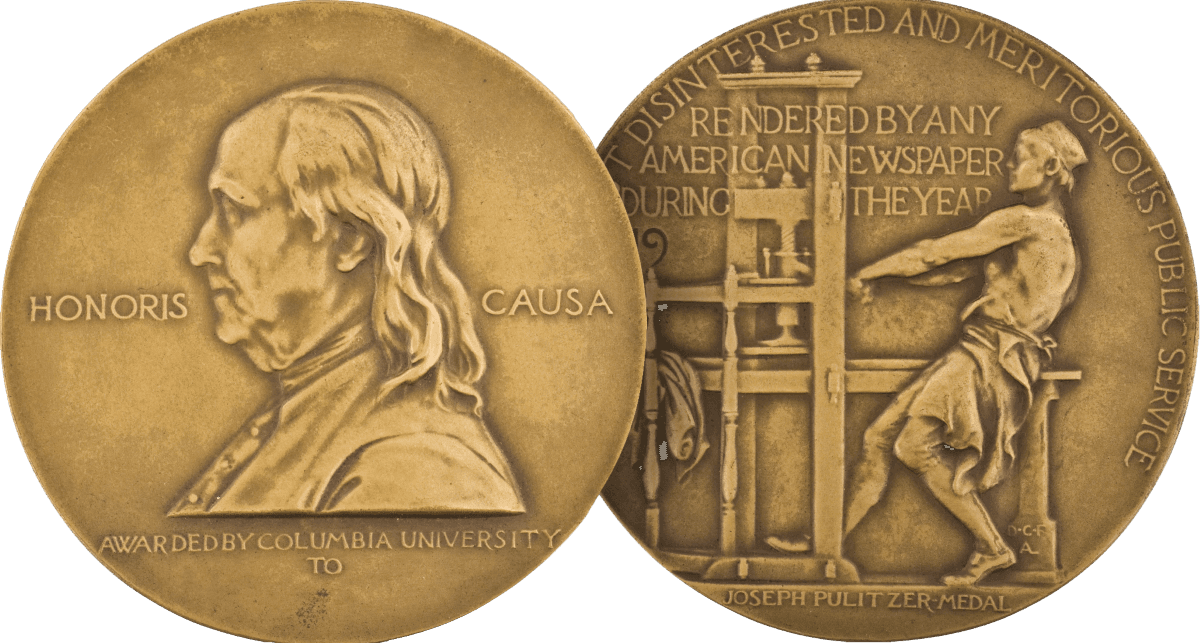
Few names in American journalism carry the weight and prestige of Joseph Pulitzer. Today, the Pulitzer Prize represents distinction in reporting, literature, history, biography, music, and public service. But the man behind the famous award began life far from American newsrooms.
Looking for Adventure
Joseph Pulitzer was born on April 10, 1847, in Mako, then part of the Kingdom of Hungary within the Austrian Empire, now Hungary. His father, Fulop Pulitzer, was a prosperous grain merchant from a Hungarian Jewish family; his mother, Elize Berger, came from a family with roots in Central Europe. The Pulitzer family valued education, and young Joseph grew up exposed to several languages and cultures. His childhood coincided with an era of political upheaval in Central Europe, including the revolutionary tides that swept the continent during the mid-19th century.As a teenager, Pulitzer dreamed of military service and adventure. Rejected by several European armies because of his slight build and weak eyesight, he found an opportunity in the United States during the Civil War. In 1864, at age 17, he immigrated to America and enlisted in the Union Army. He served in the First New York (Lincoln) Cavalry during the final year of the conflict.
The transition to civilian life proved taxing. Like the origin stories of many immigrants, Pulitzer faced uncertainty and hardship. He worked a variety of jobs, including laboring on a ferry, tending mules, and driving a horse-drawn taxi. He eventually settled in St. Louis, Missouri, a city with a substantial German-speaking population. There, his linguistic abilities and voracious appetite for reading helped him establish connections and begin building a future.
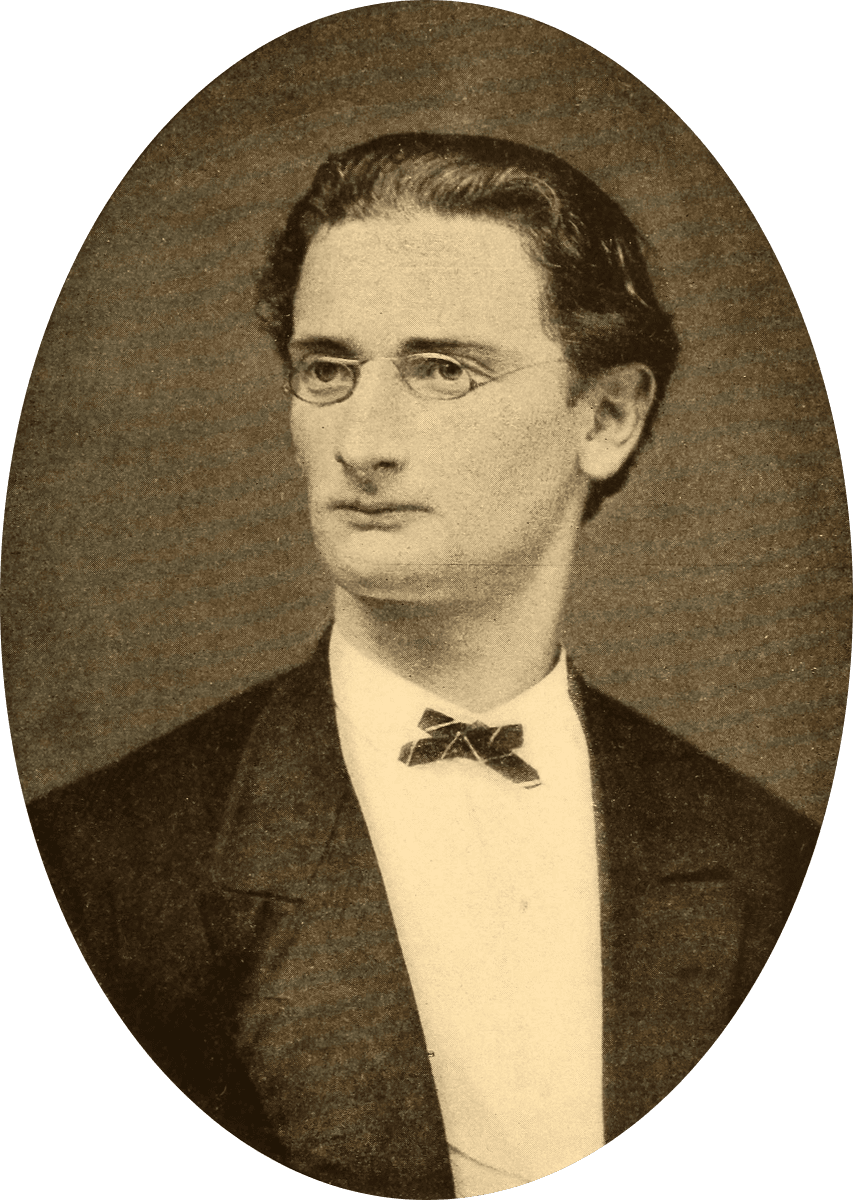
Pulitzer’s path into journalism emerged through self-education, persistence, and a keen eye for detail. Shortly after arriving in America, he reportedly wrote an account describing how labor recruiters had deceived and exploited him. The piece attracted attention at the Westliche Post, a prominent, widely read German-language newspaper in St. Louis, helping open the door to newspaper work.
Pulitzer quickly demonstrated a remarkable talent for reporting, editing, and identifying stories that resonated with readers. More importantly, he recognized that newspapers could reach broad audiences by combining vigorous reporting with compelling storytelling and a strong editorial voice.


Journalism also provided Pulitzer with a pathway into public life. As a reporter, he covered political meetings and public affairs, developing a firsthand understanding of government and civic institutions. His youthful enthusiasm, reform-minded views, and energetic campaigning earned him support that surprised many veteran politicians. In 1869, at just 22 years old, he won election to the Missouri legislature as a Republican. The experience deepened his understanding of public affairs and reinforced his belief that newspapers could serve as powerful instruments of civic engagement.
In 1878, Pulitzer acquired the St. Louis Dispatch at auction and merged it with the St. Louis Post, creating the St. Louis Post-Dispatch. The newspaper reflected many of the principles that would define his career. He championed investigations into corruption, exposed abuses of power, and argued that newspapers should advocate for the public interest. His publications often challenged political machines and powerful interests, earning both admiration and criticism.
Pulitzer’s greatest success came after he purchased the New York World in 1883. At the time, the newspaper struggled financially. Under his leadership, circulation soared. He expanded coverage of politics, crime, business, human interest stories, and social issues. He invested heavily in talented reporters and editors and introduced innovations that helped transform the modern newspaper industry.

The World became one of the most widely read newspapers in the nation. Pulitzer embraced illustrations, eye-catching headlines, and investigative reporting at a scale few publishers had attempted.
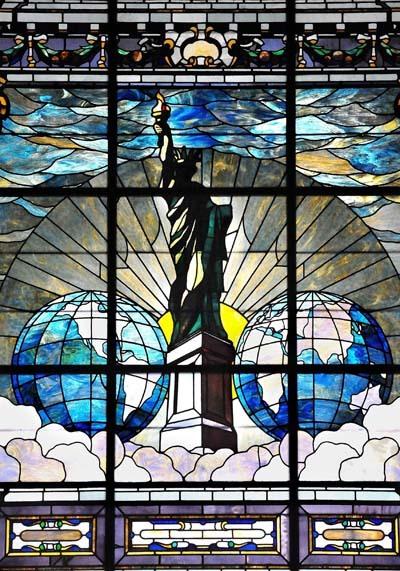
Among Pulitzer’s most celebrated achievements was his support for public causes. In 1885, when fundraising for the pedestal of the Statue of Liberty stalled, his newspaper launched a campaign encouraging ordinary Americans to contribute. An estimated 160,000 contributors responded, many sending only a few cents or a dollar. The campaign revealed Pulitzer’s instinct for rallying ordinary citizens around a common goal and his belief that public projects should not depend solely on wealthy benefactors. The completed monument would become one of the nation’s most enduring symbols of freedom and opportunity.
Success came with personal costs. Pulitzer suffered from serious health problems later in life, including declining eyesight and extreme sensitivity to noise. Even as his physical condition worsened, however, he remained deeply engaged with journalism. He continued to correspond with editors and model editorial policy, often from secluded environments designed to accommodate his health challenges.
Perhaps the most enduring chapter of Pulitzer’s influence emerged from his vision for the future of journalism. He maintained that reporting should be treated as a profession requiring rigorous education, discipline, and public responsibility. In his will, he provided funding that ultimately helped establish Columbia University’s School of Journalism, which opened shortly after his death, and he created a framework for awards recognizing excellence in journalism and letters.
Following his death aboard his yacht in Charleston Harbor, South Carolina, on Oct. 29, 1911, his plans gradually came to fruition. In 1917, the first Pulitzer Prizes were awarded. Over the decades, the prizes have become among the most respected honors in American cultural and intellectual life. Journalists, authors, historians, playwrights, poets, and composers have all been recognized under the framework Pulitzer envisioned.
For many Americans, Pulitzer is remembered through the prize that bears his name, yet the award exists because of the ambitions of an immigrant publisher who believed newspapers could strengthen public life. Indeed, while technology and media have changed dramatically since his era, his commitment to informed citizenship and journalistic excellence continues to resonate. The institution that carries his name remains a lasting reminder of what one ambitious newcomer to America was able to achieve.