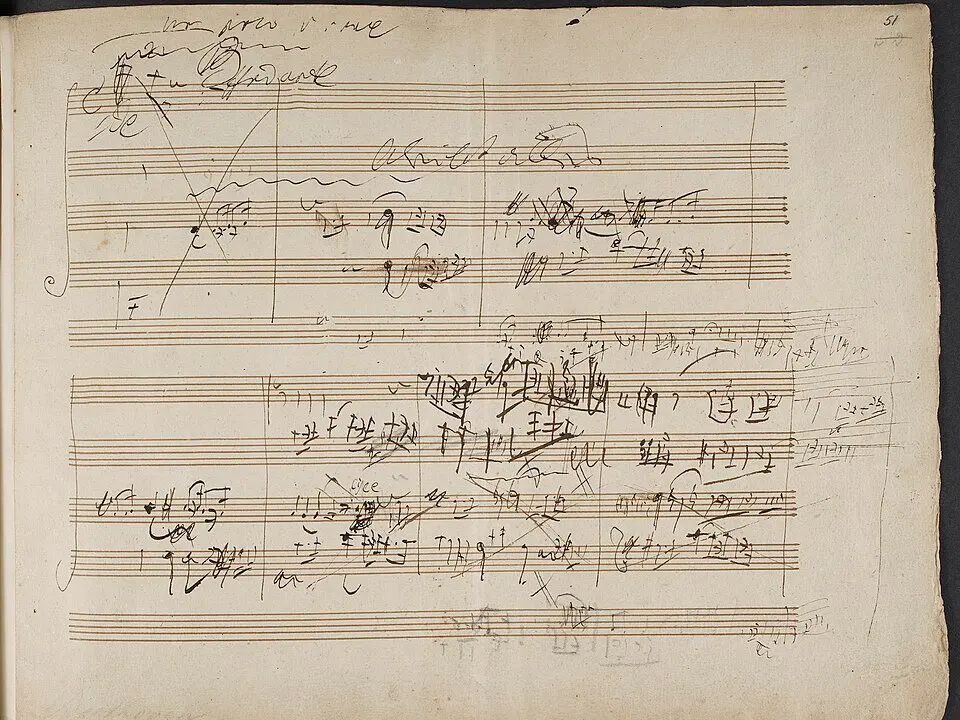
The idea of “fate” in music has deep roots. From Beethoven’s famous Symphony No. 5, whose opening motif is often described as “fate knocking at the door,” to the “idée fixe” of Hector Berlioz’s “Symphonie fantastique,” the concept of destiny has long shaped the musical imagination.
Symphony No. 4 in F Minor by Pyotr Ilyich Tchaikovsky is one in a long tradition of Romantic works exploring the idea of fate. The opening fanfare is strikingly memorable, described by the composer as the “seed of the whole symphony.” In a letter to his patron, Nadezhda von Meck, he wrote: “This is Fate: This is that fateful force which prevents the impulse to happiness from attaining its goal. ... It is an invincible force that can never be overcome—merely endured, hopelessly.” Despair and the struggle against fate are ultimately resolved in the final movement, a dynamic and fiery catharsis.