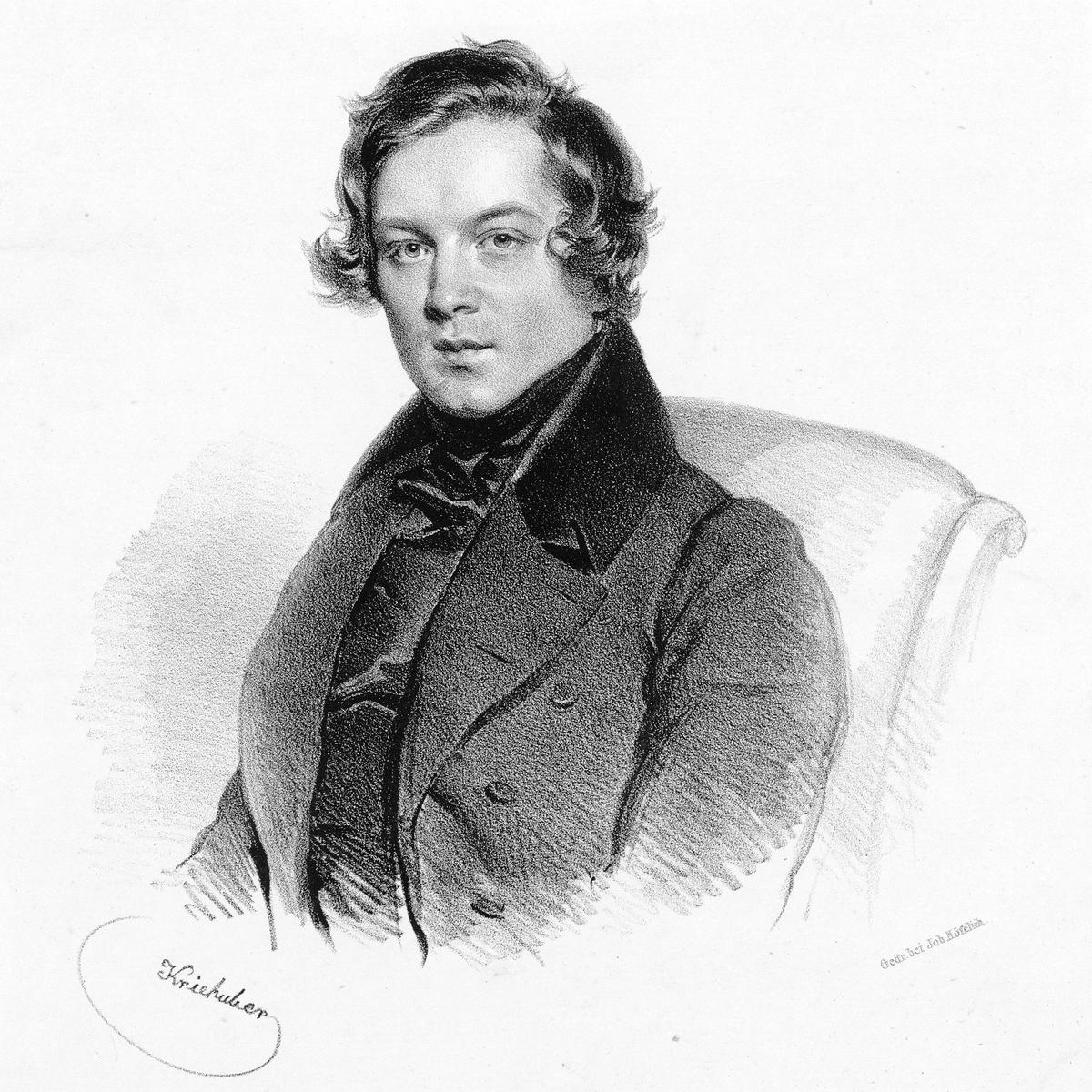
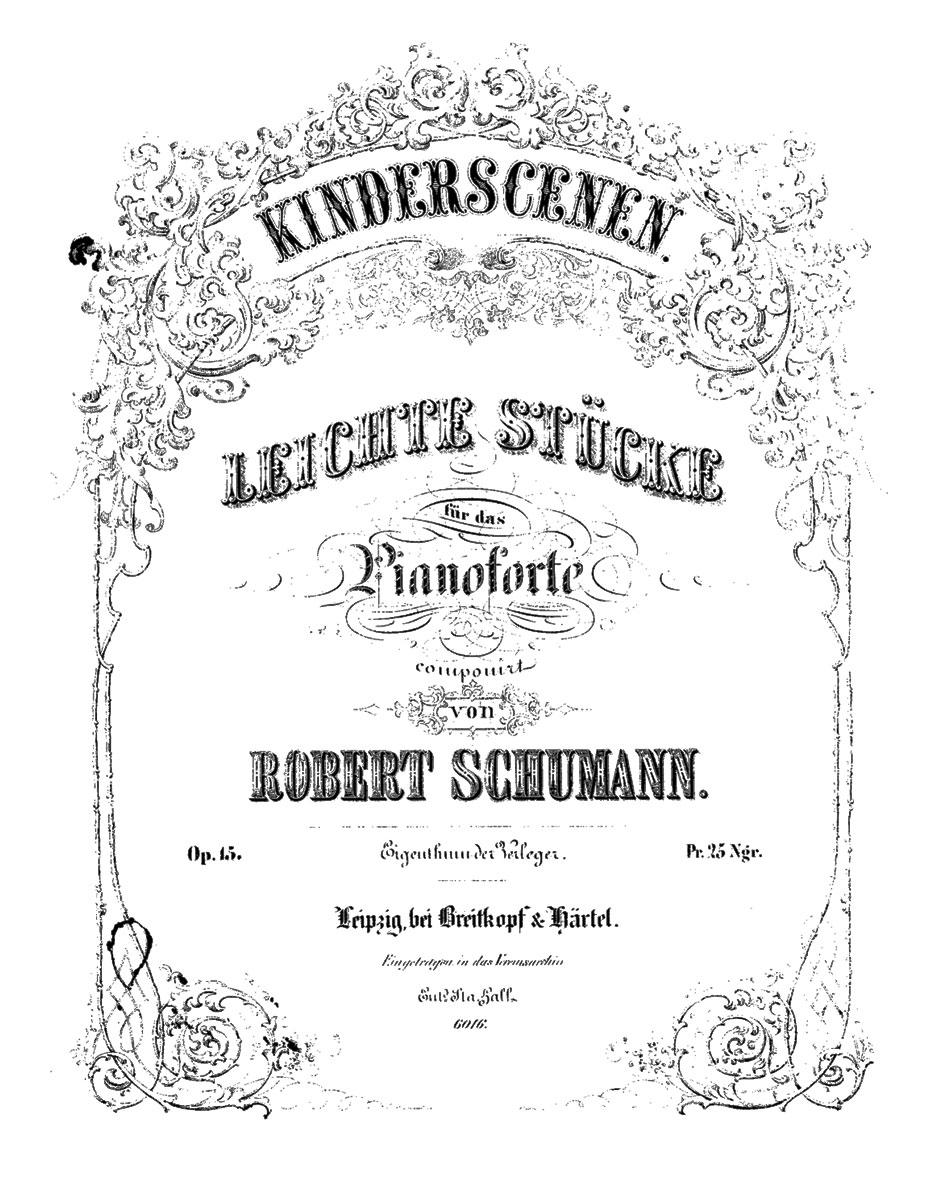
This is “Träumerei” (“Daydreaming”), by the 19th-century German composer Robert Schumann (1810–1856). It’s the seventh short piano piece in a set of 13 short piano pieces that he called “Kinderszenen,” which translates as “Scenes From Childhood.” Today Schumann’s best-known single work, it was at the time part of an effort to recover from a financial shortfall and marry the love of his life, Clara Wieck.
Schumann was 28 in 1838. All his life, he composed for the piano. As he grew in his comprehension of the piano’s possibilities, his compositions grew more complex and demanding, to the point that they found little audience and sold poorly. A change to simpler musical language was demanded if he was to fund a lawsuit against Clara’s father, who refused to let the couple marry.
Clara was fond of saying that Robert was “like a child” in many ways. The composer took this as a spark to light his Opus 15—his 15th published work—the “Scenes From Childhood.” The titles were things like “Blind Man’s Bluff,” “The Knight of the Hobbyhorse,” “A Child Falling Asleep,” and of course, “Daydreaming.” These weren’t intended to be played by children, but by adults in pursuit of childhood memories.
Nonetheless, their technical level prompted Schumann to first label them “Easy Pieces,” a description he later dropped. The set sold well and helped put the composer back on the road to solvency.
‘Easy’ But Moving
The 13 numbers of “Kinderszenen” may be relatively easy in a technical sense, but their expressive content demands sensitivity of touch and a deep understanding of musical phrasing. Most major concert pianists of the last 100 years have made them part of their repertoire, most famously, Vladimir Horowitz.
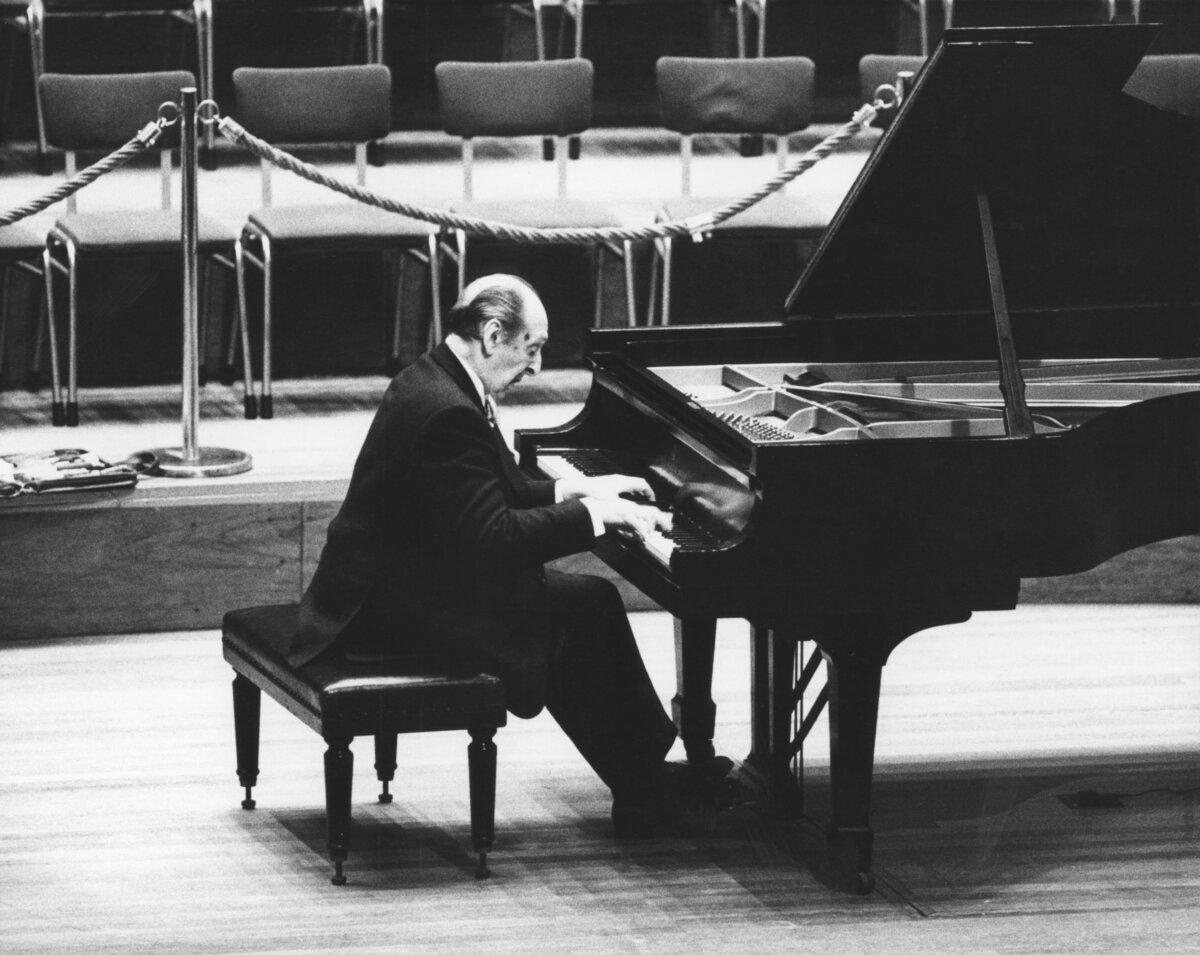
Horowitz’s technical mastery was majestic—his performance of the massively difficult Sonata No. 2 by Rachmaninoff is legend—and yet he chose to play “Träumerei” on two important occasions late in his career: at his White House performance for President Jimmy Carter in 1978 and as an encore to his emotional return to Moscow in 1986.
“Träumerei” is in F major, in common time, and marked “Moderato.” The first four measures present a simple theme of yearning via a sustained note followed by wistfully climbing notes, followed by a gentle descent. This is answered by four measures that take the theme in a slightly different harmonic direction. This is the typical shape of many melodies.
In the recording above by pianist Tim Ko, the entire first eight measures repeat. There follows what in pop music would be called the “bridge,” a contrasting set of measures that lead back to a repeat of the first theme, and a simple satisfying conclusion.