It’s the summer of 1934. The world is in turmoil, plagued by economic depression and the rise of political tyrannies. But in a house on Lake Lucerne, Switzerland, one of the last great pieces of Romantic music is taking shape.
The occupant of the house, Sergei Rachmaninoff, is a hopelessly out-of-date composer. The Russian-born expat pens scores in the fashion of his idol, Tchaikovsky, surrounded by a musical world that has long since moved on to more stringent and percussive works.
What Rachmaninoff now conceives is a set of variations for piano and orchestra on a century-old theme by legendary Italian violin virtuoso, Niccolò Paganini (1782–1840). Paganini’s 24th Caprice had long been revered as the perfect subject for variations. The original contains its own set of variations.
Its simple structure and dynamic gestures allowed many composers to alter and embroider it without losing the original’s recognizable outline. Prior to Rachmaninoff, the most important set of variations on the 24th Caprice came from Johannes Brahms, who wrote a set of “28 Variations of a Theme of Paganini” for solo piano.
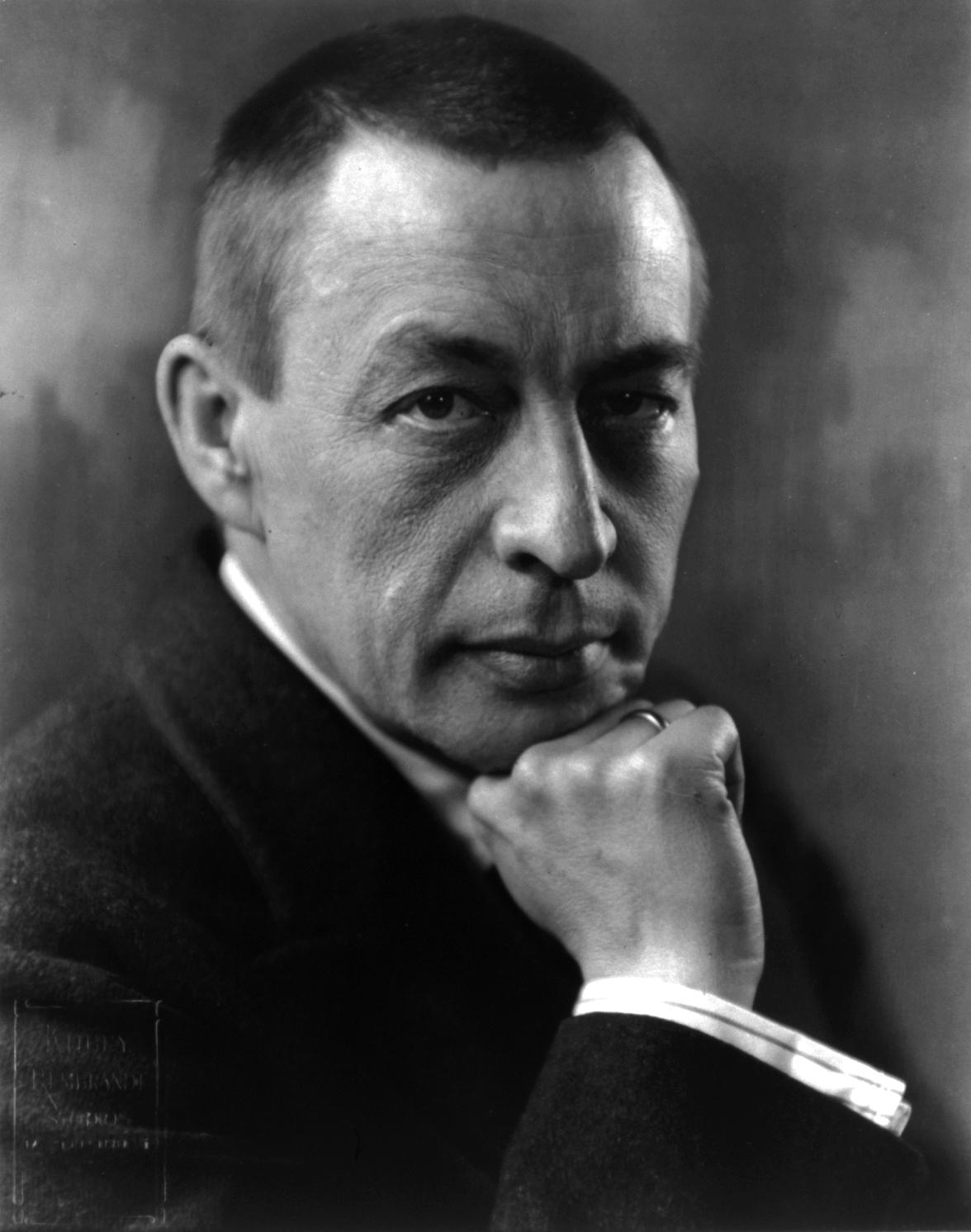
Sergei Rachmaninoff (1873–1943) in 1921. Public Domain
In his house on Lake Lucerne, Rachmaninoff managed an additional 24 variations for piano with orchestra, forming what he called his “Rhapsody on a Theme of Paganini,” Op. 43. He composed the “Rhapsody” in July and August of 1934, premiering it that November in Baltimore. He played piano alongside the Philadelphia Orchestra, which was conducted by Leopold Stokowski. Rachmaninoff’s “Rhapsody on a Theme of Paganini” entered the mainstream repertoire instantly and remains there today.
After an orchestral introduction, the Paganini theme is stated. The first 17 variations are by turns sprightly, striding, meditative, atmospheric, racing, whimsical, and more. And then, there is the 18th variation.
The 18th Variation
The 18th variation is one of the most startling melodies ever conceived. By startling, I mean surprising in the way that coming upon a majestic canyon after hiking through a thick forest is startling. The beauty is overwhelming. To anyone who loves music, that’s evident.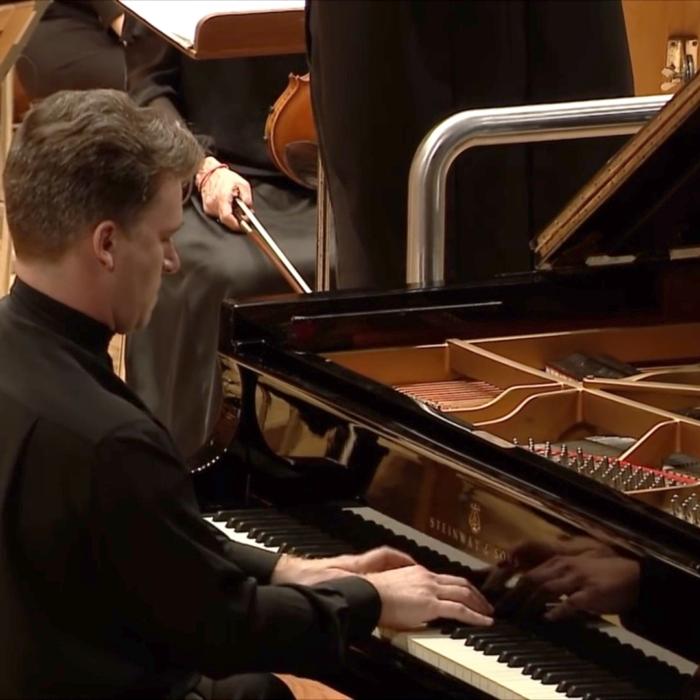
Only, where does this astonishing melody come from? Writing a variation on a theme has only one rule: The variation must derive from the theme. It can’t just appear out of blue sky. At first hearing, the 18th variation seems unrelated to Paganini’s tune. Whereas the theme in all the previous variations was discernible, it simply doesn’t show itself here. It’s easy to assume that Rachmaninoff decided to compose one of his typically soaring, songlike melodies to offset the parade of recognizable variants. (Listen here)
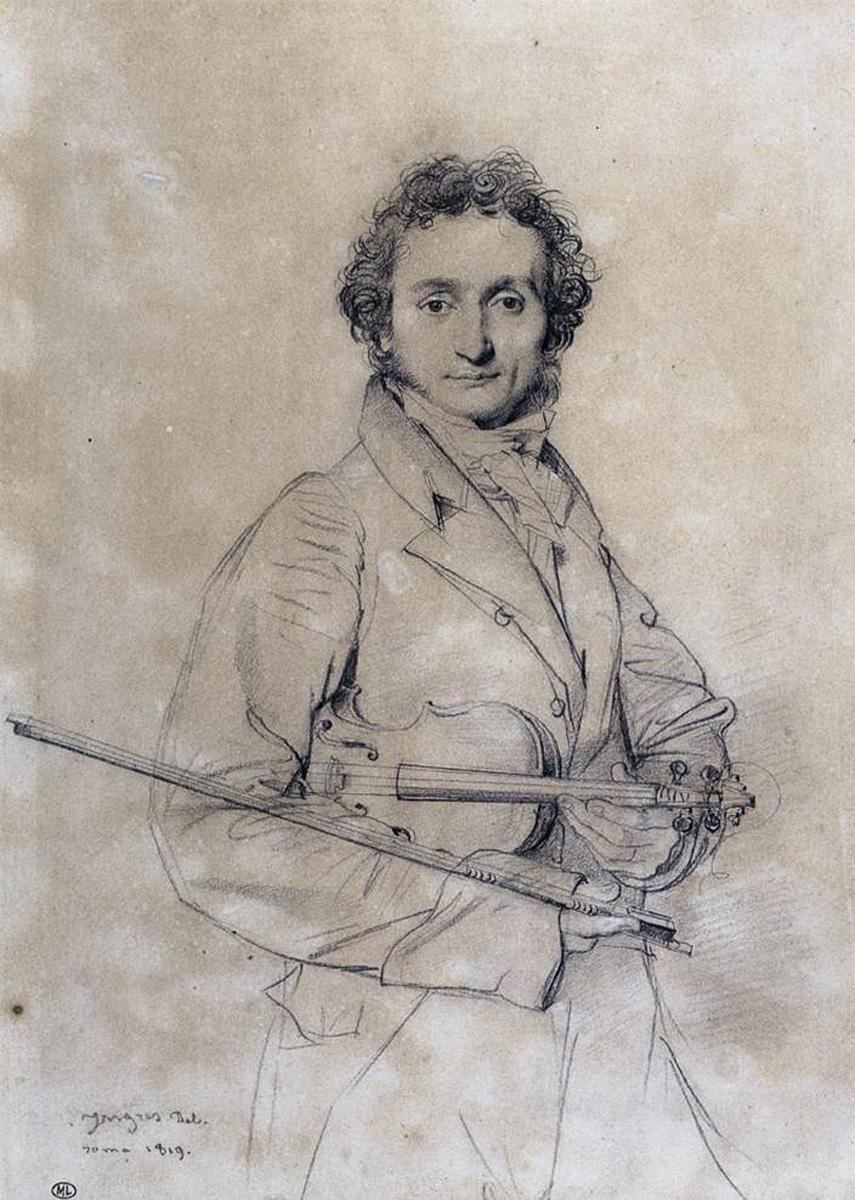
A portrait of Niccolò Paganini, 1819, by Jean-Auguste-Dominique Ingres. Public Domain
But not so fast. Listen to the Paganini theme, noting its contour—when it goes up, when it goes down, and so on. Now try to imagine what it might sound like going up where it goes down and down where it goes up. Then change from the original’s minor key to a major key. In brief, that’s what Rachmaninoff did to obtain his famous 18th variation: Turn it upside down and put it in a major key. He took things from there, but that was the variation’s genesis. If you feel that you don’t want the 18th variation to end, you’re not alone.
Rachmaninoff composed some of the last works to become part of Western art music’s symphonic canon. The number of new pieces entering the repertoire has steadily dwindled over the decades. I know of none from the present century.
Rachmaninoff lived in a time of economic chaos and political upheaval not unlike our own. He ignored the darkness around him and composed a piece that spills over with light and love. We could use his like today.
What arts and culture topics would you like us to cover? Please email ideas or feedback to [email protected]