J.S. Bach didn’t write the Bach chorales. Well, not by himself. Chorales are Lutheran hymn tunes, and the “Bach chorales” are harmonizations and arrangements of them. There are hundreds. As a church musician at St. Thomas Church, Leipzig from 1723 until his death in 1750, Bach was required to provide new compositions every Sunday. The repertoire of pre-composed chorale tunes came in very handy.
As was typical of Bach, he turned the ordinary into the amazing. Even his simplest four-part harmony settings of the chorales stand as the final word in their respective arrangements. Bach also included chorale settings in his cantatas, weekly works for choir, vocal soloists and instruments written for specific liturgical purposes.
‘Jesu, Joy of Man’s Desiring’
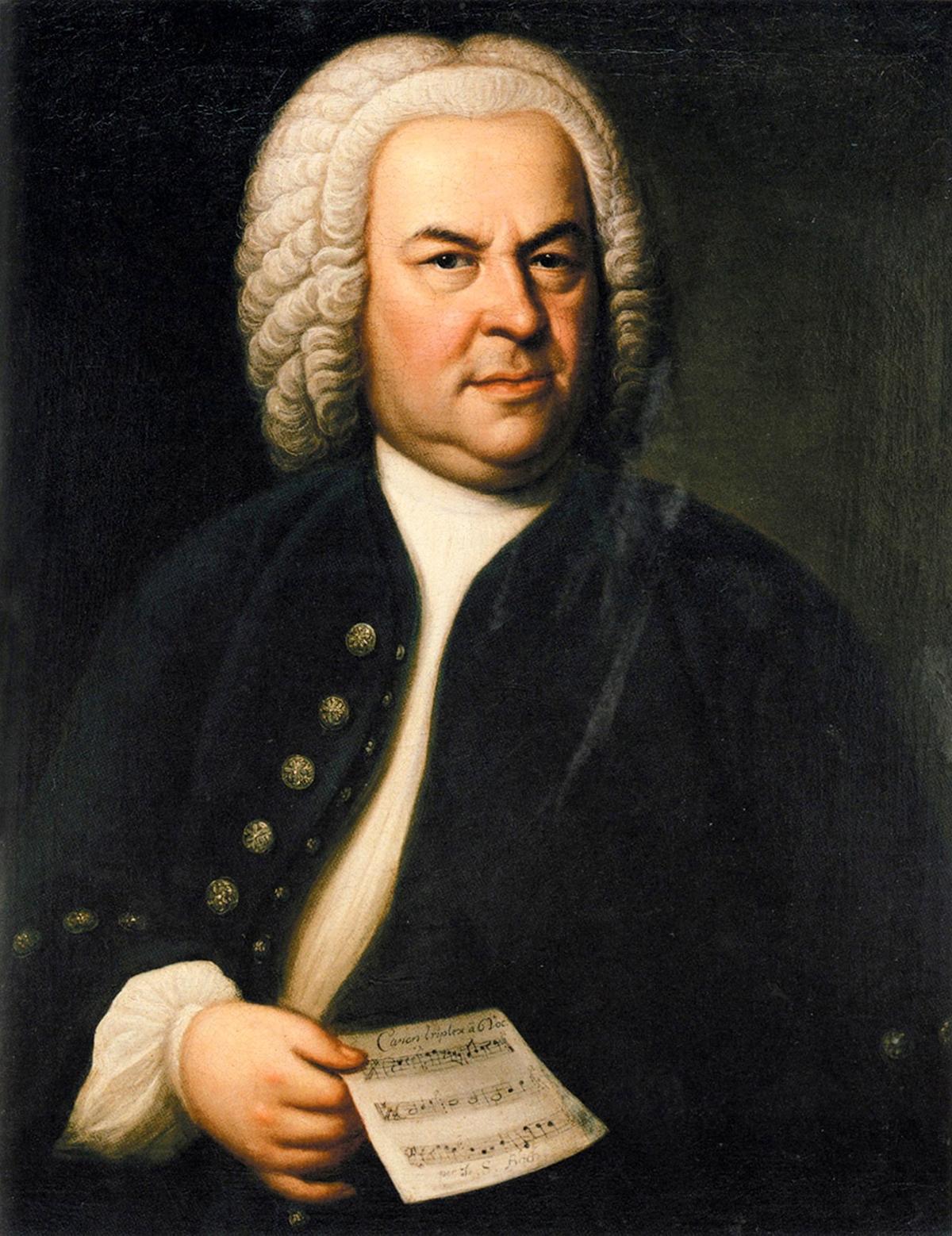
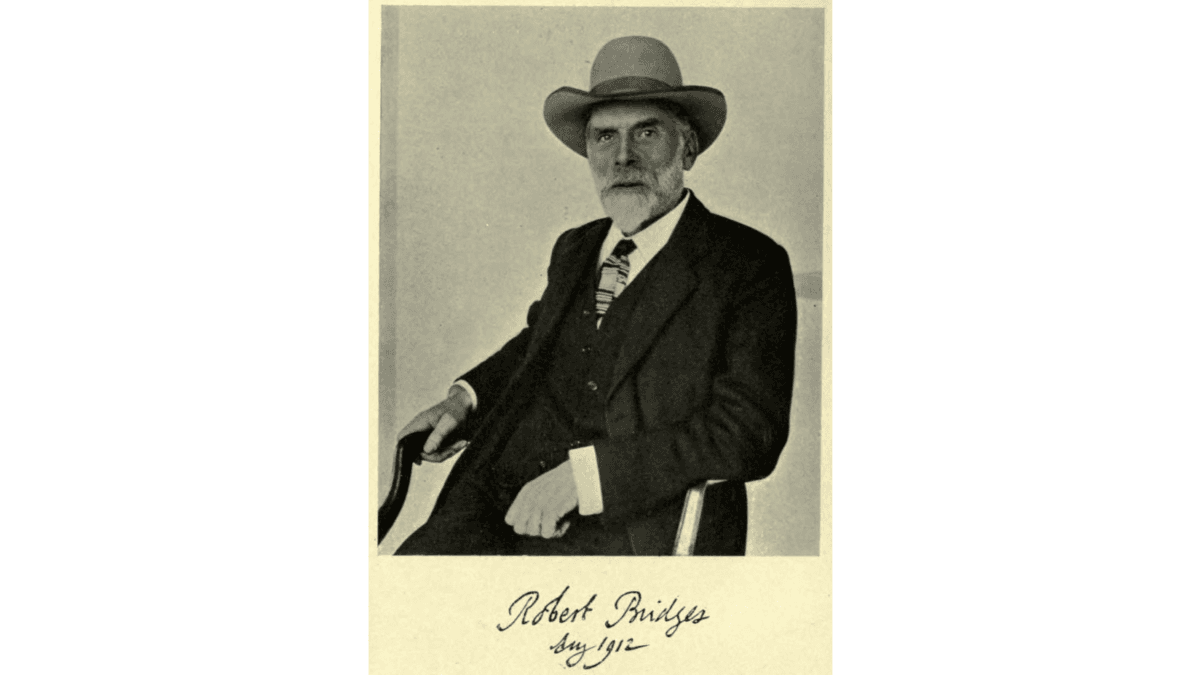
Shortly after he arrived in Leipzig in May of 1723, Bach was required to write a cantata for the July 2 Feast of the Visitation of the Blessed Virgin. His answer was “Herz und Mund und Tat und Leben” (“Heart and Mouth and Deed and Life”), later catalogued as BWV 147.The original German words of the chorale were written by Martin Janus and the tune was composed by Johann Schop. The English translation is by Robert Bridges (1844–1930), British Poet Laureate from 1913 to 1930. Many hands contributed to the final product, yet without Bach’s setting, it’s doubtful that the chorale would be well known.
In the choral-orchestral performance, brass and woodwinds present the chorale harmonies at the start, followed at 0:39 by the strings with the triplet-figure melody. The chorale setting and the triplets-melody continue to alternate or combine throughout the length of the piece, creating a magical mosaic.
It’s in this form that the work is today most widely known. Hess’s arrangement manages to catch, in the 10 fingers of the solo pianist, both the rich textures of the chorale’s harmonies and the legato sweep of the neverending melody. It demands a pianist of extraordinary rhythmic discipline and control of articulation.