How is it possible to depict chaos in music? Franz Joseph Haydn had an answer.
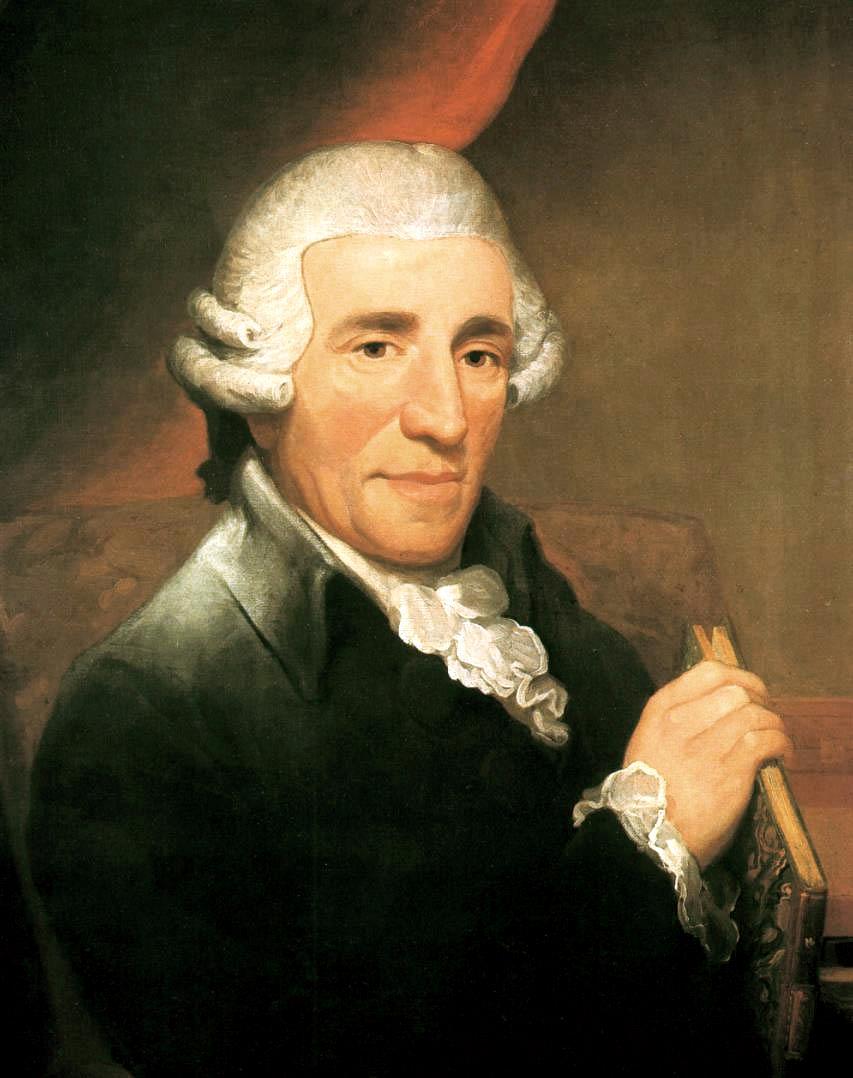
Haydn (1732–1809) is The Grand Old Man of classical music, a composer whose career spanned the fading glory of the baroque to the peak of rococo wit to the early urgings of Romanticism. Between 1759 and 1795, Haydn authored more than 100 symphonies, earning him the moniker “father of the symphony.” Friend to Mozart and teacher of Beethoven, Haydn is the central figure in the period of art music properly called Classical (1750–1820).
Prior to the 18th century, instruments were able to play in only one key without adjustment. A horn in F could only play in F, so when a composer wrote in E-flat, an E-flat horn was required. Even strings, which could play all the notes, needed to adjust pitch a bit when playing in different keys, because in those days, frequency varied slightly from one key to the next. For instance, the note “D” in D Major wasn’t the same as the “D” in C Major or A minor.
Only with the advent of the well-tempered scale in the mid-18th century did pitch become uniform among all keys. Though it’s hard for us to understand now, this was a revolution. Suddenly, a “D” was a “D” was a “D.” It was now possible to change keys effortlessly. Harmony was free to roam where it had never gone before.
Chaos Itself
In the first eight minutes of his oratorio, “The Creation,” Haydn exploited this possibility, going so far afield harmonically that he called the result “Chaos.” The opening of “The Creation” consists of harmonic changes so abrupt and outright discordant that, to audiences at its premiere in 1799, it resembled the chaos that proceeded the creation of the universe by God.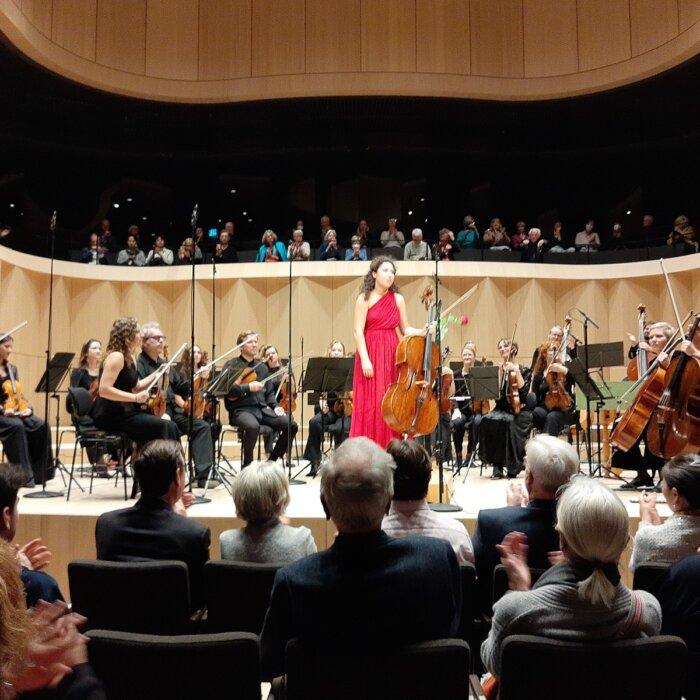

Unfortunately, we don’t hear those dissonances the way Haydn’s audiences did. In 200-plus years of music-making since then, every possible harmonic avenue has been trod countless times over. The result is that we hear in a typical movie soundtrack far more dissonances than in Haydn’s “Chaos,” yet they slide past us, unnoticed.
Dust off those weary sonic expectations and travel back to 1799 for the premiere of Haydn’s crowning masterpiece, “The Creation.”
The opening C, played by an orchestra unusually large for the time, seems full of promise. But what happens next takes us far from the key of C Major or minor, and from there into piled notes of surprising discord.
The most notable dissonant spikes include moments at 0:49, 1:30, 2:14, 3:52, and 4:11 followed by 4:17 and 4:22. Eventually, a baritone singer enters to tell us: “In the beginning God created the Heaven and the earth,” and so on. Then a choir emerges out of nowhere to sing: “And God said: Let there be Light, and there was LIGHT.”
On the word “Light” (at 7:52), Haydn fixes the brightest, boldest C Major outburst imaginable, dispelling the chaos that has gone before. “Chaos” stands as one of the greatest instances of tone-painting ever composed.