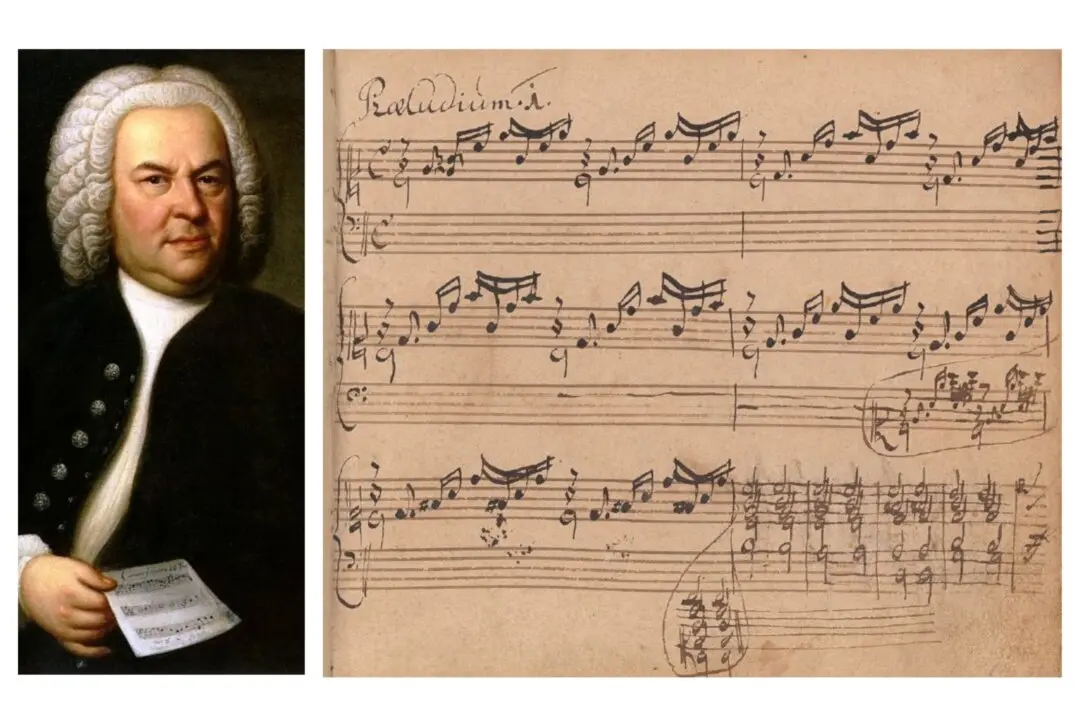
Musical forms, that is, types of compositions, are a mere template for artists to fill with creative content. It’s a starting point that gives the composer limits to both work in and transcend. The fugue, for example, started out as a form in which the answering voice—the second melody that imitates the first—was always at a certain pitch (the perfect fifth) above the original key. But Bach pushed back against that rule. By the time Beethoven came along, his idea of “fugue” was almost unrecognizable. The same goes for the sonata form, which underwent a major transformation from its earliest to its latest iterations.
The mazurka is a short dance form that has been employed by many composers but is most closely associated with Frederic Chopin (1810–1849), who composed more than 50. The mazurka is a Polish dance distinguished by its rhythm. In three-four time, like the waltz, it’s nonetheless very un-waltz like because it emphasizes the measure’s second or third beat instead of the first. The waltz is ONE-two-three, while the mazurka is one-TWO-three.