When considering musical masterpieces, it’s tempting to think that composers know full well that they are in fact composing masterpieces. Perhaps this happens from time to time, but it’s more common for a composer to have no conception of his music’s worth.
Case in point: Ludwig van Beethoven’s “Fur Elise,” today arguably the single most popular solo piano composition on the planet. Beethoven wrote it in 1810, then put it in a drawer. He was, at that moment, the Western world’s best-known composer and could easily have arranged for the piece’s publication, but he let it languish, apparently dismissing it as a trifle. Decades after Beethoven’s death, the manuscript of “Fur Elise” was discovered and the work began its climb to No. 1 on the piano hit parade. Other examples exist, none owing so much to chance as that of the piano piece, “To a Wild Rose.”
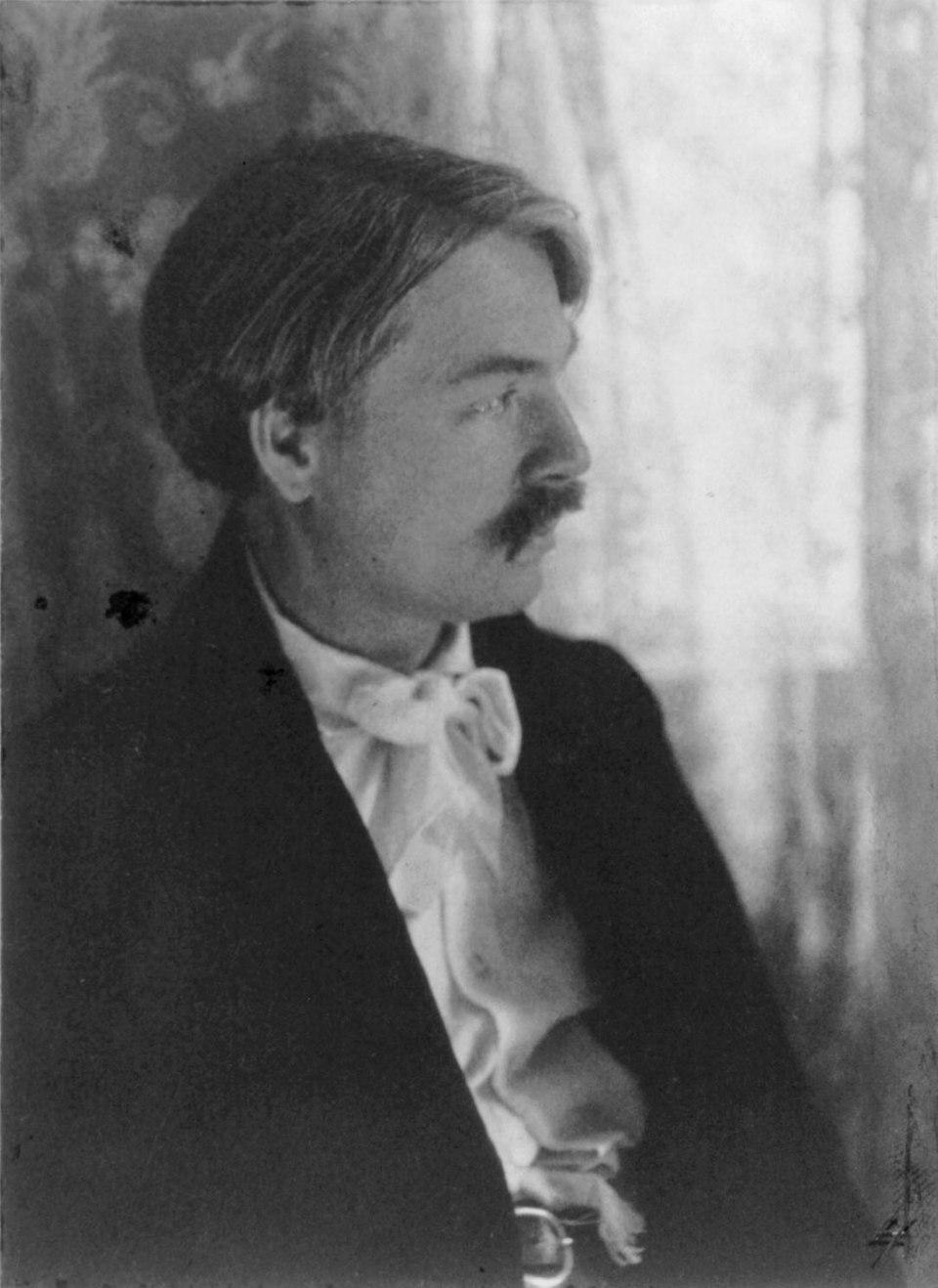
The Story of ‘To a Wild Rose’
In 1896, composer-pianist Edward McDowell and his wife Marian were summering at their home in Peterborough, New Hampshire. McDowell (1860–1908), a prominent American pianist and composer, had just been tapped by Columbia University to establish Columbia’s new music department, so these were his final days of relative freedom before taking the bureaucratic plunge.It was the composer’s habit to sketch a few measures over breakfast to get the creative juices flowing, then discard the sketch on his way out the door to the adjacent cabin, where he did his composing. One morning that summer, he tossed his breakfast-time sketch in the direction of the fireplace as he left for the day. Chance event No. 1: He missed.
Marian, seeing the discarded paper on the floor, picked it up with the intention of completing her husband’s trajectory. Chance event No. 2: For a reason she never explained or for no reason at all, she decided instead to open the crumpled ball of paper and have a look.
Final chance event: Marian recognized at once that the sketch had potential. It’s not clear how much of what is now known as the brief piano piece, “To a Wild Rose,” was contained in the sketch, but one assumes that it contained at least the first eight measures (the first 10 seconds of the recording), an unfolding phrase that contains the seed of the remainder.

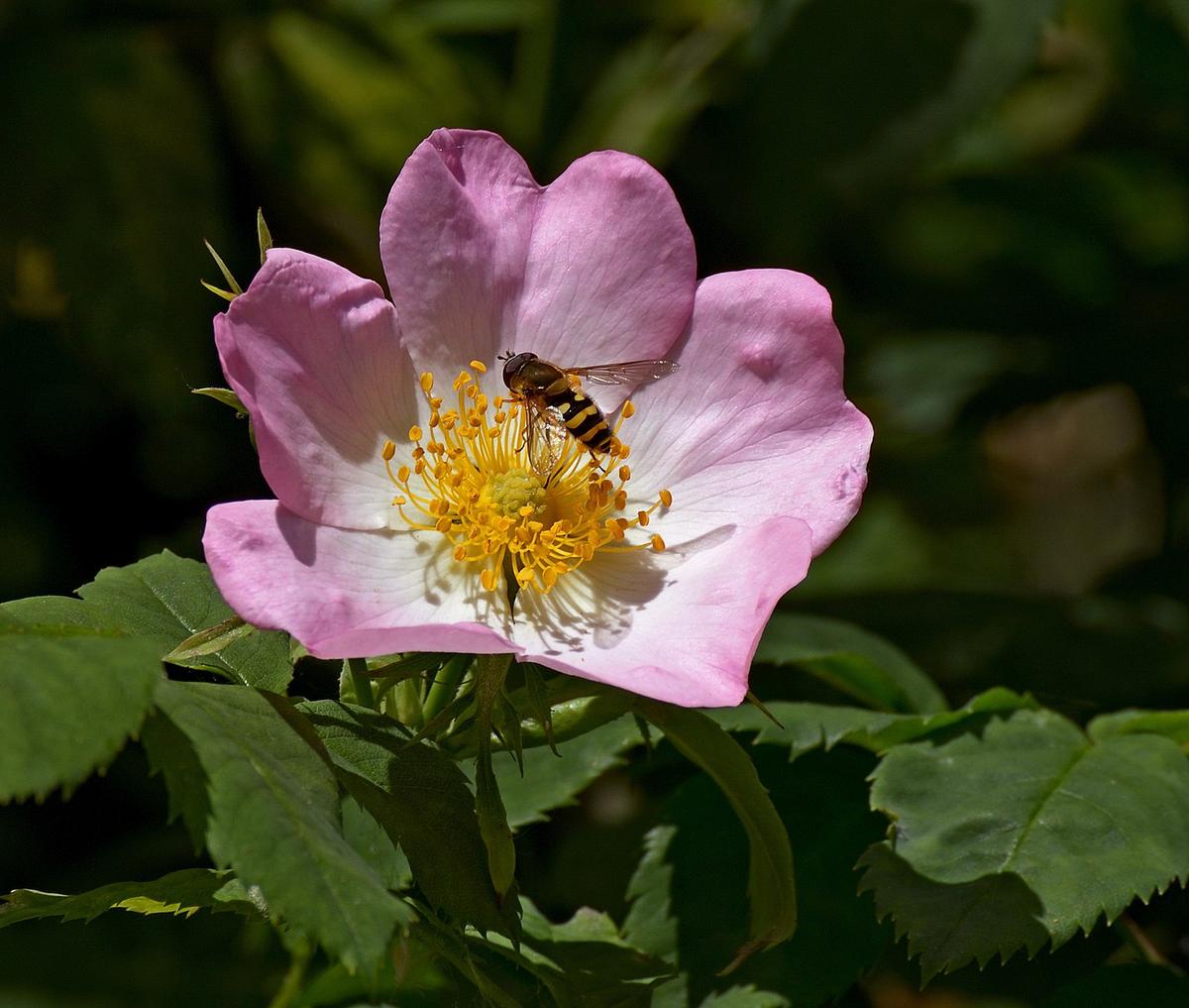
It isn’t a virtuosic composition. Any competent intermediate piano student can play it. An exceptional pianist will bring sensitivity to the gently shifting harmonies beneath the simple melody and will shape the whole to reach a climax like the opening of a rosebud at the proper place. Listen from 0:47 to 1:16 for this effect.
“To a Wild Rose” hasn’t lost its popularity among students and is frequently played as an encore by professional pianists. Jazz musicians over the years have found the melody irresistible; see treatments by singer-pianist Nat King Cole and saxophonist Sonny Rollins.