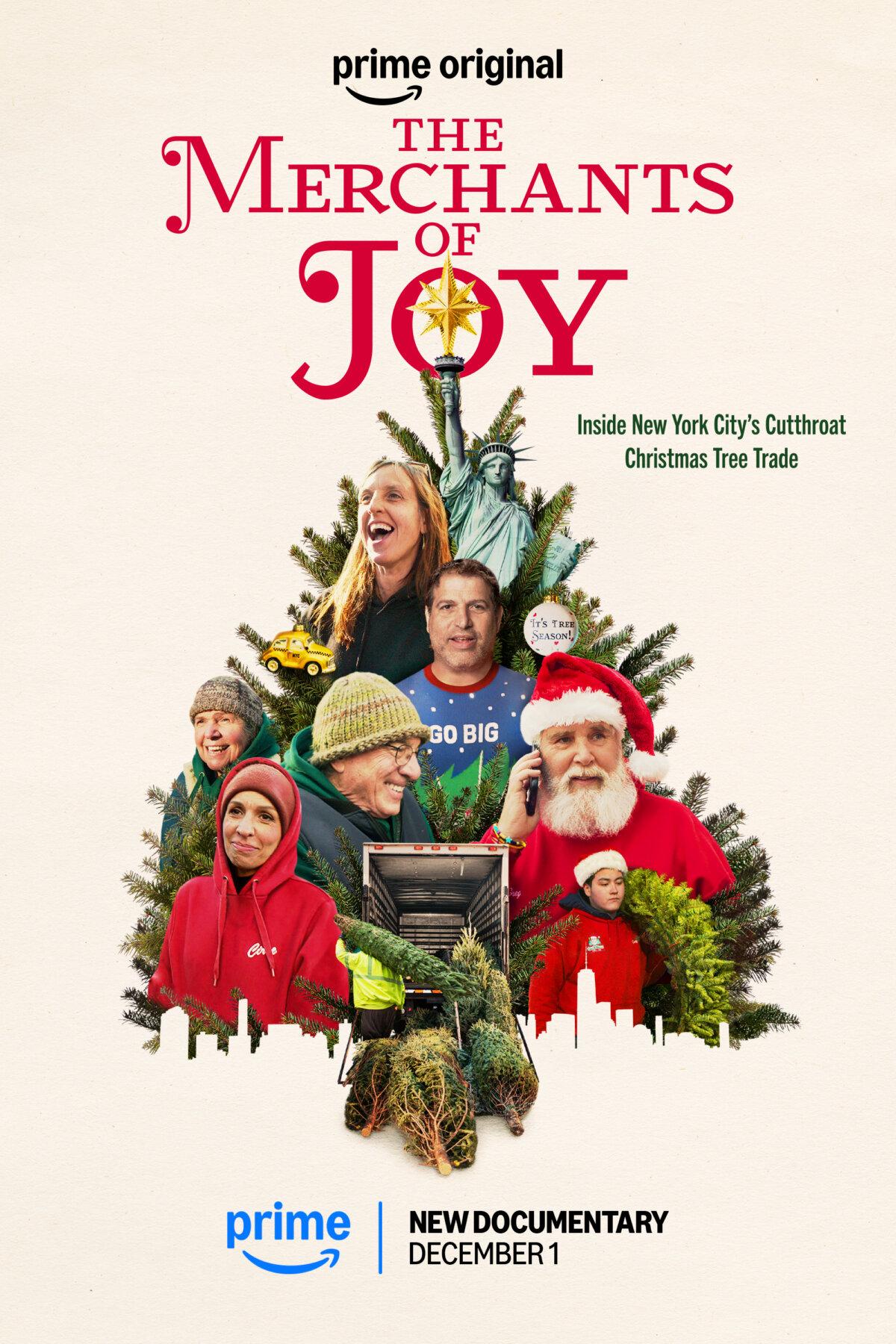
Do you buy your Christmas trees in New York? Chances are you’re buying from one of five families running the city’s Christmas tree trade, some of them for nearly half a century. This documentary studies the trunk and branches of a business that brightens thousands of homes each winter.
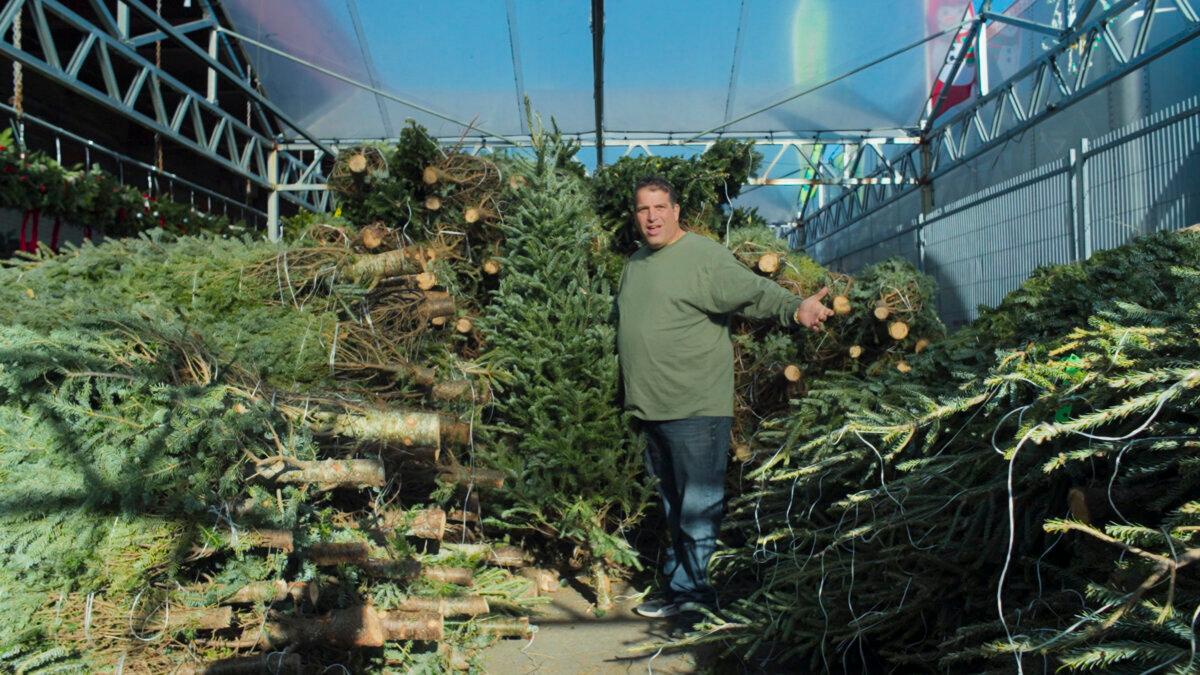
‘Tree Fever!’
To producer-director Celia Aniskovich, her film is “a love letter” to those who make New York’s Christmas so magical every year. She starts with a glorious aerial shot of Christmas trees. These are not artificial ones that end up in landfills, harming the environment and worsening climate.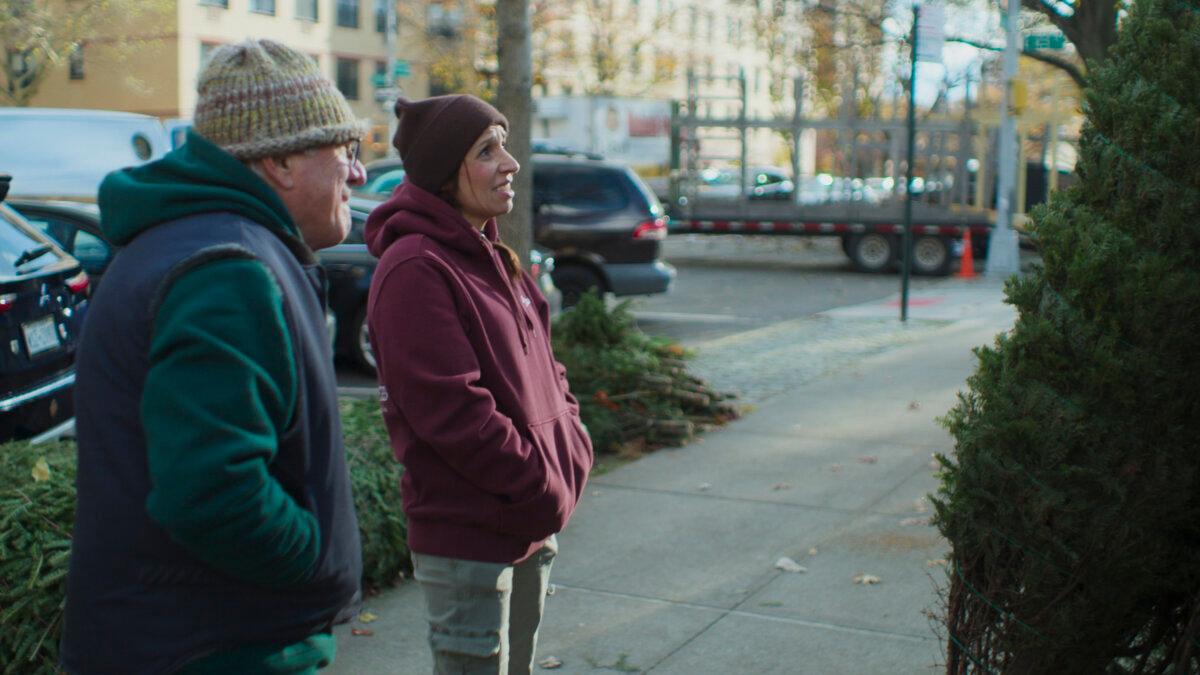
They are natural trees that grow on America’s sprawling farms and protect the environment. Of growers and traders, Ciree clarifies that each time they cut one tree they’re planting five to 10 more.
Aniskovich tempers snapshots of the families with snippets about the lives of truckers, packers, movers-loaders, and stand managers. The entrepreneurs admit that these are their foot soldiers who keep the trade afloat. They are on their feet in the middle of winter, 12 hours a day and 30 to 40 days at a stretch, until tree season’s over.

New York, New York!
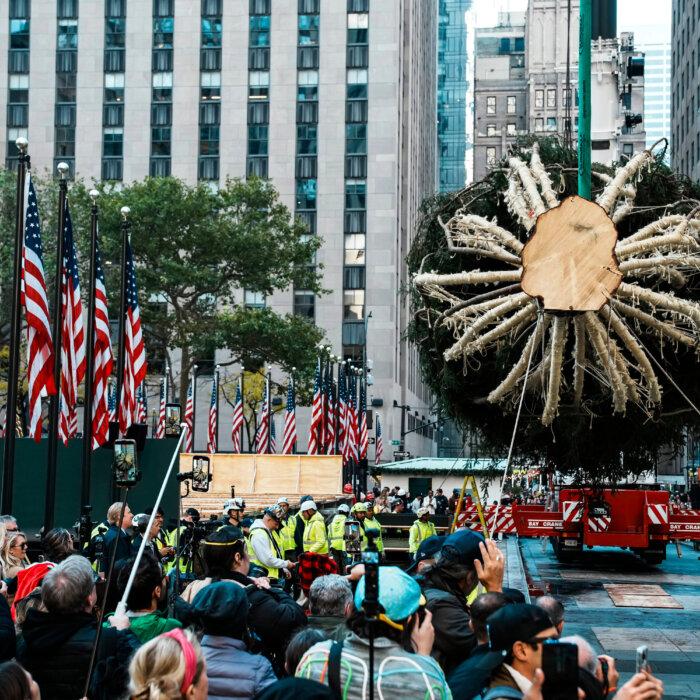
Through quick-fire imagery, cinematographer Carrie Cheek and editors Brett Banks and Samuel Kun leverage Jackson Greenberg’s score to bring alive New York’s breathless energy, its velocity and speed. This is topped off by Audra Miller’s gorgeous, throaty vocals, central to First to Eleven’s high-octane rendering of “Rockin’ Around the Christmas Tree.”With each tree taking up to around seven years to mature, the stakes for traders are higher than their tallest trees, and the competition is pricklier than their pine needles.
In business for nearly 40 years, Walsh confesses that it’s a scary business. He says it takes over half a million dollars just to break even. Ciree, whose parents have traded for over 50 years, admits that her parents must make four times what they pay growers for profits to accrue after overheads. That demands more than street hustle.
An entire year’s work goes boom or bust depending on what happens every December. Traders can’t predict if regular or potential buyers will suddenly get away for the holidays, or if rain or snow will wash out a crucial fortnight. Neville muses that many families moved out of New York City because they could work remotely post-COVID-19; others moved because of prohibitive rents.
Connections
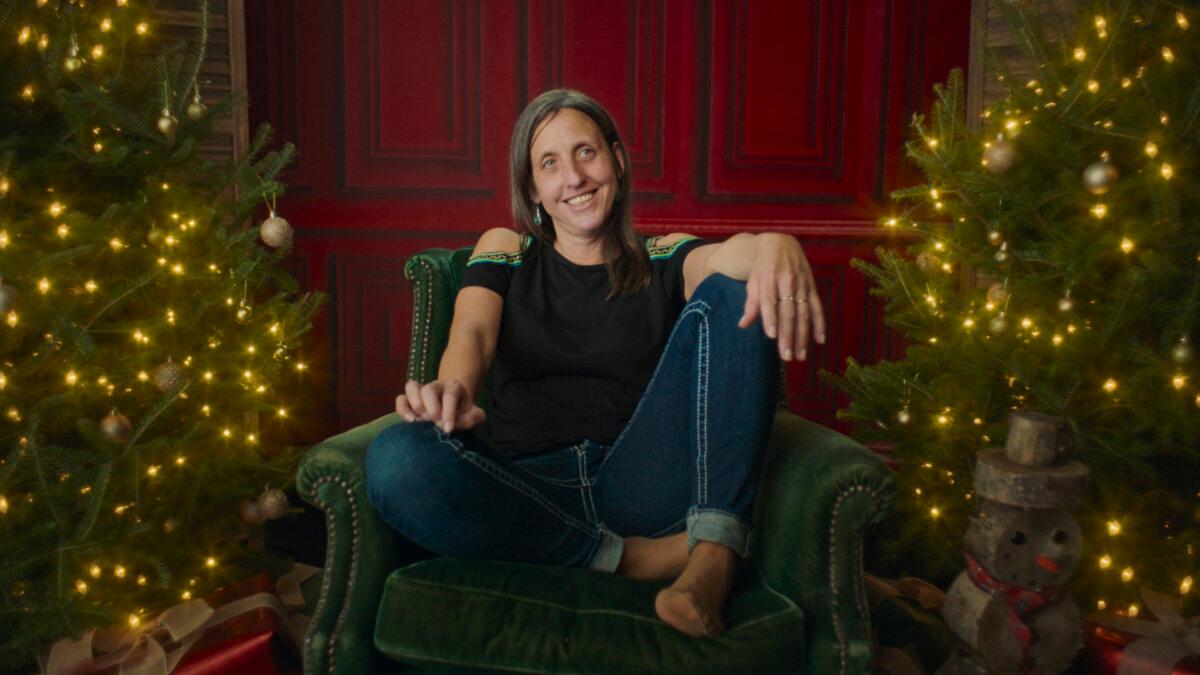
Their fates are intertwined. Smith cut his teeth working as a young man for Walsh, and Neville worked as a young woman for Smith, before both struck out on their own. Ciree supplies all the families with the largest trees. Unsurprisingly, they remind themselves that Christmas is about more than trees and trinkets.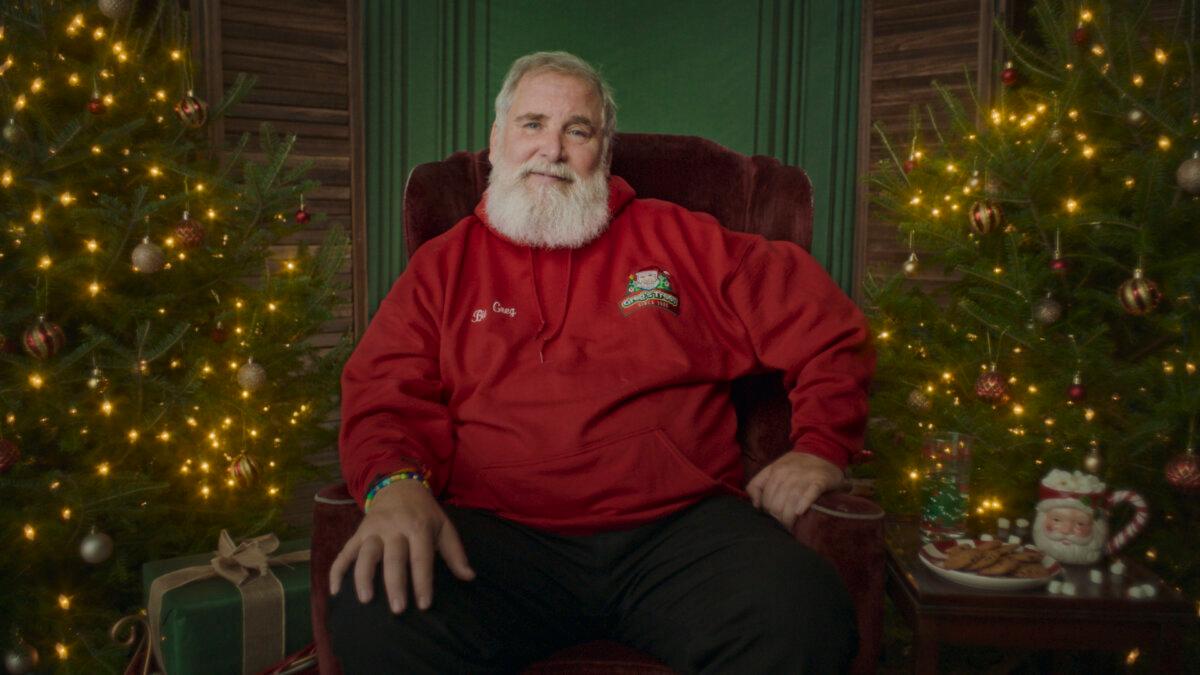
Movingly, Walsh says: “It took me getting cancer to realize that I should stop and smell the roses. … My circumstances have gotten worse, ... but I’m happier than I was. You can be as happy as you choose to be.”
With regret, Neville says, although the families have grown closer and transact commercially in season, they don’t spend enough time together. “We’re one big family; it’s a shame,” she says. As she’s forced to evict a destitute who’s been sleeping in one of her sheds and nudges him to get help, she reflects on her own youthful waywardness.
People who stumble in life end up feeling hopeless. They need nudges to move forward. Feelingly, she says, “People don’t realize how powerful they can be to each other.”
These families may be busy with their businesses, but they know what Christmas represents for people who celebrate it. It’s a symbol of hope. It’s also a reminder of the humanity in us, and a chance to share that—happily, humbly, and gratefully—with those who need it.
Smith says, as much to himself as to fellow traders, “You’re not just selling a product, you’re selling moments in time.” To Neville, Christmas is “believing in something that you can’t see.” To Santa look-alike Greg, even Santa’s a frame of mind. Referring to that spirit of giving he says, “You can do it every day.”