NR | 2h 6m | Action Epic, Adventure, Drama | 1960
Acclaimed director Akira Kurosawa is most often associated with rain-soaked duels, the samurai’s code, or sweeping tales of honor. But his epic adventure film “The Hidden Fortress” (1960) begins with something else entirely: two bickering fools wandering through the ashes of war, squabbling over petty matters and their constant misfortune.
The film marks one of Kurosawa’s more playful moods, where he laces adventure with absurdity, giving the film its unique charm.
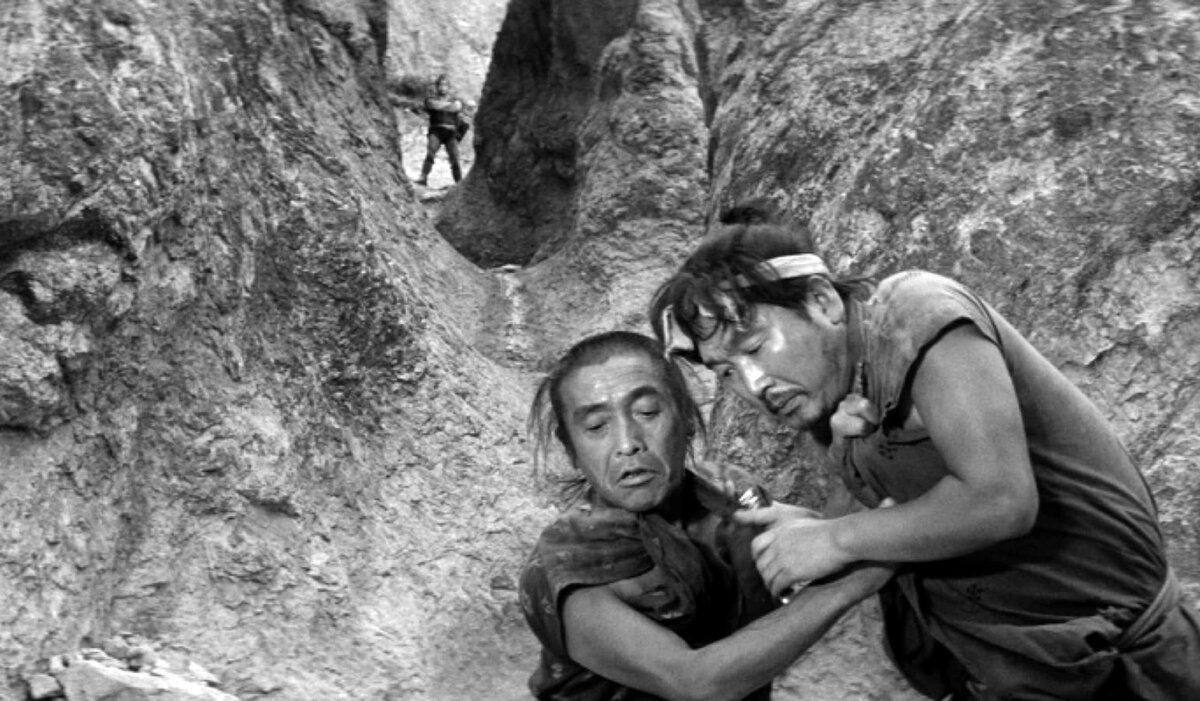
In this road movie of sorts, beneath the jokes and misadventures, there’s a restless curiosity about how people behave when stripped of their pretensions. As Shakespeare shows with his jesters, Kurosawa doesn’t ridicule his characters as much as he exposes them, showing that courage and foolishness sometimes share the same skin.
Comedy, Honor, and Duty
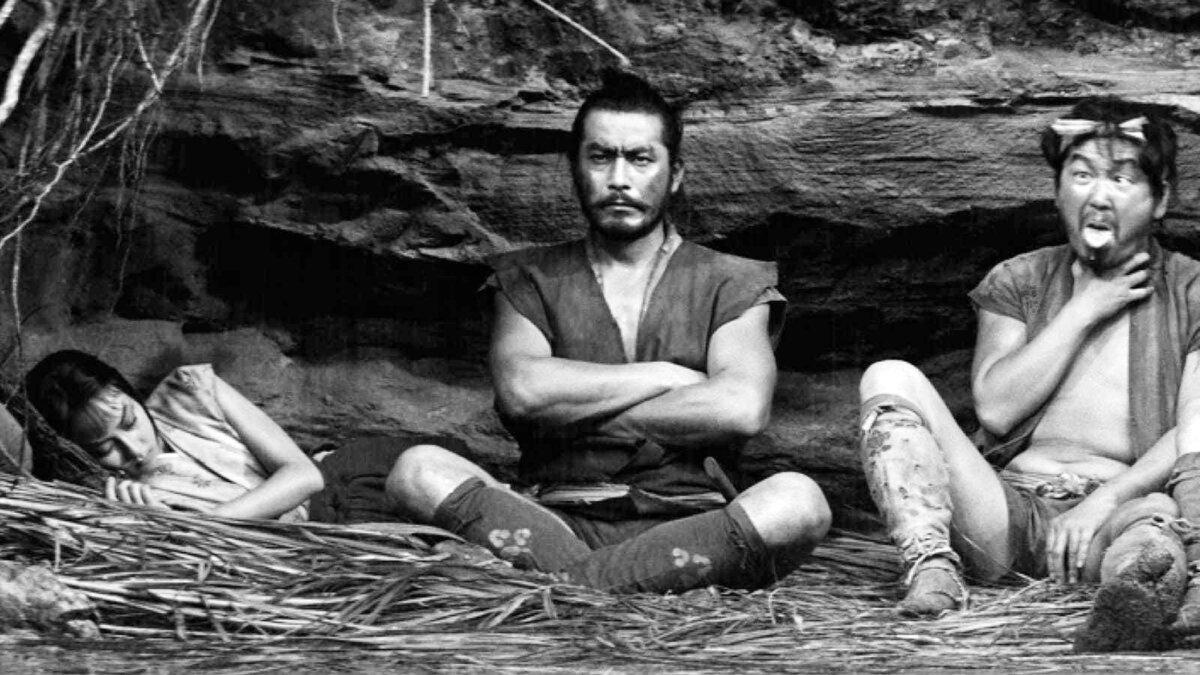
Two luckless peasants, Tahei (Minoru Chiaki) and Matashichi (Kamatari Fujiwara), wander through the wreckage of a civil war. When they stumble onto a plan that involves a fortune in gold hidden inside bundles of firewood, they see nothing but easy profit ahead. However, what they actually find is a mission far above their pay grade: escorting a general and a royal fugitive through enemy territory without realizing who they are helping.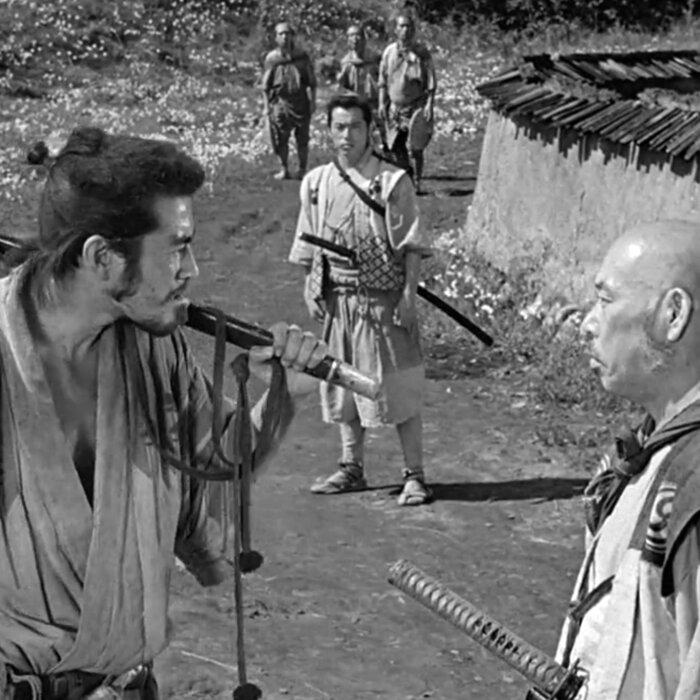
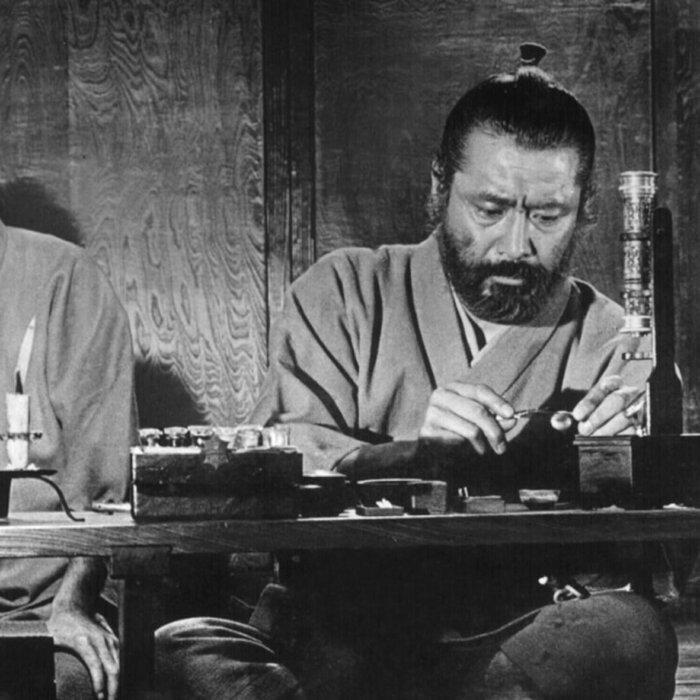
The general, Rokurota Makabe (Toshiro Mifune), is a soldier who could probably stare an entire army into retreat. He commands with a sharp sword and an even sharper mind. He drags the two fools along while protecting Princess Yuki (Misa Uehara). The princess is disguised as a girl who at times pretends to be dead or mute in order to avoid capture. Their journey through hostile lands becomes a mix of danger, laughs, and seat-of-the-pants survival.
New threats emerge in every act: suspicious villagers, greedy soldiers, and the two peasants constantly plotting to run off with the gold. Yet the motley crew somehow keeps moving forward, mainly held together by the general’s iron will.
Blueprint for a Galaxy Far Away
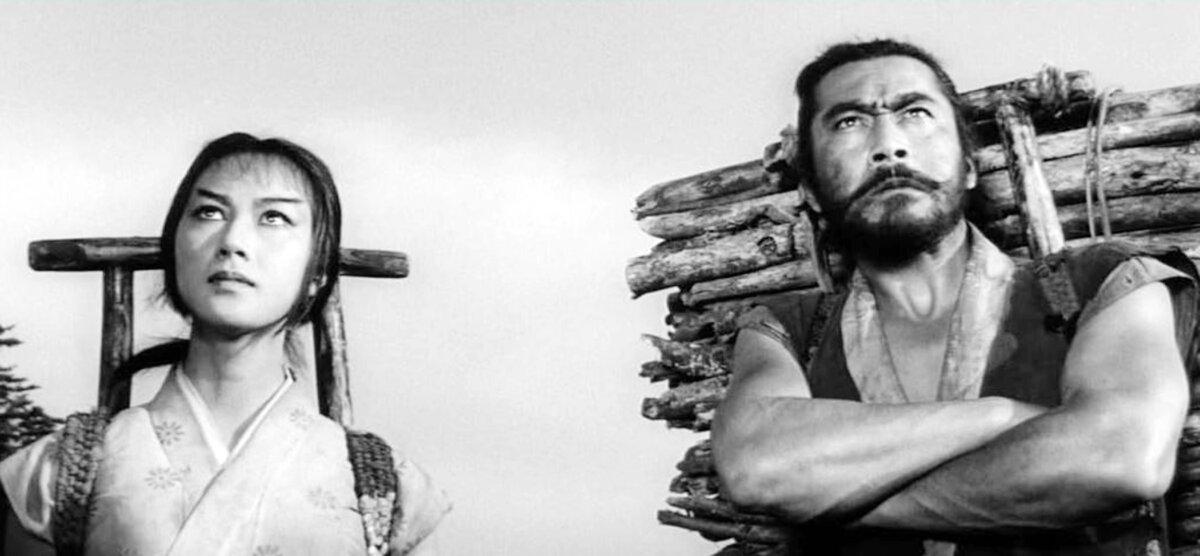
The two leads, Tahei and Matashichi, provide comic relief that doesn’t undermine the story but rather strengthens it because their constant missteps feel painfully human. Gen. Makabe and Princess Yuki carry the grandeur of the tale yet are never immune to the absurdities surrounding them.
Humor erupts in the unlikeliest of places. The peasants argue over the loot while danger creeps closer, the princess maintains her royal composure even as everything collapses around her, and the general suffers through their blunders with a grim sense of jaw-clenching patience.
This tragi-comedy balance feels raw and alive, not polished or rehearsed. The war is indeed serious, but the various characters caught in it stumble, laugh, and carry on because that is all they know how to do.
The influence this film had on “Star Wars: Episode IV—A New Hope” (1977) can’t be overstated. George Lucas openly credited “The Hidden Fortress” as a direct inspiration, especially the decision to tell a grand adventure through the eyes of relatively low-level characters.
Lucas’s structure, the spirit of the chase, and even the princess hidden among rebels all began here. Even Luke Skywalker’s iconic poster pose of raising his lightsaber over his head echoes the image of Makabe holding his sword aloft on “The Hidden Fortress” poster. The DNA of an entire generation of adventure films is buried in its frames.
“The Hidden Fortress” feels both heroic and ridiculous. It may be one of the truest portraits of humanity that Kurosawa ever painted. The action dazzles and the comedy cuts, but the film’s humanity lingers.
For all the moments of grandeur, great adventures often begin with unlikely travelers, as sometimes they are the only ones daring and stubborn enough to keep going.