NR | 1h 16m | Drama, Western | 1949
Cattle ranching grew into a major Western industry after the Civil War, feeding expanding towns and cities while sending cowboys on cattle drives that could last anywhere from weeks to months.
“Stampede” brings up that old frontier cattle world almost immediately. Cattle drives contended with all kinds of hazards. Disease, drought, severe weather, and pesky cattle rustlers could wipe out a good chunk of the profits before the herd ever reached market.
Trouble at Spirit Lake
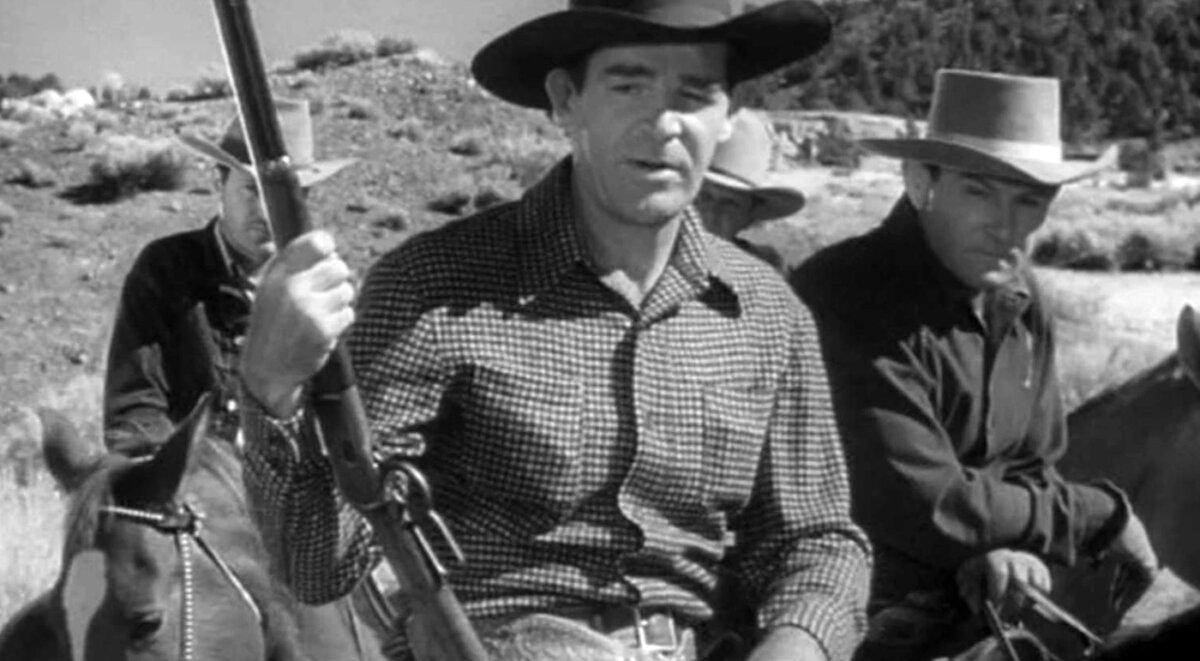
Mike McCall (Rod Cameron) runs a large cattle ranch in Arizona with his younger brother, Tim (Don Castle). Their family has a particularly valuable grip on the surrounding country. Years earlier, their father built a dam that created Spirit Lake, holding back the river that once flowed into North Valley. The McCalls now use that valley as grazing country.That becomes a serious problem when homesteaders arrive. They bought parcels in North Valley from unscrupulous land dealers Stanley Cox (John Eldredge) and Leroy Stanton (Donald Curtis). The settlers expect to farm fertile land but then show up to discover that they’ve bought acres of bone-dry ground.
Old watering holes show that the valley once had water, and the answer is sitting right behind the McCall dam. However, Mike refuses to release it because doing so would turn his grazing country into fenced farms.


More Than a Range War
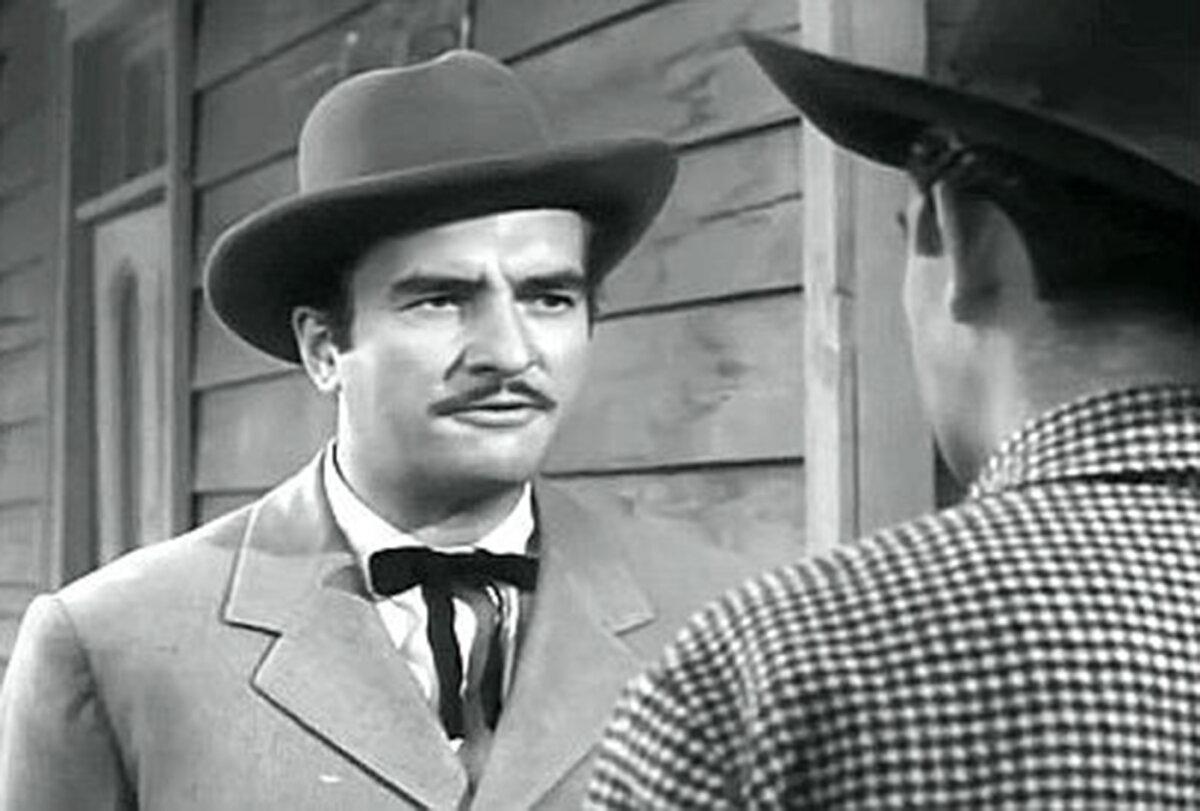
The film becomes more interesting once its range dispute is viewed as part of a much larger historical change sweeping across the West. Mike’s stubbornness makes sense when you see him as a cattleman watching the open-range system begin to close around him.His business depends on grass, water, and plenty of room for cattle to move about. Farms sprouting up means more fences, and enough new claims would change the way a ranch operates.
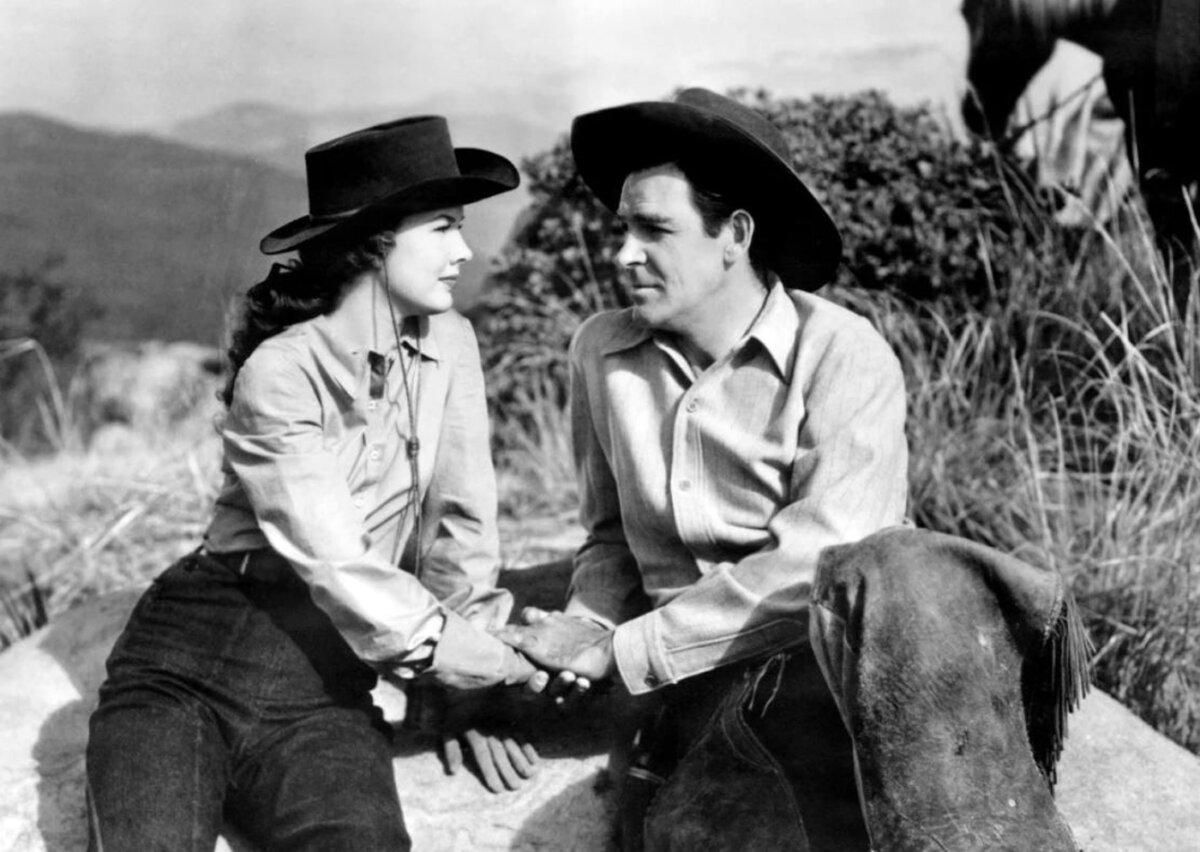
The settlers are in quite a pickle, as they bought land believing they could build farms and lives there. All that dry acreage means very little without water. Spirit Lake becomes the pressure point for the entire valley. Whoever controls it can influence whether cattle operations survive in their present form and whether the new farms have much of a future.
The night scenes around the ranch, stable, and lake are especially well photographed, with strong contrast and carefully placed lighting that help the action remain clear. Parts of the titular stampede use miniature work, and it blends in surprisingly well with the live-action footage.
At 76 minutes in length, “Stampede” moves like the compact Allied Artists Western it is, with the historical background giving purpose to its cattle, fences, and water.
The branding iron in the opening represents ownership, and the fences signal a different use of the same country. Whoever controls Spirit Lake decides how the entire region functions.
Director Lesley Selander gives viewers the expected fights and stampede. Nevertheless, the film also captures a period when cattlemen who'd long treated the range as open country were finding out that the map was being redrawn around them.