When Jane Austen published “Pride and Prejudice” in 1813, she could hardly have anticipated that her “light, and bright, and sparkling” novel would eventually become, arguably, the definitive template for the modern romantic comedy.
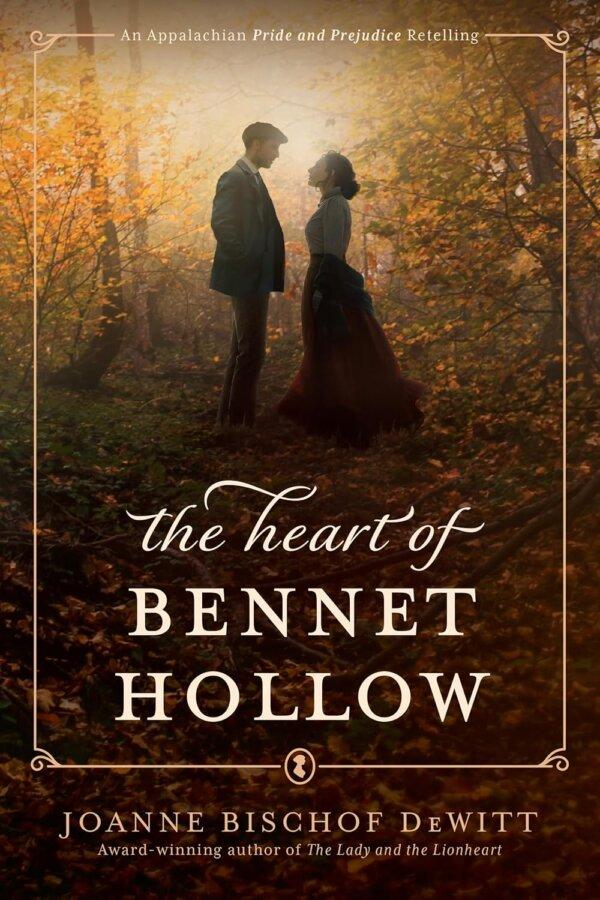
Countless novels, films, TV series, and other media have drawn on Austen’s original work for inspiration or as an outright template to create their own stories. One of the latest versions comes from Joanne Bischof DeWitt (Joanne Bischof before her 2023 wedding), whose recent release “The Heart of Bennet Hollow” transports the Austen story from early 19th-century England to the fictional New River, Virginia, in 1904.
P&P Inc.
The original “Pride and Prejudice” story follows the five Bennet sisters, whose mother is desperate to marry them off to secure their futures. When wealthy bachelor Mr. Bingley arrives, he falls for the eldest sister, Jane. However, his aloof friend, Mr. Darcy, insults the spirited Elizabeth Bennet, sparking a relationship fueled by mutual antagonism.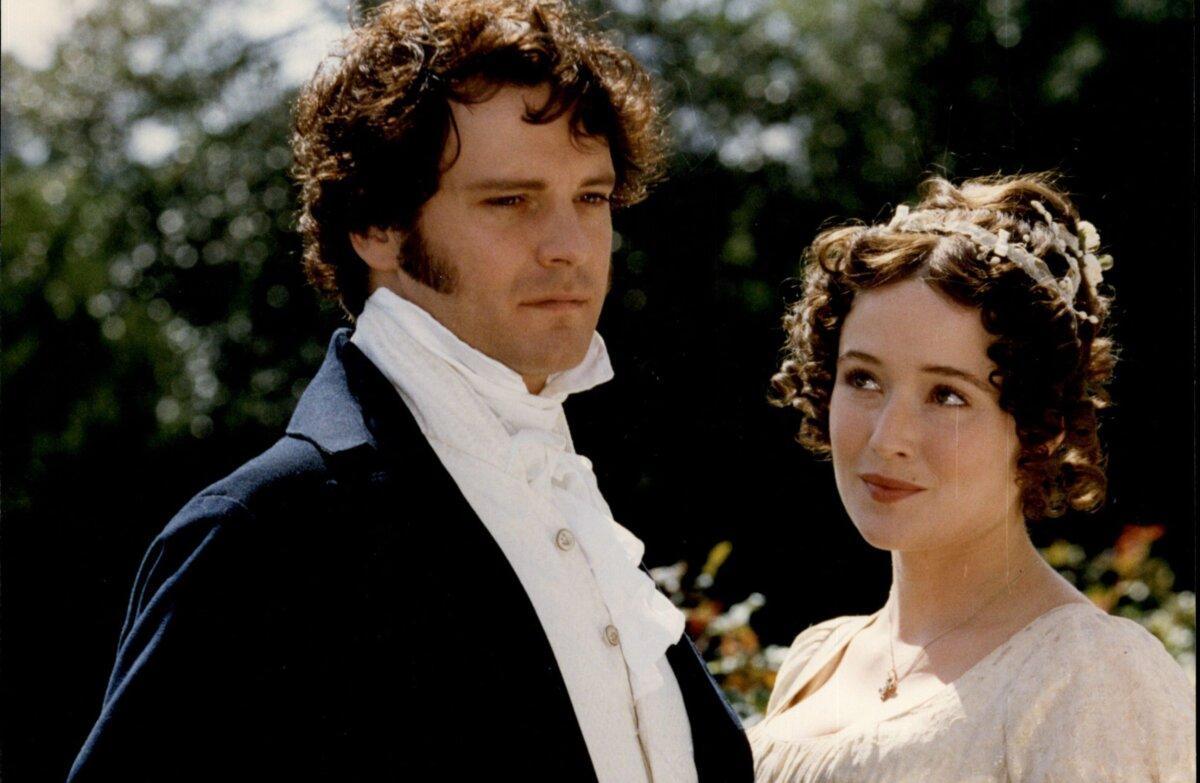
Elizabeth considers Darcy arrogant, while Darcy fights his attraction to Miss Bennet due to her family’s lower socioeconomic status. Through a series of misunderstandings and revelations, including Darcy’s secretly saving the Bennet family from disgrace, both characters are forced to examine their own flaws. Ultimately, Darcy decides to cast aside his pride, and Elizabeth sheds her prejudice, leading to one of literature’s most celebrated marriages based on love and mutual respect.
Austen 2.0?
“P&Ps” enduring relevance has spawned a literary ecosystem entirely its own. Austen’s masterpiece has inspired an incalculable number of variations, serving as the source code across every conceivable medium.The Bennets have been transported to modern Cincinnati, reimagined in Bollywood musicals, and even battled the undead in mash-up horror fiction. From faithful period dramas to murder mystery sequels like “Death Comes to Pemberley,” the novel has proven elastic enough to accommodate pretty much any genre.

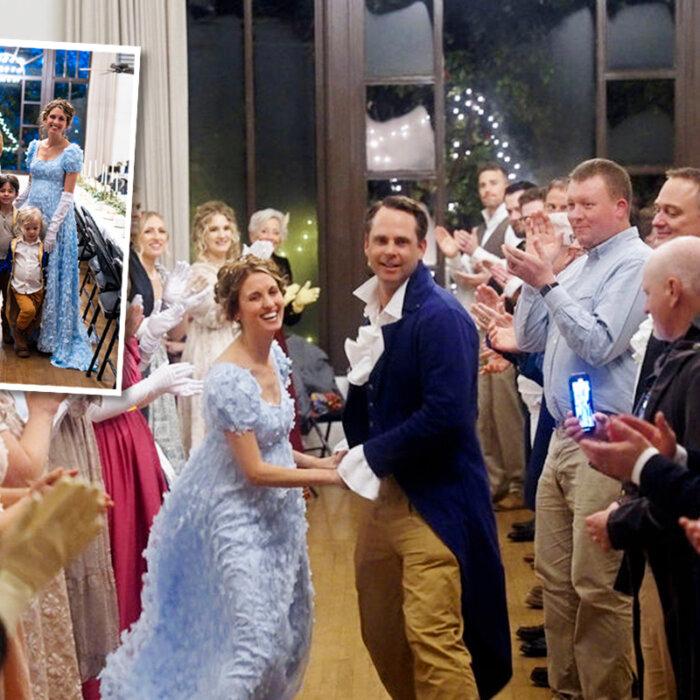
Clean and Americana
Yes, and why not? No one suggests that Homer’s or Shakespeare’s works are all mined out of inspirational material. With the growing demand for so-called “clean fiction,” this story seems an ideal template for the right author in this subgenre.Arguably, there isn’t much that needs to be “cleaned up” about the original Austen story. Early 19th-century romance novels were not exactly known for being risqué, at least in England. (France is another story). Bischof DeWitt, a celebrated author of Christian historical romance, is an ideal artist for the task.
She’s already garnered prestigious honors, such as the Christy Award and the Carol Award. Since publishing her debut novel, “Be Still My Soul,” the first installment in her “Cadence of Grace” series, she’s received significant acclaim in inspirational fiction circles.
Warm Hearts and Coal
In line with this “clean Americana” template, Bischof DeWitt alters the source material in fundamental ways.“The Heart of Bennet Hollow” features William Drake, a wealthy industrialist on a mission to acquire and reform a Virginian coal mine up for sale. After Drake arrives on his private railcar, the Pemberley, his task is complicated when he becomes smitten with Lizbeth Bennet, the daughter of a tenant farmer.
Lizbeth’s family is facing imminent displacement from their farm if the mine’s new owner buys their land. Understandably, she’s worried about the future of her family and is wary of these outsiders who might destroy her hometown.
While most of the original tension came from fears of the loss of reputation and social status, the possibility of economic ruin is a big focus in this version.
William Drake is significantly different than his inspiration, Mr. Darcy. It would be a stretch to call him prideful at all. His worst faults are being overly sensitive but socially awkward, particularly outside his business sphere.
Most of the other characters have their rough edges smoothed out, as well. For example, the Bennet matriarch, simply referred to as “Ma,” has abandoned the original character’s clumsy, inept schemes to marry off her daughters. Instead, Ma Bennet is a much nobler character, a grounded and serious farmer’s wife. It’s a choice that makes sense; a nattering busybody wouldn’t fare very well in a 1904 Virginian mining town.
“The Heart of Bennet Hollow” loses most of the biting social tension of the original book. While Bischof DeWitt’s language falls into “Hallmark greeting card” territory at times, it is more often quite beautiful.
This is the point. The nature of clean romances creates a much lighter, almost “uber cozy” experience for the reader. Bischof DeWitt has taken Austen’s “light, and bright, and sparkling” novel and made it even lighter, brighter, and more sparkling, an ideal gentle story for modern times.