“It is usually supposed that the cares of life come with matrimony; but I seem to have cast off all care, and live on with as much easy trust in Providence as Adam could possibly have felt before he had learned that there was a world beyond his Paradise.”
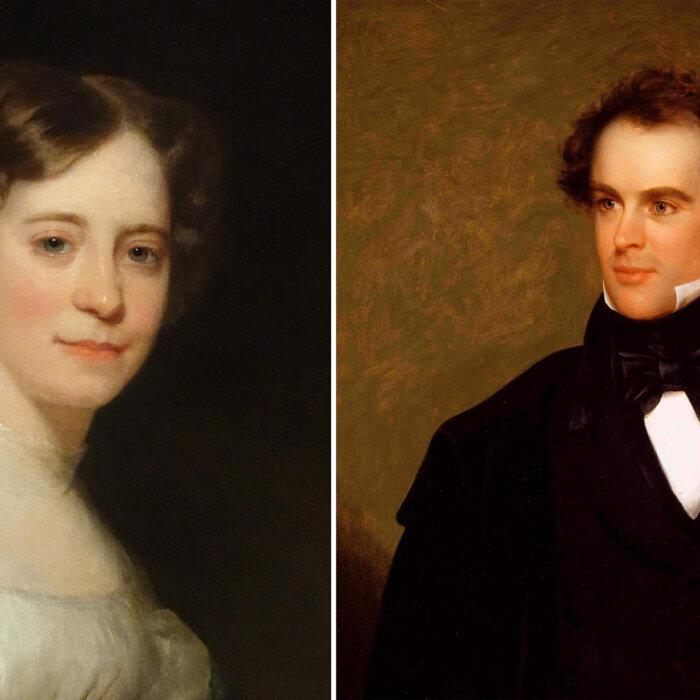
The couple faced difficulties and an uncertain future. They were older than most newlyweds of the day, Hawthorne being 38 and Sophia 33. Necessity demanded they live frugally, and even then their financial state was precarious. For $100 a year, they had rented the “Old Manse,” a 72-year-old house in Concord, Massachusetts. Hawthorne was struggling as a writer, Sophia as an on-and-off-again invalid stricken with crippling headaches, and some in their families were unhappy about their union.
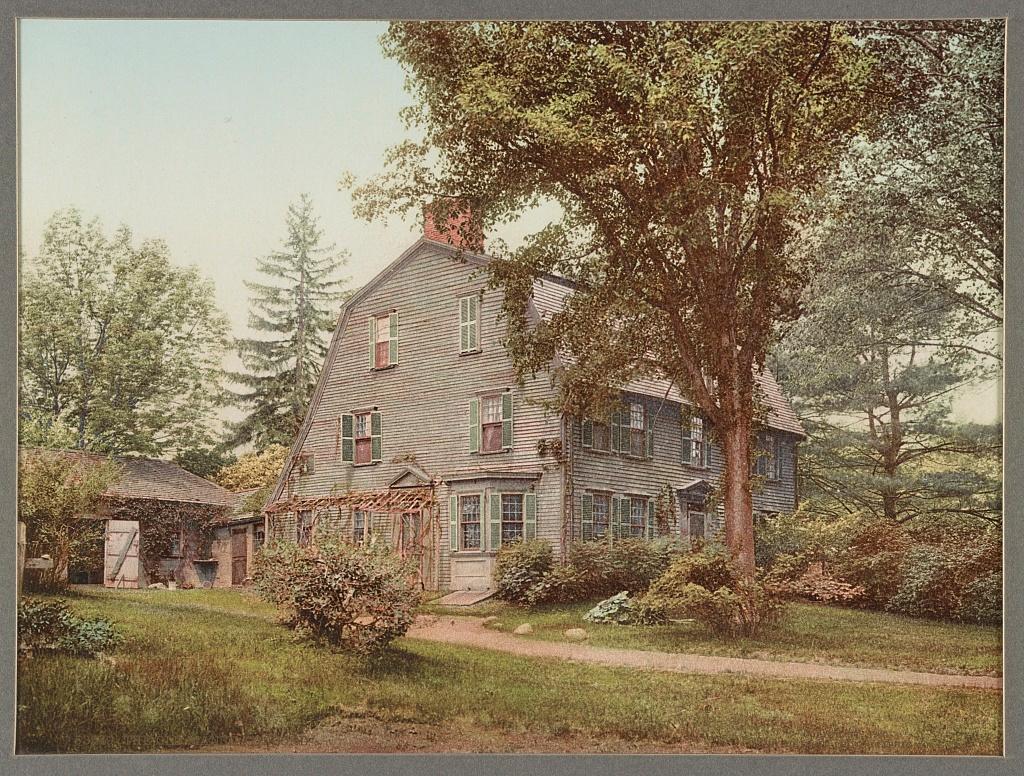
Yet none of these impediments blemished their affection for each other. Shortly after the wedding, Sophia wrote to her mother, as described in American Heritage magazine:
“It is a perfect Eden round us. Everything is as fresh as in first June. We are Adam and Eve and see no persons round! The birds saluted us this morning with such gushes of rapture, that I thought they must know us and our happiness.”
The Long and Winding Road to Paradise
In his 1958 article for American Heritage Magazine, “The Hawthornes in Paradise,” writer, editor, and literary critic Malcolm Cowley devoted several pages to the obstacles that might have prevented this marriage. “Among them,” he wrote by way of introduction, “were poverty, seemingly hopeless invalidism, conniving sisters, political intrigues, a silken temptress, a duel that might have been fought to the death, and inner problems more threatening than any of these.”Because our consideration of these stumbling blocks demands more concision, we’ll consider only the case of the sisters. Hawthorne’s older sister Elizabeth, or Ebe as she was frequently called, was a writer, known to some as “the hermitess,” while Sophia’s sister Elizabeth was an intellectual and a member of the local literati; she’s now best known for educational reform.
Ebe, who would spend most of her life alone, reading and taking walks, was close to her brother from childhood and worked with him on his books. She abhorred the loss of her brother to wedlock.
Elizabeth Peabody, who introduced Hawthorne to Sophia, appears to have wanted him for herself, yet noticed during his first meeting with Sophia how much attention he paid to her. Decades later, she described this attraction in a letter to a nephew, adding: “I was struck with it, and painfully. I thought, what if he should fall in love with her.”
Then, there were the two smitten lovers themselves. When he first met Sophia, Hawthorne was 33 years old and had spent much of his adulthood in self-imposed isolation, writing, reading, and dreaming. In a letter written to a friend, he noted: “I scarcely held human intercourse outside of my own family; seldom going out except at twilight, or only to take the nearest way to the most convenient solitude.” Few of his fellow citizens of Salem even knew of his existence. Cowley tells us that “he had formed the habit of holding long conversations with himself, like a lonely child. His daylong nightmare was of falling into a morbid state of self-absorption that would make everything unreal in his eyes, even himself.”
The Long Courtship
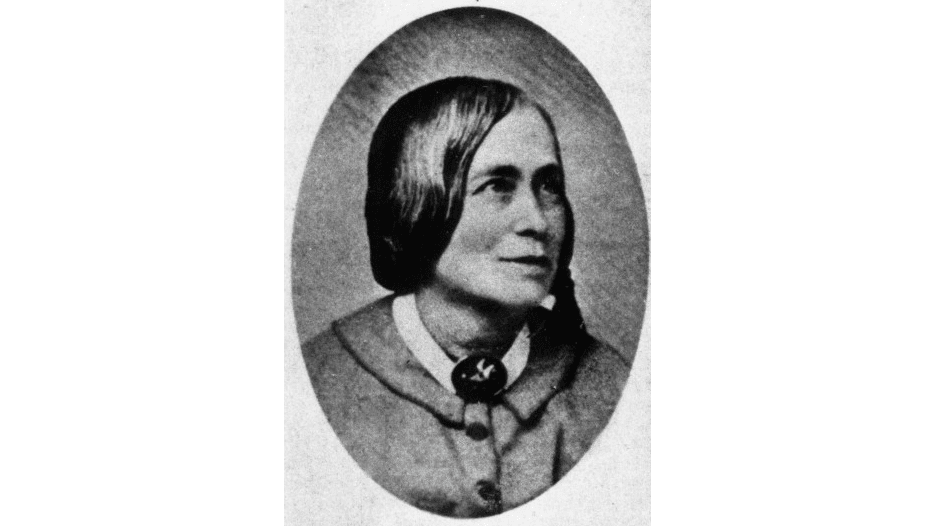
After his first encounter with Sophia in the Peabody home, the frequency of Hawthorne’s visits increased. He would converse with any one of the three sisters, or all of them at once, but his conversations with Sophia were notably longer than those conducted with her siblings.
The turning point in their relationship began on a cold and windy winter night when Sophia insisted on attending, along with her sisters and Hawthorne, a regular soiree held in one of Salem’s finest homes. Dressing warmly and overcoming the warnings from her parents that the bitter weather would make her ill, Sophia set out with the group. “When I was ready, Mr. Hawthorne said he was glad I was going,“ she wrote in a letter. ”We walked quite fast, for I seemed [to be] stepping on air.”
Despite the New England weather, these walks became frequent and soon belonged to just the two of them. On one of these evening strolls around New Year’s in 1839, Hawthorne and Sophia professed their love for each other and, as Cowley writes, made promises that neither of them would ever break and which they would keep secret to themselves for a long time.
Because of troubles, principally with their families, more than three years passed from proposal to wedding, and scholars have argued whether the couple remained chaste during that long engagement. In the letters that survived their courtship, much flirting ensued, some of it frank for its day. They called each other husband and wife long before the marriage and were free with embraces and kisses.
Yet Cowley and others make the case that their relationship remained chaste. As Cowley writes:
“Much as Hawthorne wanted Sophia, he also wanted to observe the scriptural laws of love. ‘Mr. Hawthorne’s passions were under his feet,’ Miss Peabody quoted Sophia as saying. If he had made Sophia his mistress, he would have revered her less, and he would have despised himself.”
Of their courtship, so beset by difficulties, Cowley further noted:
Paradise Won
Those first three years together in Concord’s Old Manse were the most romantic and idyllic for the couple, but the passions that burned in that Eden acted like a forge for a long-term, happy marriage. Both regarded the other as a rescuer: Hawthorne from his isolation and often miserable introspection, Sophia from the illness that separated her from the world. Hawthorne’s love for her, she wrote to her sister Mary, had reshaped her, making her “strong as a lion” and “as happy as a queen.”In their marriage, Hawthorne took a unique approach regarding his place as husband and head of the household. He would command Sophia by loving her so ardently that she could not help but follow, seeking to please and return that immense affection. “And will not you rebel?” he once wrote to Sophia. “Oh no; because I possess the power only so far as I love you. My love gives me the right, and your love consents to it.”
The marriage was clearly a boon to Hawthorne’s writing talents. In 1850, “The Scarlet Letter” was published to great acclaim. The following year, “The House of the Seven Gables” secured his position as a noted American writer.
Only death brought an end to this love, and even then we find a final tale of romance and union. After Hawthorne’s burial in Concord’s Sleepy Hollow Cemetery in 1864, the deeply grieving Sophia worked to settle their finances and to edit her husband’s unpublished work. According to Discover Concord magazine, around 1870, she moved to England along with her two daughters. Following her death in 1871, she was buried in London, as was her oldest daughter, Una, six years later.
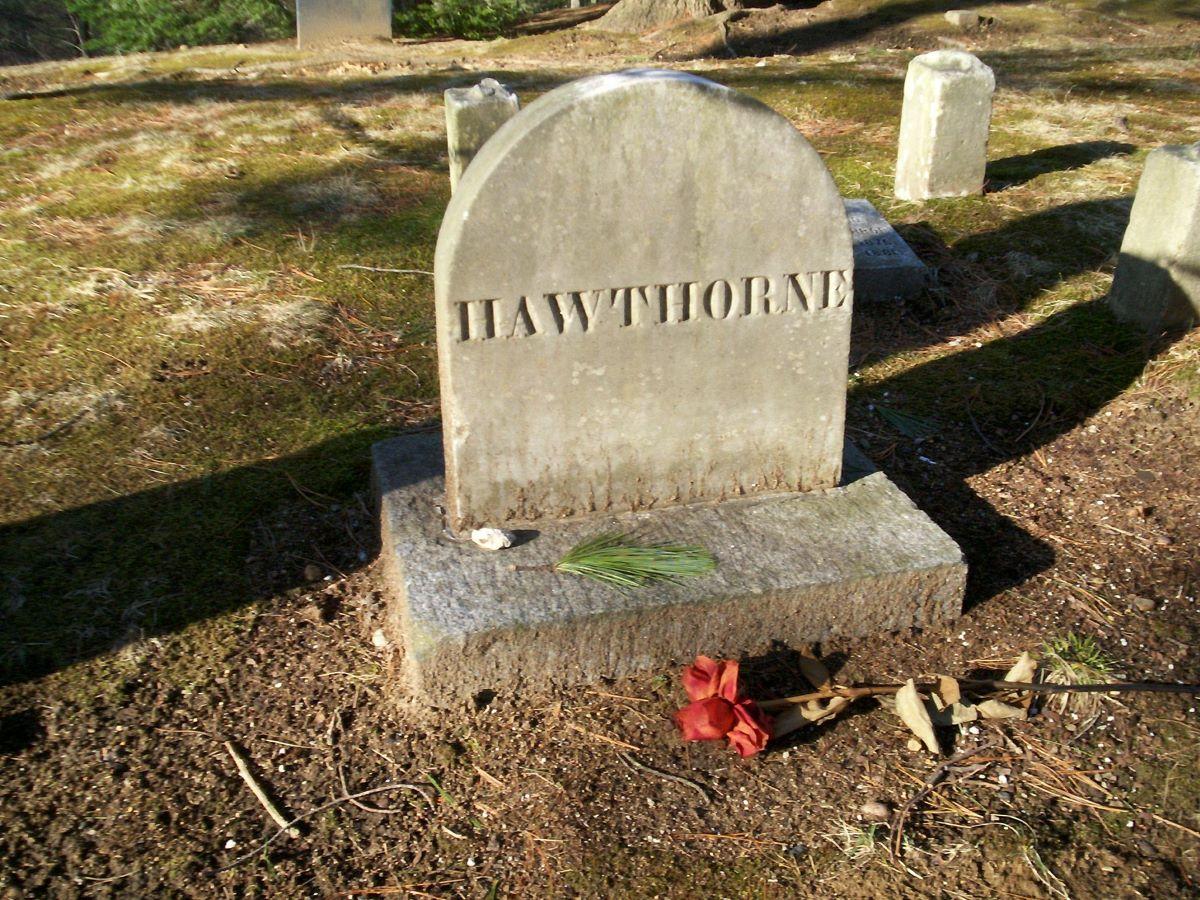
In 2006, media organization NPR reported that the bodies of mother and daughter were removed from those foreign graves, brought to Massachusetts, and put to rest alongside Hawthorne. In that first year of their marriage so long ago, Hawthorne and Sophia used to walk beneath that same hill, not yet a cemetery, and talked lightly of plans to build a house there someday.
Though made of earth and roofed by a tombstone, that home they share serves today as a beacon of love and one of America’s greatest romances.