Until that year, day, hour, arrive, With head, and heart, and hand I'll strive, To break the rod, and rend the gyve, The spoiler of his prey deprive So witness Heaven! And never from my chosen post, Whate'er the peril or the cost, Be driven.
A gyve refers to shackles, and Douglass spent his entire adult life working to break the gyve that held African Americans in bondage, first from slavery and then from bigotry and prejudice. One sentiment in those lines, that he would never be driven from his chosen post, sums up the man and his character.
A Biography in Miniature
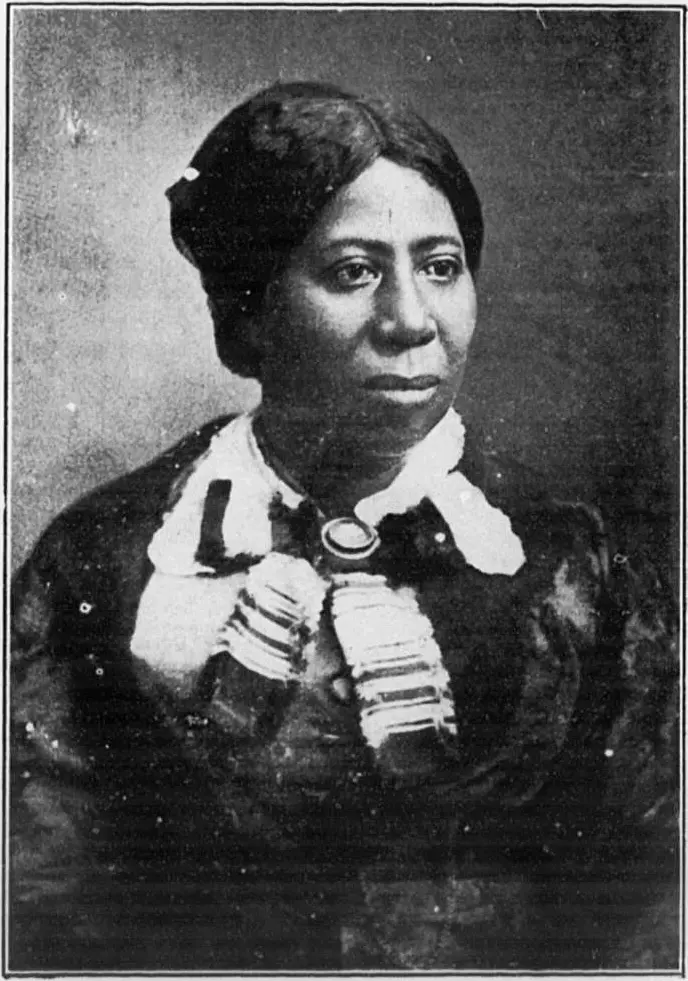
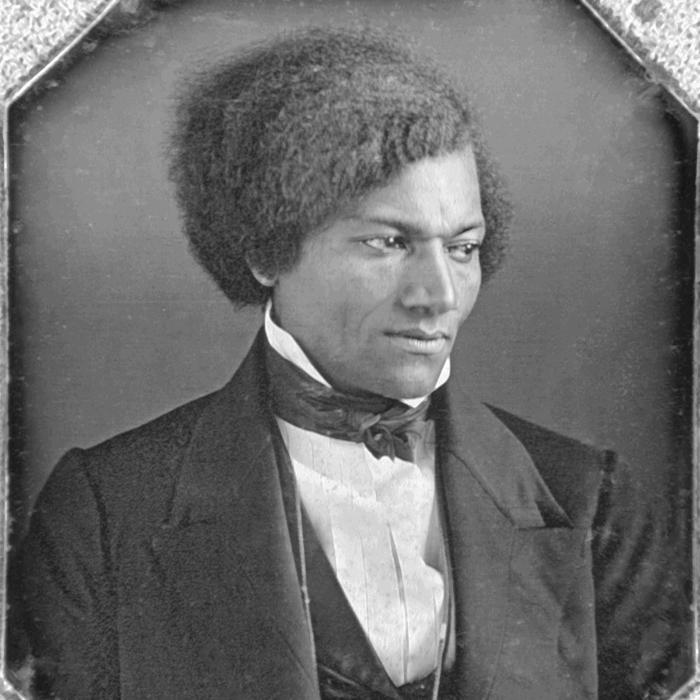
Born into slavery in Talbot County, Maryland, and the son of a black mother and a white man, possibly his mother’s master, Douglass was separated from his mother when he was still a toddler. Initially raised by his grandmother, his owner sent him at age 8 to live in Baltimore. There, the mistress of the house, Sophie Auld, taught him to read along with her son until her husband forbade it. Until he was 20, Douglass was sent by his owners into several different households, finally winding up as a caulker in shipyard. While there, he met Anna Murray, a free black woman, who encouraged him to escape. They would later marry.In 1838, Douglass did escaped, disguised as a sailor, and with a sailor’s papers, which Murray purchased for him. The couple married in New York, then fled farther north to Massachusetts, where Douglass found work as a laborer and continued to educate himself through books.
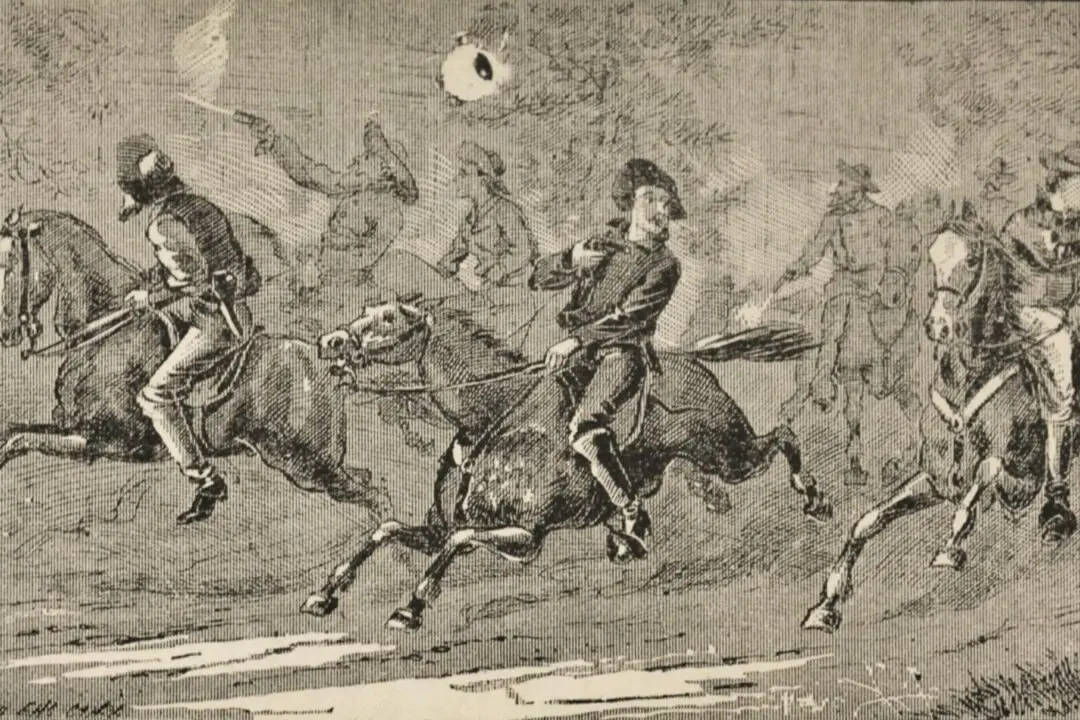
After hearing Douglass make a speech, abolitionist William Coffin invited him to join the anti-slavery cause as a speaker. The course of Douglass’s life was set. He traveled around the Northeast and the Midwest, spoke on hundreds of occasions, edited several newspapers, was forced to flee from mobs, and once left the country to avoid possible arrest. In 1845, his autobiography “Narrative of Frederick Douglass” was published, giving him wider recognition and winning some acclaim in Europe.
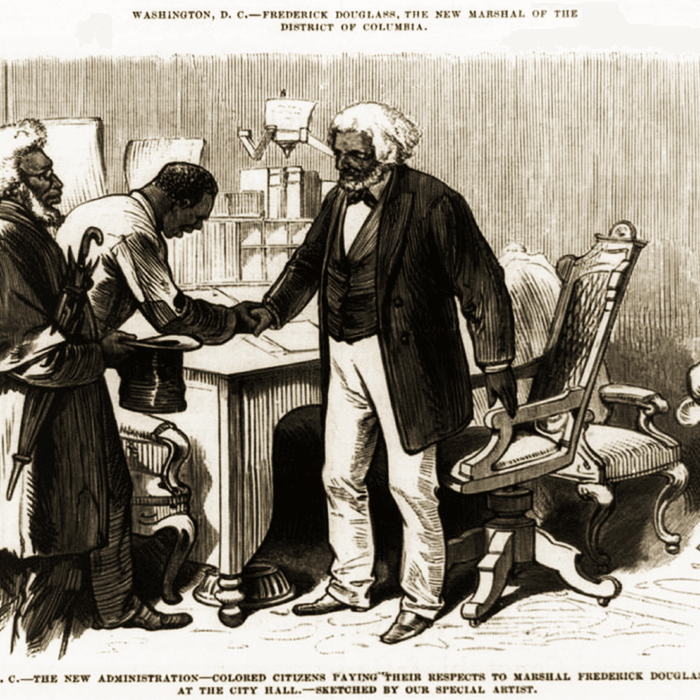
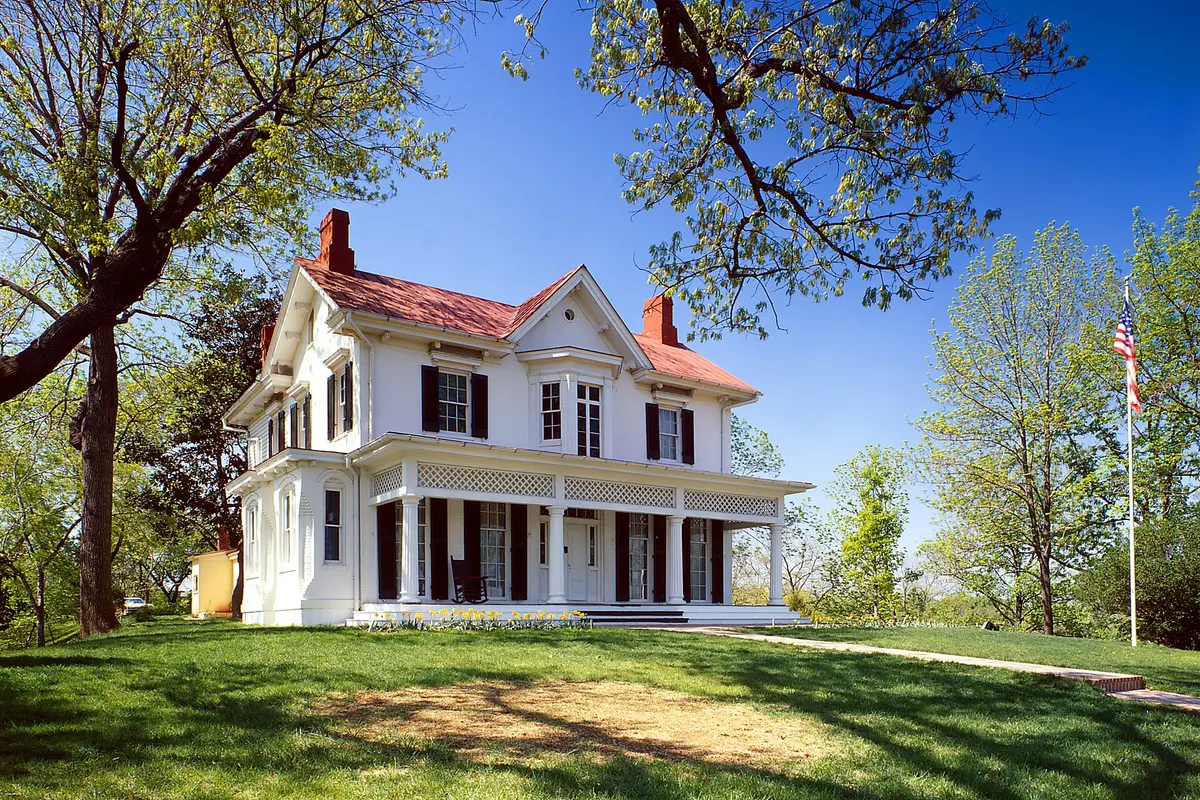
Following the Civil War, Douglass held a variety of positions both in and out of the government, remained a vigorous spokesman for African American rights, and continued his writing and speaking. He lived out his final years in his longtime Washington home, Cedar Hill.
To gain deeper insights into Douglass, let’s consider his oratory, his stance on the Constitution and slavery, and his two marriages.
Words as Weapons
His abilities with both the spoken and written word illuminate Douglass’s genius. Heavily influenced by a popular textbook of rhetoric of the time, “The Columbian Orator,” he honed his skills speaking in black churches and soon swayed popular sentiment from more public podiums.To do so meant more than just speaking. It meant keeping an audience’s attention for periods of time that seem unfathomable to a modern audience. Douglass’s “Fourth of July” speech is more than 10,000 words long and takes over an hour to read aloud. While focused on slavery, yet effusive in his praise of the Founding Fathers, he covered an array of topics running from the nation’s current state of affairs to religious freedom and the hypocrisy of some Christians for failing to speak against slavery.
Controversies
While Douglass remained bedrock solid in his support for the enslaved and later for the rights of freedmen, he was unafraid to adjust the sails of his convictions when the political weather demanded a new course or when, after contemplation, he changed his mind as to what was morally right. A longtime advocate of women’s suffrage, he was well-acquainted with figures like Susan B. Anthony and Elizabeth Cady Stanton. Yet in the Reconstruction years following the war, when it became evident that a combination of the right to suffrage for both women and freed slaves would not pass into law, he focused on getting black men the right to vote.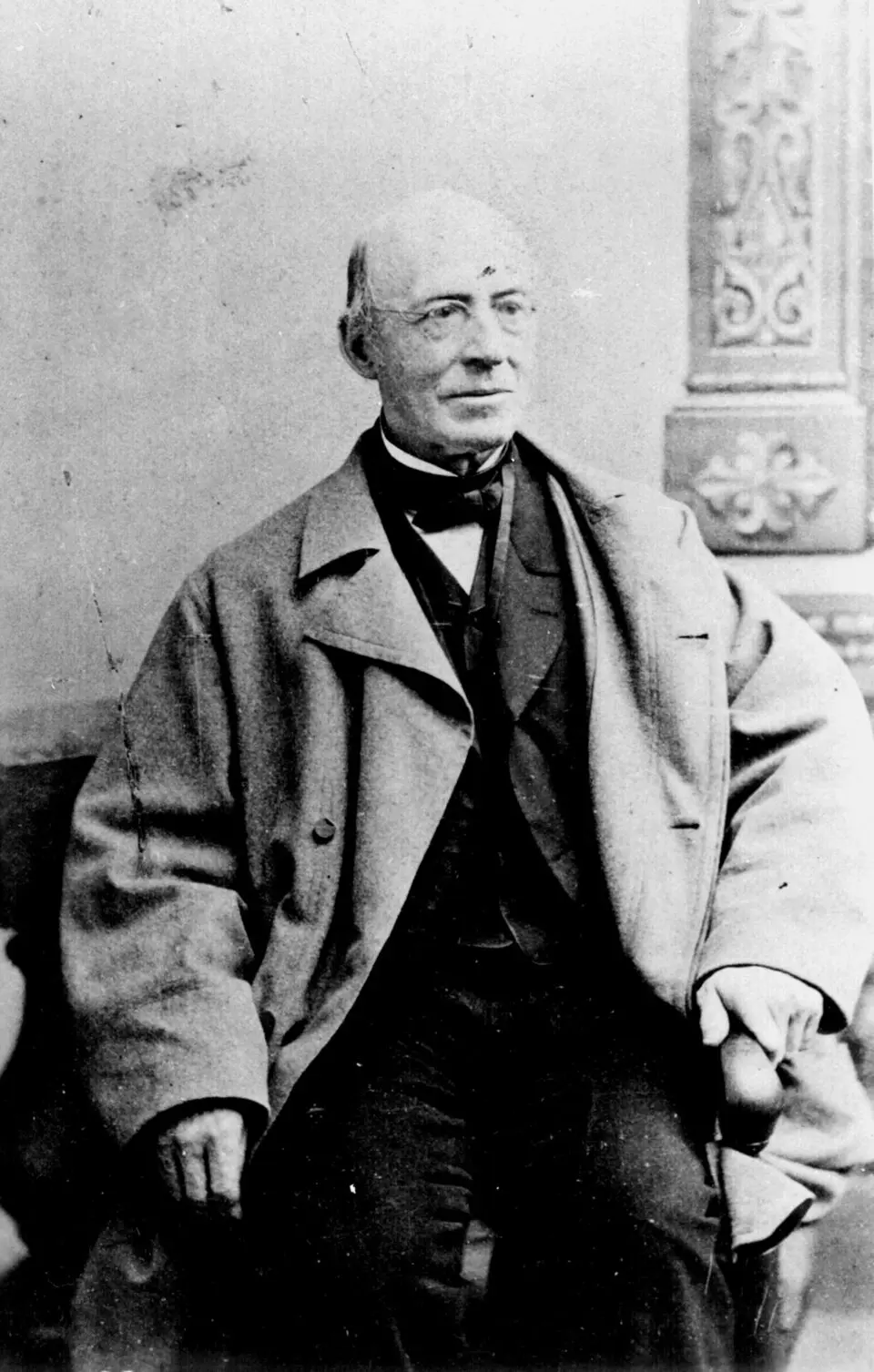
For a time, Douglass marched in step with Garrison. The printer was instrumental in directing public attention to Douglas, had served as his mentor, and had first published Douglass’s autobiography. In 1851, however, influenced in part by abolitionist Lysander Spooner’s “The Unconstitutionality of Slavery,” Douglas shifted his alliance. He publicly declared that his own paper, The North Star, would reject calls for disunion and accepted the Constitution as the law of the land that in no way promoted slavery.
“The Garrisonians ... hold the Constitution to be a slaveholding instrument. I, on the other hand, deny that the Constitution guarantees the right to hold property in man, and believe that the way to abolish slavery in America is to vote such men into power as will use their powers for the abolition of slavery.”
Marriage and Family
Douglass married twice. Each marriage revealed something hidden from the public within the man whose eloquence and courage moved the minds and hearts of thousands: his love for both wives and for his family life.In 1838, Douglass wedded Anna Murray, the free black woman who helped him escape slavery. She was belittled by outsiders for her lack of learning, but Douglass defended her against these critics. Murray clearly loved her husband. She worked to earn the family money in hard times, raised their children when he was so frequently away, and took responsibility for their household accounts. Both parents dearly loved their children, as may be seen by the depths of their grief when their youngest, 10-year-old Annie, died.
Following Anna’s death in 1882, Douglass fell into a depression from the loss of the woman whom he had called his “helpmate,” contemporary observations indicate. That reaction speaks volumes about the importance of Anna to his work.
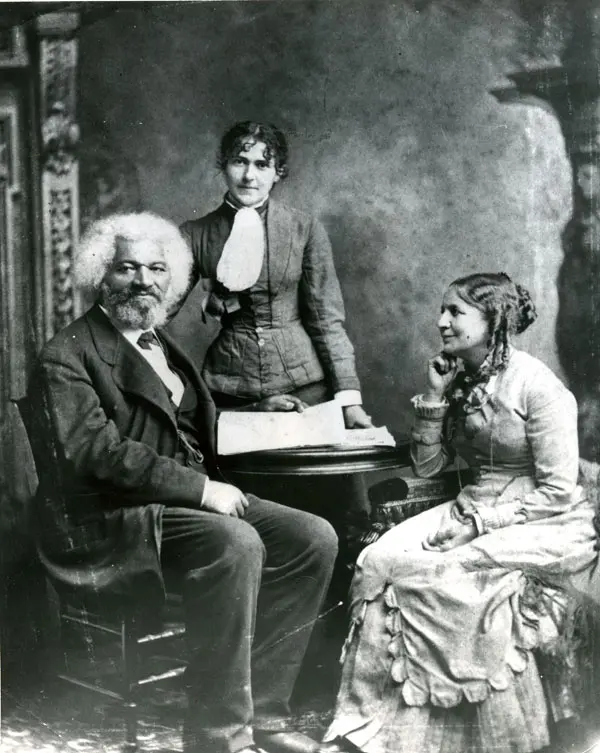
As had been the case during his marriage to Anna, both husband and wife generally kept their own feelings under wraps. Later, after Douglass’s death, Helen saw to the preservation of Cedar Hill as a historical site and tended to her deceased husband’s legacy.
Here in the love and care of these two women is yet another element in Frederick Douglass’s success and ability to break the rod and rend the gyve, and to be remembered and honored for his deeds.