Following Orders
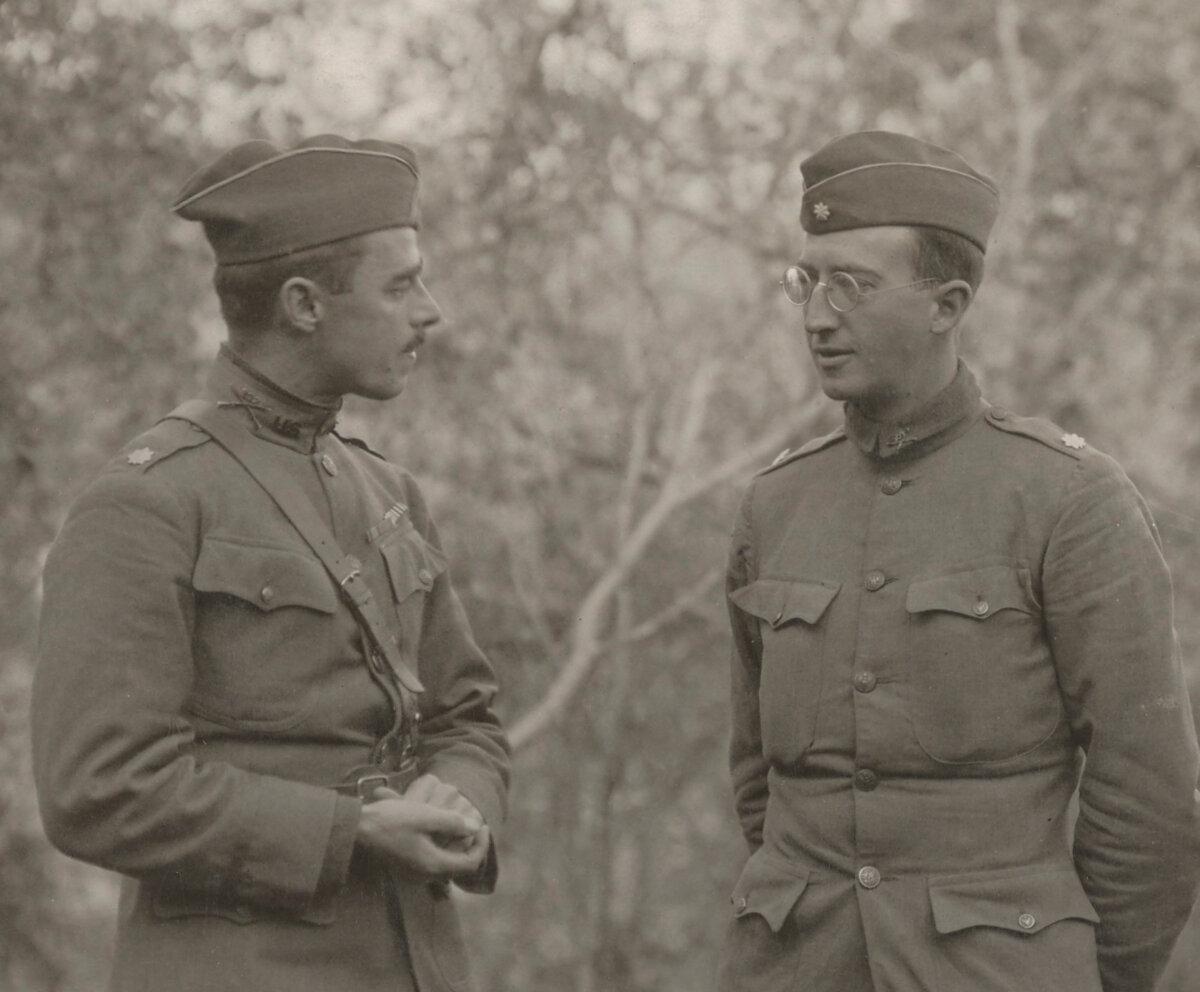
On Sept. 26, 1918, Maj. Charles Whittlesey and his 77th Division were ordered to launch an offensive attack against German forces. German soldiers had occupied the Argonne Forest in northeastern France, and had held it for four years. Whittlesey and his troops made good progress pushing through enemy forces, but they were unaware what was happening around them.The 77th Division pushed through the forest quickly. But what they didn’t know was that they had covered more ground than reinforcements on their right and left flanks. By Oct. 1, Whittlesey’s troops had started to tire, and they were running low on supplies. He hadn’t seen his reinforcements yet, so Whittlesey wanted to slow the progress into enemy territory. His commander refused.
Orders to Move
Whittlesey was ordered to keep moving his troops forward. He and his commander were unaware that the units on both sides of his troops had been stalled. After hearing his orders to continue moving forward Whittlesey responded: “All right. I’ll attack, but whether you’ll hear from me again, I don’t know.”Whittlesey and the 77th Division continued toward enemy lines until they took over a key vantage point, known as Hill 198, on Oct. 2. On Oct. 3 Whittlesey sent a runner back to request reinforcements, but he got ambushed. Once the scout didn’t return, they knew they had out-traveled their flanks. This meant they were entirely surrounded by enemy troops.
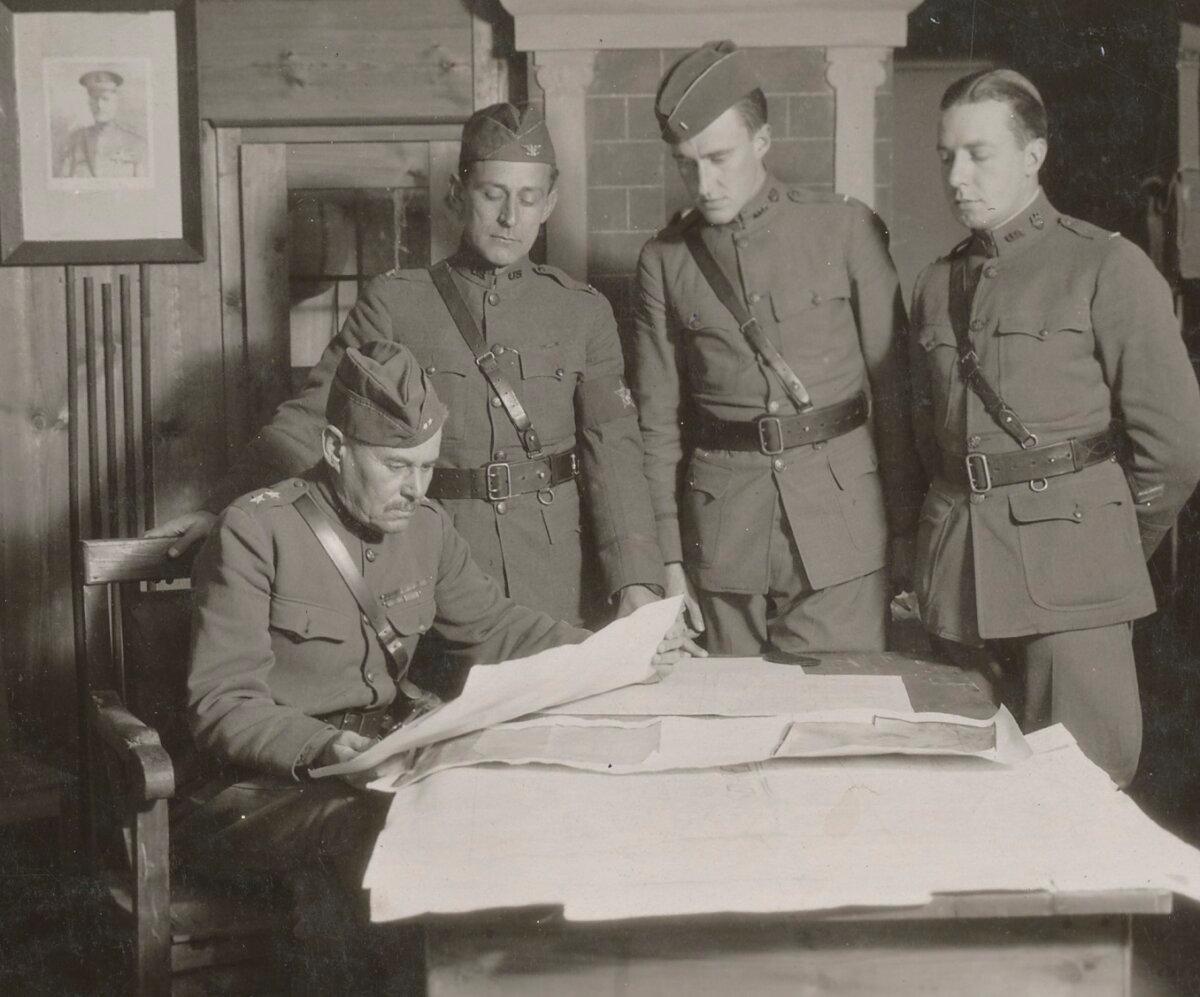
Over the next several days, German troops attacked the 77th Division from all sides as the U.S. soldiers tried to hold their ground. Many of the men were wounded, and food and supplies were running low.
Carrier Pigeons
There was no way to get messages through normal channels to their fellow soldiers who were firing on the 77th’s position. They turned to carrier pigeons. The first two pigeons flew in opposite direction of the troops immediately after being released with a message. The final carrier pigeon, named “Cher Ami,” took off with the message and, after surviving gunfire, delivered the message of the 77th Division’s location.

When the Allied troops stopped firing on the 77th Division, the Germans resumed their attack. Between Oct. 5 and Oct. 8, the Germans bombarded the 77th Division with machine guns, artillery, and even flamethrowers. Sometime during that period, one German commander tried to get Whittlesey and his troops to surrender. But Whittlesey never replied and continued to fight.
By Oct. 8, the Allied troops made good progress towards Whittlesey’s position, and a small patrol walked to Wittlesey’s position. The patrol found no Germans, because they had retreated. The patrol then led the reinforcements to the 77th Division’s position. The effort was successful and the remainder of the 77th Division was rescued.
The mission suffered great losses. Out of around 550 troops that were surrounded in the dense forest, only 194 men were rescued. An estimated 197 troops were killed, while approximately 150 went missing or were taken prisoner.
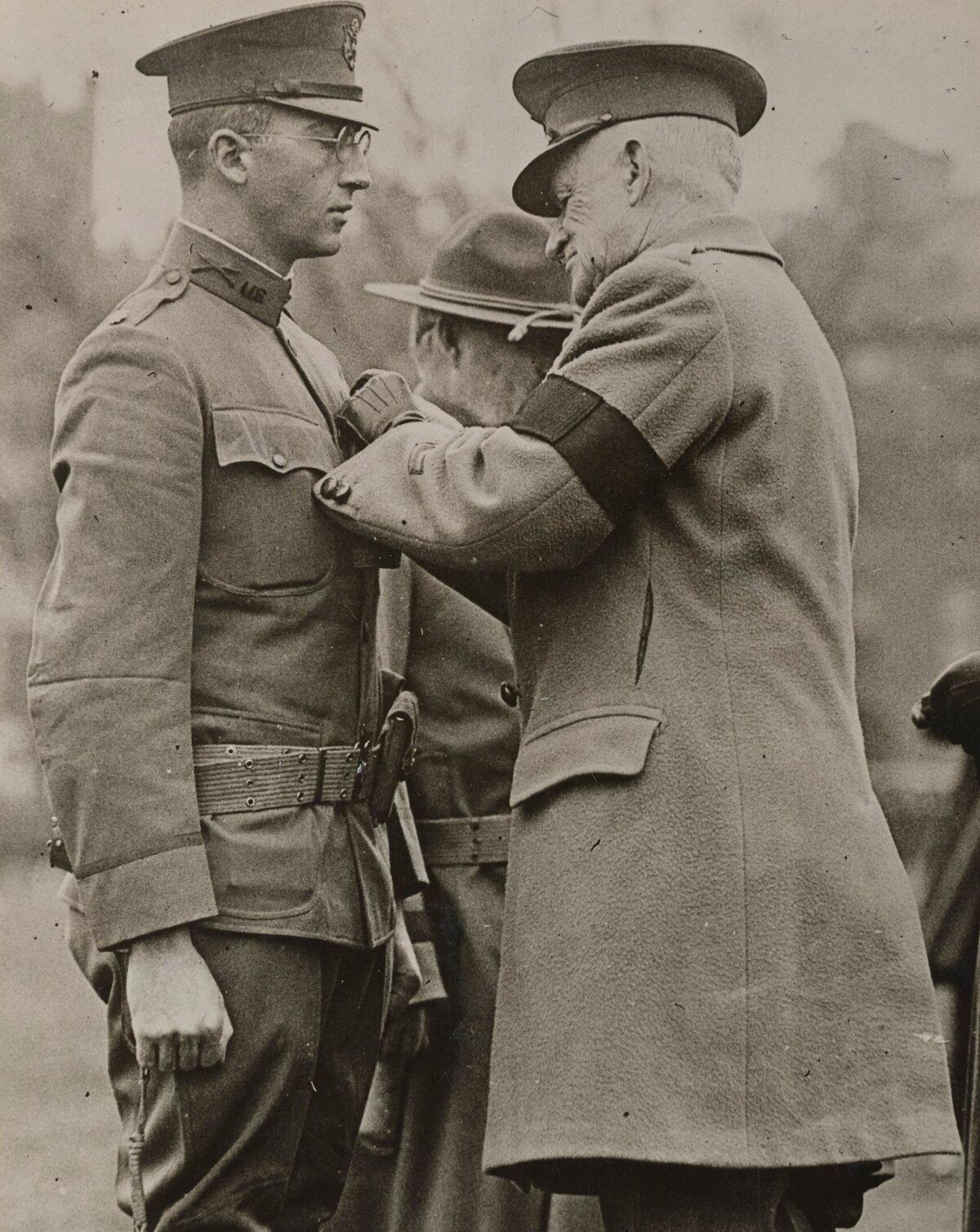
Whittlesey, along with Capts. George McMurtry and Nelson Holderman, received the Medal of Honor for their actions in the battle.