The town of Marottichal in the Kerala state of southern India was struggling with poverty and alcohol addiction in the mid-20th century. Charaliyil Unnikrishnan knew he had to do something for his hometown.
He teamed up with friends to help authorities put a damper on illegal alcohol production. But something else was needed. Unnikrishnan found a way to occupy the villagers and keep them from sinking back into a life of drinking and gambling.
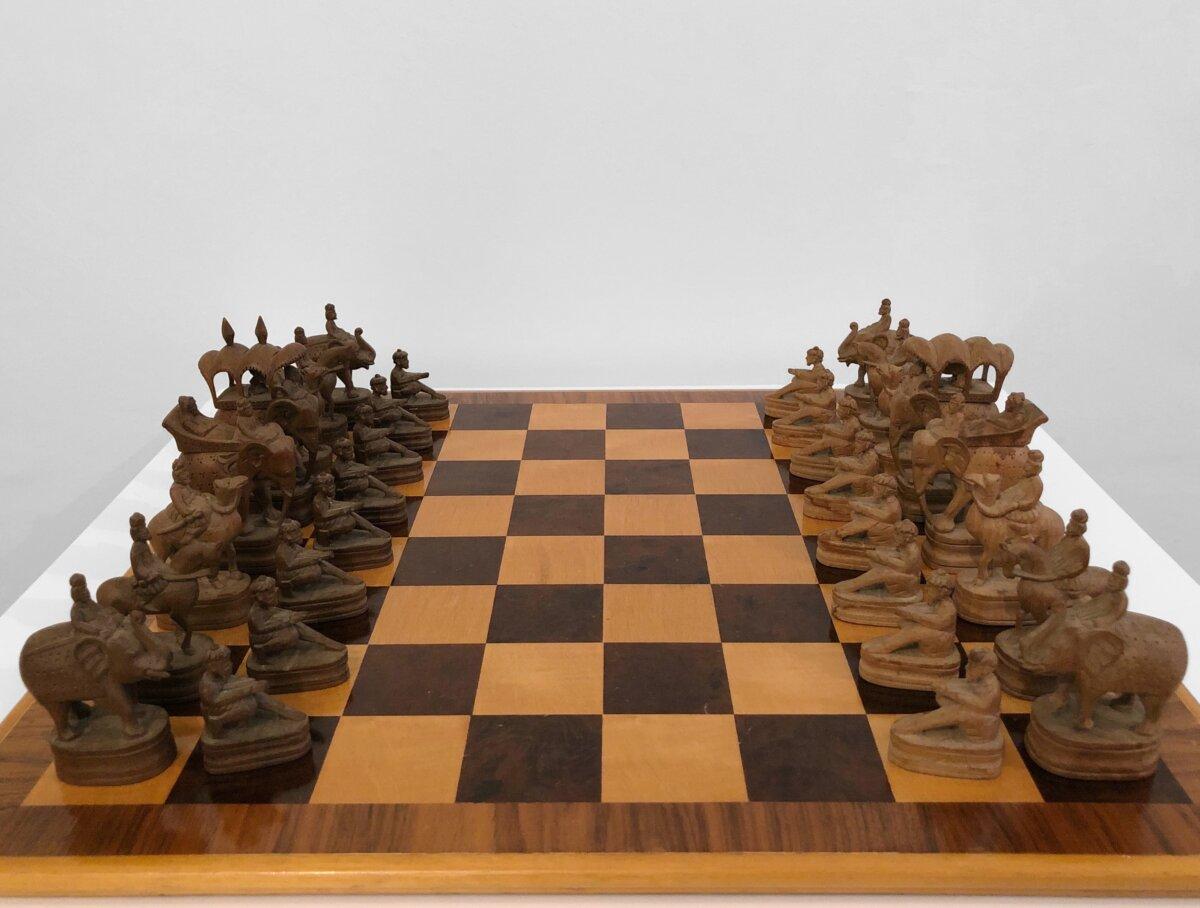
He turned to the ancient board game of chess in an attempt to instill a new positive addiction.
Alcohol Addiction
In the 1960s, three families in Marottichal started brewing alcohol for personal consumption to cope with hardships of working on plantations. By the 1970s, several households took on the trade and the village soon became a regional hub for illicit alcohol manufacturing.Soon, the alcoholic residents neglected their crops and became stricken with poverty. Many of the men in the village turned to illegal gambling. Before long, many in the village were drinking, brewing illegal alcohol, and gambling every night. Within the village, the alcoholism caused an increase in domestic violence and child abuse.
Unnikrishnan was exiled from Marottichal when he was young for choosing to practice Maoism (communist thinking promoted by former Chinese leader Mao Zedong). When he was 15 years old and living in a different part of India, he soon became obsessed with the child chess prodigy Bobby Fischer. Unnikrishnan studied the board game from watching a master and soon became hooked.


Raids on Alcohol Facilities
Women in the village were fed up with the illicit alcohol and the way the men were behaving. Unnikrishnan and his friends met with them to end the abuse. The women secretly told Unnikrishnan and authorities where the alcohol was being stored and produced at night.With the authorities, the friends conducted several raids and destroyed the alcohol and the distillery equipment. With no money to replace the destroyed equipment, much of the village’s illegal production ceased.
The villagers needed another way to spend their time. Unnikrishnan then opened up a tea shop. He started teaching people in the village how to play chess. Every day, the tea shop was available for chess matches. Soon? The rate of alcoholism in the village declined and people were hooked on the board game.
Once More a Popular Game
Over the last few decades, Unnikrishnan has taught over 700 people how to play chess. By the early 2000s, the town became known as “the Chess Village of India.”“People from all over the world come to see if [everyone playing chess] is true,” Unnikrishnan told Gulf News. “They all ask, like you did, why chess and I say—why not? Chess improves concentration and also teaches you to fight—not just on the board but also fight the hardships of life.”
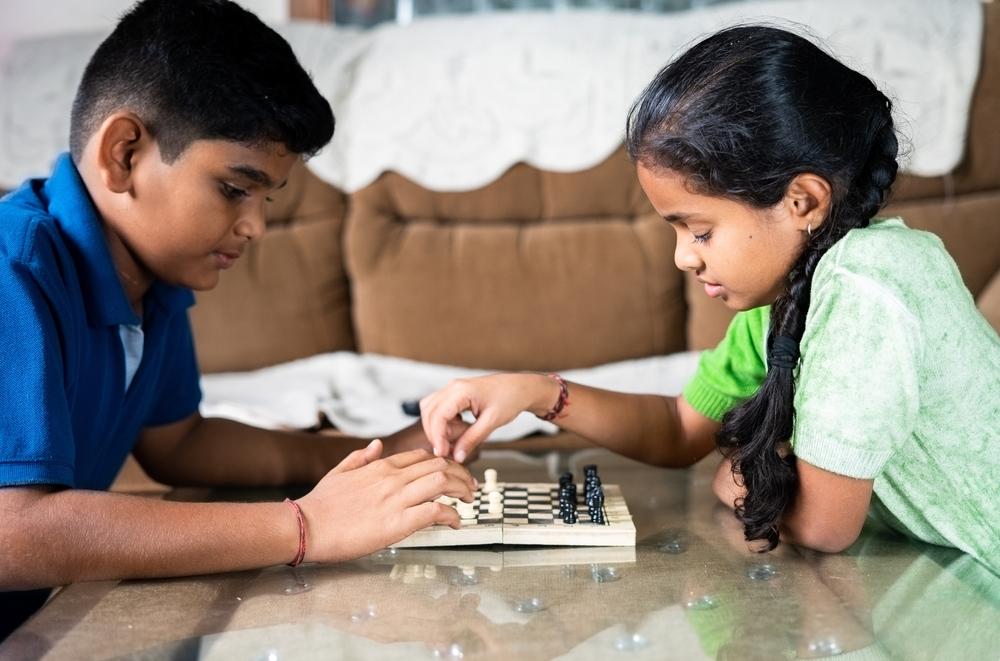
To this day, the village attracts visitors from all across the world to enjoy the mountain scenery and waterfalls, as well as challenge a local to a game of chess. While walking down the roads, people can be seen playing chess all over town. Village children are even hooked; in schools they can be seen challenging each other to a game of chess instead of being glued to their cell phones.
In 2016, Marottichal was given the Universal Asian Record by the Universal Records Forum for the most amateur competitors playing chess concurrently in Asia with 1,001. Today, at least one person in each household in the village knows how to play chess.
Out of the village’s 6,000 people, around 4,500 play the board game every day.