Life is often unpredictable. At some point, everyone experiences an unexpected situation that he or she cannot control.
Each having been left alone to care for a daughter, a widow and widower decide to marry. Before they marry, the widow promises that she will treat the widower’s daughter better than her own.
A House in the Woods
One snowy, icy day, the woman gives her stepdaughter a dress to wear made of paper and tells her to find her some strawberries. The young girl is shocked because strawberries can’t grow in ice and snow, and she will freeze wearing only the paper frock. Her stepmother ignores her pleas and sends the girl out into the cold.The young girl journeys into the woods and soon finds a small house with three little men inside. They welcome her in, and she begins eating a measly piece of bread while warming herself by the fire. Seeing the bread, the three men ask her for some and, despite the small amount, she shares half with them.
Blessings for the Virtuous
As she heads outdoors, the three little men each wish a blessing upon the virtuous girl. The first wishes that “she shall grow prettier every day,” the second wishes that “each time she speaks a piece of gold shall fall from her mouth,” and the third wishes that “a king shall come and take her for his wife.”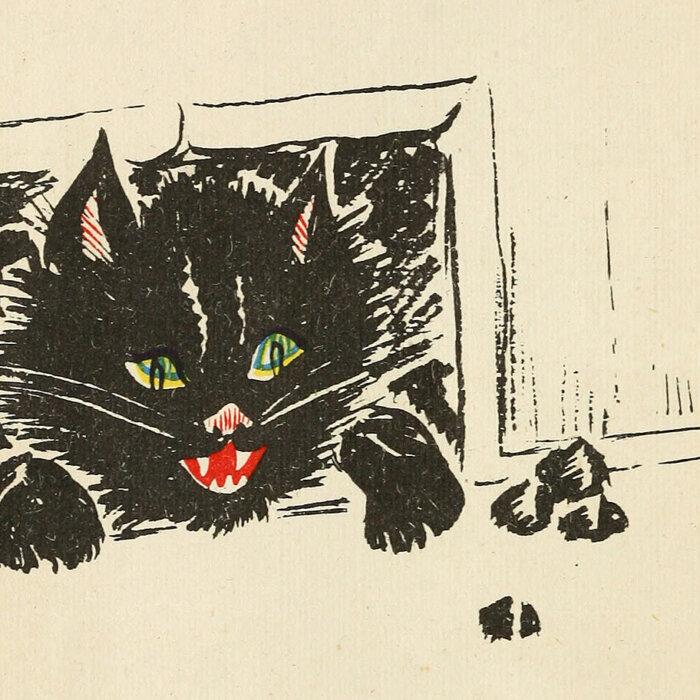
The young girl sweeps the stoop outside and, to her amazement, finds a patch of wonderfully ripe strawberries, which she gathers into her basket. She thanks the three men, shakes their hands, and heads home.
The moment the young girl greets her stepmother and stepsister, a gold coin falls from her mouth. Jealous of her stepsister, the woman’s daughter decides to journey out into the snow, too.
The woman’s daughter also finds the house and the three little men. However, she treats the three men in a rude and unkind way, so they bestow upon her three wishes. The wishes they bestow upon her prove to be very different from her beautiful stepsister’s.
Through this story, children can learn that no matter what circumstances they may find themselves in, they can always control how they respond. In his story “The Boy, the Mole, the Fox, and the Horse,“ Charlie Mackesy says, ”One of our greatest freedoms is how we react to things.”
When children respond to situations with virtue and kindness, they render themselves more and more beautiful, whereas when they react with vice and cruelty, they render themselves more and more ugly. By reacting virtuously, they attain a freedom that enhances themselves and their hearts.