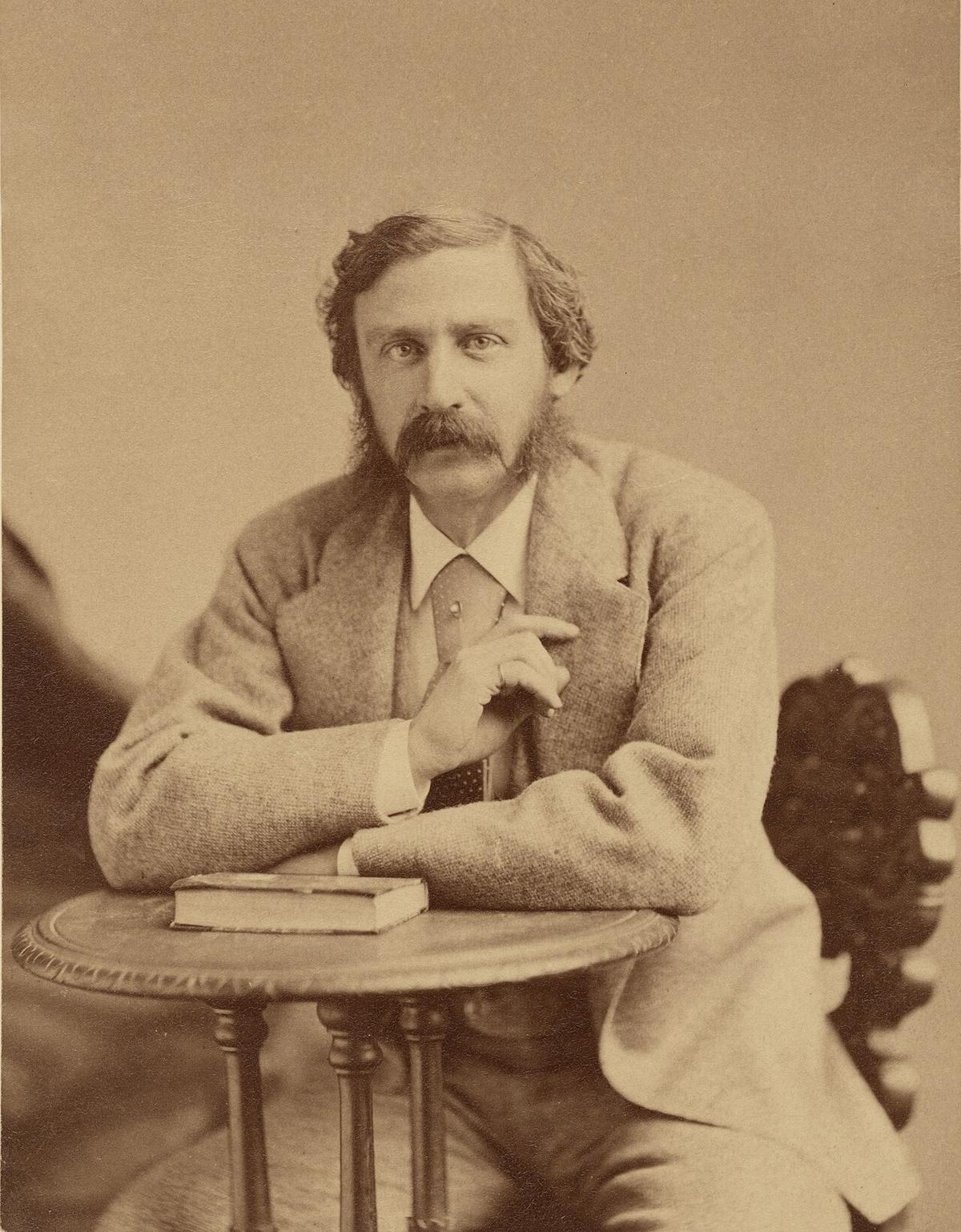
Daydreaming is interesting in that, while one remains awake, consciousness shifts out of the present. In his short story “A Lonely Ride,” Bret Harte meditates upon how it is especially active when one is alone.
The Stagecoach
A young man stands outside a hotel beside the stagecoach, which will take him from Wingdam to Slumgullion, California and opens the stagecoach door. Much to his astonishment, three people come up to the carriage and either spit on it or in it. Moreover, the stagecoach is empty. He will ride by himself with only the driver outside for company.
Slightly disturbed that he will be the only one in the coach, the man implies to the driver that he would like to sit atop with him, but the driver takes no notice. Yet, despite this uneasiness, the young man throws his bags inside and launches himself in after them.
The coach rides forward at a leisurely pace and the young man tries to settle in. Despite having so much room to himself, he can’t get comfortable and his mind begins wandering, reliving past events and exaggerating everything he thinks of.
He relives his experience at the hotel, where he feels that he was a bit ostracized. The rhythm of the coach irritably calls up one particular sentence he overheard uttered by an old man: “I sez to Mariar, ‘Mariar’ sez I, ‘praise to the face is open disgrace.” The coach rocks and bumps and the young man mentally recites in rhythm: “Praise-to-the-face-is-open-disgrace.”
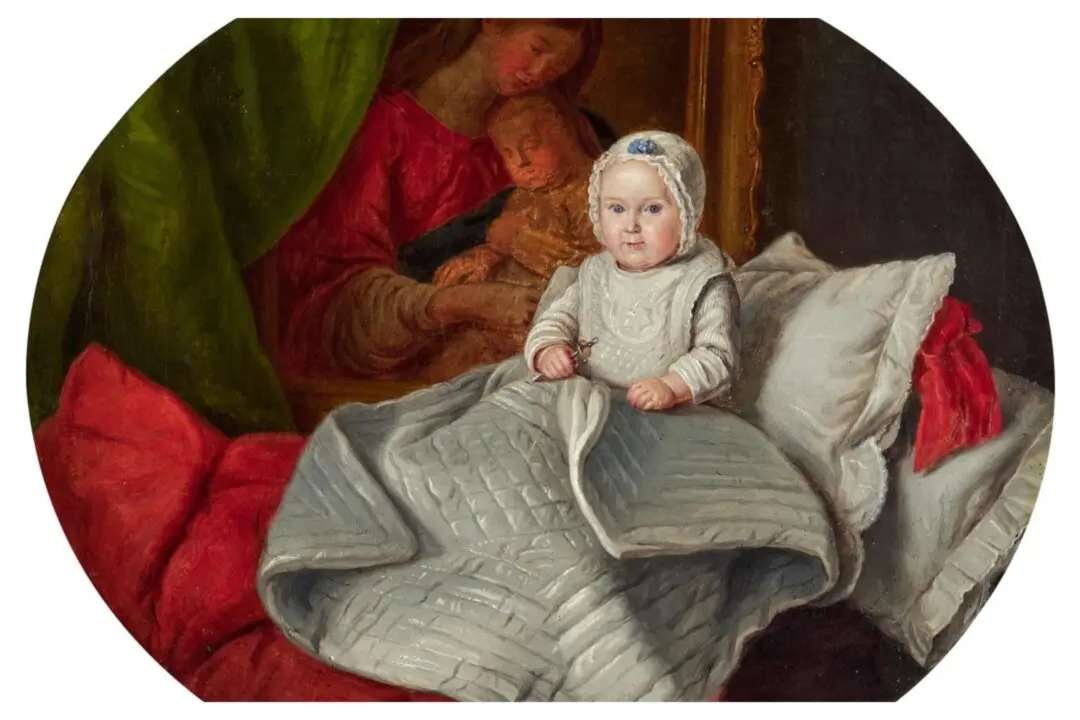
Air Castles
Yet, while this nonstop barrage of past experiences grates on him, the man suddenly realizes that he doesn’t hear and hasn’t heard the driver. The young man’s mind quickly jumps to the most dramatic conclusions and his imagination takes flight: “Was there any driver? Had I any reason to suppose that he was not lying gagged and bound on the roadside, and the highwayman, with blackened face, who did the thing so quietly, driving me—whither?” The young man then imagines he’s a French marquis kidnapped by brigands.
From kidnapped marquis, his mind quickly shifts to the night sky outside, then, just as quickly, it turns its attention towards the woman’s hairpin that he finds in the coach. He constructs a story for the hairpin, trying to gain insight as to its owner and her history.
As the ride continues, the young man dozes, never really being fully aware of his surroundings. Finally, the coach stops, but not where he expects.
Through this story, Harte inspects the mind’s tendency to not only wander, but also exaggerate circumstances and past conversations. He demonstrates, as Washington Irving wrote in “The Legend of Sleepy Hollow and Other Stories”: “There are certain half-dreaming moods of mind in which we naturally steal away from noise and glare, and seek some quiet haunt where we may indulge our reveries and build our air castles undisturbed.”
Yet daydreams are very funny because of those castles and reveries. Most daydreams contain circumstances so ridiculous and impossible that they become laughable. Thus, when reflect upon later, daydreams can provide the exceptional comedy and are worth enjoying.
What arts and culture topics would you like us to cover? Please email ideas or feedback to [email protected]