A defining characteristic of children is their honesty. With their lack of a filter, children will say what they believe without hesitation or qualm.
Precocious Remarks
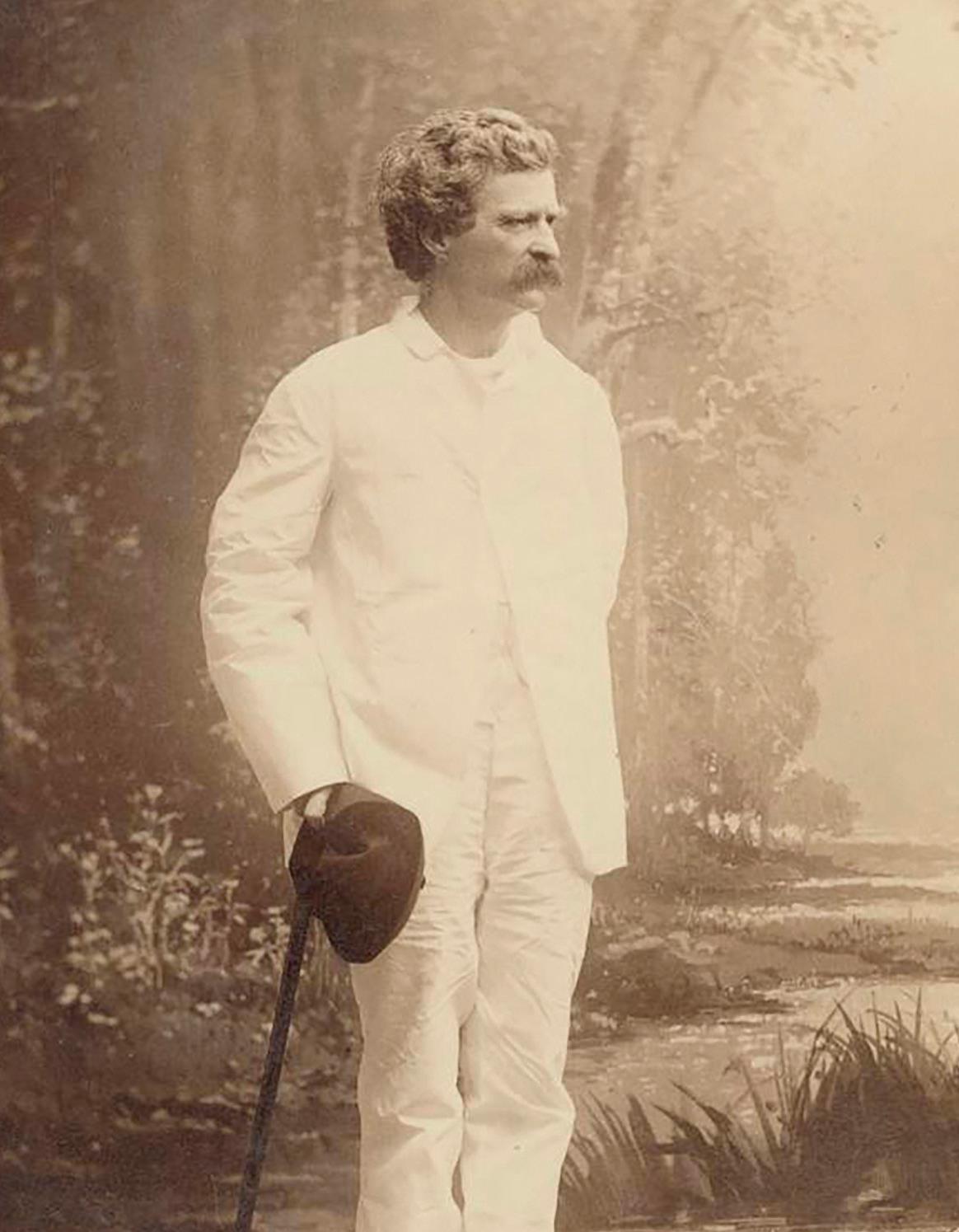
Twain begins by stating that children have the “fashion nowadays of saying ’smart' things on most occasions.” Nevertheless, he feels frustrated that so many parents publicly publish their children’s “smart sayings” when, in his opinion, they aren’t actually very intelligent responses at all.
Of course, Twain admits that he feels spiteful because his brilliance as a child was neither looked upon fondly nor written down for posterity. He confesses that his “smart things” created a rift between him and his father.
Punny Perceptions
Twain then regales the reader with the fateful “pun” that proved so impactful.His parents, aunt and uncle, and some others sat together, trying to come up with a name for the two-week old Twain, who lay teething and listening critically to their debate.
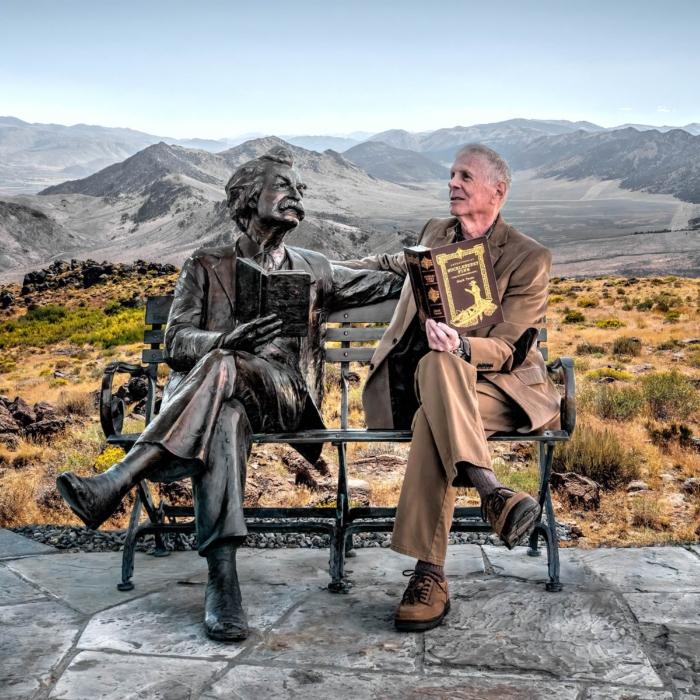

His father suggested “Abraham,” to which his mother heartily agreed. Baby Twain piped in: “Abraham suits the subscriber.” His mother and aunt seemed charmed by this response, but his father only frowned.
“Isaac” and “Jacob” were suggested next and, again, his mother agreed. “All right,” infant Twain responded. “Isaac and Jacob are good enough for yours truly. Pass me that rattle, if you please. I can’t chew India-rubber rings all day.” No one seemed pleased at this remark, especially his father.
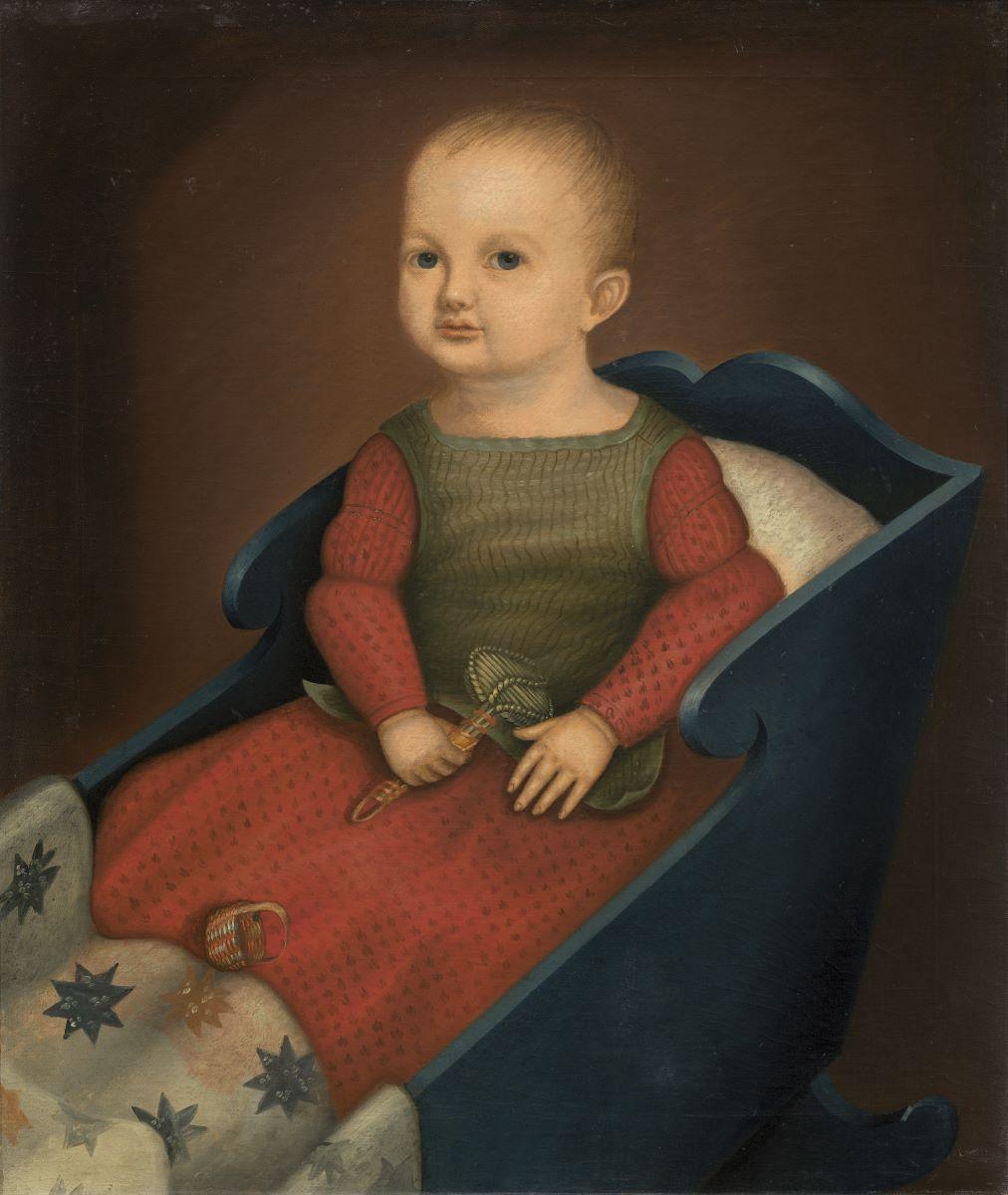
Finally, his father suggested that they name the little boy “Samuel.” Twain realized this name didn’t bode well, so he “put on [his] little frock and [his] little bonnet, and took [his] pygmy shoes in one hand and [his] licorice in the other, and climbed out on the floor.” He then faced his father and announced that he couldn’t stand the name “Samuel.”
Everyone was bewildered at this blunt response. His father asked his reasons for disliking “Samuel” and baby Twain prepared to defend his opinion, as well as run as fast as he could from his father afterward.
Through this story, Twain contemplates children’s wit and precociousness by presenting the most ridiculous of situations. His story succeeds because he presents an absurd scenario in which a two-week old baby spouts articulate opinions to his elders. It is ridiculous, yet it captures children’s unfiltered (and sometimes brutal) honesty.
The spirit of Twain’s story can be perfectly summed up in Charles Dickens’s words from “Bleak House”: “He stands precociously possessed of centuries of owlish wisdom. If he ever lay in a cradle, it seems as if he must have lain there in a tail-coat.” Children, both Twain and Dickens observe, oftentimes bear a wisdom beyond their ages.
Such wisdom, though sometimes difficult to grasp, should be enjoyed and, in Twain’s opinion, written down for posterity. For wisdom should always be heeded and held on to, no matter how small the source.