As a husband and wife expectantly await the arrival of their long-wished for child, the wife looks out their window into the garden next door. A high wall protects this garden, which belongs to a dreaded enchantress. Nevertheless, the wife sees a rampion plant, also known as rapunzel, in the garden and begins craving it.
The wife’s craving becomes so extreme that she gradually pines away for the delicious plant. Unable to endure watching his wife suffer, the husband climbs over the wall and takes some rampion. The wife joyfully receives the delicious plant and makes a delightful salad with it.
However, having tasted the plant, the wife’s craving increases all the more, so the husband sneaks back into the enchantress’s garden. Upon descending the wall, the husband looks up and sees the enraged enchantress before him. She scolds him for stealing her rampion and threatens to harm him. Frightened, the husband begs for mercy.
The Tower
The wife soon gives birth to a little girl, whom the enchantress takes and names “Rapunzel.” The enchantress rears Rapunzel with great care and the infant soon grows into the most beautiful, charming child with an angelic voice.Once Rapunzel turns 12, the enchantress takes her to a forest and confines her in a high tower, without door or stairs. High in this tower, Rapunzel lives and grows into a beautiful young woman.
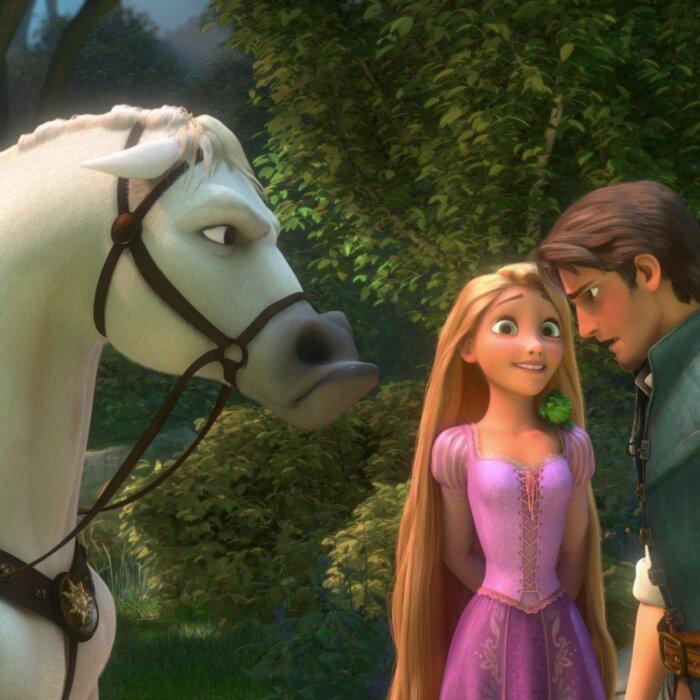
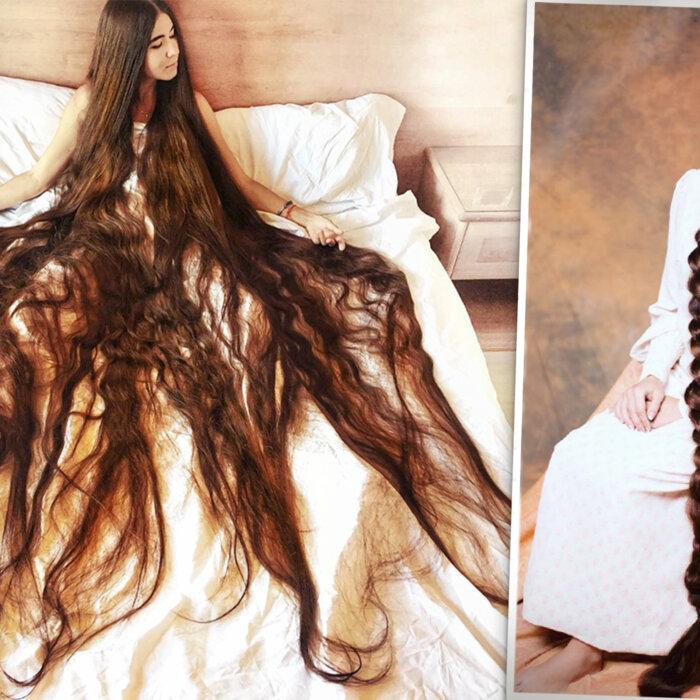
The tower has only a window near the top, and when the enchantress wishes to come up, she calls: “Rapunzel, Rapunzel, let down your hair to me.” And Rapunzel, who has beautiful, long hair, throws it down, so that the enchantress can climb up.
One day, while passing her tower, a prince hears Rapunzel singing. Enchanted, he wishes to meet her, but can find no door.
Although living far away, the prince is undaunted by the distance and comes every day to listen to her sing. One night, the prince sees the enchantress approach the tower and hears her call to Rapunzel. The next night, the prince returns to the tower and calls, getting Rapunzel to let down her hair for him.
In the tower, Rapunzel is startled to find a man before her, but his words and kindness quickly soothe her fears. He is taken with her beauty and she with his kindness. They meet several times, and she soon agrees to marry him.
When the enchantress discovers that the prince has been visiting Rapunzel, she hides Rapunzel in a desert. The prince returns to the tower only to discover the furious enchantress, rather than Rapunzel.
Despairing at the loss of his love, the prince jumps from the tower and in a thorny plant. The thorns pierce his eyes and he loses his sight. He blindly wanders throughout the land, sorrowful at the loss of his love.
Through this story, children can learn the value of beauty and love and how they shouldn’t be hidden. For just as Rapunzel’s beautiful voice carries beyond the tower walls, beauty bursts out and inspires others wherever it can. And, just as the prince’s love brings joy to Rapunzel when she is imprisoned, love heals the soul and brightens the world.