Hindsight allows us to see why this novel decrying slavery sold more than a million copies in its first year of publication. Until that point, many ministers, politicians, and newspaper editors had railed against slavery, but “Uncle Tom’s Cabin,” with its Christlike Uncle Tom, the courageous Eliza, and other slaves, put a face on the abstracts constructed by abolitionists.
As Wife
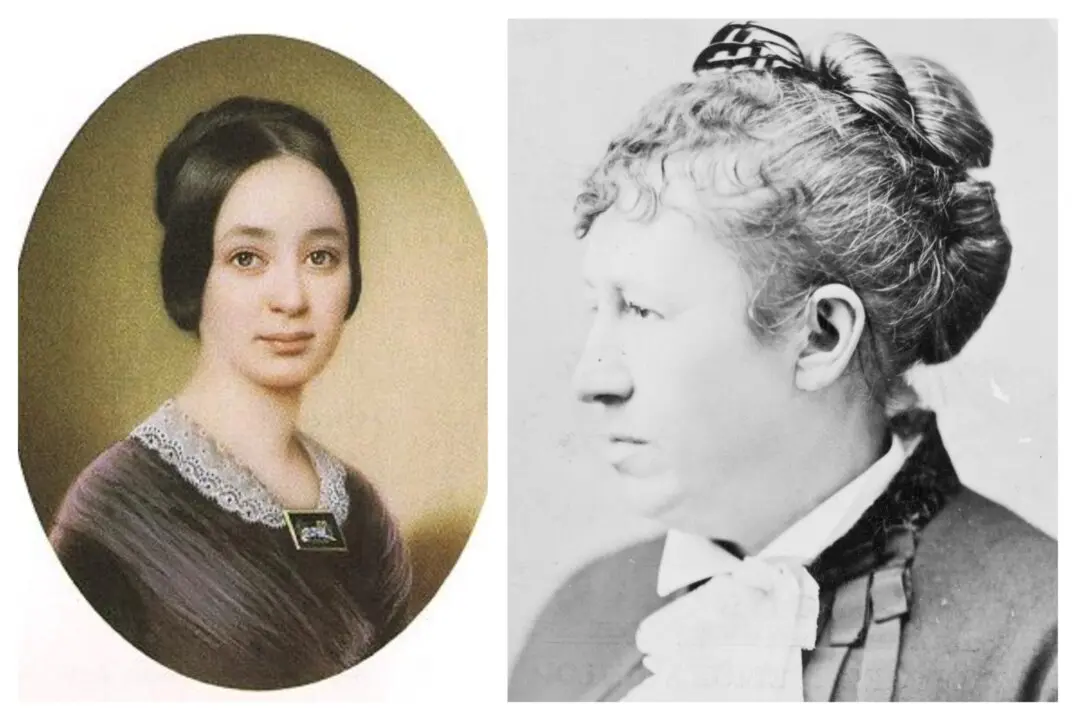
In 1832 the renowned minister Lyman Beecher packed up his family, including 21-year-old Hattie, and left Connecticut for Cincinnati. There, he became president of a theological seminary. The move brought tremendous consequences, for there that Hattie met and married Calvin Stowe.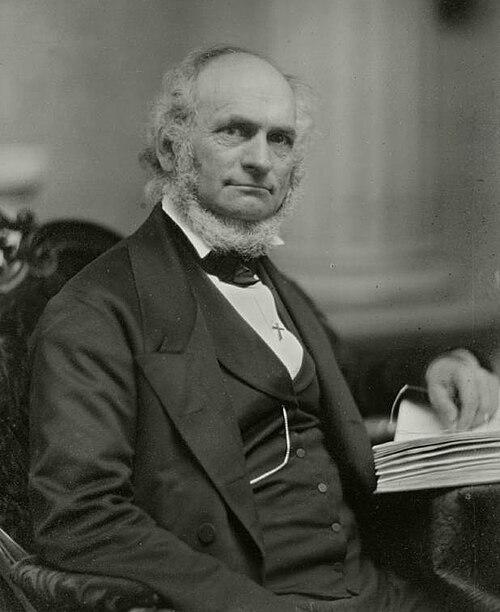
Fluent in seven languages, Calvin was one of the foremost Biblical scholars of the day. Yet he was also an eccentric, claiming, for example, that he communicated with “phantoms.” He was temperamentally ill-equipped to handle difficulties and had trouble as a professor making ends meet. Before the publication of “Uncle Tom,” the couple at times lived in near poverty, occasionally bickered, and were often separated by circumstance.
Yet Stowe understood her odd husband and found some of his quirks humorous. When once he wrote to her that he was on death’s door and that she must prepare herself to be beaten down by debt, she knew him well enough to laugh off his dramatics and throw the letter into the stove.
Moreover, despite all their struggles and the tragic deaths over time of four of their seven children, they loved each other. Calvin not only adored his wife—“There is no woman like you in this wide world”—but he was also her biggest supporter, writing in this same letter, “My dear, you must be a literary woman. It is so written in the book of fate.” Hattie returned that love in full: “If you were not already my dearly loved husband I should certainly fall in love with you.”
As Warrior
Stowe demonstrated a similar loyalty after becoming close friends with Lord Byron’s much-maligned widow, Annabella. It was during their friendship that Annabella confided about Byron’s unwholesome relationship with his half-sister, a confidence Stowe honored with silence.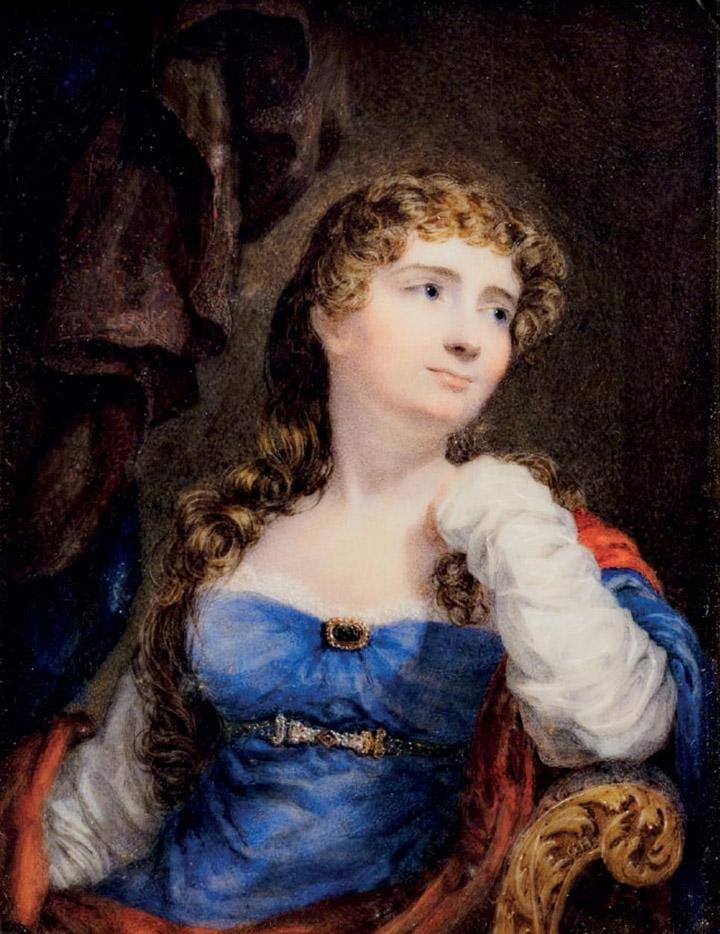
That silence ended when, long after Annabella’s death, Lord Byron’s mistress, Countess Guiccioli, published a memoir insulting Annabella, declaring that she was a horrible nag and religious zealot who had driven her husband from bed and home. While most people would have let the insults pass, a rankled Stowe published an article in The Atlantic Monthly telling of Byron’s secret.
Work and Faith
“After the war she kept on writing,” McCullough notes of Stowe. “In fact, as is sometimes overlooked, that is what Harriet Beecher Stowe was, a writer, and one of the most industrious we have ever had.”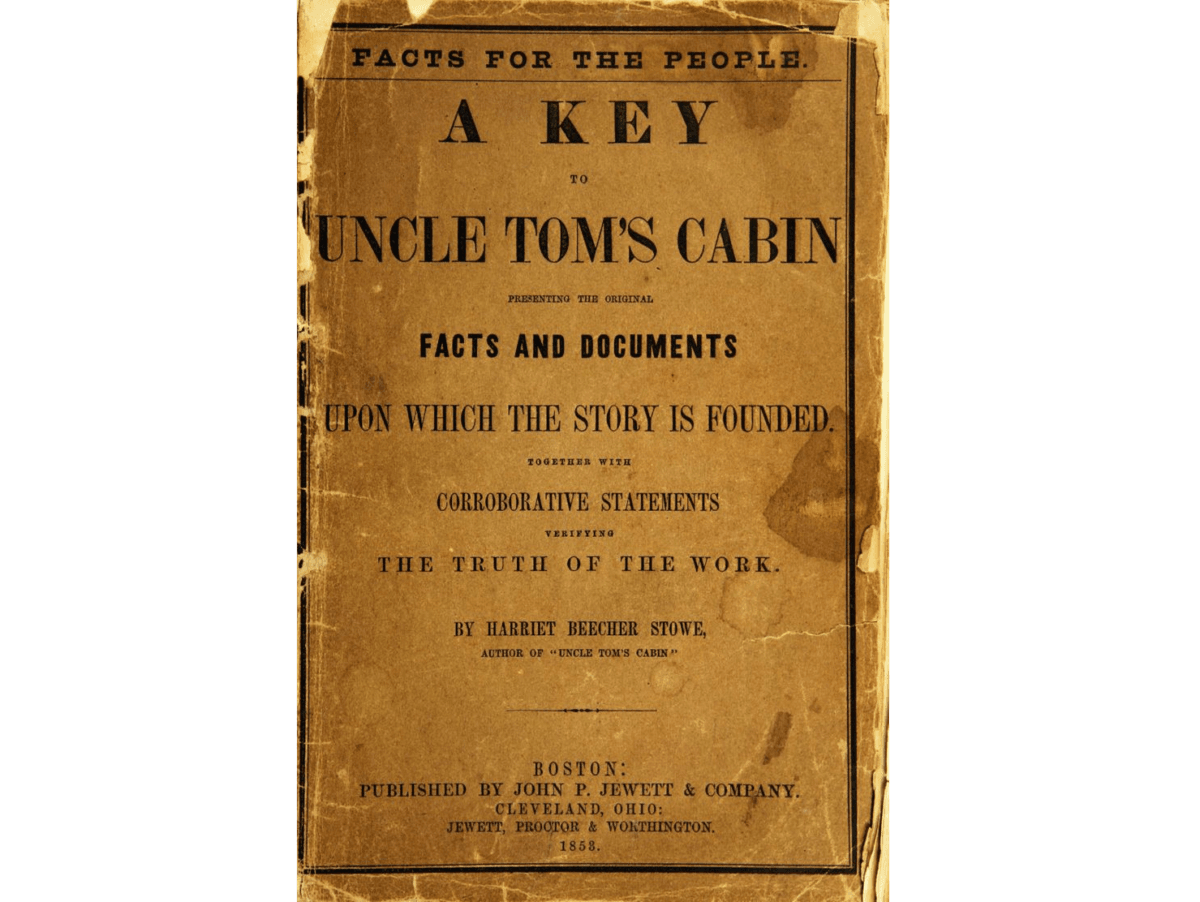
Even after the success of “Uncle Tom’s Cabin,” Stowe continued putting pen to paper, producing a river of books, essays, poems, and magazine articles. Considering the circumstances under which she wrote, first as the mother of young children and often in poor health, and later when dealing with the demands on her time and energy created by “Uncle Tom’s Cabin,” Stowe’s output truly was remarkable.
McCullough writes, “She had been brought up to make herself useful. And always it suited her.” Underpinning that love, loyalty, and work ethic were her religious convictions. Though her views altered with time—she abandoned the stern Calvinism of her girlhood—she remained a devout Christian.
Weeping for a night alone endureth, God at last shall bring a morning hour; In the frozen buds of every winter Sleep the blossoms of a future flower.
What arts and culture topics would you like us to cover? Please email ideas or feedback to [email protected]