5. ‘Crescent Dawn: The Rise of the Ottoman Empire and the Making of the Modern Age’
By Si Sheppard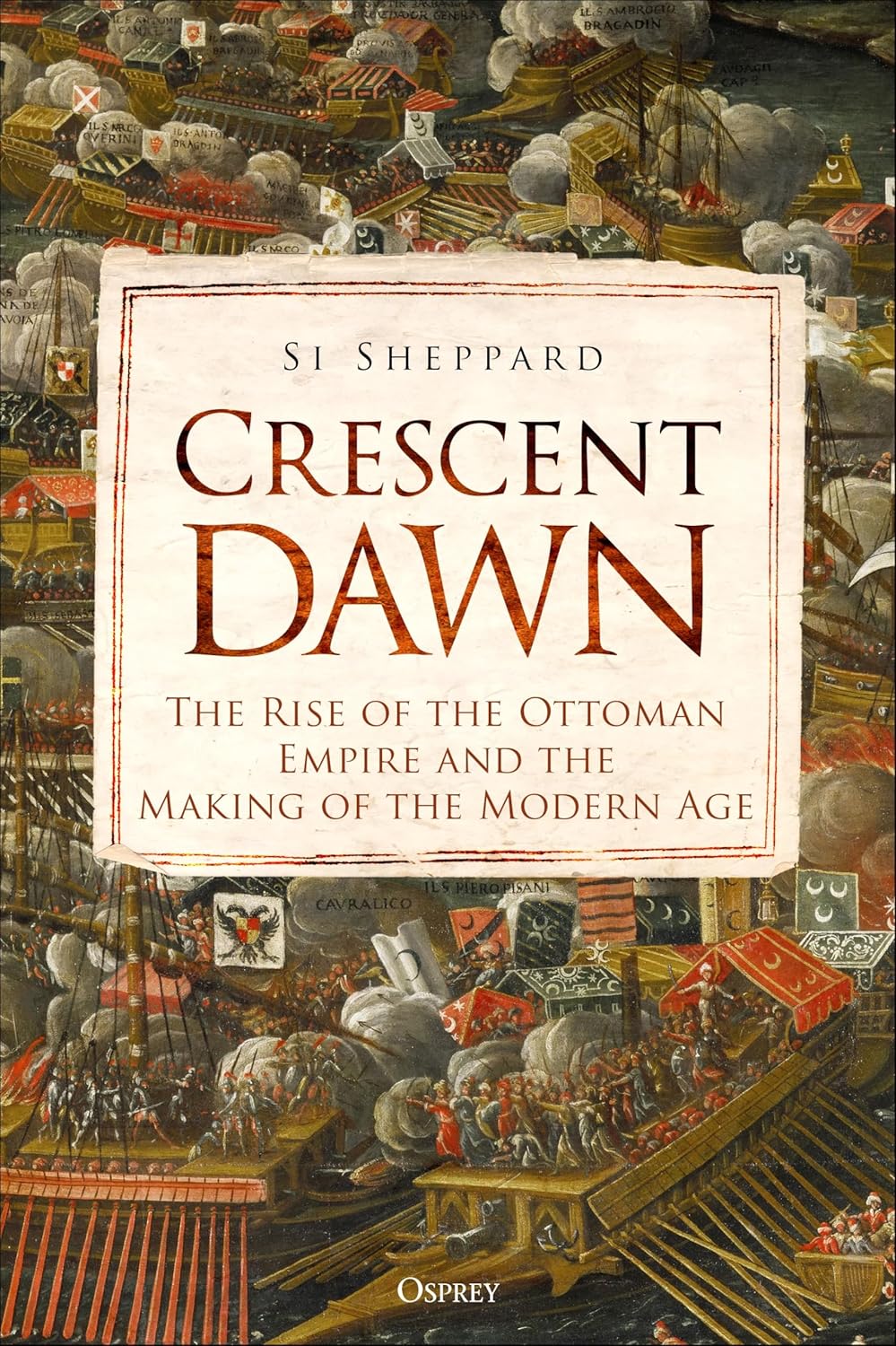 The rise of the Ottoman Empire was one of blood, chaos, and war—a trinity of reasons to read “Crescent Dawn.” The battle between Christendom and Islam is one of the great epics of human history. Si Sheppard brings us to the frontlines of countless battles, introduces us to the heroes and villains of this multicentury struggle, and gives us an appreciation for the warriors on both sides that perhaps we never thought possible.
Popes, kings, pashas, knights, admirals, and assassins scour the lands and waters of Africa, Europe, the Atlantic, and the Mediterranean. It is war and conquest through and through, and the author leaves no gruesome detail unheralded. It is the perfect history book for readers who want to see the collision of chivalry and treachery, heroism and fear, all done in the name of God.
4. ‘Gems of American History: The Lecturer’s Art’
By Walter A. McDougall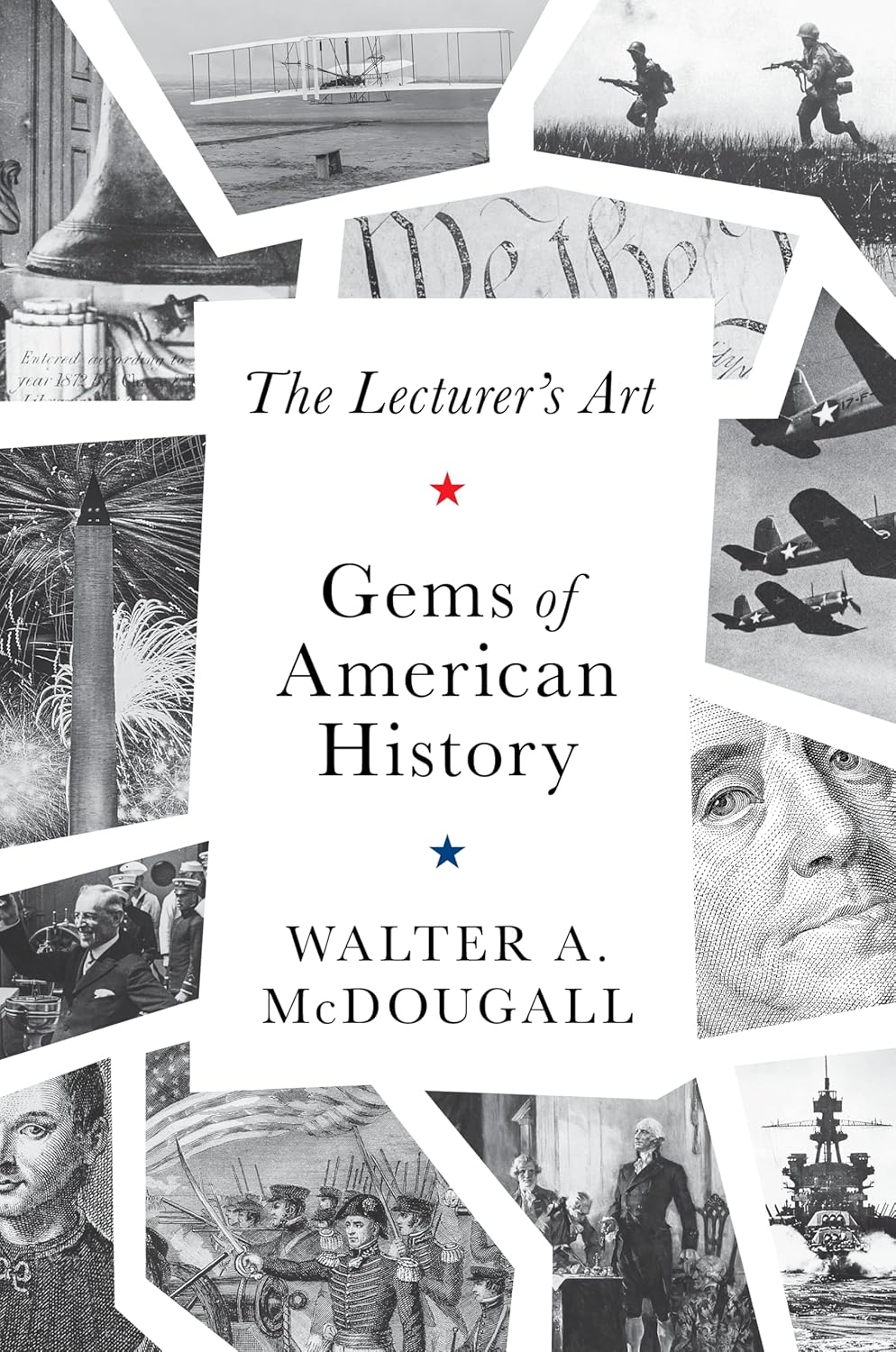 Over the past three years, this is the first history book selection that is a collection of essays. The essays, which were first lectures, are written by Walter A. McDougall, the longtime professor of history and international relations at the University of Pennsylvania and a Pulitzer Prize-winning author. Covering a 200-plus-year period of American history, these essays are full of insight into our leaders’ domestic and foreign policy decisions that have had a cascading effect right up to today. Even with the more common topics, like the American Revolution or the Cold War, McDougall presents information and perspectives that will be new to readers.

3. ‘The Writer’s Lot: Culture and Revolution in Eighteenth-Century France’
By Robert Darnton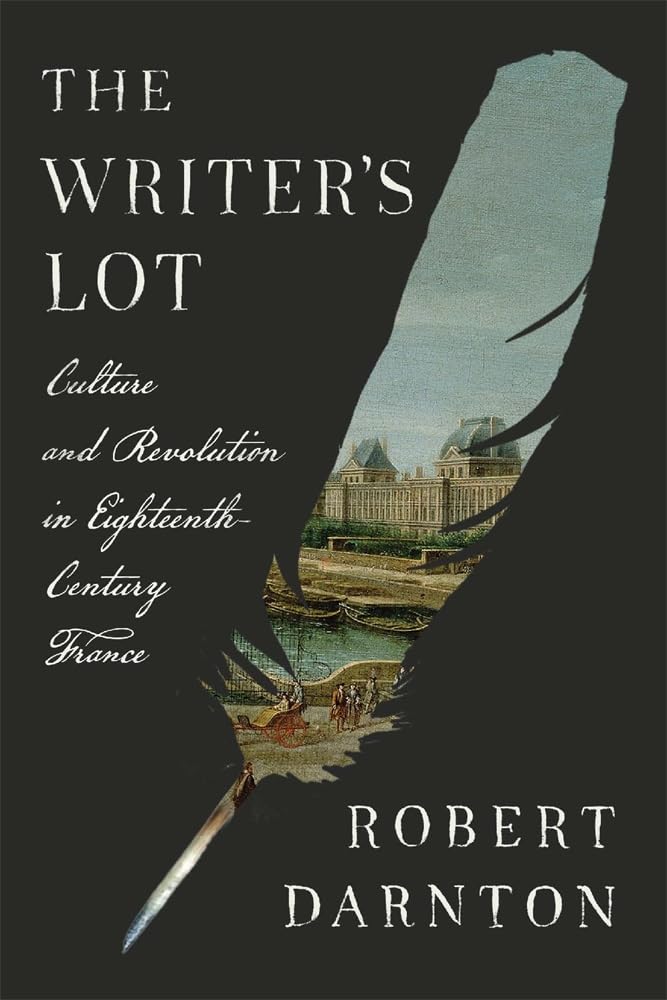
The French Revolution is a fascinating period of world history. For historian and author Robert Darnton, it’s his specialty. The French Revolution upended centuries of societal norms and class structure, ultimately leading to chaos, bloodshed, a new system of government, and the rise of Napoleon Bonaparte. But among the gunpowder and guillotines, how much of a role did the pen play? As a literary device to answer this question, Darnton uses the careers of three writers whose lives begin and end in very different ways.
2. ‘Mark Twain’
By Ron Chernow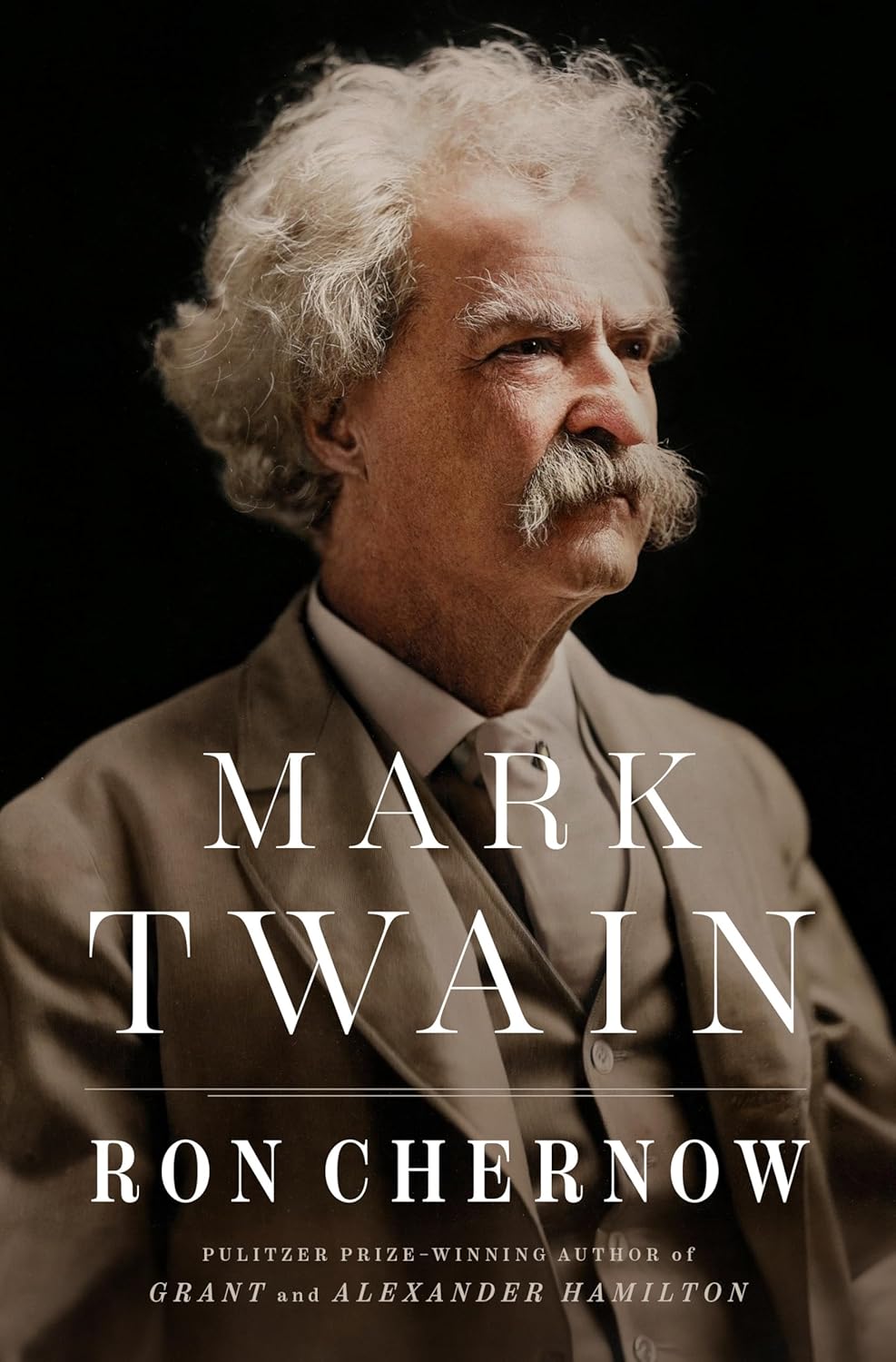 It seemed inevitable that arguably America’s greatest writer would be covered by arguably America’s greatest single-volume biographer. Mark Twain is an American household name for many good reasons. His literary works are practically unparalleled, and as Ron Chernow indicates, he was unparalleled in many other ways. Twain’s personality, social and political views, and personal philosophies were reflected in his many works. In Chernow’s biography, we witness the origins of those views and philosophies, as well as his fears, quirks, and wit.
Chernow’s work presents a larger-than-life figure and makes him relatable, irritating, confounding, and worthy of both praise and pity. The author has produced a long list of single-volume biographies, including on George Washington, Ulysses S. Grant, and John D. Rockefeller, each exhaustively researched and wonderfully written. His Mark Twain biography is no different. A grand work worthy of its subject.
1. ‘Lawless Republic: The Rise of Cicero and the Decline of Rome’
By Josiah Osgood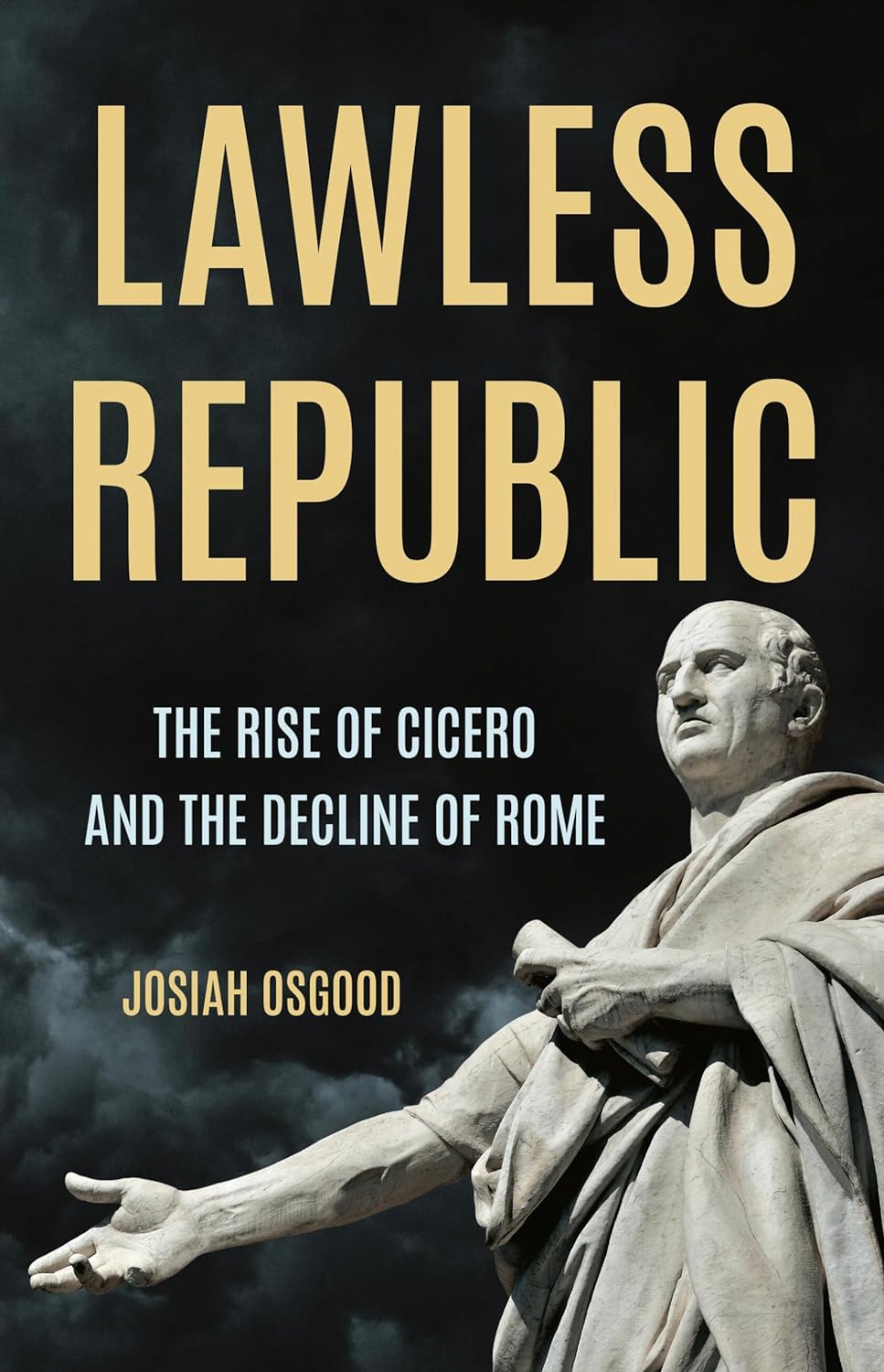 Why did the Roman Republic devolve into the Roman Empire? That’s a question with many answers. Josiah Osgood, one of the nation’s leading scholars on the waning years of the Roman Republic, provides several of the more convincing answers via the actions of one of the city-state’s most important figures: Marcus Tullius Cicero. Osgood seamlessly weaves together several of Cicero’s court cases—either as defender or prosecutor—to present how the vices of Rome caused it to cave in on itself.