‘The American Southwest’: A Plea to Conserve America’s Beauty

Fin & Fur Films is a collection of professional creatives passionate about wildlife conservation and ‘The American Southwest’ is a beautiful, heartfelt example.
‘The American Southwest’: A Plea to Conserve America’s Beauty
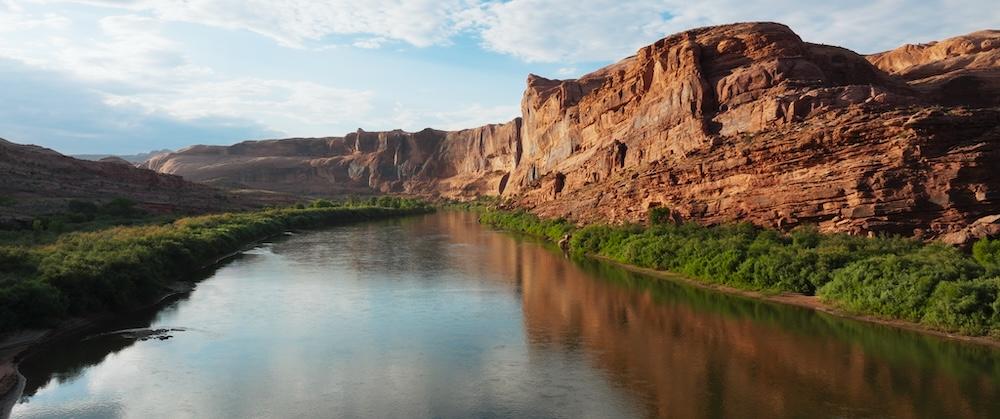
A section of the Colorado River in "The American Southwest." Fin & Fur Films
Mark Jackson
Mark Jackson
Film Critic
|Updated:
0:00

G | 1h 47m | Nature, Conservancy, Documentary | 2025

“The American Southwest” is a breathtaking journey down the Colorado River—a feast and celebration of nature that borders on the religious. At once a revelation of the divine hand in the creation of nature, “The American Southwest” is also a sad, frustrating example of how Earth’s only species entrusted with free will—humans—wreaks havoc upon the Creator’s work.
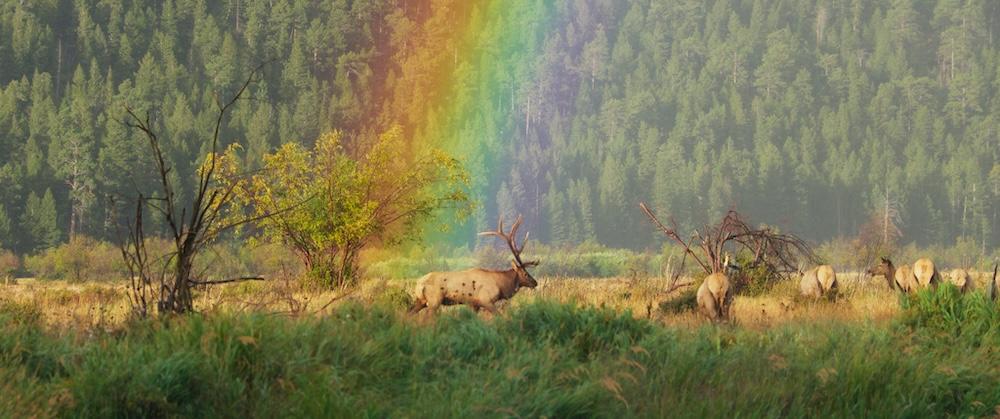
Elk herd in "The American Southwest." (Fin & Fur Films)
Elk herd in "The American Southwest." Fin & Fur Films

As the film follows the mighty river that carved the Grand Canyon from its inspiring origins to its currently tragic, depleted, and ultimately human-stymied attempt to reach the sea, it reveals all manner of astonishing beauty and biodiversity. It likewise reveals the human proliferation and ego that’s succeeded in throttling vast expanses of wildlife in order to wring and reroute every last drop of water and energy for human consumption.
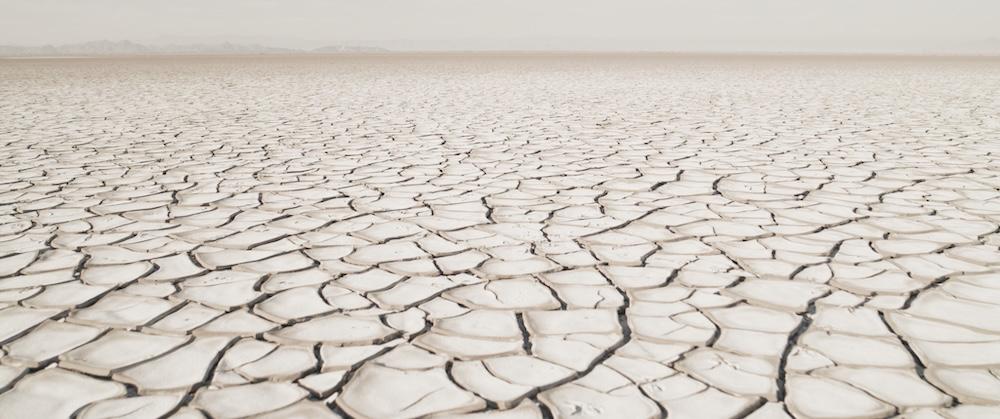
The desiccation of the delta where the Colorado River ends before it reaches the ocean, in "The American Southwest." (Fin & Fur Films)
The desiccation of the delta where the Colorado River ends before it reaches the ocean, in "The American Southwest." Fin & Fur Films

The Storytelling

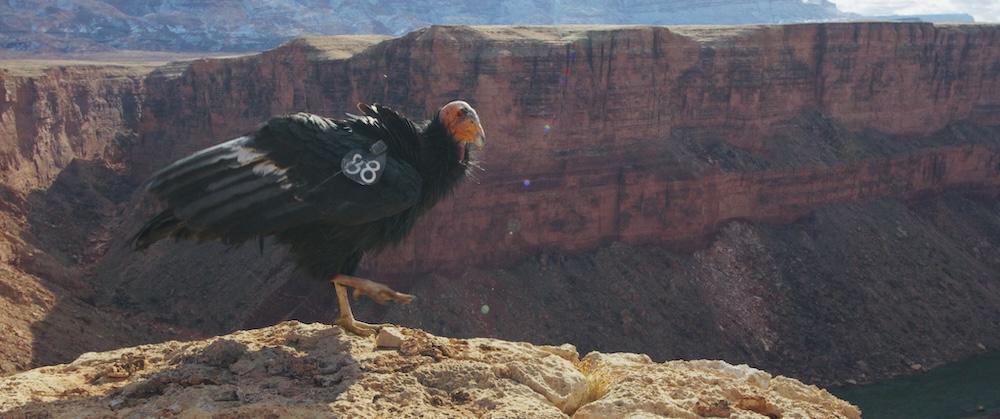
A young California condor getting ready to try out his wings, in "The American Southwest." (Fin & Fur Films)
A young California condor getting ready to try out his wings, in "The American Southwest." Fin & Fur Films

Fly-fishers will appreciate high-tech camerawork that captures the life cycle of a cutthroat trout’s favorite snack—the salmonfly. Rock climbers will enjoy the cliff-climb of an overeager juvenile condor who, anxious to try out his still-underdeveloped wings, missteps and plunges hundreds of feet. His rock-climbing route back to the nest is described with the full range of rock-climbing lingo: “He discovers a chimney” and “now it’s just a matter of a horizontal traverse.” It’s amazing that the filmmakers serendipitously caught this dramatic nature moment on camera. It’s the perfect metaphor: California condors as a species are recovering from the brink of extinction. We know who put them there.
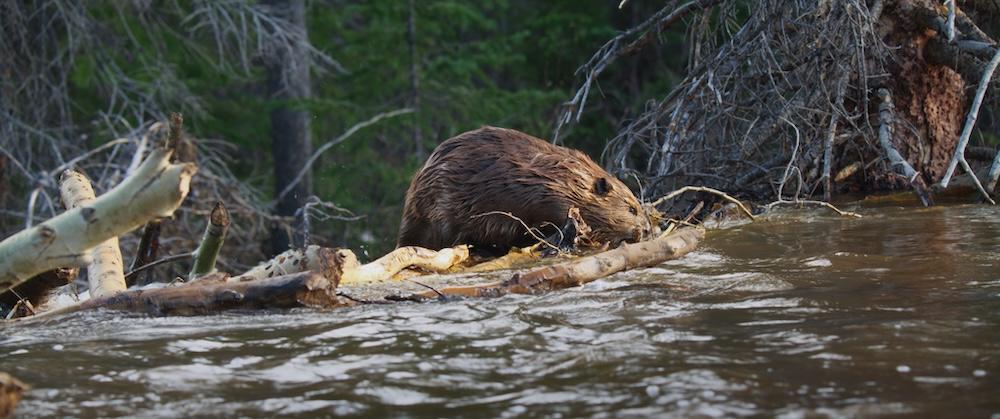
A beaver constructs a dam, in "The American Southwest." (Fin & Fur Films)
A beaver constructs a dam, in "The American Southwest." Fin & Fur Films
There’s a delightful zoology lesson about the beaver clan. Beavers, North America’s largest rodents, are unbelievably important to the building of North American wetlands, especially in the Southwest. Like a block supporting the whole Jenga tower, beavers are a keystone species. Human dams can’t hold a candle to beaver dams, yet we’ve managed to destroy the biodiversity of the entire Southwest region with hundreds of miles, and acres upon acres, of concrete. 

The Mission

The mission of this cinematic call to action is to gently slap us all in the face with the beauty we squander and take for granted. “The American Southwest” peacefully confronts the environmental consequences of river depletion and species loss. These disturbances leave the perilous fate of fragile ecosystems and the Colorado River hanging in the balance. Likewise disturbing is footage of the desecration and vandalization of ancient Native American sacred relics. Cave paintings are shown, pockmarked with bullet holes.
“The American Southwest” is a must-see. It’s a love letter to the red rocks and desert beauty Americans all know and love. This is far more than a movie. It’s an impact campaign involving several conservation organizations to create long-lasting benefits for the Colorado River, and for the struggling wildlife in the American Southwest region.
First and foremost, the film boldly advocates for increased environmental flows, the deconstruction of harmful dams, better wildlife conservation, and giving the Colorado the right to flow to the sea. The “Law of the River” is up for renegotiation in 2026. This common term is used to describe the complex and extensive web of laws, court decisions, interstate compacts, contracts, and treaties that govern the use and management of the Colorado River.
A section of the Colorado River flows freely, in "The American Southwest." (Fin & Fur Films)
A section of the Colorado River flows freely, in "The American Southwest." Fin & Fur Films

The Players

“The American Southwest” is directed by Ben Masters of Fin & Fur Films, a collection of professional creatives who are passionate about conservation and visual storytelling. From restoring endangered species to advocating for healthy river flows, they are adventure lovers dedicated to using the film medium to help conserve wildlife and nature habitats.
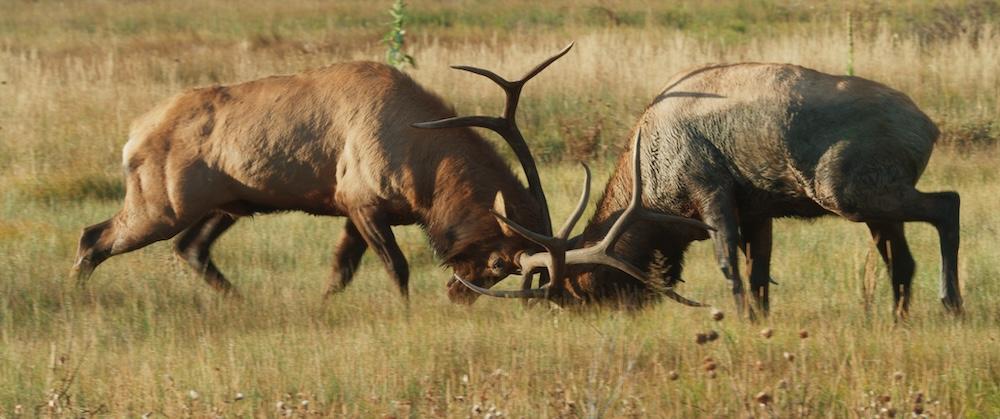
Two elk battle, in "The American Southwest." (Fin & Fur Films)
Two elk battle, in "The American Southwest." Fin & Fur Films

The film was produced by Len Necefer of Natives Outdoors, a media and consulting organization started in 2017. It works directly with tribal governments and community organizations, and cultivates talent in indigenous communities to address the lack of representation of Native American people, tribes, and public lands in the outdoor industry.

“The American Southwest” is narrated by Native American environmentalist-activist, fashion model, and actress Quannah Chasinghorse, whose personal journey and advocacy anchor the documentary’s urgent call to action.
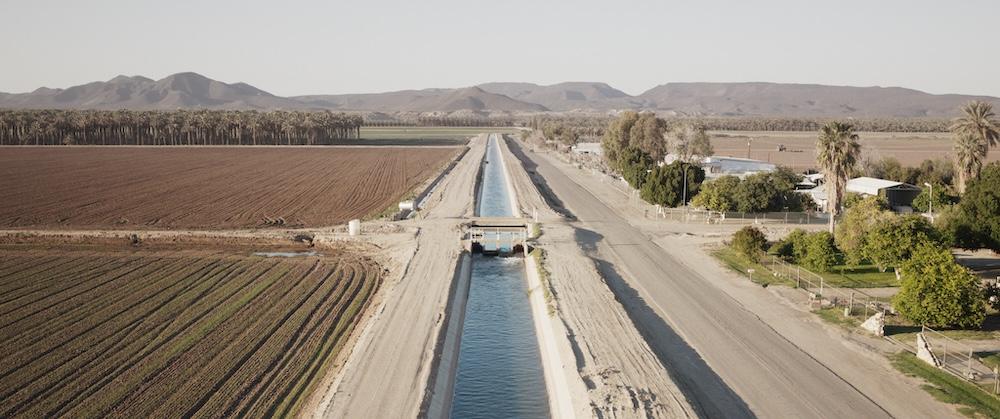
One of the many examples of the irrigation that makes food growth possible in the arid Southwest climate, but which also damages the land, in "The American Southwest." (Fin & Fur Films)
One of the many examples of the irrigation that makes food growth possible in the arid Southwest climate, but which also damages the land, in "The American Southwest." Fin & Fur Films

A Couple of Objections

The narration is a bit too languid, breathy, and predictably singsong-y. It tends to stand apart, drawing attention to itself. One can tell that Chasinghorse is doing her level best to imbue the film with splendor, awe, and mystery, but she doesn’t have the voice-acting training.
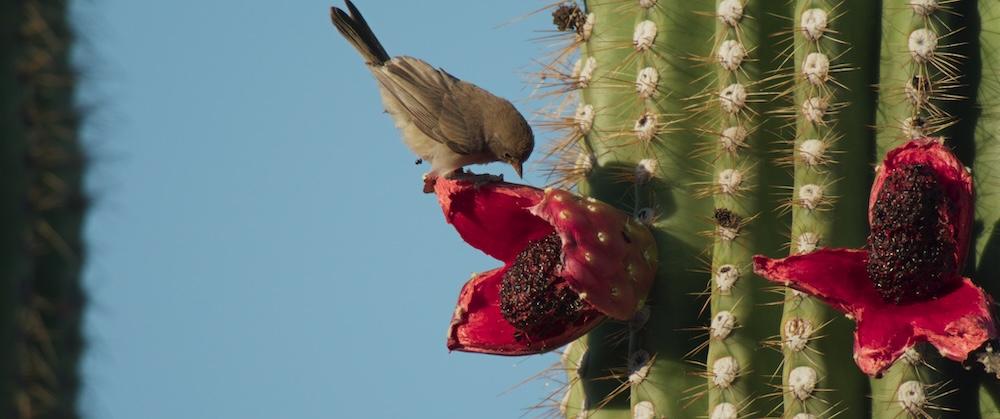
A house finch eats the flowers of the Saguaro cactus, in "The American Southwest." (Fin & Fur Films)
A house finch eats the flowers of the Saguaro cactus, in "The American Southwest." Fin & Fur Films
The overly serene narration squashes flat the surprising number of jokes in the script. Comedy lives in its own time zone, and the time-honored direction in comedies is “pick up the pace.” While the film is not intentionally a comedy, it suddenly occurred to me to turn the viewing speed up two notches. Suddenly all the jokes started popping, and I chuckled for the duration. However, the film went by in a third of the time. If you don’t have a problem with the narration, and want the full visual experience and the sense of grandeur bequeathed by a meandering pace, leave the settings alone and just bask in the visuals.

Agenda

The film is a must-see, yet it does feature a bit of a left-leaning agenda. If you believe in climate change, you won’t have a problem with “The American Southwest.”
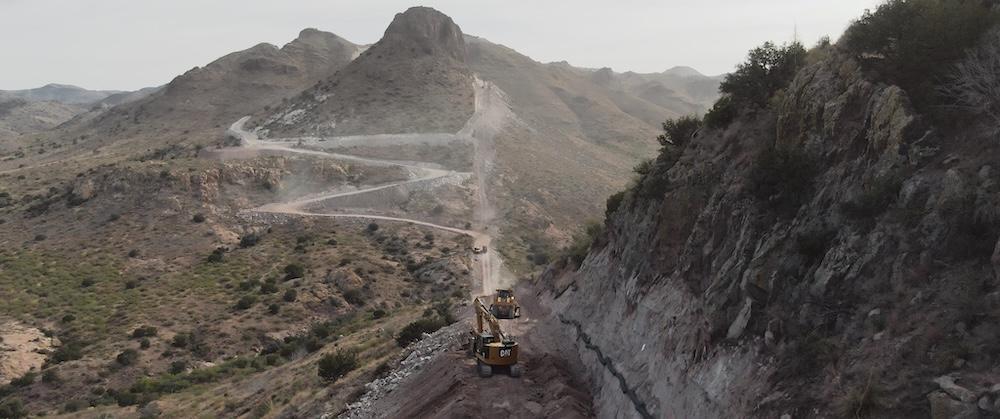
The dynamiting and excavating currently taking place for the building of the southern border wall, in "The American Southwest." (Fin & Fur Films)
The dynamiting and excavating currently taking place for the building of the southern border wall, in "The American Southwest." Fin & Fur Films

While the film makes a good point about the current construction of the southern border wall, which will significantly impede the potential return of “America’s apex cat,” the jaguar, to American soil—right now America needs a border wall more. It’s probably best to remove the current criminal illegal element first, and then import some jaguars over the wall later, when farmers have prepared themselves for the unfamiliar state of suddenly no longer residing at the top of nature’s food chain. The mighty jaguar is the third largest feline on the planet, behind lions and tigers, and has, pound for pound, the strongest bite force of any big cat.

Southwestern farmers are currently more concerned with the restrictions from jaguar conservation policy than with the effects of an actual, established jaguar population. While jaguars are beginning to reenter the United States from Mexico, the repopulation isn’t yet significant enough to cause widespread livestock predation.
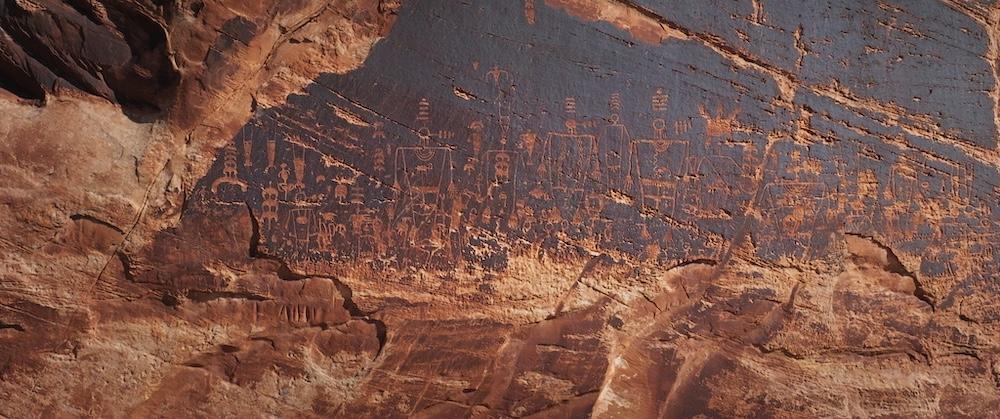
Sacred cave wall etchings, in "The American Southwest." (Fin & Fur Films)
Sacred cave wall etchings, in "The American Southwest." Fin & Fur Films

Repopulation must be approached carefully, because when the time comes, all it'll take is a couple of human deaths by America’s indigenous big cat to start a stampede toward attempting to make jaguars go extinct again. You know how we get. Until then, enjoy the jaguar footage in “The American Southwest.”
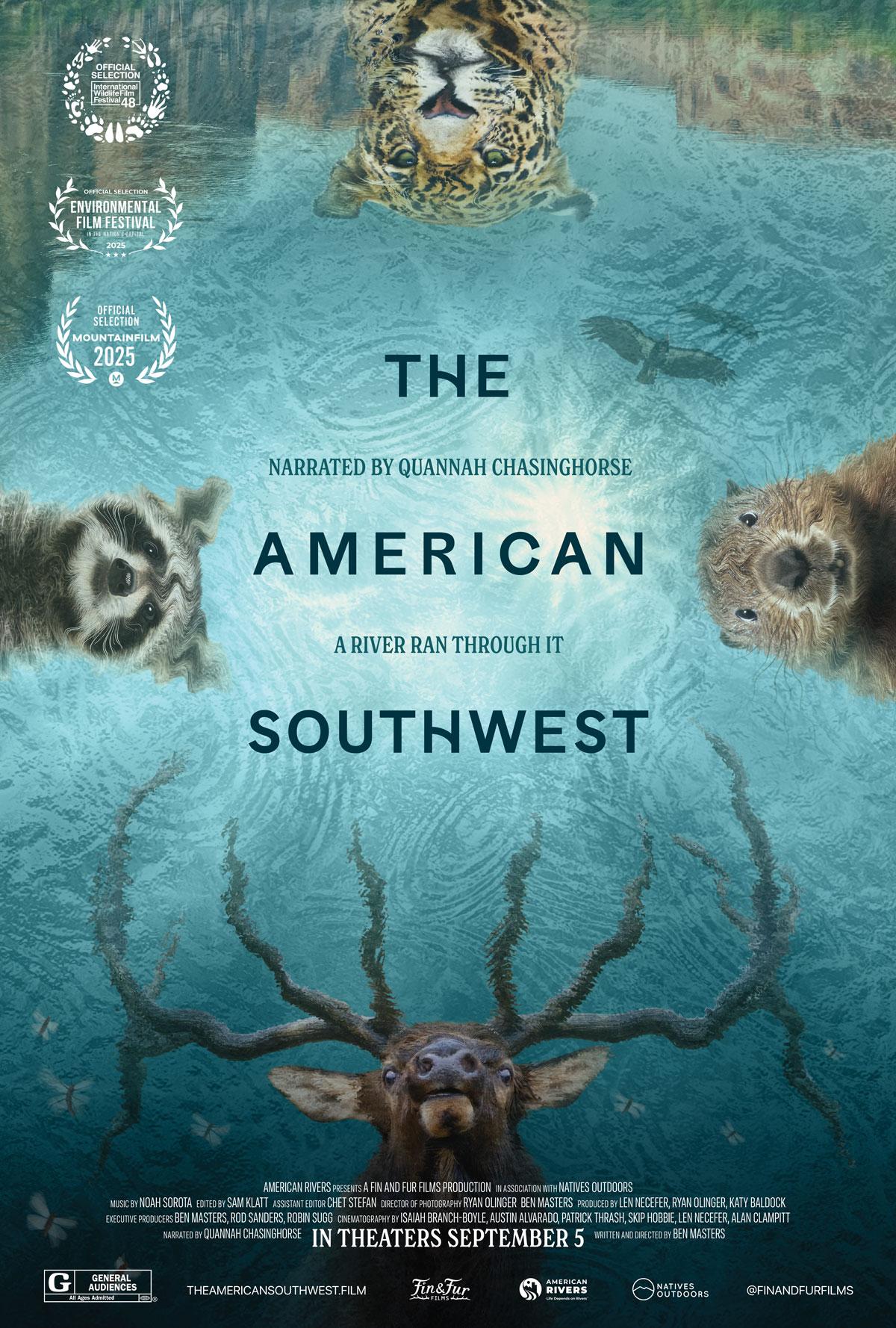
“The American Southwest” is set for a theatrical release across seven states: Arizona, New Mexico, Nevada, Utah, California, Texas, and Colorado on Sept. 5. Ticket information will be available soon at www.theamericansouthwest.film.
Promotional poster for "The American Southwest." (Fin & Fur Films)
Promotional poster for "The American Southwest." Fin & Fur Films
‘The American Southwest’ Director: Ben Masters Documentary MPAA Rating: G Running Time: 1 hour, 47 minutes Release Date: Sept. 5, 2025 Rating: 4 1/2 stars out of 5
Would you like to see other kinds of arts and culture articles? Please email us your story ideas or feedback at [email protected]
Google LogoMark Us Preferred on Google
Mark Jackson
Mark Jackson
Film Critic
Mark Jackson is the senior film critic for The Epoch Times and a Rotten Tomatoes-approved critic. Mark earned a bachelor's degree in philosophy from Williams College, followed by classical theater conservatory training, and has 20 years' experience as a New York professional actor. He narrated The Epoch Times audiobook "How the Specter of Communism Is Ruling Our World," available on iTunes, Audible, and YouTube. Mark is featured in the book "How to Be a Film Critic in Five Easy Lessons" by Christopher K. Brooks. In addition to films, he enjoys Harley-Davidsons, rock-climbing, qigong, martial arts, and human rights activism.