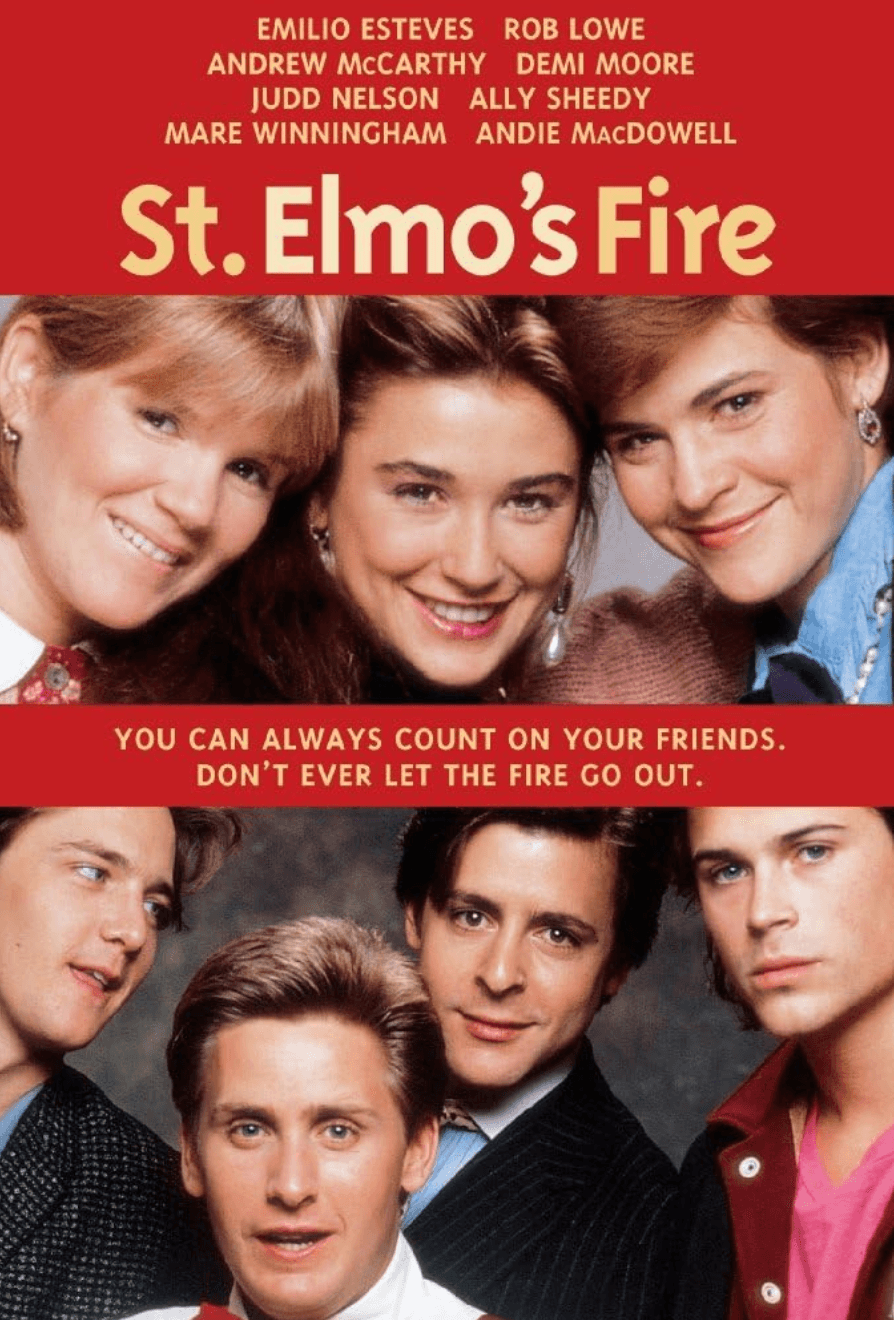
R | 1h 50m | Drama | 1985
Most critics took a condescending stance towards “St. Elmo’s Fire” when it first released. Forty years later, it’s still at 45-percent critics’ rating on Rotten Tomatoes. I’d graduated college only three years prior to its release, so my vague memory of it is that I could relate, somewhat, to the Brat Pack’s depiction of the existential hand-wringing and shenanigans 20-somethings get up to directly post-college. Not so much to things like frequenting the same bars with a college clique and heavy drinking.
At the time, I also hadn’t had a full acting career followed by a film critic career.
Now, I’m going to go re-watch it.
Please stand by ....
Oh, Good Lord

Story
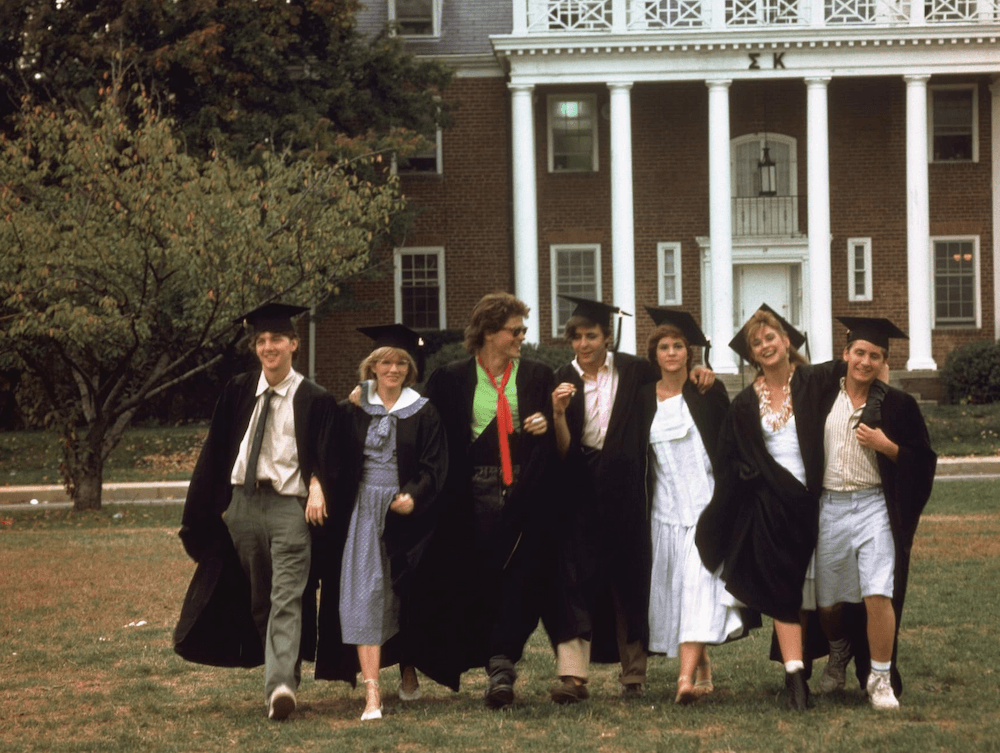
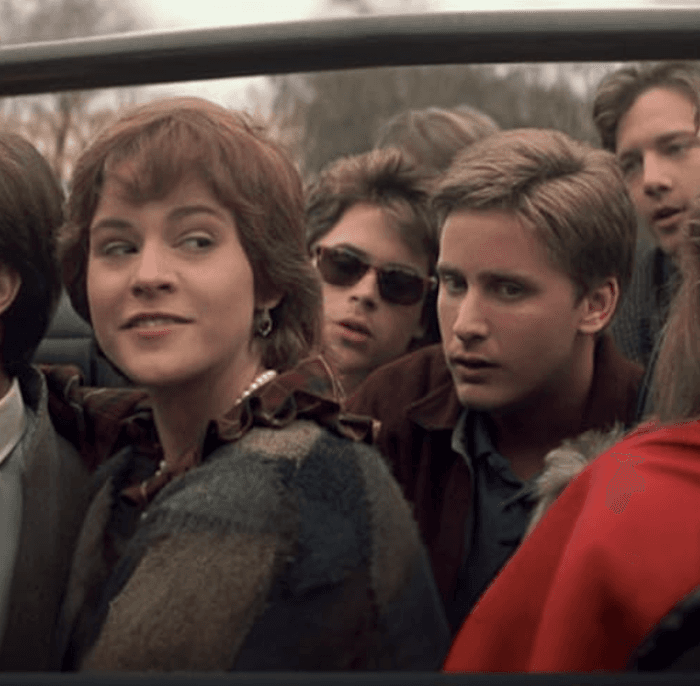
“St. Elmo’s Fire” follows the minimal trials and tribulations of seven recent Georgetown University graduates. They were always the best of friends, but now they are drifting apart as they attempt to segue into careers and transition into full-fledged adults.
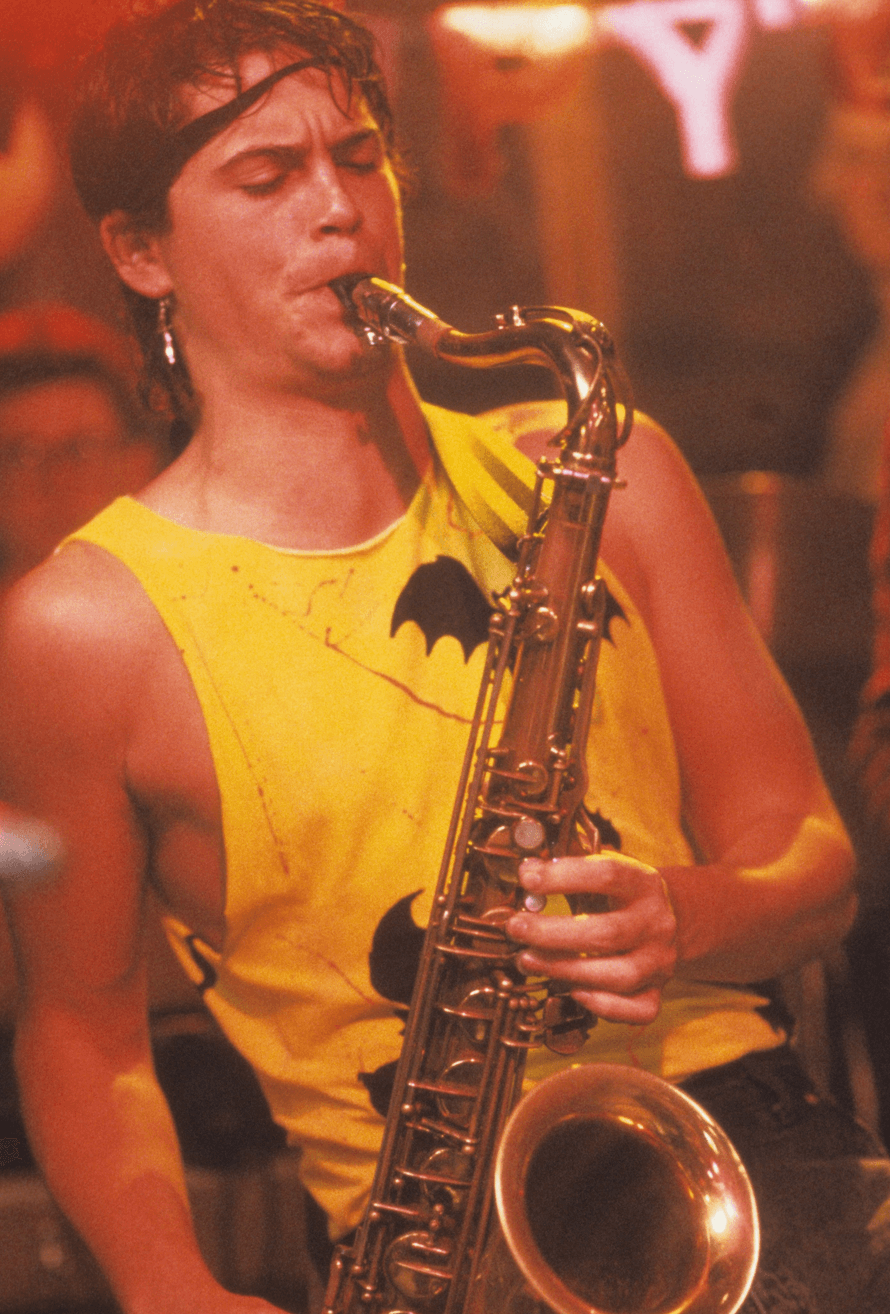
Billy (Lowe) is a saxophone player who, although married with a kid, still drinks and drives and refuses to assume any adult responsibility.
Virginal social worker Wendy (Winningham) gets constant pressure from her rich father to get married and join the family business, but she’s got a massive crush on Billy.
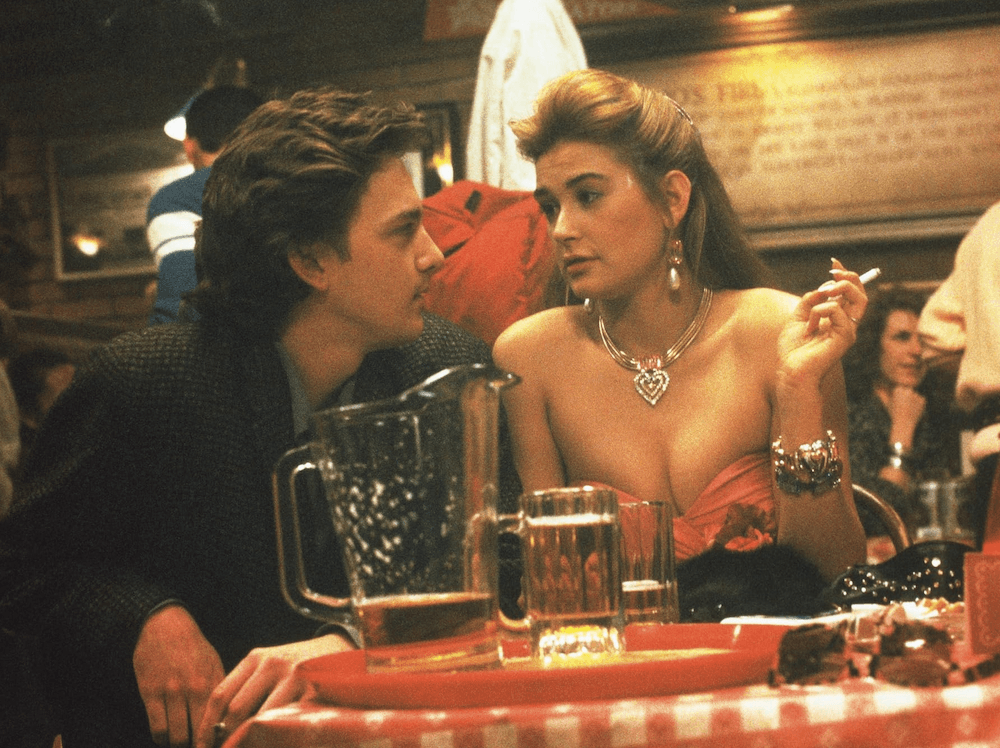
The beautiful Jules (Demi Moore) is the substance-abuse comeback queen who lives in a pink apartment, sleeps with her boss, and calls her friends in the wee hours with her coke-addled problems.
Yuppie Capitol Hill aide Alec (Judd Nelson) is a Democrat turned Republican, because the pay is better. His live-in girlfriend, Leslie (Ally Sheedy), won’t marry him but resents his cheating. What did she expect from someone who blithely switches political affiliations for money?
Wannabe-lawyer Kirby Keger (Emilio Estevez) pines for early-career Andie MacDowell (playing a doctor), who he obsessively decides he must marry. Despite her utter lack of interest, he stalks her, before stalking was a thing, and won’t take no for an answer.
Summary
St. Elmo’s Fire” attempted to recreate the success of earlier Brat Pack films, but Schumacher unfortunately was no John Hughes.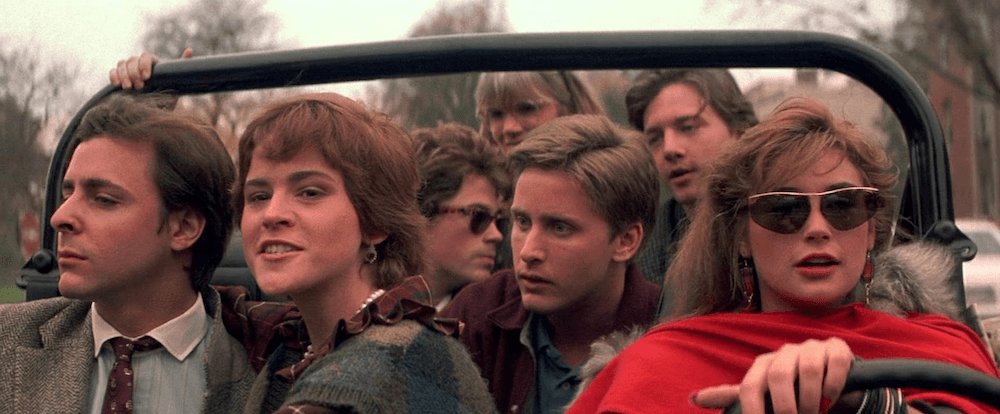
The St. Elmo’s soundtrack by David Foster is considered nostalgic by some. Other than Aretha Franklin’s “Respect, ” it’s pure treacle.
The movie has a difficult time redeeming its characters’ various forms of youthful-and-toxic behavior; the drug abuse, the drunk driving, stalking, and sexual harassment. All are portrayed as normal growing pains. “St. Elmo’s Fire” was a product of its time—the 1980s “Me Generation”—and it should stay there. I’m almost tempted to go sit in a theater just to see the level of cognitive dissonance on the faces of today’s audiences when it re-releases in a couple of weeks.