A heating system may run longer during extreme temperatures, but it shouldn’t have to run continuously.
What temperatures are considered extreme, you might ask? Below 30 degrees in winter and over 90 degrees in summer. Yep, the HVAC advice here applies to summer air conditioning as well as winter heating.
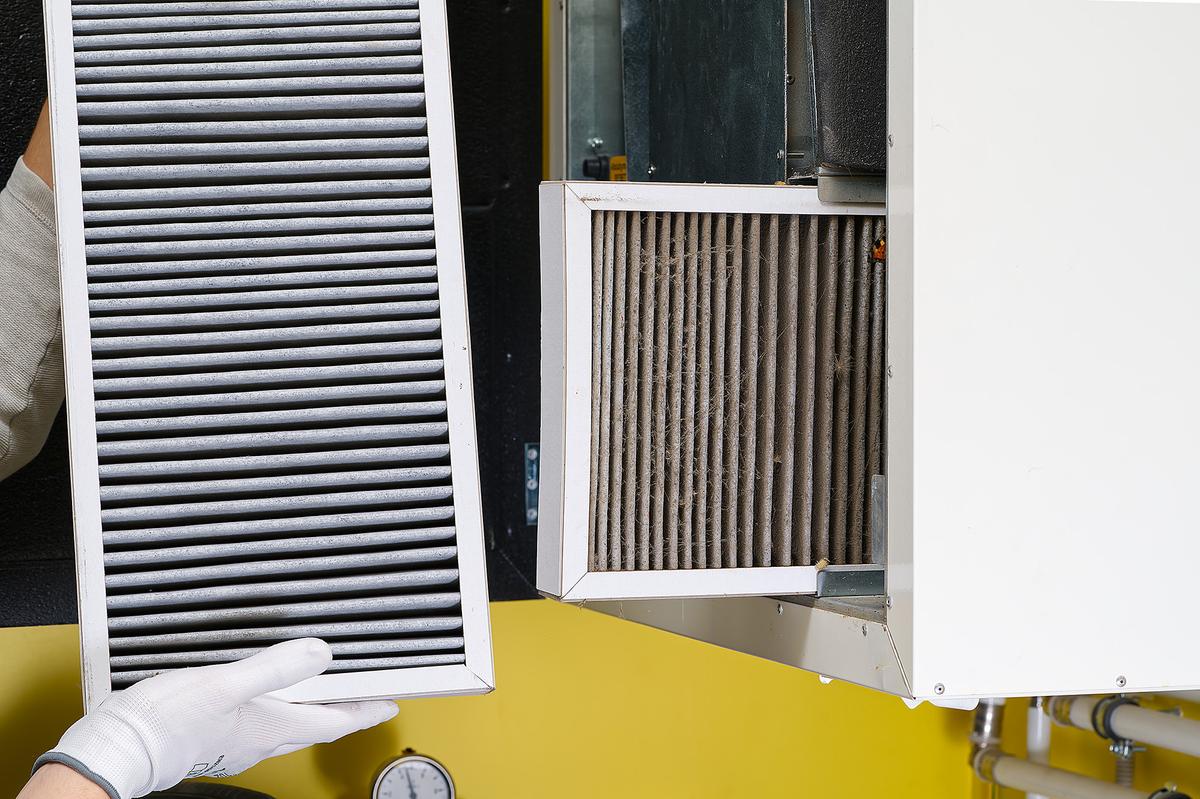
One of the most common causes of system issues, whether it’s a furnace or HVAC unit, is simply a dirty filter. The average filter may say it’s good for up to 90 days but should be changed more often, particularly if there are pets in the house, as their hair and dander can clog it much sooner. Use a high-quality pleated filter that will capture more dust, allergens, and debris while letting the machine breathe so it can function properly. Here are a few more tips.
Expecting Too Much
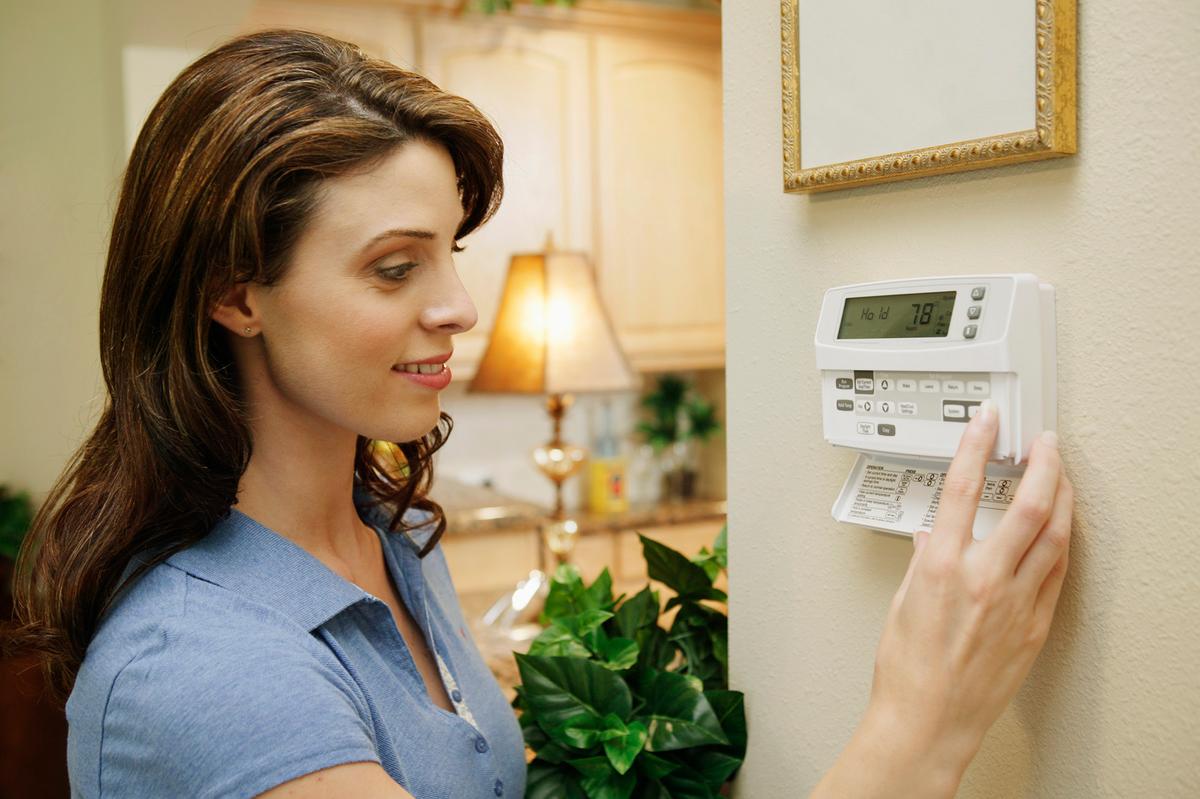
Setting the thermostat too high, particularly in freezing temperatures, will overwork the system, leading to inflated energy bills, increased wear and tear, and an increased risk of breakdown.Temperamental Thermostats
Thermostats do go bad. A faulty sensor or one that needs recalibration will measure temps incorrectly. Place a separate thermometer near it to compare. Remember that, in some cases, replacing it may be cheaper than recalibrating it.Also, placing a thermostat in a sunny spot or near vents, or using one with low batteries, can also lead to it performing inefficiently. It may need to be moved to get a correct reading.

HVAC Happiness
A malfunctioning HVAC system can be caused by several things. Let’s start with the easiest.Did the fan setting get jostled from Auto to On? Move it back to Auto, and voila—done! Otherwise, inspect the ductwork for leaks. Even when the heat is working fine, the ductwork should be proactively inspected every three to five years.
If that’s good, check if the outdoor unit is being blocked by snow, leaves, and other debris that reduces airflow to the coils and can significantly reduce efficiency. Clean gently, keeping sharp objects such as ice scrapers away from delicate parts. If it keeps freezing/icing up, however, that may be a sign of a bigger problem that requires professional attention.
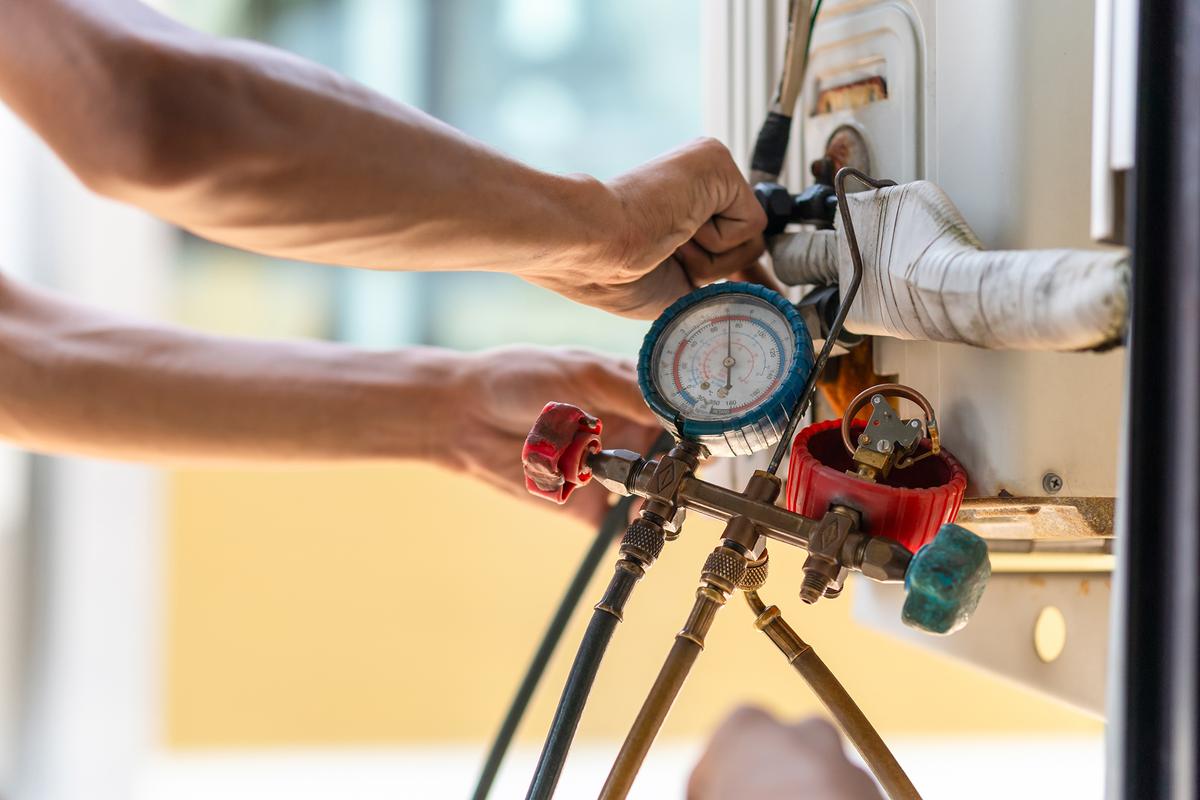
Another situation that requires a professional is low refrigerant; signs include low airflow, regular freezing up, and hissing or gurgling noises.
Got other unusual noises or vibrations? This can be a sign of a faulty relay or sensor, stuck valve, or damaged fan. Turn off the unit immediately and call a professional to avoid additional damage.
Furnace Fixes
Furnace performance can also suffer if it has leaky ductwork, the thermostat fan setting is switched to On, or it’s undersized. But if it’s none of those things, make sure all the vents are open and unrestricted by furniture or rugs.Still not working? Check the fan limit switch (the start/stop switch). If it’s failing, it might lead the blower to run nonstop. Some systems have a red, yellow, or white manual override that offers a temporary fix. Get out the instructions or search the model number online to find its location. Be sure to turn off the circuit breaker to the unit first.
The blower motor and fan relay can also lead to nonstop heat; these may be accompanied by grinding, squeaking, or clicking sounds before the components fully fail.
The Fuel Component
Gas burners can become coated in dust and debris in the off-season. Check the flame—it should be blue. Orange or yellow means the burners need to be cleaned. This can be a DIY job for a skilled homeowner but is also an excuse to call in a professional for a full cleaning and inspection, which should be done anyway every few years.Pilot lights are equally critical. In older furnaces, this is a blue flame at the bottom of the unit. If the flame is out, switch it from Pilot to Off. Wait 10 minutes for the gas to dissipate from the combustion chamber. Turn the switch back to Pilot, and light it with a long match or long-stem lighter. If it goes out again, call in a professional, as this can be a sign of a larger problem. Newer systems typically feature an electrical component that turns the pilot light on as needed.
Remember to stop all repairs immediately if you smell natural gas or propane. Shut off the fuel source to the home and call a professional.