NR | 1h 12m | Crime, Mystery | 1931
The early sound era created a peculiar crossroads for mystery cinema. “Sherlock Holmes’ Fatal Hour” (1931) arrived in that moment with a sense of confidence that feels uncommon for productions of its scale. Director Leslie S. Hiscott guided the material, originally released in the UK as “The Sleeping Cardinal,” with a focus on atmosphere and deliberate pacing.
The story unfolds as if the audience has stepped into a paneled study lined with dim lamps and cold clues. Viewers follow a case that is never treated as an opportunity for showmanship. The tone stays measured and keeps the focus on character behavior.
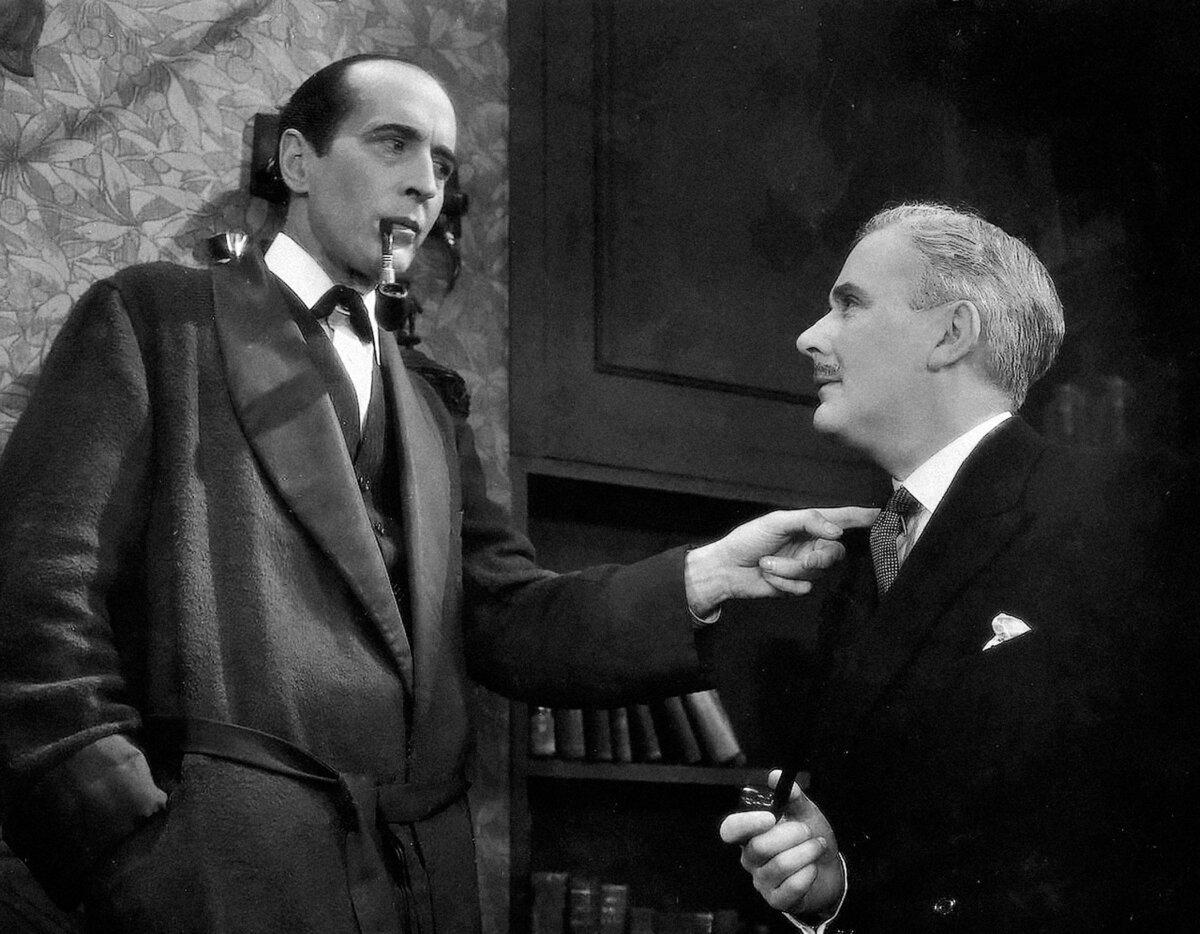
Sherlock Holmes (Arthur Wontner) and Dr. Watson (Ian Fleming, not to be confused with the James Bond creator) bring a presence that suits the period’s approach to literary figures.
The Case Takes Shape
The story begins with a series of suspicious financial moves connected to a shadowy criminal network. Holmes studies these threads with Watson’s help. They soon cross paths with Inspector Lestrade (Philip Hewland), who brings official pressure yet relies on Holmes’s sharper detective instincts. Their search leads to figures such as the elusive Ronald Adair (Leslie Perrins). Adair’s involvement hints at forces moving far beyond a simple crime of opportunity.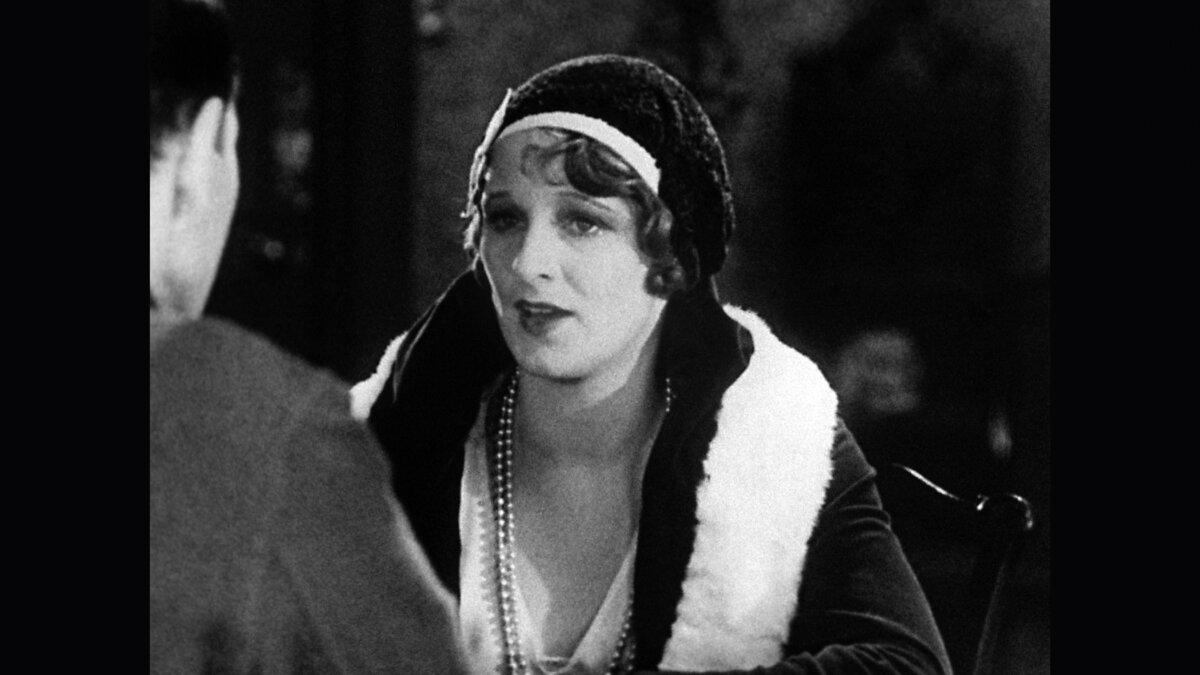
Performances and Pacing
The pace and texture of this movie put viewers in a relaxed mood right away. This is a pleasant change from the modern need to sprint through stories. Watching this film is akin to pulling up a chair at a well-worn table and being handed an old case file that still smells faintly of ink and dust.
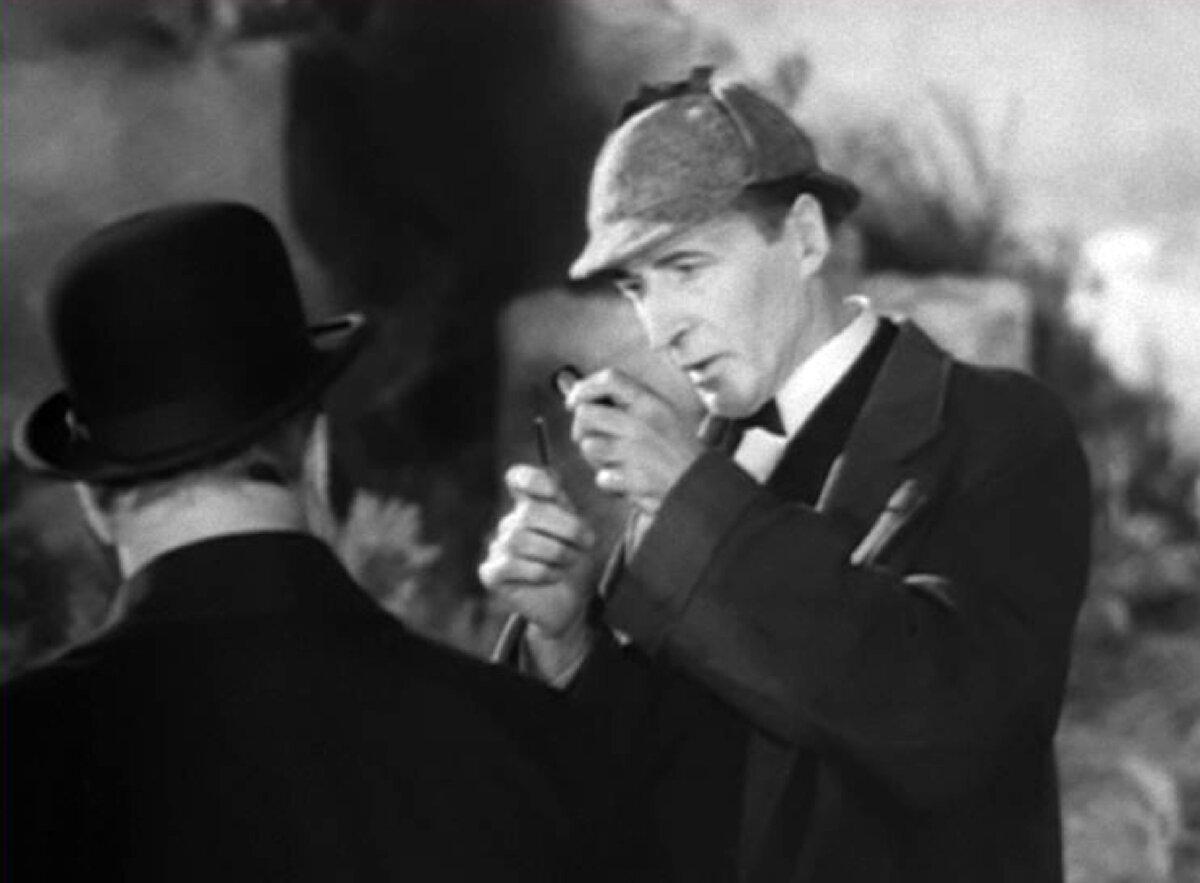
Wontner also adds small flickers of humor to Holmes, which gives certain scenes an unexpected lift. Fleming plays Watson with a practical temperament, depicting the sort of man who notices plenty yet finds himself caught off guard by Holmes’s sharper eye. Their partnership feels settled, with a rhythm that suggests long acquaintance, and their various exchanges bring a light touch that eases the darker notes of the mystery.
The film moves with clarity, uses its performers well, and respects the viewer’s patience. Here is a mystery that trusts simple craft over empty distractions, the latter of which are in no short supply nowadays.
“Sherlock Holmes’ Fatal Hour” is the kind of film to be enjoyed on a calm night when you want a puzzle delivered with a sense of steady craftsmanship and thoughtful pacing.