NR | 1h 45m | Adventure, Biography, Romance | 1956
There are rich correlations between two great genres: the American Western and the Japanese samurai (or chanbara) films. Consider the archetypal mysterious wanderer, an apex gunslinger in Westerns, who finds his mirror in the roving ronin, a masterless samurai often guided by a righteous moral code. Both serve as quiet, stoic agents of justice thrust into corrupt or chaotic worlds desperately in need of order.
Both genres uphold the righteous figure, be it the sheriff in the West or a samurai in feudal Japan, who stands as a bulwark against lawlessness. Perhaps, most iconic is the showdown. The tense, drawn-out standoff in a dusty frontier town mirrors the deliberate, ritualized sword duels that punctuate chanbara films.
Both serve as meditations on fate, pride, regret, and mortality. It’s no coincidence that so many chanbara classics were reimagined as Westerns, both in the United States and Italy.
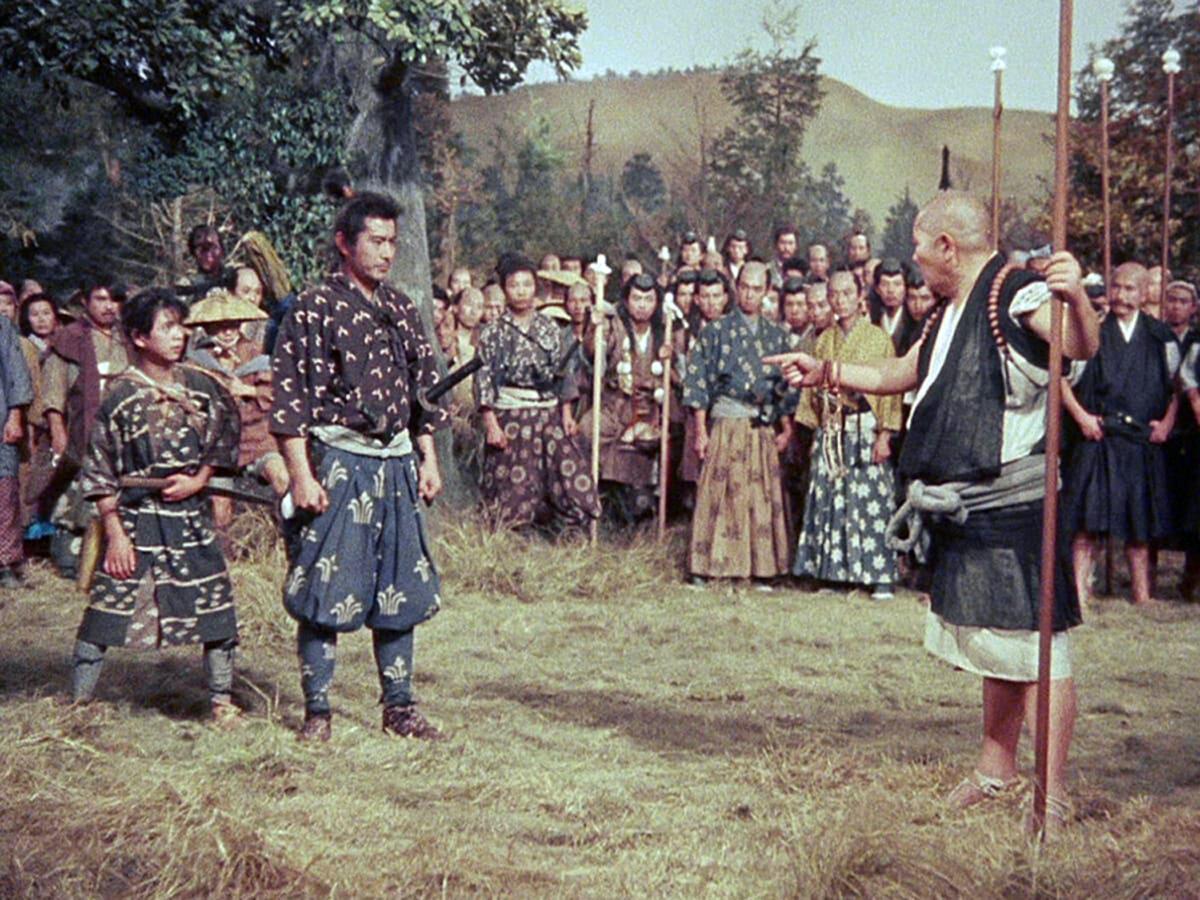
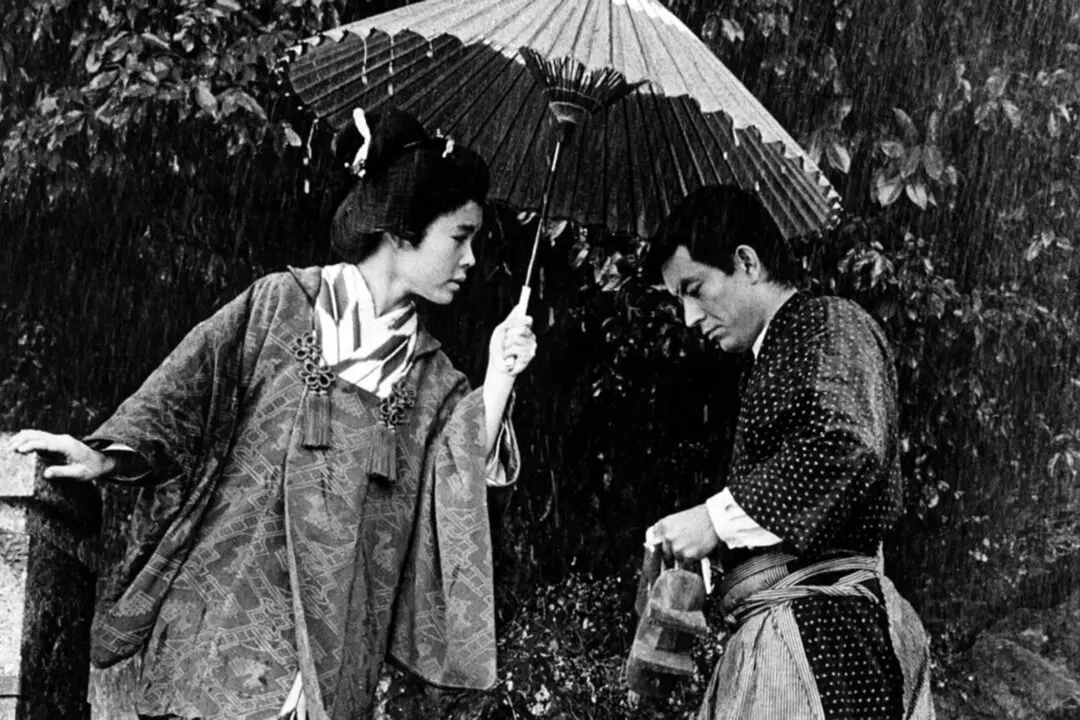
Director Hiroshi Inagaki based his films on Eiji Yoshikawa’s sweeping novel “Musashi.” His epic trilogy finds its crescendo in “Samurai III: Duel at Ganryu Island.”
Reflection and Purpose
“Samurai III” immerses the viewer in the psychological terrain of two men bound by destiny yet divided by their inner lives. It’s about how two rivals live and whose lives they shape along the way. The film cuts deeply into the mindset of warriors who seek perfection not only in combat but in the act of defining who they are.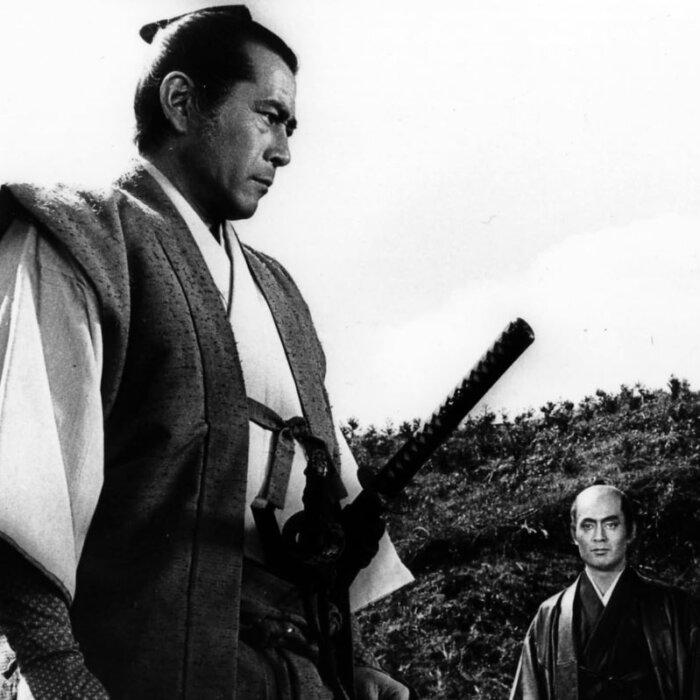
Musashi’s chief rival, Kojiro Sasaki (Koji Tsuruta), is driven by a cold, almost theatrical arrogance. He sharpens his identity the same way he sharpens his blade—with precision, detachment, and a love for display. His fighting style is dazzling and brutal, and his ambition is wrapped in performative confidence.
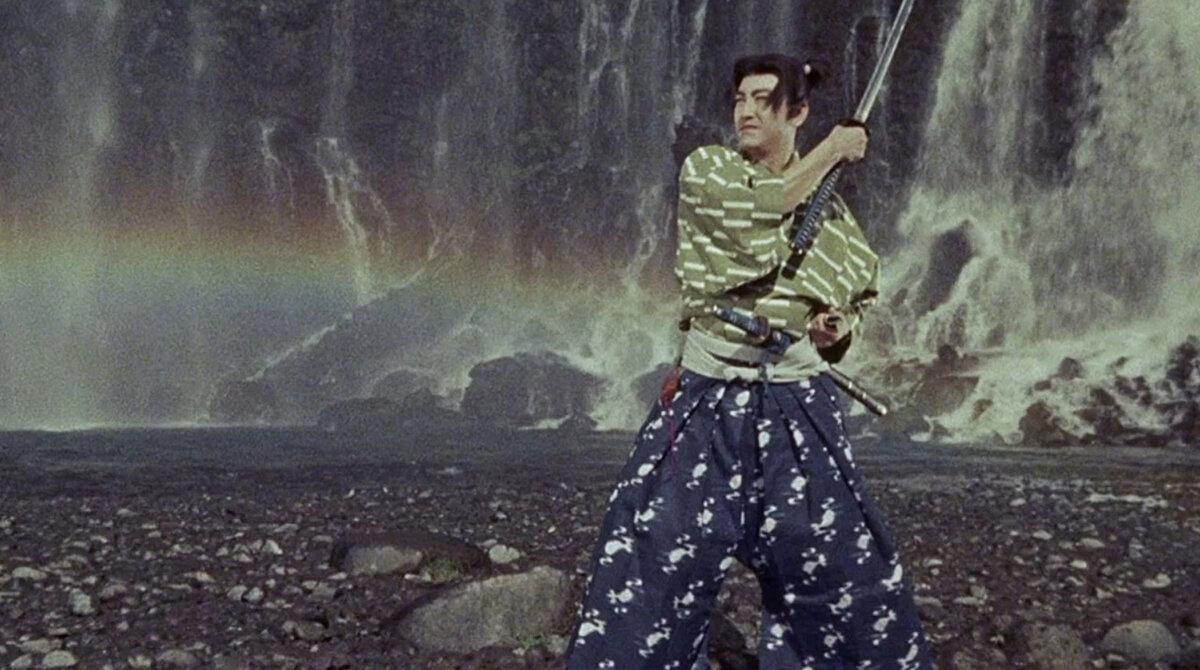
But beneath that elegance is a man desperate to be recognized by a world he secretly disdains. Kojiro kills with a single, stylized cut when he uses his real sword or demands to fight with a wooden training sword (known as a Bokken) against men wielding steel ones to prove a point. This isn’t just about skill, but about making the duel itself look like a blood-splattered canvas. To Kojiro, it is art, however brutal his chosen brush. His psychological space is dominated not only by the need for an equal to best but also an audience. His greatest fear is to die an underappreciated ronin.
Mifune’s Musashi, by contrast, has grown weary of the spectacle he once yearned for. He walks away from titles and accolades, and chooses instead to live as a humble farmer and mentor. He is haunted by regrets, by the people he’s hurt in the past, and by the emptiness that comes with fighting for its own sake. The film shows us how he has evolved, now finding value in restraint, working the earth, carving with wood, and caring for others.
The Last Test of Character
The final duel is not just about who is faster or stronger. It’s about what kind of man each has become in the long silence between confrontations. One comes clad in ceremony, supported by a lord’s prestige. The other is ferried ashore by a peasant, quietly whittling an oar into a wooden sword. Their confrontation is inevitable, but what truly lingers is the meaning behind the fight: who they are and what their struggle reveals about their souls.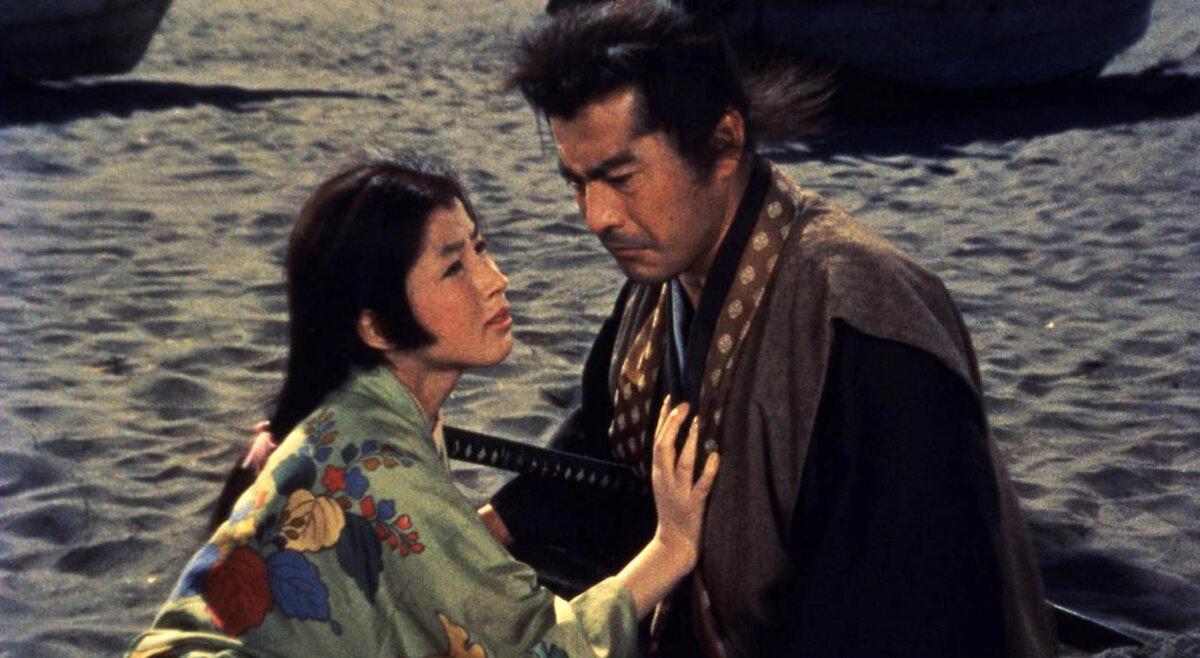
“Samurai III: Duel at Ganryu Island” closes the trilogy not with bombast, but with grace and finality (and a fatality). Its legendary characters are anchored not just in combat, but in quiet conviction. Inagaki’s direction balances visual austerity with deep reflection, and Mifune’s performance is a study in evolution. He is a man once driven by fury who is now driven by clarity.
Some storylines, especially those involving Otsu and the courtly politics, feel underdeveloped or more symbolic than lived-in. This film’s psychological and philosophical center holds firm. It completes Musashi’s arc and reframes the idea of what it means to win.
It is a contemplative, rewarding finale to one of cinema’s most enduring historical character odysseys.