NR | 1h 33m | Adventure, Biography, Drama | 1955
In literature and cinema, the life of the legendary Japanese warrior Miyamoto Musashi has been depicted with historical realism and at other times layered with myth.
Humble Beginnings
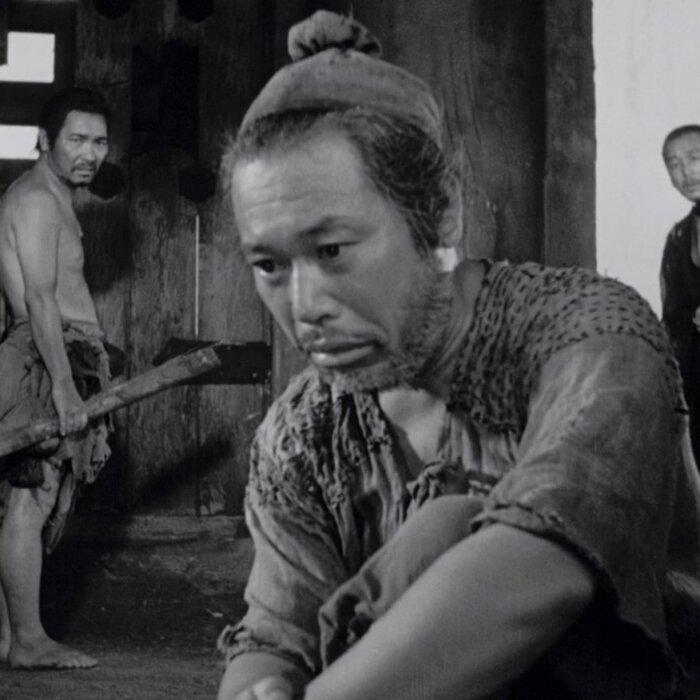
The film introduces us to Takezo (Miyamoto Musashi’s birth name), played with fire and unpredictability by Toshiro Mifune. A rough-edged young man cast out by his family, Takezo clings to dreams of glory and battlefield honor. Alongside his childhood friend, Matahachi (Rentaro Mikuni), Takezo recklessly seeks out war in search of fame. But war, as Takezo learns, is neither glorious nor forgiving.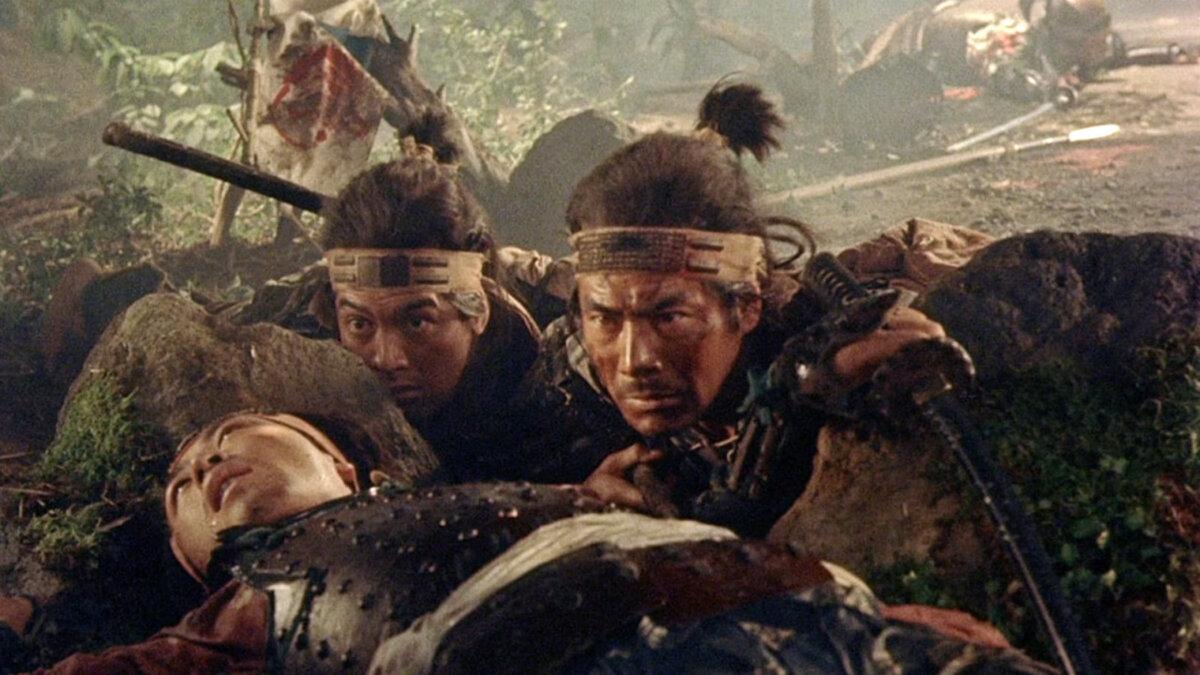
Matahachi, engaged to the graceful and loyal Otsu (Kaoru Yachigusa), seems to have everything waiting for him at home—love, stability, and a future. Still, he chooses to follow Takezo, drawn either by friendship or the promise of something more. During a conflict, their misjudged allegiance leaves them stranded and defeated; they are fugitives amid a ruined countryside. A wrong turn in history transforms both men into hunted figures rather than celebrated warriors.
While Matahachi slips into distraction and temptation, Takezo’s road darkens. He is feared for his reckless strength and branded a criminal, as local authorities pursue him. He becomes a man on the run from those he once called family.
Surprisingly, Takezo’s capture comes not at the hands of warriors but through the intervention of the serene yet unyielding Buddhist monk, Takuan (Kuroemon Onoe). The monk sees in Takezo the raw elements of something greater.
A Path Less Taken
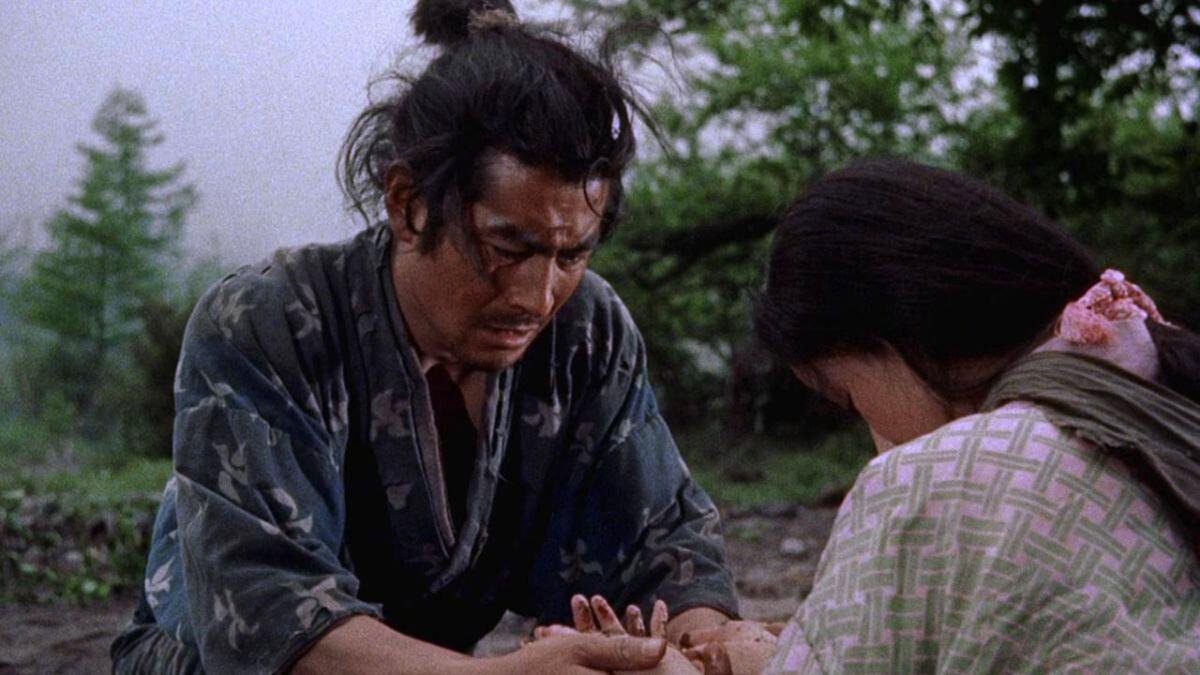
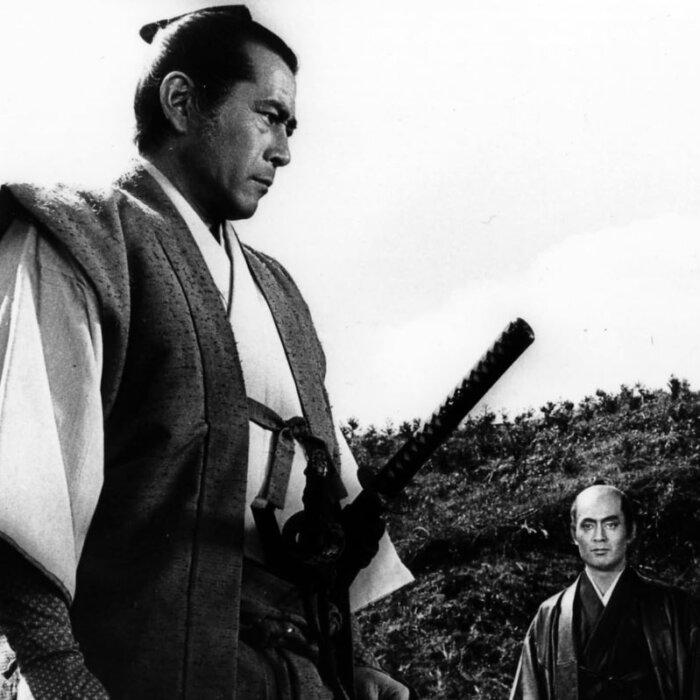
“Samurai I” doesn’t follow the standard samurai model, seemingly reluctant to satisfy expectations of the genre. The grand, outward struggles we see in Akira Kurosawa are absent here.
Instead, Inagaki crafts something more introspective: This is a drama rooted in transformation rather than triumph. Takezo’s fight isn’t against external enemies but his own chaos. He’s wild, reactive, almost too raw to be called a protagonist.
The irony is that the film is titled Samurai, which is more aspirational than descriptive. This isn’t a man who is a samurai. Takezo is a man unfit for the title, yet pulled toward it like gravity. Through that contradiction, the film becomes one of the most honest explorations of what the samurai ideal really costs.
Mifune’s performance is a balancing act. He’s driven, not just by rage and drive, by confusion, longing, and an undercurrent of sadness. He doesn’t give us the clean arc of a rising hero. He sheds one self to reach another, and that shedding hurts. Mifune makes us feel that this change costs something permanent.
Yachigusa’s Otsu is equally grounded. She is never just a romantic counterpoint but a person surviving in a world that doesn’t allow softness. Their bond is tender but weighed down by circumstance. There’s no fantasy here: Even love gets reshaped by the rigid world they inhabit.

There’s a haunting stillness that clings to the film even in its more emotionally volatile scenes. Moments between characters stretch out like long shadows at dusk, and the silences often say more than the dialogue.
Inagaki seems to understand that transformation isn’t cinematic but messy, slow, and often unrecognizable until well after it’s happened. The story doesn’t manipulate the viewer into feeling the character’s progress; it simply lets the gravity of each choice settle. Whether a moment of quiet heartbreak or a disillusioned realization, the film treats these as the true battlegrounds where the self is forged.
The samurai code is not glorified here; it’s interrogated. Takezo doesn’t embody honor. Instead, he grapples with confusion, rage, and emotional detachment. The beauty of the film is that it doesn’t resolve these issues with clean answers. It leaves us with a man in flux and a world that neither condemns nor redeems him fully. That ambiguity is what makes it so emotionally rich. It’s not the myth of the sword, but the sorrow of the one holding it.
“Samurai I: Musashi Miyamoto” is an introspective journey into the making of a legend, grounded not in heroism, but in painful self-discovery. For those interested in the soul behind the sword, this is a rewarding, meditative start to a powerful trilogy.