NR | 1h 42m | Crime, Romance, Thriller | 1944
Nobody in 1944 needed a lecture on a war’s fear or the grief it caused. The audience had newspapers, neighbors or relatives in uniform, and knew of the long pauses families endured before a letter arrived.
Viewers were prepared for the wartime setting of “Uncertain Glory.” This film takes the shape of a serious wartime picture, while director Raoul Walsh keeps a crook’s pulse moving underneath. This makes any noble gesture look suspicious until the last possible second.
Errol Flynn is the reason that pulse works. This is the same leading man who made “Captain Blood” (1935) and “The Adventures of Robin Hood” (1938) feel like movie-star oxygen, all grins and reckless gallantry.
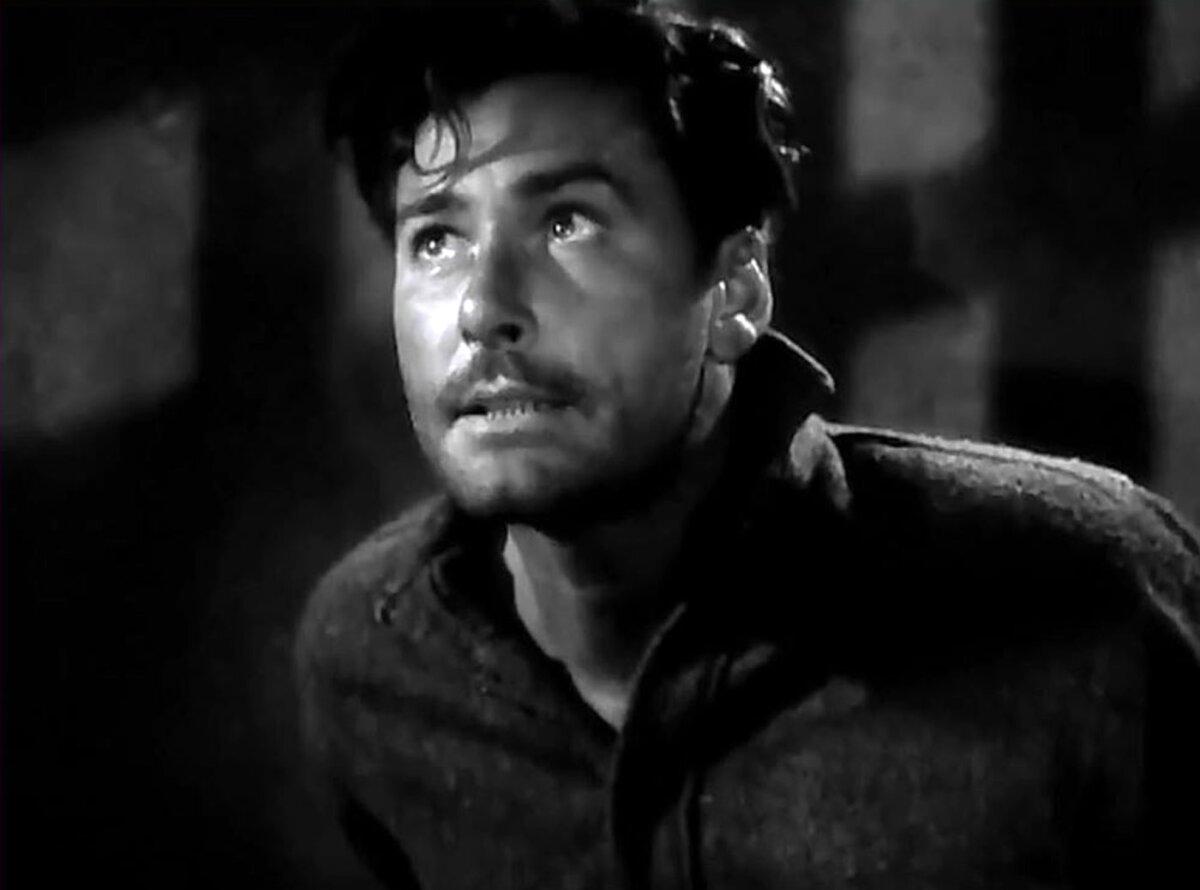
By the time “Uncertain Glory” arrived, audiences knew that face promised adventure. Walsh uses that promise in a murkier way. Flynn still has the grin, but it now belongs to a man who has spent his life treating consequences as something meant for slower people.
The Guillotine
Jean Picard (Flynn) is a French criminal in 1943, condemned to die by guillotine. Then a sudden air raid breaks the prison open and hands him a convenient escape.
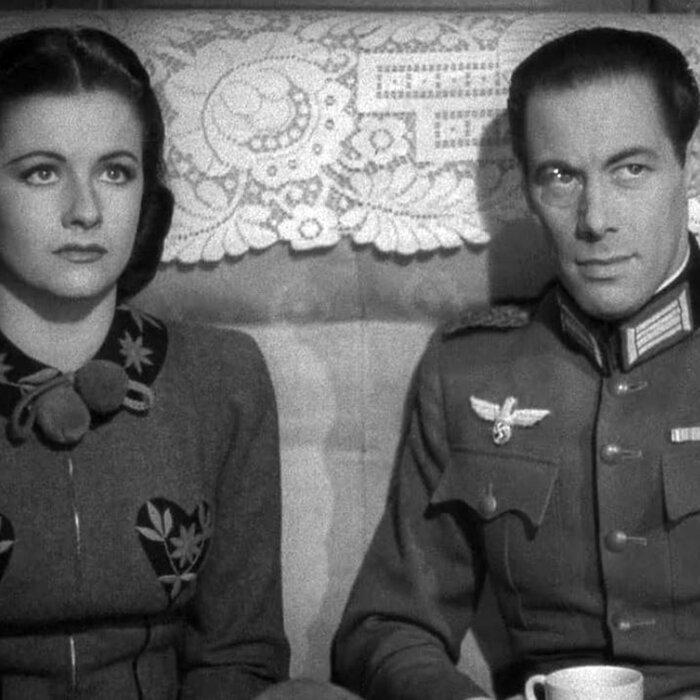
He runs to Henri Duval (Sheldon Leonard), an old underworld contact who may be able to get him money and papers, but he tangles with Louise (Faye Emerson), Henri’s girlfriend. Betrayal puts him back in the hands of Inspector Marcel Bonet (Lukas).
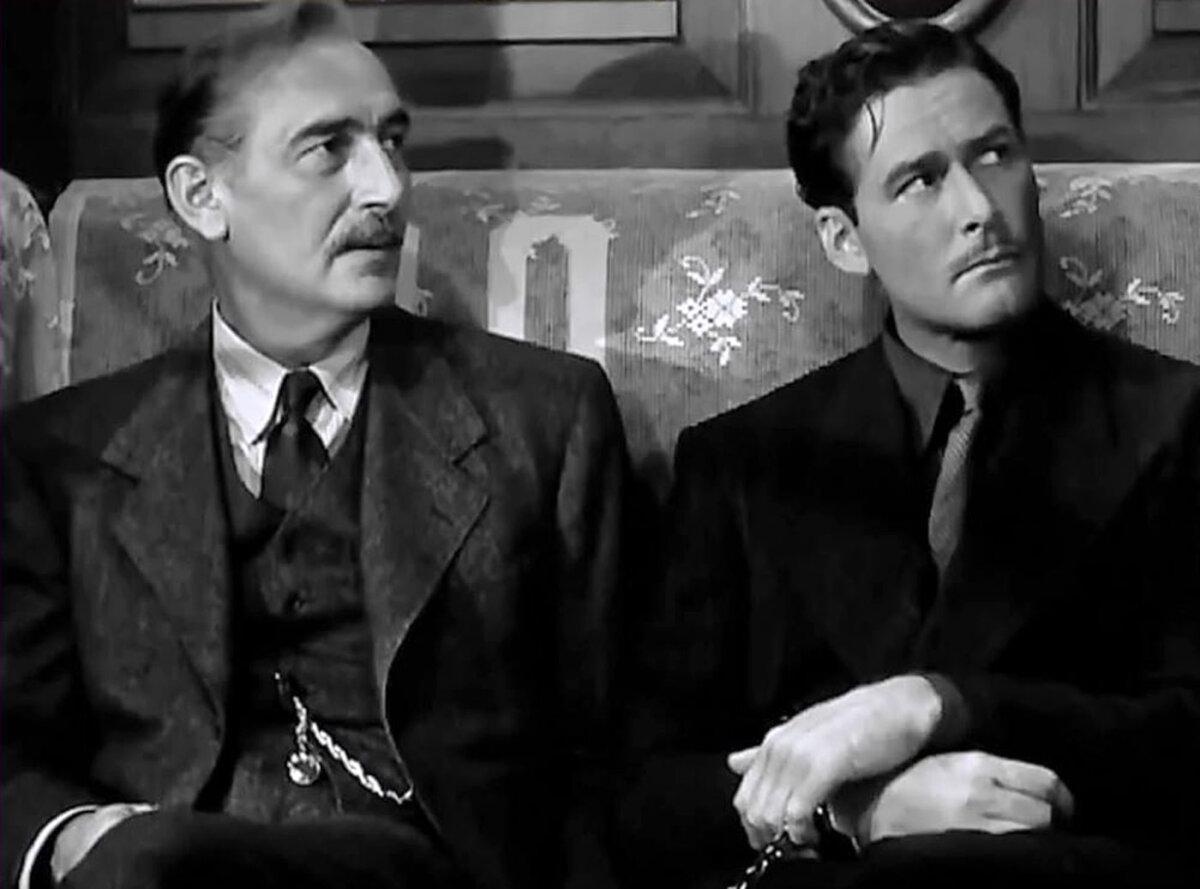
On the return trip, Bonet and Picard come across the ruins of a destroyed bridge. German troops plan to execute 100 French hostages unless the saboteur comes forward within five days.
Picard, already marked for execution, offers to pose as the guilty man. Bonet has every reason to doubt him, though the hostages leave him with little room to refuse.
The nearby village brings in Marianne (Jean Sullivan), a young woman who gives Picard a reason to imagine a different life. Mme. Maret (Lucile Watson) is a local woman with her own connection to the hostages.
Solid Performances
Walsh’s setup has a built-in clock, and he uses it well. Prison, escape, recapture, village, deadline. The pieces click together fast enough that the script’s neat corners rarely sit in view for long.Flynn never cleans Picard up for the audience. He keeps him selfish, vain, funny, and ready to use whatever opening might keep him alive. That makes the later turn more believable, since his old habits don’t suddenly disappear when the story gives him a chance to do something decent.
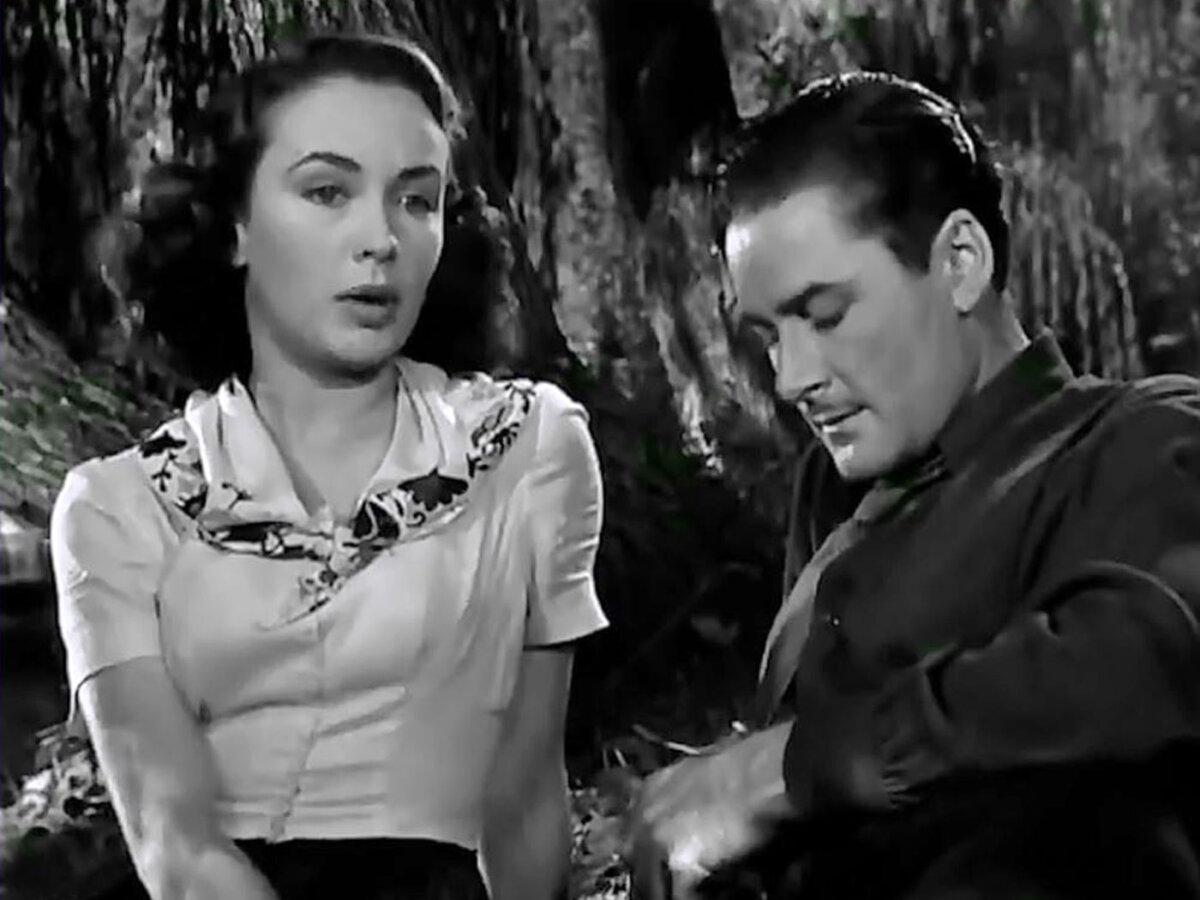
Lukas keeps the story from drifting toward sentiment. His character Bonet could have become a stiff rulebook in a coat, glaring at Picard until the audience lost patience with both of them. Lukas plays him as a tired professional who knows exactly what kind of man he’s dealing with. His scenes with Flynn work because Bonet watches closely and never gets swept up in the charm.
The film weakens when Picard’s possible redemption begins to feel too carefully arranged. A few village scenes seem built around his change instead of the normal feel of the people living there.
Even so, Walsh keeps the picture moving. Flynn never turns Picard into a saint, and Lukas gives his character the knowledge of seeing through Picard.
“Uncertain Glory” remains a modest wartime drama with a strong central idea and three men who know how to keep it alive.