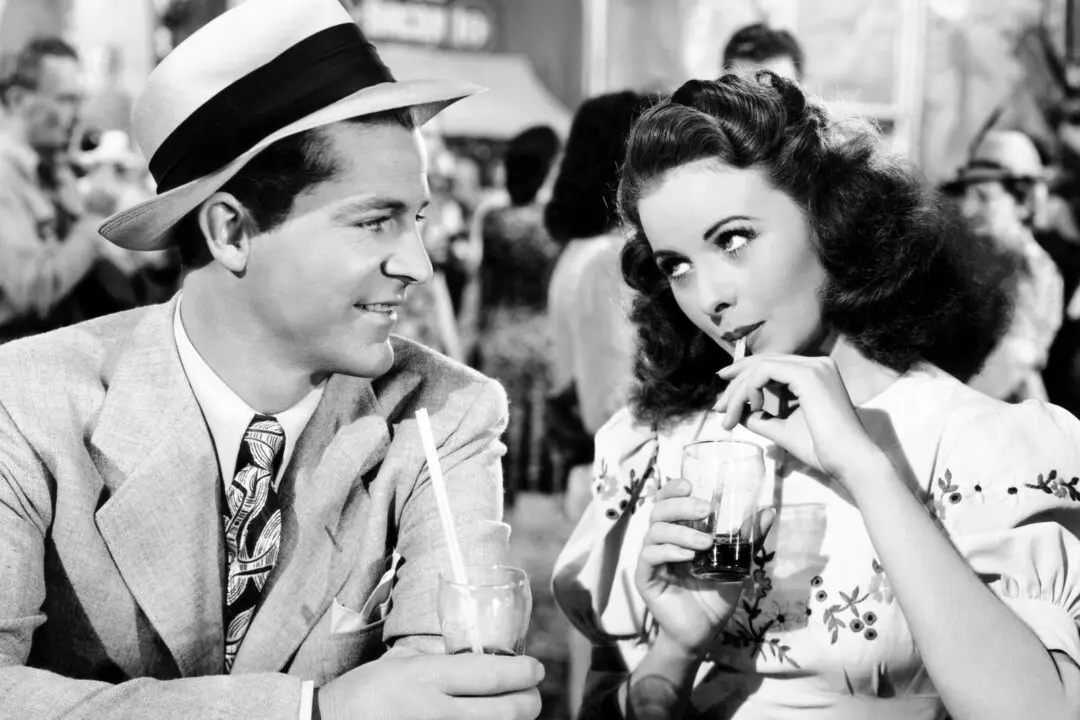
“Everybody comes to Rick’s.” This line is uttered by Capt. Louis Renault, the corrupt French prefect of police played by the ever-charming Claude Rains, in “Casablanca” (1943).
This film remains one of Warner Bros.’s biggest claims to fame. Renault’s line is a tribute to the popularity of the nightclub run by Humphrey Bogart’s character, mysterious American ex-patriate Richard Blaine. It’s the film’s first reference to Rick’s Café Américain, but it’s more than that. It’s also a clever quote of the original title of the unproduced play that inspired the movie.
“Casablanca” depicted French Morocco during World War II so vividly that it seems like a snapshot of the exotic locale during those turbulent times. Today, people go to the Moroccan city in search of the glamour, intrigue, and rich culture the movie captured. For 60 years, they searched the crowded streets in vain for Rick’s Café.
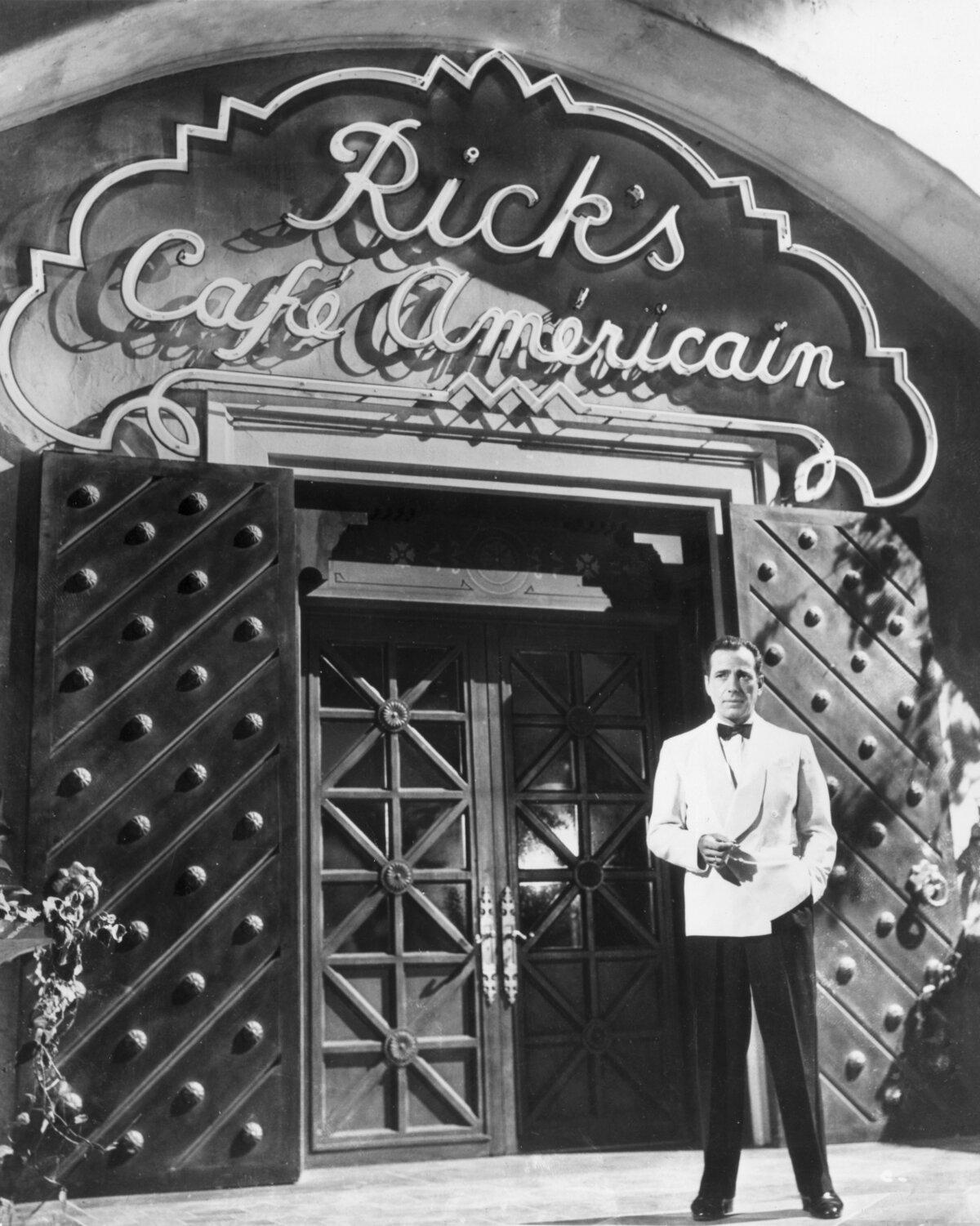
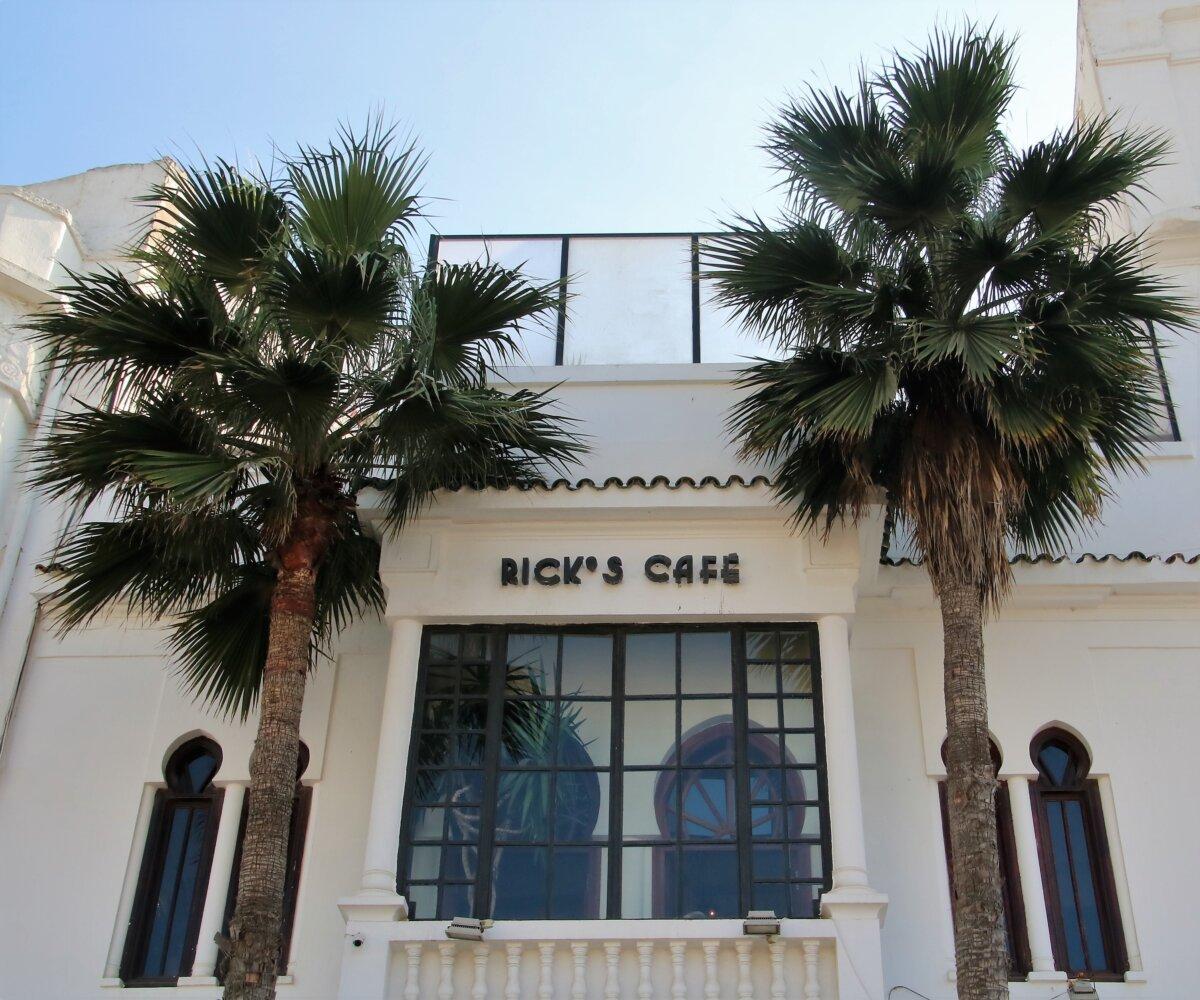
All that changed in 2004. Kathy Kriger, an ex-patriate American who left a long career of diplomatic service to pursue her entrepreneurial dreams, opened a real-life Rick’s Café in Morocco to provide a cinematic tribute for “Casablancaise” and tourists alike.
Bringing the Legend to Life
The book begins with the Arab proverb, “Only the tent pitched by your own hands will stand.” It required self-sufficiency, creativity, a lot of courage, and, above all, persistence for Kriger to take that step. She made her way from being a career diplomat stationed in Morocco at the time of 9/11 to the opening of her own restaurant two and a half years later.The idea seemed simple. She wanted to start a Rick’s Café in the real Moroccan city, inspired by the storied establishment in the film “Casablanca.” The reality was much more complicated.
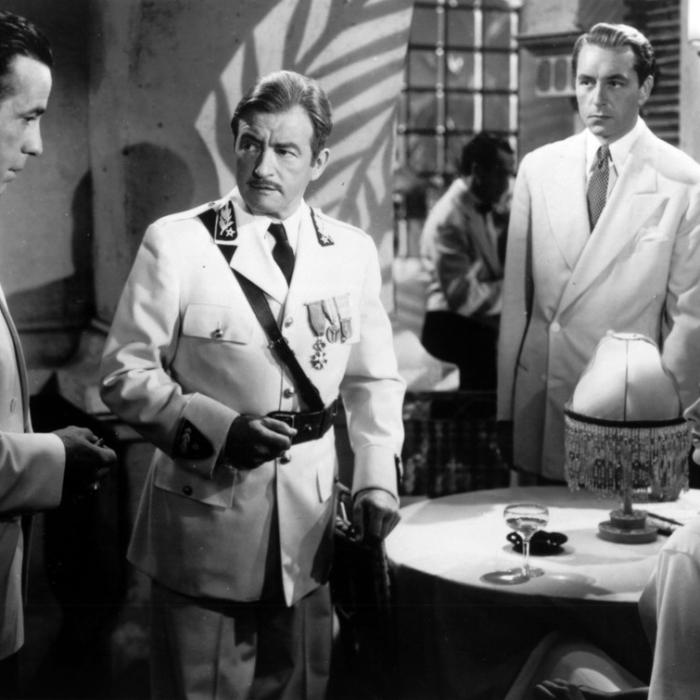
The atmosphere created in the beloved movie was so culturally rich, authentic, and believable that many older Casablanca residents told Kriger that they associated the fictional Café Américain with their city’s storied past, although it was filmed exclusively on the Warner Bros. lot in Burbank, California.
Far more memorable in the movie than the restaurant itself are the people who frequent it. The employees, customers, and other denizens are a random assortment of international characters, crooks, and con artists.
Just as Rick has to deal with a lot of underworld characters to keep his cafe in business, Kriger dealt with corrupt officials, wheeler-dealers, and operators along the arduous road to opening.
An Entertaining Read
This book is divided into two parts. The first half is labeled “Act I: Bringing the Legend to Life.” In seven chapters, Kriger takes the reader along through her exciting, stressful, wonderful journey of bringing the restaurant from a pie-in-the-sky idea to an impressive reality.
She describes the complex challenges of choosing the location, finding investors, fundraising, getting building permits, working with the architect, dealing with bureaucracy, hiring the vital staff members, and, above all, assembling the right team.
The remaining five chapters comprise “Act II: The Legend Continues.” If the opening of Rick’s Café could be considered the story’s happy ending, Act II tells us what happens after happily ever after.
Opening any business is not a destination but a journey. Almost half of the book is dedicated to the adventures (and misadventures) Kriger and her team experienced after the restaurant opened.
Book Team
A necessary component in any successful project is a cohesive team, just like any movie needs a good supporting cast. Throughout the book, Kriger acknowledged the friends and colleagues who helped her along the way, including those who played vital roles in running her restaurant.When she decided to write a book about the colorful story of starting her business, she assembled a good team to help her do it. Her co-writer was Catherine Gandel, a friend from her days in Tokyo, whom she credited with giving the book its pacing and her stories their literary merit. Gandel and the other “usual suspects” did an excellent job helping Kriger bring her stories to print.
Interspersed throughout the book are occasional recipes, describing traditional Moroccan dishes and favorite cocktails at the restaurant. Even if there is no interest in preparing lamb tagine in the kitchen, readers will find these recipes very illustrative to the text. The occasional accompanying photographs of the buildings, drawings, and people mentioned are also informative.
This book is especially delightful because its story is true. Rick’s Café is still open and thriving, although Kriger died at age 72 in 2018.
Short of that, the reader may just round up the usual suspects for a movie night.