Richard Fleischer was one of the most versatile and prolific directors of the post-World War II cinema, creating 47 feature films spanning multiple genres over 41 years.
His classics include the noir thrillers “Trapped” (1949) and “The Narrow Margin” (1952), and the crime dramas “Compulsion” (1959), “The Boston Strangler” (1968), and “10 Rillington Place” (1971).
He also directed the science-fiction adventures “20,000 Leagues Under the Sea” (1954), “Fantastic Voyage” (1966), “Soylent Green” (1973), and “Conan the Destroyer” (1984).
Despite a diverse output that included an Academy Award for Best Documentary, Fleischer received some of the most obnoxious insults ever from influential film critics. Roger Ebert dubbed him “that prince of mediocrities,” while Penelope Gilliat said his approach to filmmaking was similar to how a “small boy directs a toy boat on a pond by giving it a shove.”
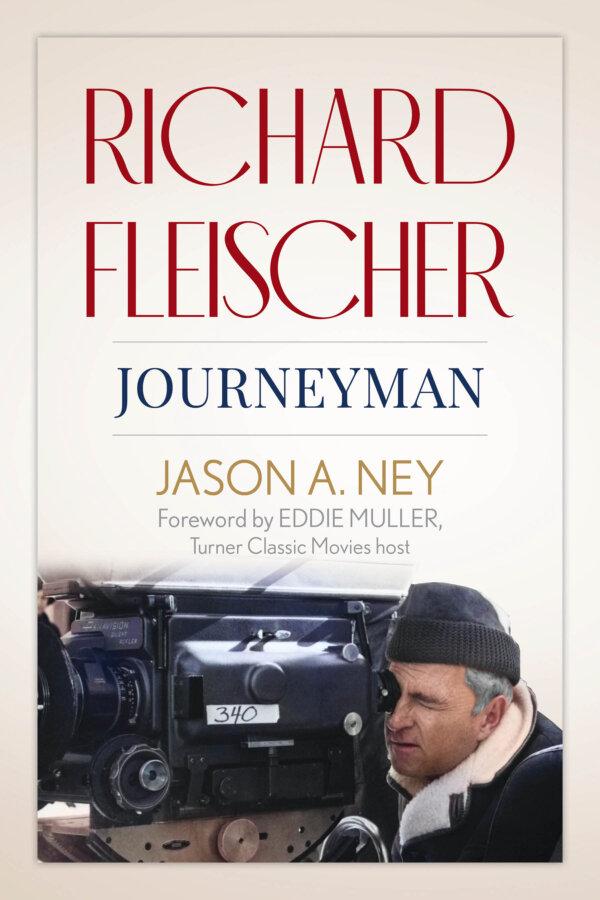
While Fleischer (who died in 2006) has some contemporary advocates, most notably Quentin Tarantino, his reputation among film critics and scholars is still muddy. Jason A. Ney’s biography, “Richard Fleischer: Journeyman,” offers wise insight into why Fleischer never received proper acclaim.
Training in B-Movies
Fleischer was born in Brooklyn in 1916, the son of pioneering animator Max Fleischer. After graduating from Brown University and the Yale School of Drama, he was inducted into the U.S. Army in March 1943. However, he was honorably discharged three months later for health reasons, specifically flat feet, and then headed to Hollywood.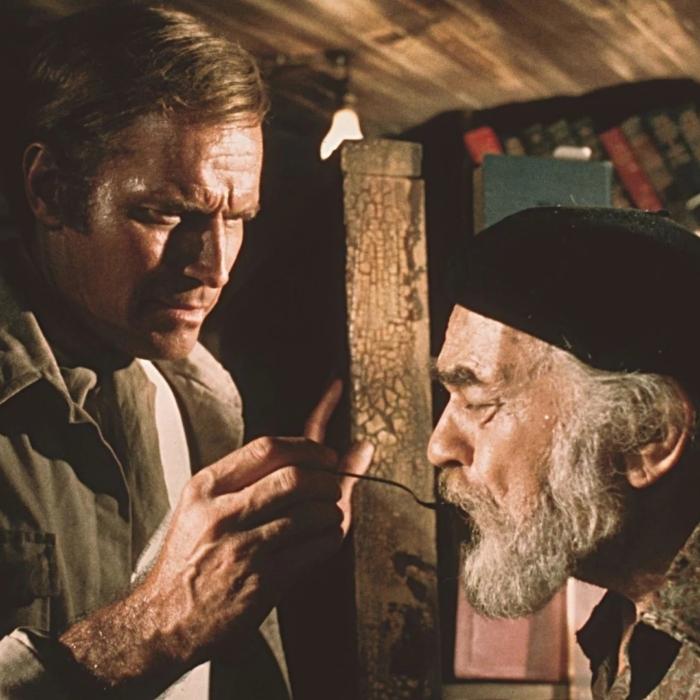
Fleischer caught a break at RKO, where he successfully produced and directed a series called “Flicker Flashbacks” that added whimsical music and sardonic soundtrack commentary to old silent movie shorts. After directing a few forgettable B-grade films, he enjoyed an anomalous detour on the documentary “Design for Death.” This traced the rise of militarism in pre-World War II Japan.
Working with screenwriter Theodor Geisel (who had a side gig as the children’s book author Dr. Seuss), Fleischer won his only Oscar. Ney offers an amusing retelling of how Fleischer and his wife Mary nervously approached the prestigious ceremony.
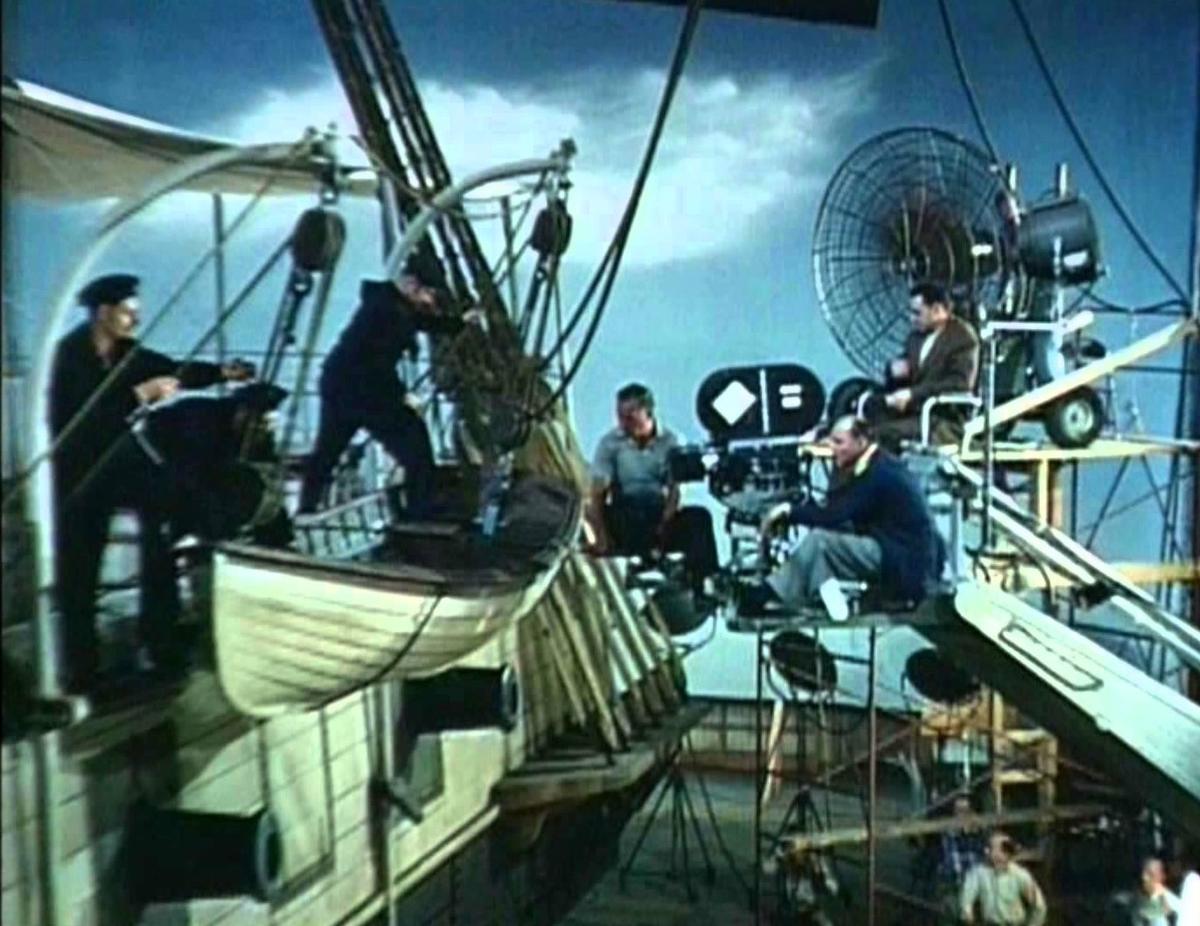
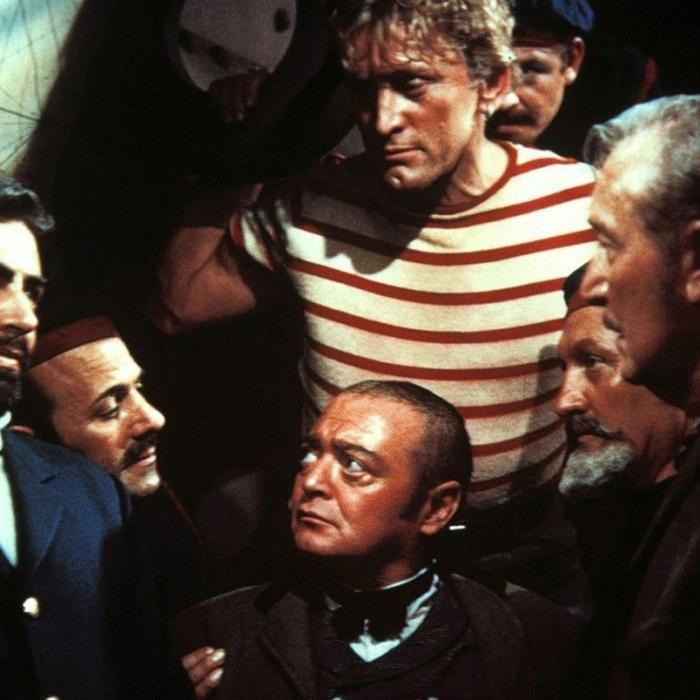
Fleischer enjoyed the respect of the RKO hierarchy, even the notoriously erratic Howard Hughes, after he acquired the studio, but he remained stuck in B-movie work. Oddly, his elevation to A-level films came when Walt Disney offered Fleischer the chance to direct the live-action adaptation of “20,000 Leagues Under the Sea.”
A Studio Favorite
However, Fleischer’s ability to function within the studio system, rather than rebel against its limits or seek out an independent path, may have worked against him in the realm of film appreciation.This is clear in the title of Ney’s book. In the film world, a “journeyman” refers to a director seen as a reliable team player who creates competent studio-quality work. But many prominent critics in the 1960s and 1970s viewed him as a studio hack compared with precedent-breaking filmmakers whose bold styles brought a new level of artistic vision to the big screen.
It didn’t help that Fleischer was often overshadowed by the larger-than-life producers who hired him. Most people recall “20,000 Leagues Under the Sea” for the Disney studio brand rather than Fleischer’s direction.
A Genuine Talent
Ney goes to great lengths to highlight Fleischer’s talent for creating complex, intricate scenes across the challenging, elongated CinemaScope screen, along with his ability to produce focused performances from notoriously over-the-top actors, including Orson Welles and Anthony Quinn. He also helped then-newcomers, including “Fantastic Voyage” actors Raquel Welch and James Brolin.On a few occasions, Fleischer stepped in to complete the unfinished work of temperamental directors, most notably on “The Last Run” (1971) after John Huston quit in mid-production after feuding with star George C. Scott.
For his 1961 biblical epic “Barabbas,” Fleischer orchestrated one of the most visually stunning sequences captured on film in the Crucifixion segment, which was shot during an actual eclipse. His inventive use of split-screen imagery in “The Boston Strangler” fueled the paranoia and anxiety in the film’s hunt for a serial killer.
In a career that was wider than most of his peers, Fleischer helmed more than a few flops, particularly the overstuffed kiddie musical “Doctor Dolittle” (1967). But when Pauline Kael sneered that Fleischer was a “glorified mechanic” with “no particular interests and no discernible style,” that betrayed her gross ignorance of both the individual and the wider cinema in which he flourished.
Ney’s book provides an invaluable reevaluation of Fleischer’s career output. The author provides a wealth of behind-the-scenes information on the creation of his director’s films. He examines the professionalism Fleischer brought to his craft, along with the compassion and sincerity in his off-screen life.
The result is a glowing tribute to a filmmaker whose greatness can finally be hailed without trepidation.