Not so long ago, the ability to carry a pocket-sized phone with you everywhere and call anyone in the world with it seemed like a stunning technological breakthrough, the realization of the most fanciful sci-fi daydreams. We’d finally made a real-life version of the impossibly advanced communicator gadget in the old Star Trek TV show. Everyone rushed to get one and step into a new, futuristic age.
But soon, this wonder machine itself became obsolete, as flip phones were quickly outpaced by smartphones—which we really ought to call miniature computers instead of phones, since calling is used far less than their social media apps, web browsing, games, and texting features. By the mid-2010s, anyone still using a flip phone was seen as frightfully out of date. People still lugging around those antiques were either hopeless Luddites or criminals using them as burner phones.
Back to the ... Past
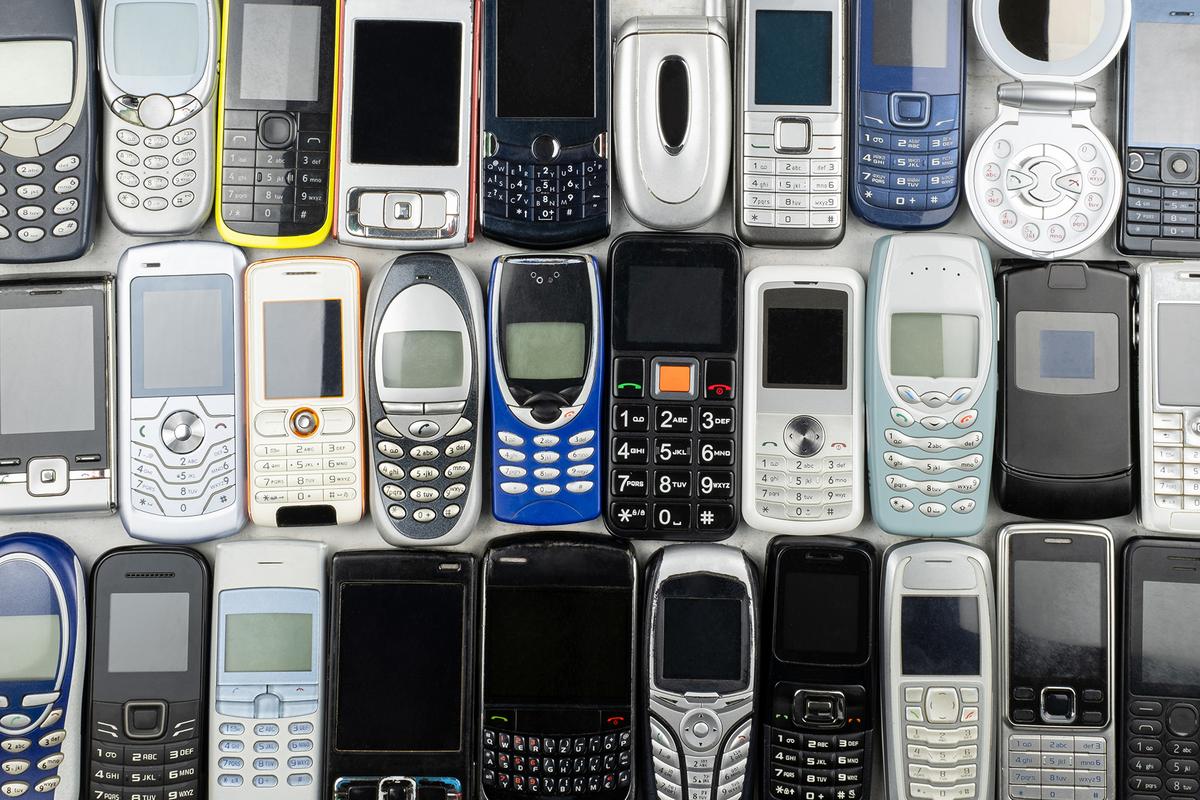
The moniker “dumbphone” isn’t really fair, although it’s useful shorthand for any cellphone that isn’t a smartphone. Many people have begun to wonder whether returning to dumbphones might actually be a smart move in our technology-saturated, dopamine-addled world. Dumbphones—better defined as “minimalist” or “feature” phones—provide the opportunity to disconnect a little, break an addictive relationship to technology, and be more present in the moment.“In a survey earlier this year, we found out that over half (59 percent) of Gen Z wants to make the switch to a dumbphone this year, along with 49 percent of millennials. 1 in 4 people interested in dumbphones don’t even care about retaining apps, which speaks to a drive for really unplugging.”


Archer wrote: “While there are a lot of benefits to staying connected to everything, like staying informed about world events and socialization, there’s also a lot of fatigue from constant input that can have an effect on our lives outside of our phones. Just a couple of years ago we discovered that over half of Americans consider themselves addicted to their phones.”
Tired Users Develop New Tech Habits
So what’s driving the dumbphone’s unlikely comeback? In addition to early-2000s nostalgia, there are more serious factors involved, particularly the public’s increasing awareness of the negative effects of smartphones on everything from physical and mental health to social connection and childhood development.But the surge in social media and cellphone-related anxiety and fatigue has finally forced people to consider alternatives, redefining what most people consider realistic.
“What’s changed is that more people are finally giving themselves permission to step back,” Stuckey said. “Research has caught up. Cultural conversations have shifted. And frankly, the mental health crisis—especially among youth—has forced families to reevaluate what’s ‘normal.’”
We’ve seen a growing public acknowledgment of the long list of detrimental effects of smartphones and social media. Yaron Litwin, a digital wellness expert and chief marketing officer of Canopy, a parental control app, listed some of those effects, such as harmful social comparisons and negative effects on sleep, memory, attention span, and social connection.
“For children specifically, they present a number of significant threats such as cyberbullying, identity theft, and sextortion,” he said.
Like Litwin, Stuckey noted potential negatives with smartphones, observing that they’ve become “emotional pacifiers” that inhibit our ability to handle discomfort, boredom, or loneliness. This can interfere with emotional regulation, impulse control, and resilience—not to mention cause anxiety from constant self-comparison with others.
As all these concerns amass, the allure of a retro flip phone or cutting-edge minimalist phone becomes clear. For many, the switch to a lower-tech communication device means less anxiety, greater mindfulness and awareness of the world, more available free time (and more intentionality about time), less eye strain, healthier sleep, and better and more frequent face-to-face interactions with others.
This last point may be the most crucial. Stuckey pointed out that one of the greatest costs of smartphones is social disconnection.
“It sounds ironic, but the more we try to ‘connect’ online, the more isolated people feel in real life,” she said. “I see it in families all the time: Everyone’s in the same room but mentally somewhere else, scrolling separate feeds.”
Anyone who has observed groups of people in a lounge, in a waiting room, in a restaurant, or on public transport will recognize that phenomenon. To borrow the title of a book by MIT professor and technology writer Sherry Turkle, we are often “alone together.” It just might be the case that dumbphones have the power to do what cellphones were originally designed to do: connect us, instead of isolating us.