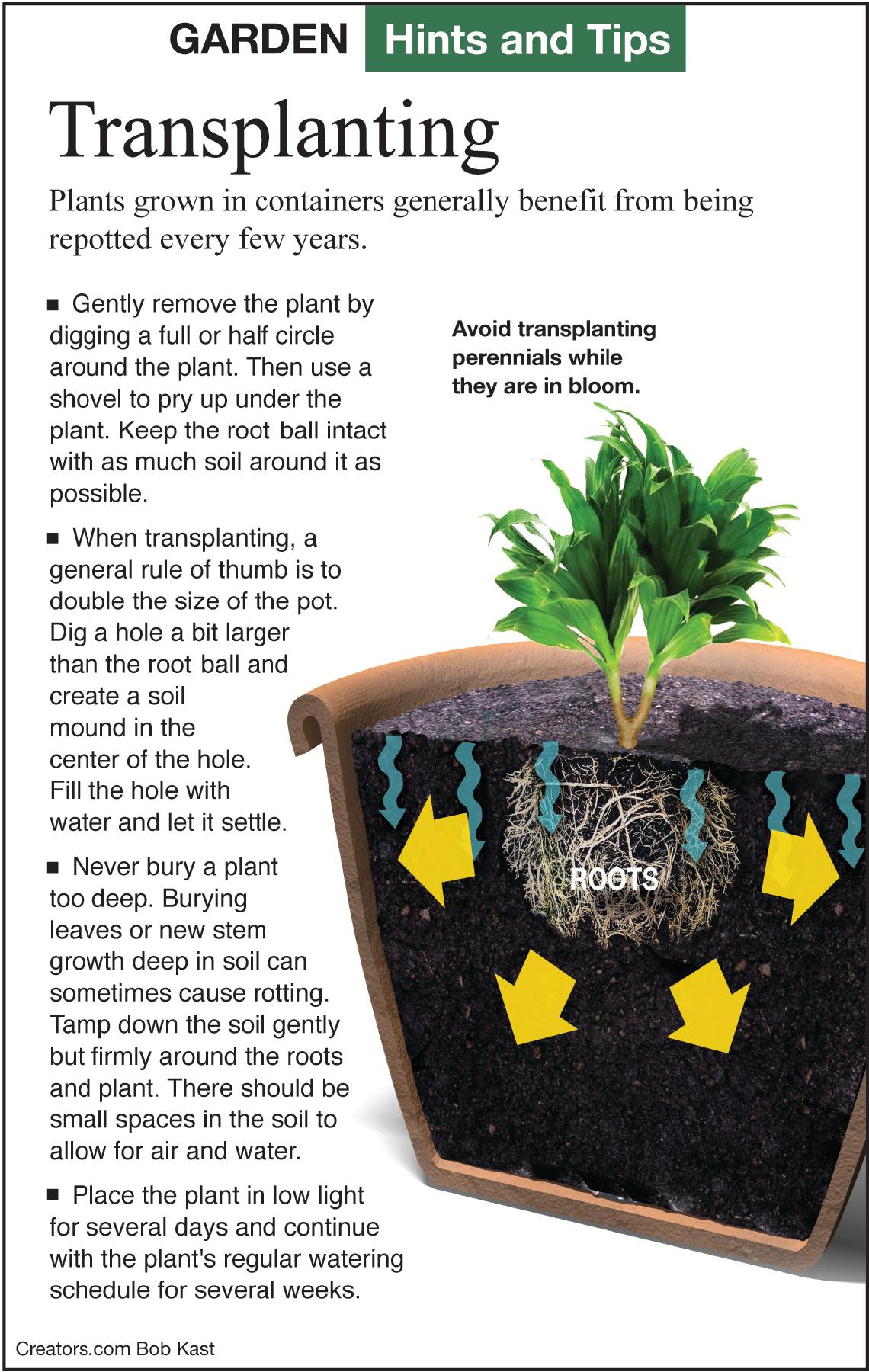
To prevent damage to the plant, dig a bit farther out than you think is necessary. Underground plant parts are often farther out than the stems would suggest. Dig a full or half circle like a moat around the plant. Then use the shovel to pry up under the plant. At this point, some plants will begin to fall apart. Separate what you want to give away, and spread out the remaining pieces to fill the area. Try to keep as many roots intact as possible. Backfill the hole with compost if the plant needs better soil. Plant the new plants as soon as possible in pots or the ground so that new roots can grow before cold weather arrives.
If the plant does not want to separate easily, it may need to be cut apart. Don’t just chop it up with the shovel. Cutting it apart with a pruner, lopper, or saw will cause less damage and produce a healthier plant.
If you don’t have extra flowerpots, plan ahead and use yogurt cups, milk jugs, or plastic bags. Plant them in potting soil so the roots can stay damp until they are sold or traded and can be replanted in their new home.
We often don’t divide houseplants until they are really pot-bound and the roots fill the pot. Watering a few hours in advance often makes it easier to remove the plant, especially in clay pots.
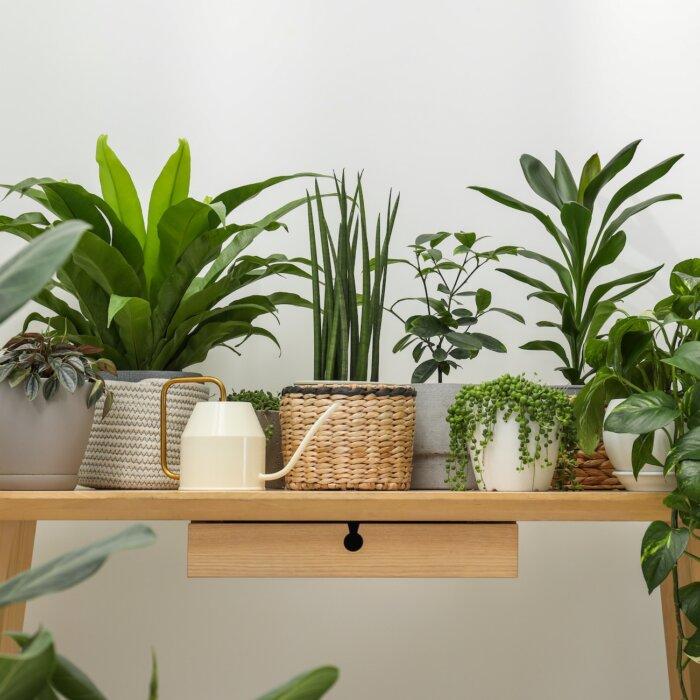
On pots that are 8 inches in diameter or less, place one hand over the top of the pot with the stem of the plant passing between two fingers and turn the plant upside-down. If necessary, rap the edge of the pot against a table. The root ball should come away from the pot. On pots that are more than 8 inches in diameter, if a bit more encouragement is needed, place the pot on its side and rap the top edge of the pot with a rubber mallet. Turn the plant a few degrees and repeat the procedure until the root ball releases.
Once the plant is free, take a look at the root ball. If the soil is covered by roots, the plant needs to be moved to a larger pot. Loosen the roots and spread them out. You can prune any roots that circle around the pot.
If the original pot is less than 10 inches across, move up an inch in diameter; if it’s 10 inches or larger, increase the size by 2 inches. If the pot has drainage holes in the bottom, cover them with a piece of cloth, paper, or a coffee filter so the potting mix does not wash out during watering. If the new soil doesn’t have fertilizer, you can add some slow-release fertilizer, following the package directions.
When the potted plant is out of the pot, a knife or pruning tool can be used to cut the root ball and stems to divide the plant into smaller sections.
Sedums and cacti that have cut stems when they are divided should sit for a day or two before repotting or replanting to allow the cut stems to callous over. The scab will help prevent disease organisms from entering the stem. Open wounds on the stem are very susceptible to decay.
When planting into a pot or replanting into the ground, the plant should sit at the same level it was at when in the old pot or ground. Add potting mix to the pot, but make sure there is still room for water at the top of the pot. The soil mix will need to be firmed slightly before the plant is placed on top of it so it doesn’t settle. After the plant is placed, fill in around the original root ball with potting soil, and press it into place.
Water the plant thoroughly after repotting, but be especially careful not to overwater for about two weeks. The new soil may stay too wet until roots penetrate. Overwatering can lead to the roots rotting.