NR | 3h 5m | Drama | 1965
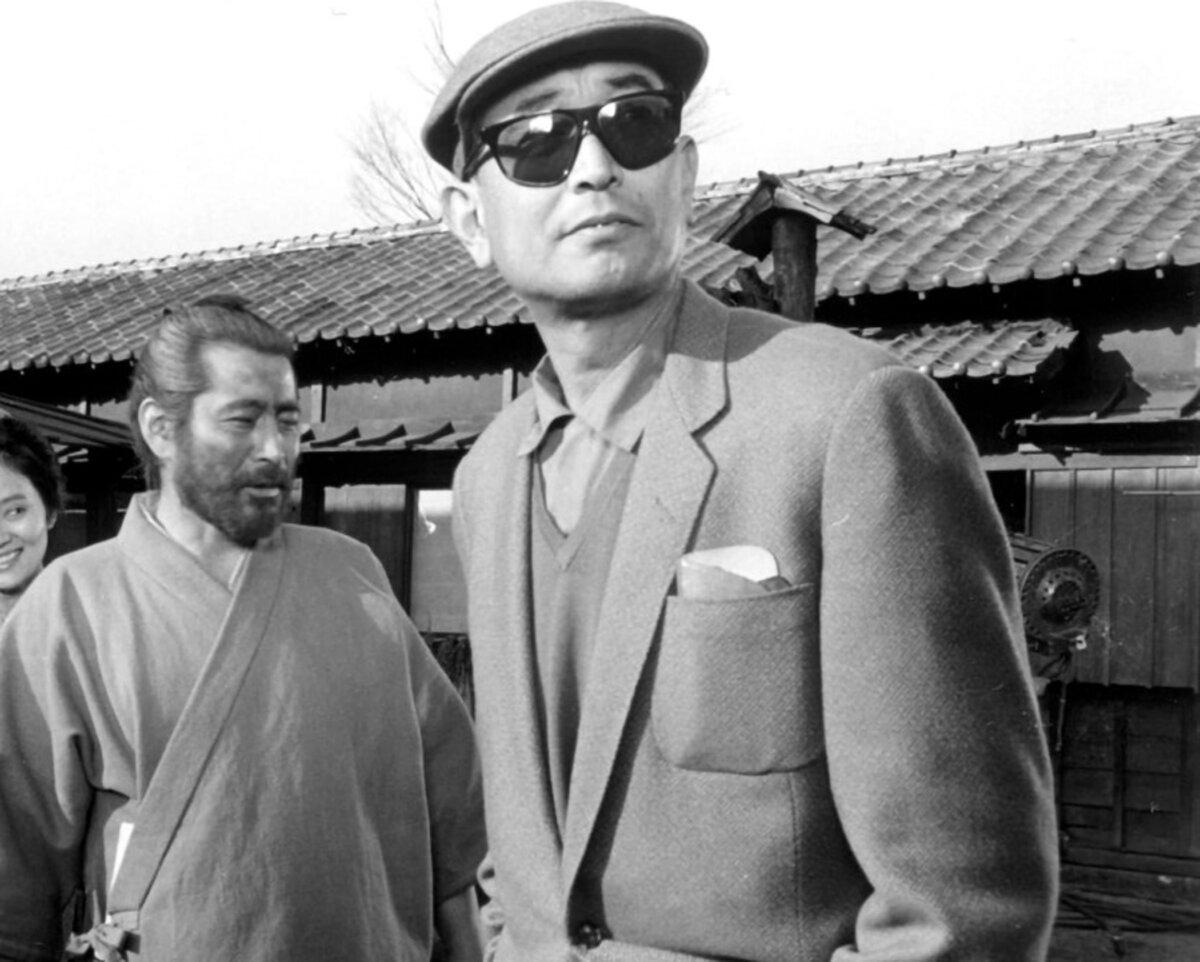
Akira Kurosawa’s “Red Beard” marks a fascinating transition point in his career. Produced in 1965, it was his final black-and-white feature. It was also the last time he worked with his iconic collaborator, Toshiro Mifune, a pairing that had shaped some of cinema’s most enduring classics.
Adapted from Shugoro Yamamoto’s short story collection, “Red Beard” moves away from battlefields and bandits. The story is set in a rural Edo-area (now Tokyo) clinic; an unwilling young doctor is forced to train under a gruff but compassionate senior physician. The result is an intricate portrait of mentorship, moral awakening, and the challenges of healing a destitute community.
Kurosawa invested two years into production. He built an expansive, meticulously detailed clinic and surrounding district environs. Whatever creative friction might have existed between director and star, none of it shows on screen. What emerges is a polished, human-centered drama that explores the value of compassion as deeply as any sword duel ever explored honor.
A Wise Teacher
Young Dr. Noboru Yasumoto (Yuzo Kayama) thinks he’s destined for greatness, or at least for the cushy gig of tending to a shogun’s sniffles. Instead, he’s shipped off to a clinic for the poor in Edo’s Koshikawa District. There, the patients are loud and the work is grimy. His boss is the fearsome Dr. Kyojo Niide (Toshiro Mifune), better known as the titular “Red Beard.”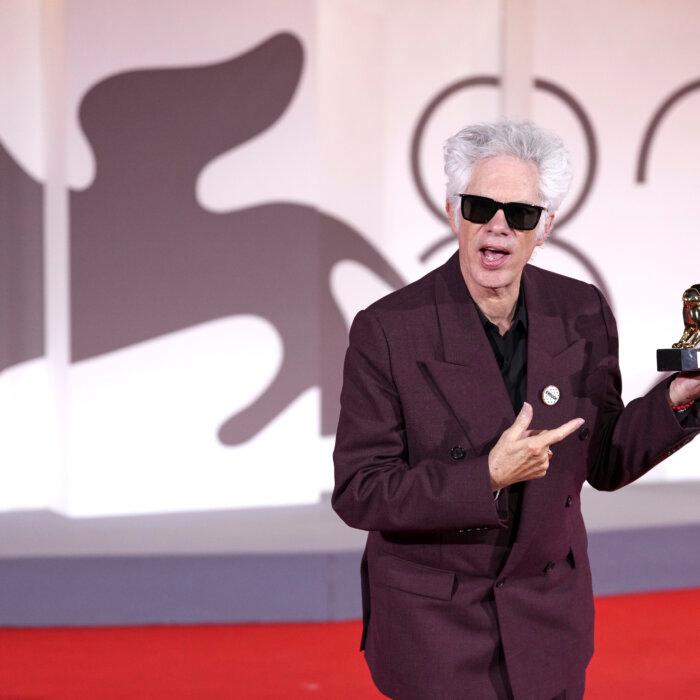
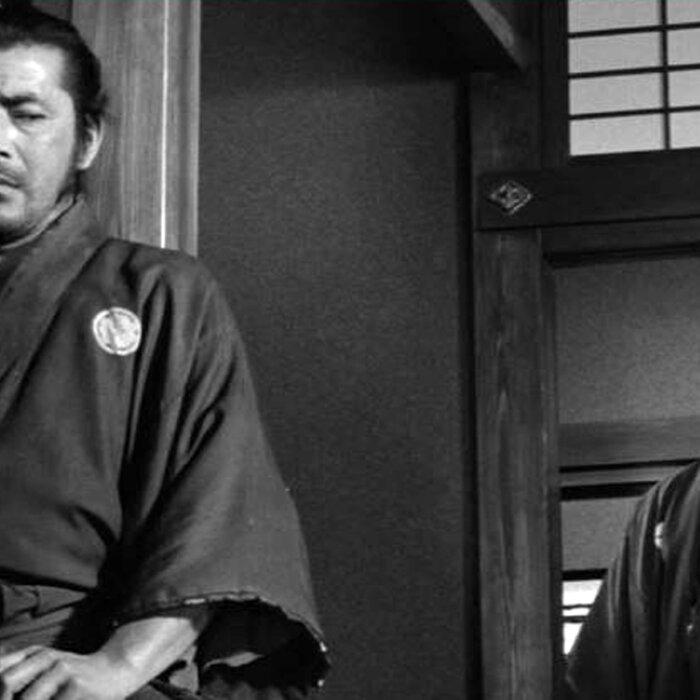
Yasumoto’s first instinct is to rebel: He refuses to wear the standard clinic doctor’s uniform, dodges responsibilities, and gets drunk off sake. He generally acts like the world’s most reluctant intern. Red Beard, however, doesn’t flinch. Instead, he simply lets the young man stew until curiosity (and compassion) start doing the heavy lifting.
The film then unfolds as a collection of stories filter through the clinic’s doors, each patient bringing a new challenge or lesson. There’s the tragic Sahachi (Tsutomu Yamazaki), whose generosity is driven by the burden of an old secret. Rokusuke’s (Kamatari Fujiwara) dying confession reveals a life more complicated than anyone guessed.
The young intern even survives a near-murderous encounter with “The Mantis” (Kyoko Kagawa), a disturbed young woman whose manipulation nearly gets him killed. These episodes play out like mini-dramas stitched together by Kurosawa’s careful hand, nudging Yasumoto toward something resembling maturity.
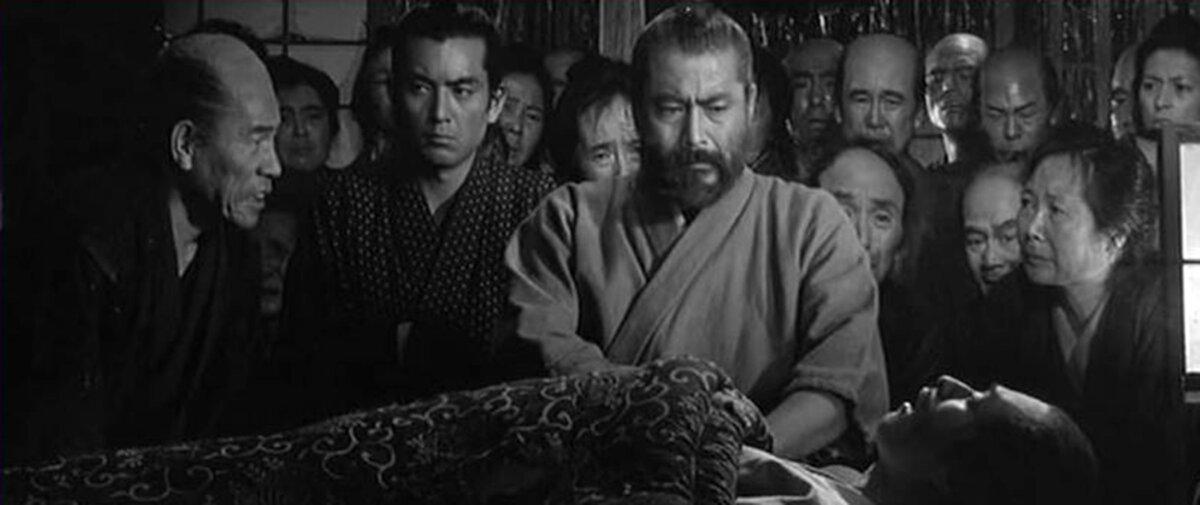
Perhaps the most striking thread involves Otoyo (Terumi Niki), a young girl rescued from a brothel; her quiet resilience and nurturing nature prove as instructive as any medical manual. Caring for her forces Yasumoto to stop sulking and start behaving like a doctor. When he himself falls ill, she turns the tables and nurses him back to health.
By the time Yasumoto dons the clinic uniform, he has become a more humane human being. He moves from hesitant trainee to someone who might actually belong at the clinic. What begins as a story about medicine subtly becomes one about him discovering who he is, even as obstacles continually test his resolve.
Strong Narrative
Kurosawa doesn’t rush the narrative one bit, and that’s part of the film’s charm. Every patient’s story gets its turn, every conversation has room to breathe, and the clinic itself feels less like a set and more like a living, chaotic place.The level of detail is amazing, down to Kurosawa insisting on clothing and bedding being worn and used before filming. This gives the whole film a textured, lived-in quality. The black-and-white photography is razor sharp and beautifully framed, a final showcase for Kurosawa’s mastery of grayscale before he moved fully into color.
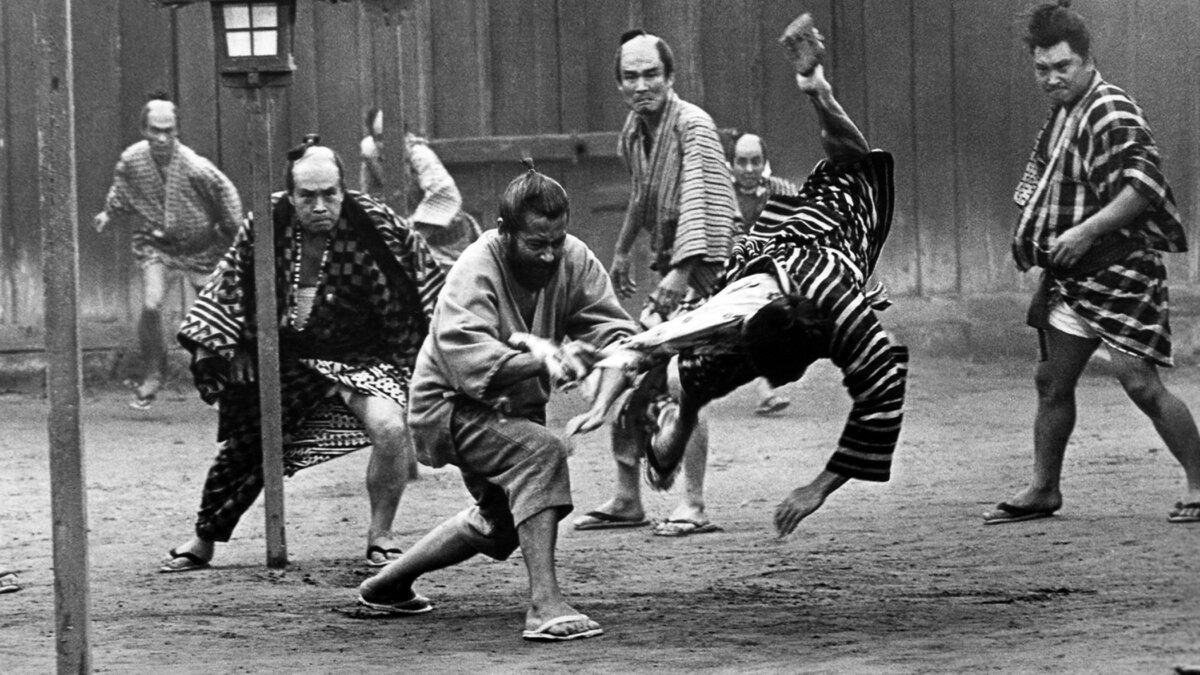
Performance-wise, Kayama does a solid job carrying the film as the young, sulky doctor who slowly turns into someone you’d actually trust with your health. Mifune, meanwhile, delivers one of his most restrained turns, except for one glorious scene. Red Beard goes full martial-arts demolition crew on a group of ruffians.
Niki also deserves credit for making Otoyo’s recovery believable and quietly powerful. It grounds Yasumoto’s transformation, making it feel genuinely personal rather than just the result of learning a few medical tricks.
For me, “Red Beard” is less a clinical medical drama and more a three-hour character study. Waiting for Yasumoto to put on that clinic uniform feels deeply satisfying and never cheap. When he finally does, he’d earned it.
It’s long, yes, but not a slog. Kurosawa keeps it engaging with just enough humor and bursts of action to balance the heavier material.
As a send-off to the Kurosawa-Mifune partnership, it’s fitting. Two titans of cinema leave us with a film that’s compassionate and humorous in its own way.