A Dignified Hog
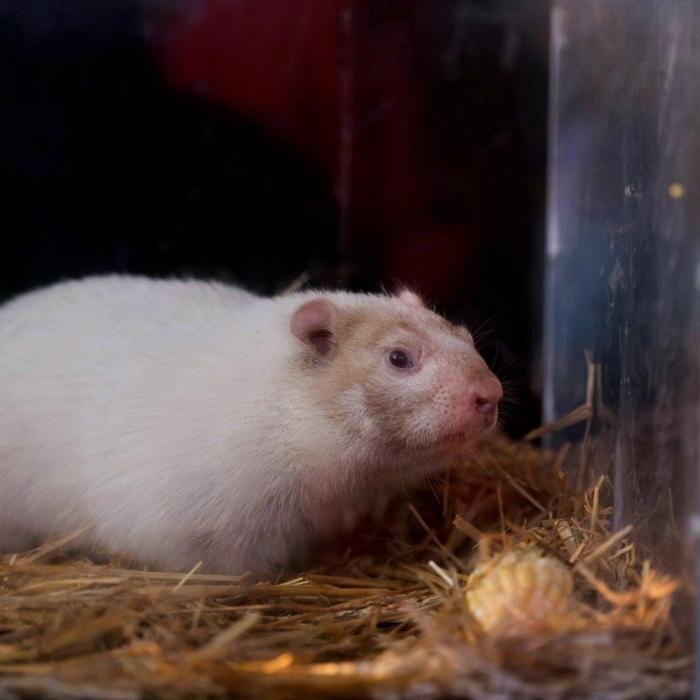
Though the rabbits are good neighbors with him, the groundhog never frolics or frisks for fun with them. He is far too dignified to do such a thing, for “he comes of an old family and he can remember who his grandfather was.” This knowledge of his heritage gives him great pleasure and pride and he often relates what his grandfather said or did.He is so dignified that, if anyone does something impolite, he corrects them. He rebukes the woodpecker for interrupting him and mentions how rude she is. And when a young chipmunk calls “Woodchuck,” the groundhog angrily says that no one with good manners would ever call a groundhog a “Woodchuck.” “My grandfather could not endure it,” he adds.
A Humiliated Hog
Yet his pride and fine manners could not protect the groundhog from imperfections and humiliation. The pride he takes in these qualities fails as he tells the young rabbits a story.He relates how his grandfather learned that everyone depended upon him to make the weather. His grandfather realized that “if a Ground Hog leaves his burrow on this certain day in winter, and sees his shadow, and goes back again, it will be cold for a long time after that. If he does not see his shadow, and stays out, it will soon be warm.” When the groundhog claims that he too can control the weather, things do not end well.
Through this story, Pierson shows that, when we are haughty and proud, we fail to see the fault in ourselves. We focus so much on ourselves that we do not see the many chinks in our armor.
As Leo Tolstoy says: “An arrogant person considers himself perfect. This is the chief harm of arrogance. It interferes with a person’s main task in life—becoming a better person.” No one is perfect, but, when we think we are, we fail to rise above our current state and often fall farther.
Rather than holding onto our haughtiness and pride, we must embrace humility, for this enables us to see our faults and mend them. Through humility and kindness, we can seek perfection by bettering ourselves through discipline, work, and sacrifice.
The familiar idiom, “Pride comes before the fall,” gives an apt warning when arrogance takes center stage. Haughtiness does not serve one well, and only humility can give us friends, credibility, and a sure path through life.