Classic is a word used frequently and with many different meanings. When applied to films or books, classic can mean either antiquated or beloved.
Many of the most famous classic literary works have been adapted into films. Watching a 1930s or 1940s film based on an early 19th-century novel is a unique experience because it lets you view one historical period through the lens of another bygone era.
While not always historically accurate or faithful to their source materials, classic movies based on classic novels can be delightfully entertaining introductions to the original stories.
Book to Screen
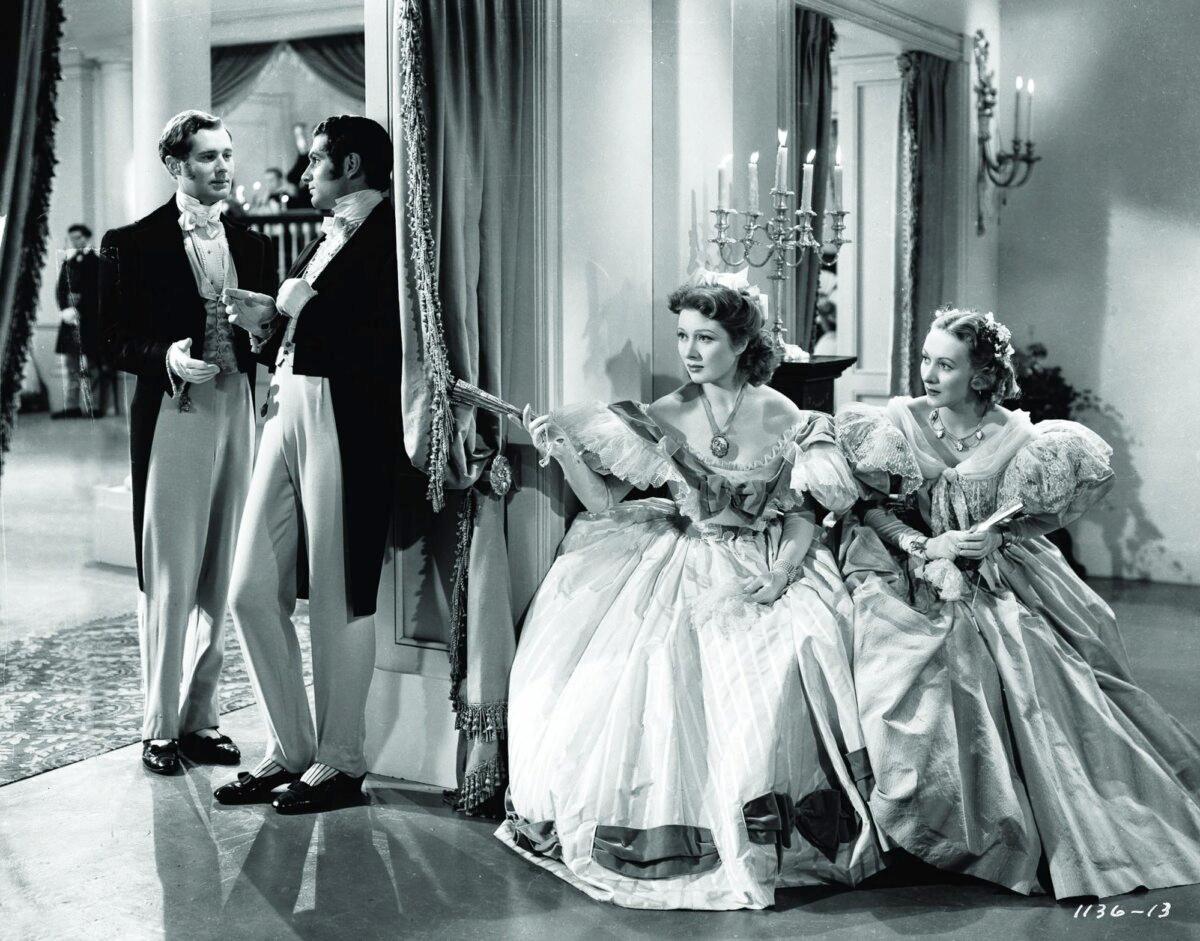
MGM, Hollywood’s grandest studio, was the production company that made the first film version of Austen’s most beloved novel. It was the perfect studio for this project because the book features a large cast of characters, and MGM’s “stable” was replete with stars.The story focuses on the five Bennet sisters, daughters of impoverished gentry who have to secure their futures through good marriages. Jane, the book’s oldest Bennet sister, is the beauty. She was played by Maureen O’Sullivan, who had become a star by playing another Jane in the “Tarzan” series. Elizabeth is the witty, strong-minded second sister. Casting British-born Greer Garson in one of her first movies, this movie made Elizabeth the oldest sister and the real focus of the film.
The three younger sisters are the bookish and bespectacled Mary (Marsha Hunt), the giddy Kitty (Heather Angel), and the soldier-infatuated flirt Lydia (Ann Rutherford). While Mary and Kitty are basically relegated to comic relief, the romance between Lydia and the wily Wickham (Edward Ashley) remains an important plot point in the movie, though some details were altered.

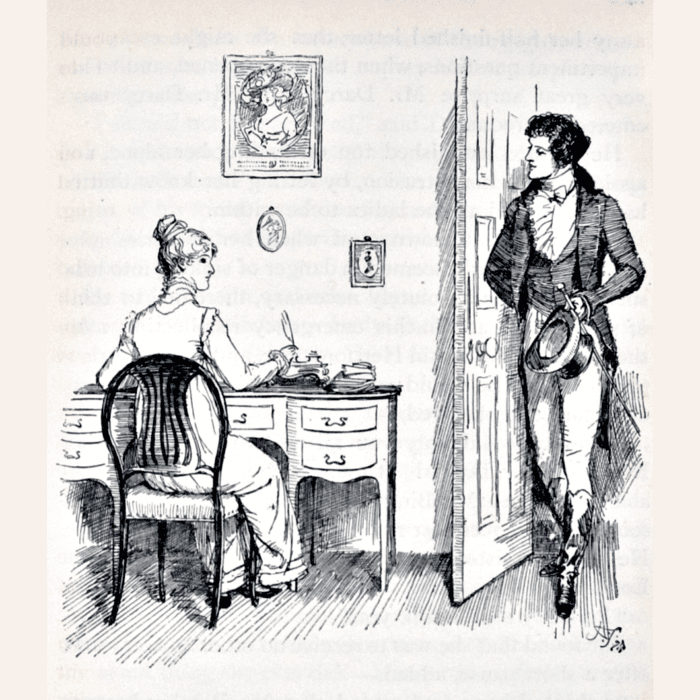
The plot is set in motion by the arrival of two eligible bachelors, the charming Bingley (Bruce Lester) and his pompous friend, Darcy (Laurence Olivier). Since Jane became the secondary character to Elizabeth, Bingley also became more of a supporting character, while Darcy became the leading man.
Changes for the Film
The 1940 film was based on Helen Jerome’s stage adaptation of the Jane Austen novel. Often drawing inspiration from this source, the screenplay made some key changes to the book’s plot. Many of these were intended to streamline the story into a cohesive two-hour film, while others were intended to fit the moral standards of the American film industry of the day.The most noticeable change is the time period. While Jane Austen’s novels are now synonymous with England’s Regency Era—the 1810s—this film set it in the 1830s. This is one of several historic pieces from the Golden Era of Hollywood that changed a book’s setting from the 1810s to the mid-19th century.
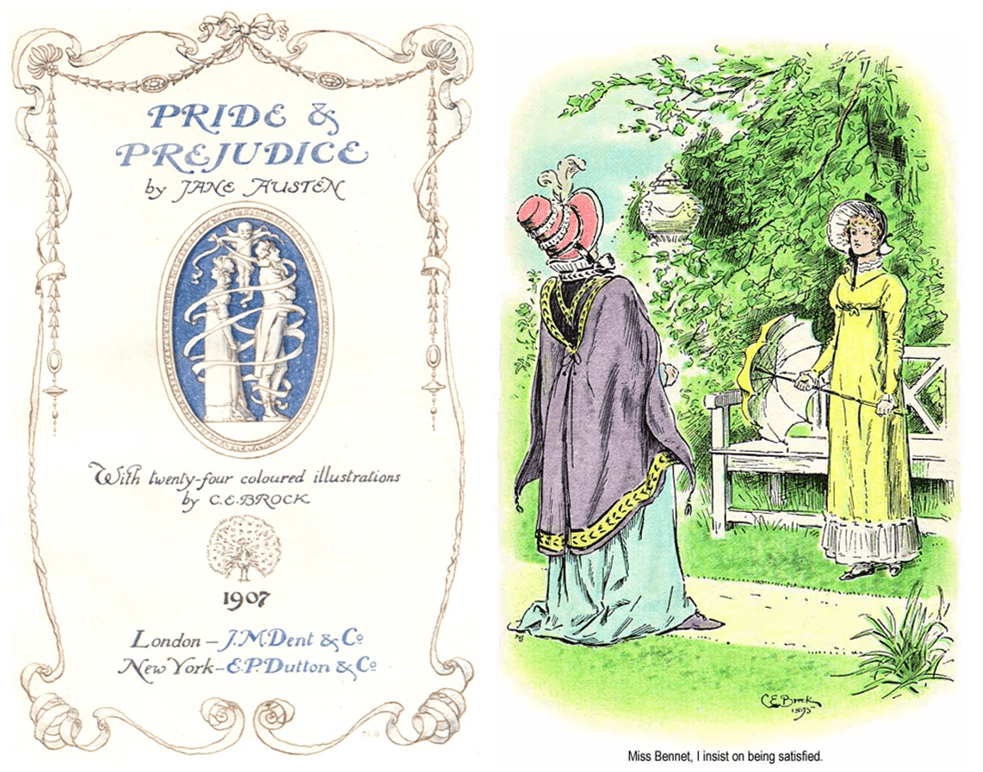
Costumers felt that the hourglass-based, full-skirted styles of the Victorian Era were more flattering to actresses than the straight silhouettes of the Regency’s empire waists. In addition, far more films were set during the mid-Victorian Era or Civil War period, so studios had a large stock of hoop-skirt gowns which could easily be reused for background characters.
One integral part of the book figures equally in the film. An awkward financial agreement requires that the Bennet estate, meager though it is, must pass to the nearest male relative upon Mr. Bennet’s (Edmund Gwenn) death.
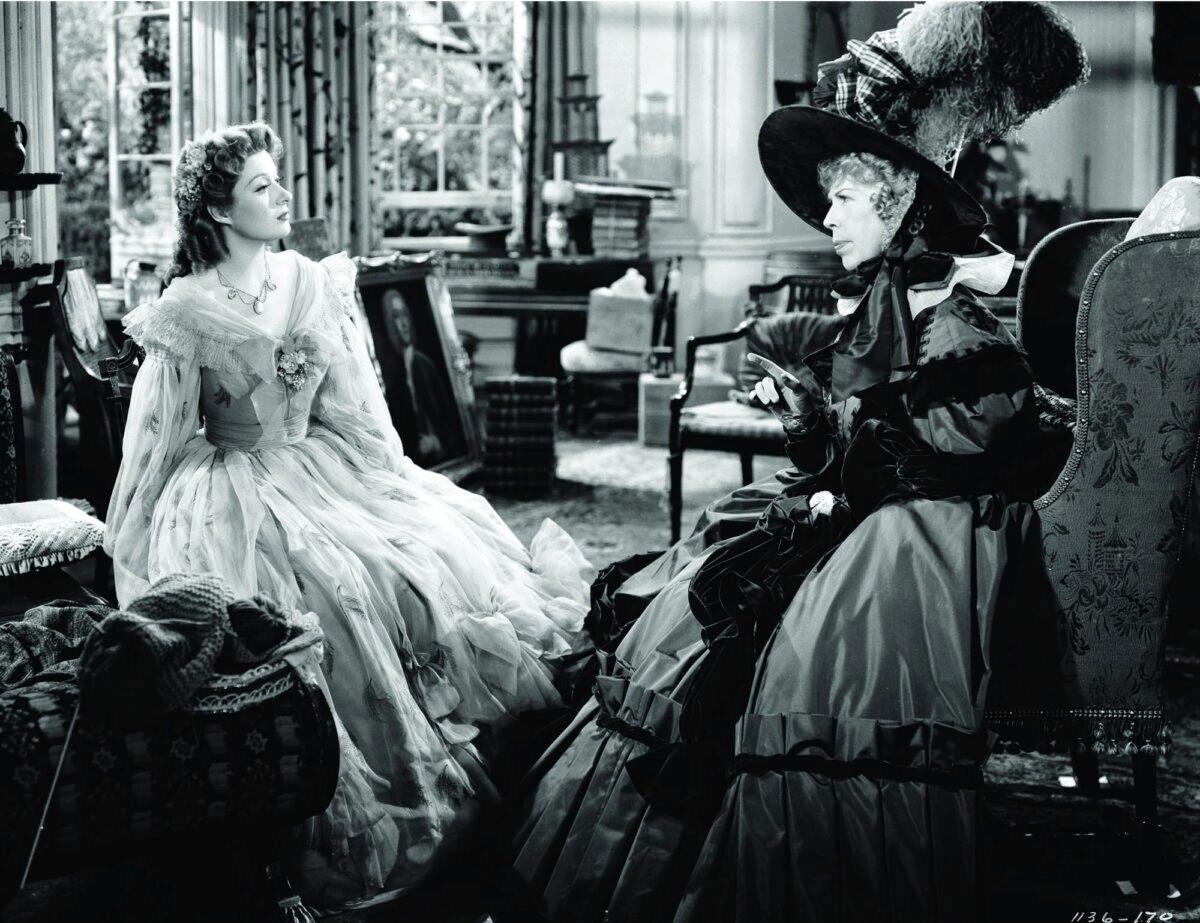
Since the Bennets have only daughters, that male relative is his cousin, Mr. Collins. Collins pays the Bennets a visit with the intention of taking one of the daughters as his wife and thus keeping the inheritance in the family. He’s depicted as a self-righteous bore whose only topic of conversation is his patroness, Lady Catherine.
A Romantic Comedy
This film was originally supposed to be in color, but it was released just a year after David O. Selznick’s Technicolor epic “Gone With the Wind.” Since Selznick had bought up every reel of Technicolor film for his production, “Pride and Prejudice” had to settle for black-and-white to avoid being hopelessly delayed.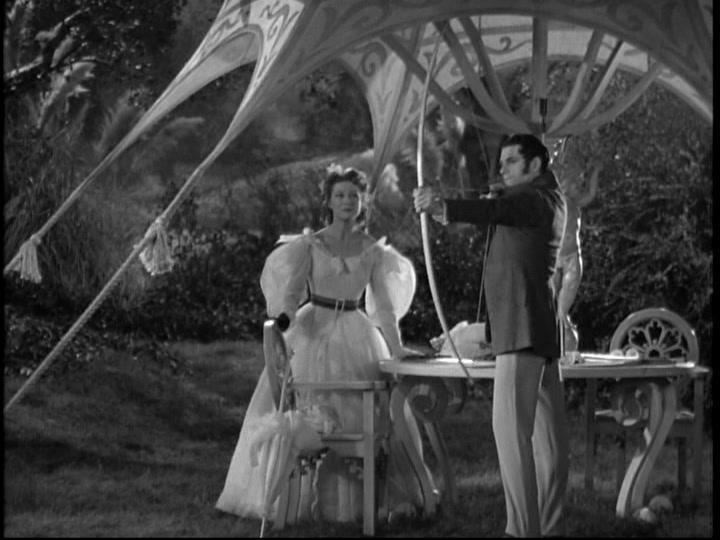
This 1940 film shifted a bit from literary costume piece to romantic comedy. It’s still very historic in appearance, but the tone of the dialogue and presentation of certain scenes reflect Hollywood trends of the late 1930s.
Scenes like the archery competition between Darcy and Elizabeth, which was a pure invention by the filmmakers, could easily be found in romantic comedies set in the day when they were made.
Despite the changes from the book, this movie is a delightful take on a beloved story. While the changes may bother devoted Austen fans, the novel’s spirit is tangibly present in every reel.
The lighthearted spirit, nuanced romance, and impressive ensemble cast make this an enjoyable film for booklovers and cinephiles alike.