Art and science are often considered mutually exclusive—two very different fields of study that have nothing to do with each other. However, each is a different way of helping us understand and appreciate the world in which we live.
In the early days of the United States of America, many creative citizens were students of both. They were polymaths, specializing in an array of disciplines and interests.
Excellent examples of early American polymaths are several members of the large Peale family. Following in the footsteps of their father, a renowned colonial portraitist who was also interested in many other arts and sciences, most of Charles Willson Peale’s children became experts in the disciplines of art, science, and museum curation.
An Exceptional Education
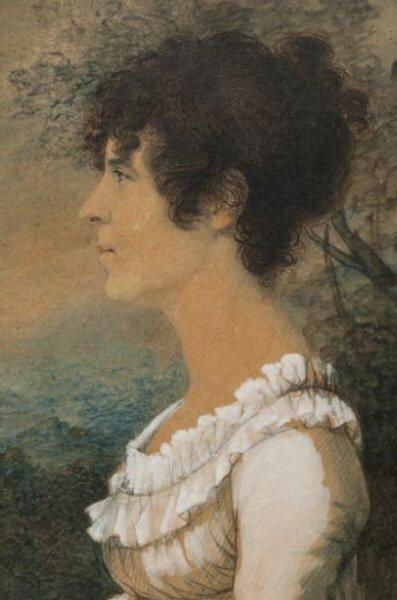
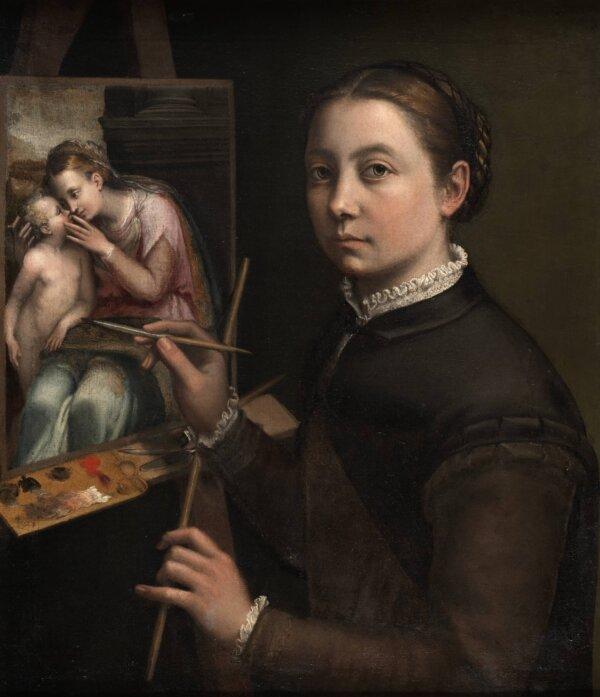
Sophonisba Peale, nicknamed Sopy, was born on April 24, 1786, in Philadelphia. She was the second daughter of six children born to Charles Willson Peale and his first wife, Rachel. As one of the youngest children from this first union, she was an important member of the Peale household through all three of her father’s marriages.Sophonisba’s unusual name was a tribute to Italian Renaissance portraitist Sophonisba Angusciola. Peale named all his children after his favorite artists, scientists, and intellectuals. Sophonisba grew up with brothers named Rembrandt, Rubens, and Raphaelle, all of whom became respected artists in their own right.
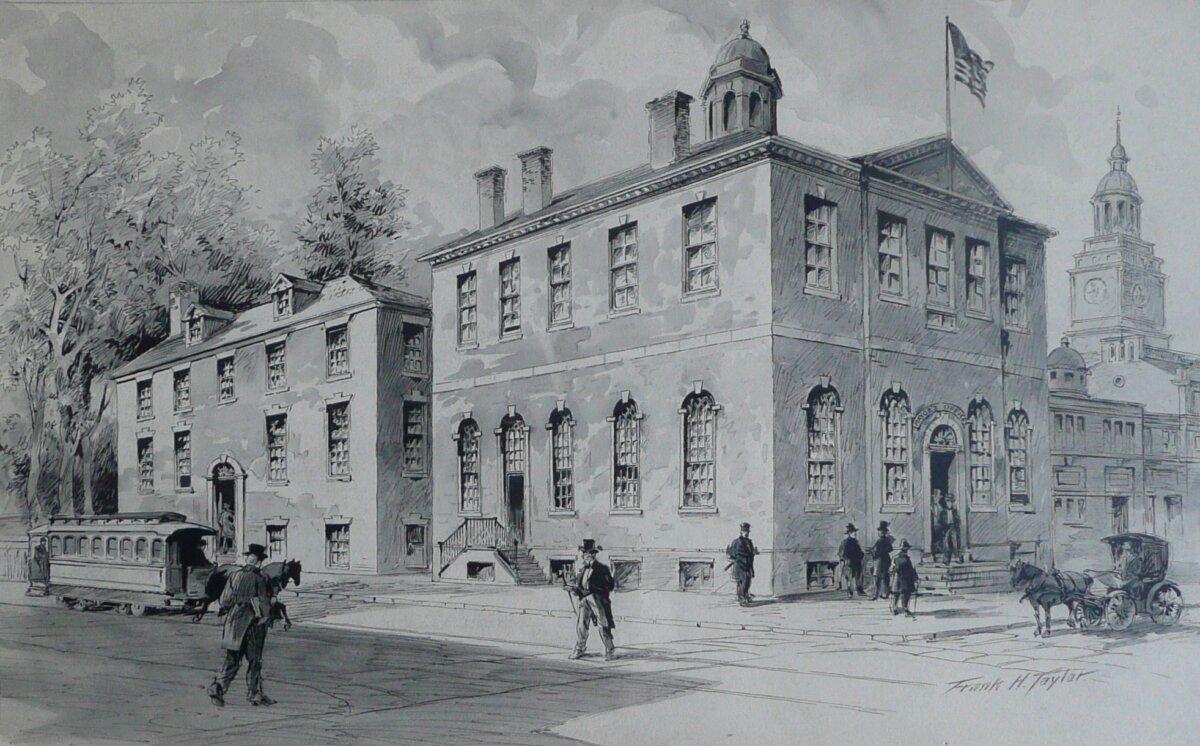
The Peale family home, where Sophonisba spent her early years, is now Philosophical Hall, a public museum run by the American Philosophical Society. In the late 18th century, it was home to Peale’s Philadelphia Museum, a collection of art and scientific artifacts that her father opened in 1784.
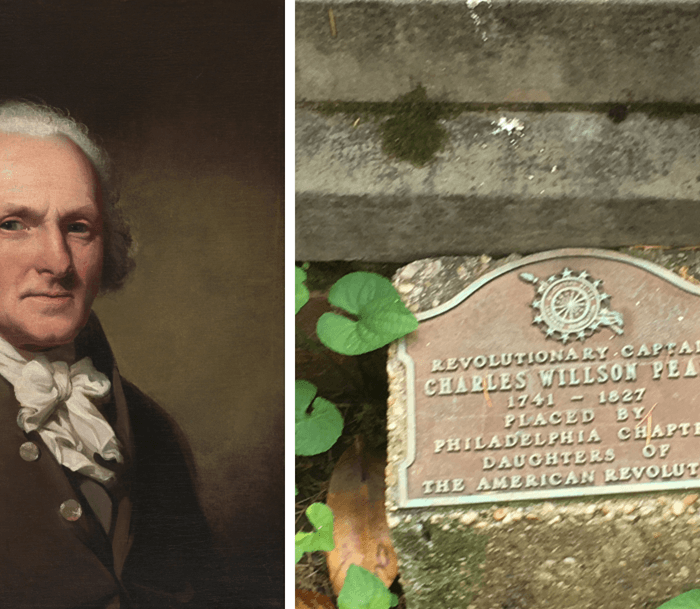
Charles Peale added a natural history collection in the year of her birth. Sophonisba grew up surrounded by paintings and specimens, learning a deep appreciation for study, creativity, and personal discipline. She was educated alongside her brothers and was particularly close in many of her pursuits to Rubens, her nearest sibling, just two years younger.
Taxidermy and Ornithology
One of Charles Peale’s favorite side pursuits was taxidermy. Thus, the Peale Museum was more of a natural history museum than an art museum. In addition to studying and practicing taxidermy, Peale also studied the work of Swedish taxonomist Carl Linnaeus, who developed the system currently used for naming flora and fauna.Although several of his children dabbled in natural history, Sopy became not only a passionate student but an invaluable helper in her father’s work. She started by learning how to preserve the animals for display. By the age of 17, she was accompanying him on hunting trips to collect specimens for the museum.
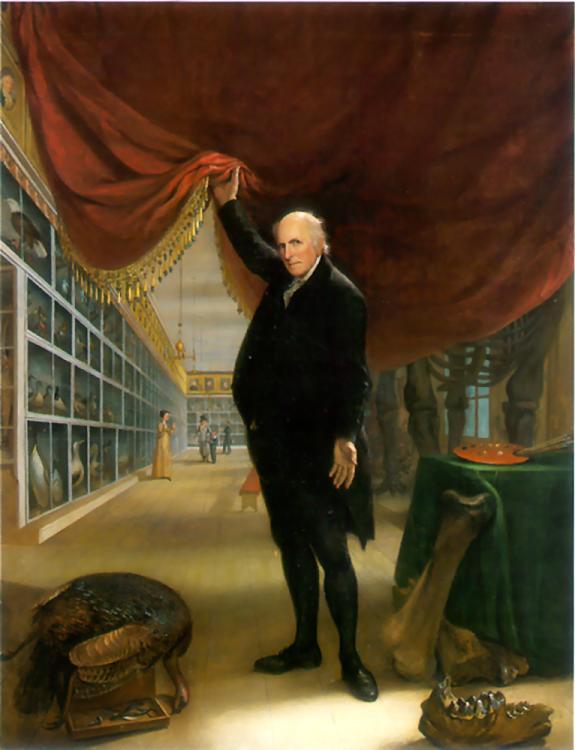
In a letter to his sons, Rembrandt and Rubens, Peale enthusiastically described how Sophonisba was “not only preserving them well but she also accompanies me in my hunting excursions and is now fond of Shooting with the little Fuzee.” Sopy was clearly an adventurous young woman who enjoyed using a shotgun.
Properly labeling the specimens was just as important as collecting and preserving them. Using her accomplished language skills, Sophonisba created accurate labels for all the specimens in the museum in English, Latin, and French.
The Peale Museum is considered the first to use Linnaean taxonomy to arrange and label its displays. This was no easy feat because the museum included 760 specimens in 140 displays. Nevertheless, Charles thought the labeling so important that he and Sophonisba stayed in Philadelphia during the 1803 yellow fever epidemic to continue the job.
Art and Quilting
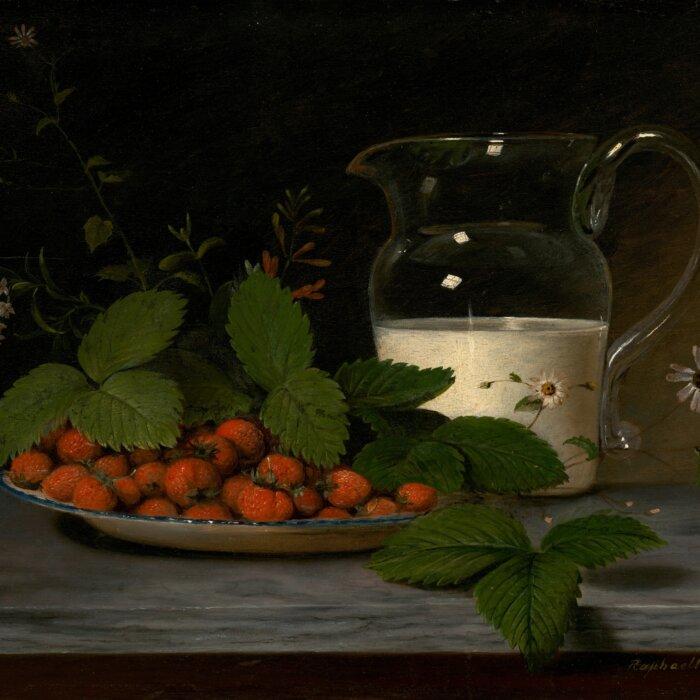
Sophonisba’s talents were not exclusively scientific, however. She also pursued the family business of visual art. She was instructed in painting and drawing by her father and produced still-life paintings in her teenage years. In a 1805 letter to Rubens, her father proudly mentioned her skillful paintings of fruit.She married engineer Coleman Sellers in 1805, and they had six children together. During her marriage, she continued sketching and producing art works. Less is known about her art during this time because she wasn’t as closely associated with her father as she was during her adolescence. She did, however, remain close with her father, stepmothers, and half-siblings, acting as a housekeeper and mother to her younger brothers and sisters.
Sophonisba was the subject of a childhood painting and a profile portrait by her father, and a silhouette by enslaved artist Moses Williams, among many others.
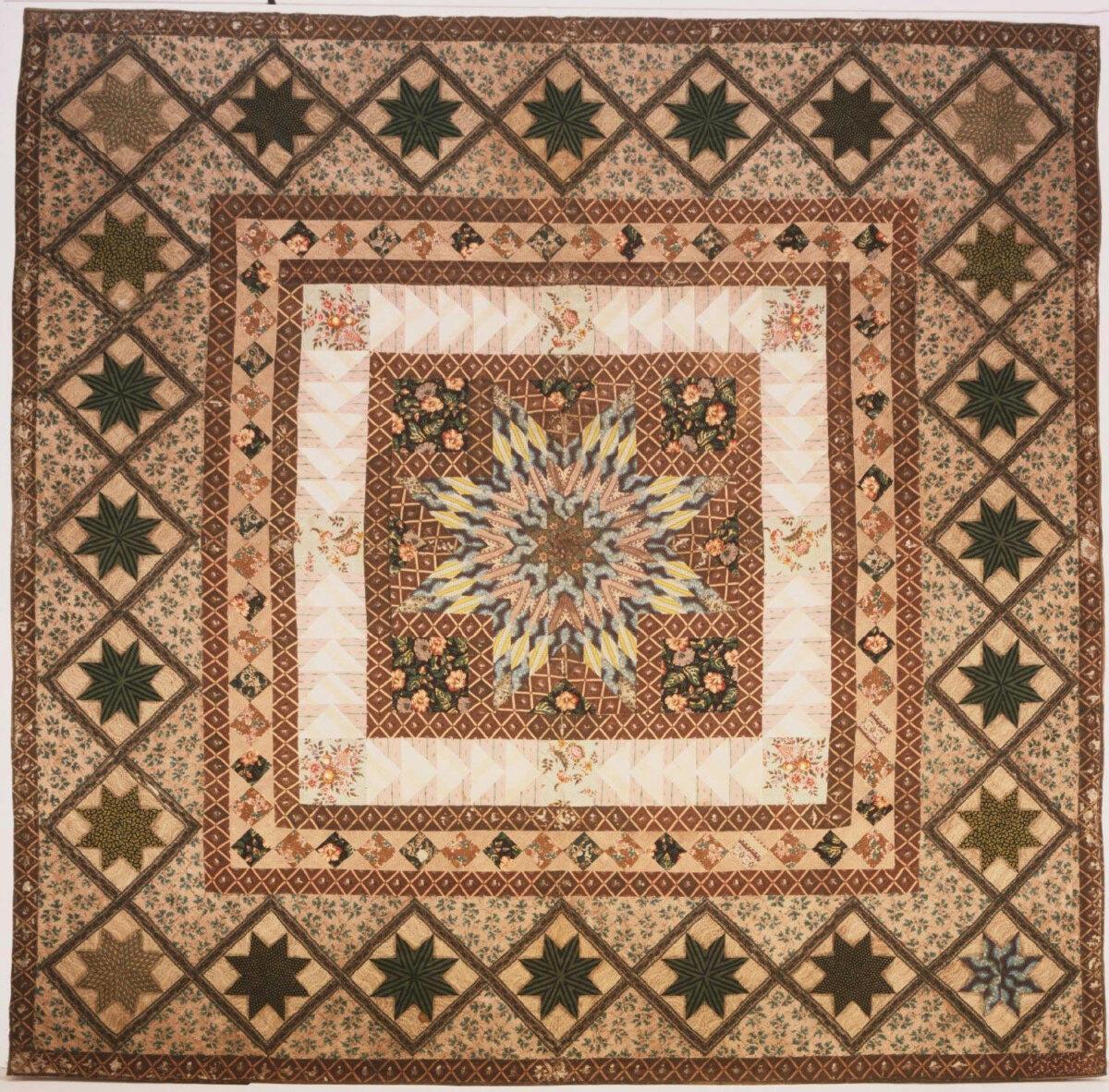
Another art Sophonisba practiced was quilting. Many early American women made quilts, but hers were not only practical but also very beautiful.
A Creative Influence
Sophonisba is rarely honored alongside her more famous siblings, but she clearly was a woman of deep and diverse talents. In one letter, her father referred to his 18-year-old daughter’s vocal powers and musical accomplishments, meaning that she may have been the only Peale child to study music.Her love letters to Sellers during her courtship are beautifully crafted, almost to the point of being poetry, indicating that she was well-versed in the finest literature.
Some have lamented the fact that she seems to have been unable to continue her artistic and scientific pursuits after her marriage at age 19. However, I think we have reason to believe that she continued the studies that were so dear to her.
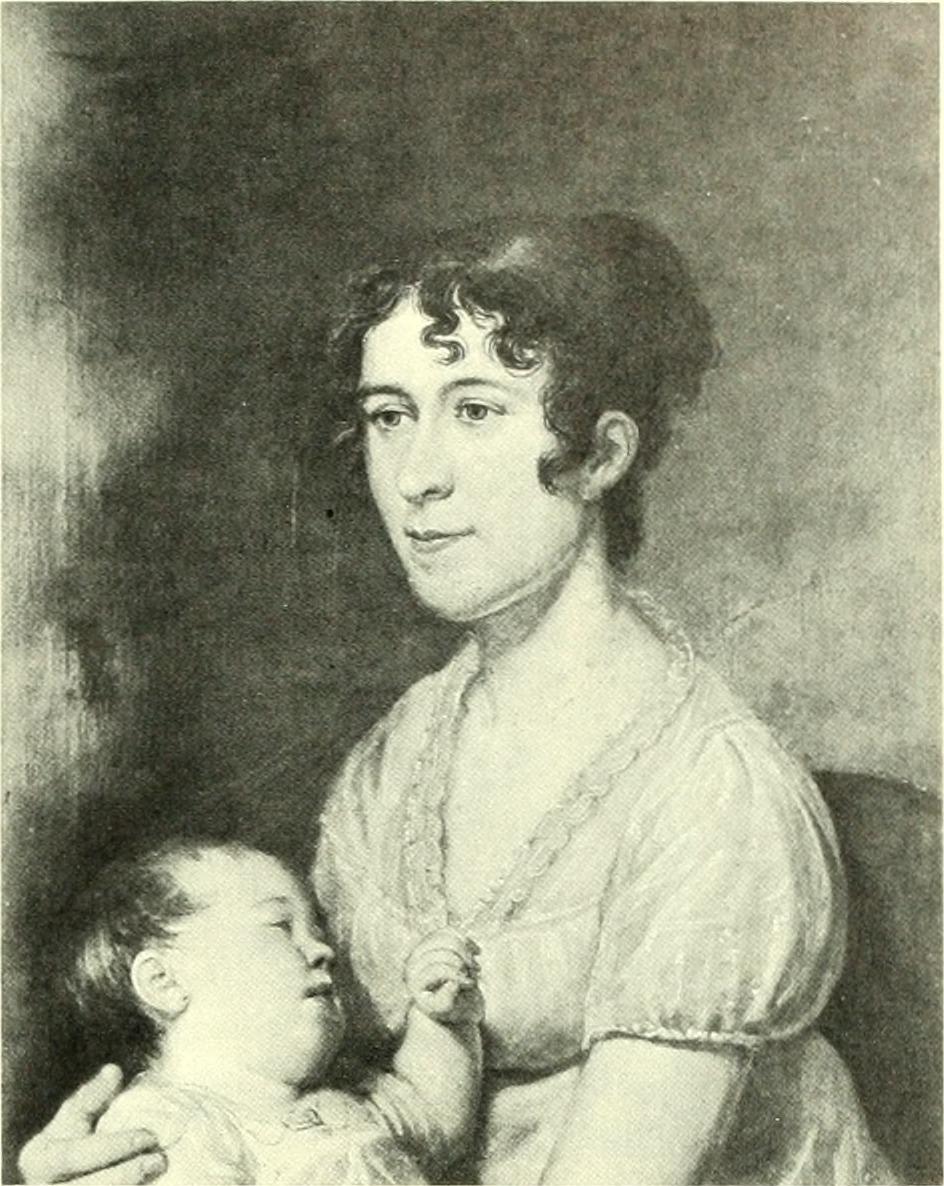
In her will, she left her daughter pictures and her son “my bookcase and the new church books and my scientific works therein.” Surely these pictures and scientific works were not preserved artifacts from her maidenhood 55 years earlier. During her 25-year widowhood, she spent many a happy hour in the fields of art and science.
Further proof is her children’s creativity. Two sons became engineers and inventors, another son joined the American Philosophical Society, and a daughter became a landscape painter. These children were inspired by their talented mother’s creativity and instruction, just as Sophonisba had been nurtured and taught by her father.
The freedom to pursue art, science, and creativity for men and women alike is a great hallmark of American liberty.