On autumn afternoons at the turn of the 20th century, when leather helmets were crude, fields turned to mud, and football was still a rough contest of collisions and endurance, Glenn Scobey “Pop” Warner saw something others missed. He believed the game could become a contest of strategy as much as strength—a sport shaped by movement, deception, preparation, and imagination.
Among the most influential coaches of his era, Warner altered the way football was designed and played. During a coaching career that stretched across more than four decades, he refined offensive systems, mentored generations of players, and helped reshape football from a chaotic pastime into a disciplined and sophisticated game.
Brains and Hard Work
Born April 5, 1871, in Springville, New York, Warner grew up in rural New York, where hard work and physical toughness shaped his generation. He attended Cornell University, where he played football and studied law. His teammates called him “Pop,” a nickname likely inspired by the fact that he was older than many of the players around him. The name stayed with him, eventually becoming one of the most recognizable in football history.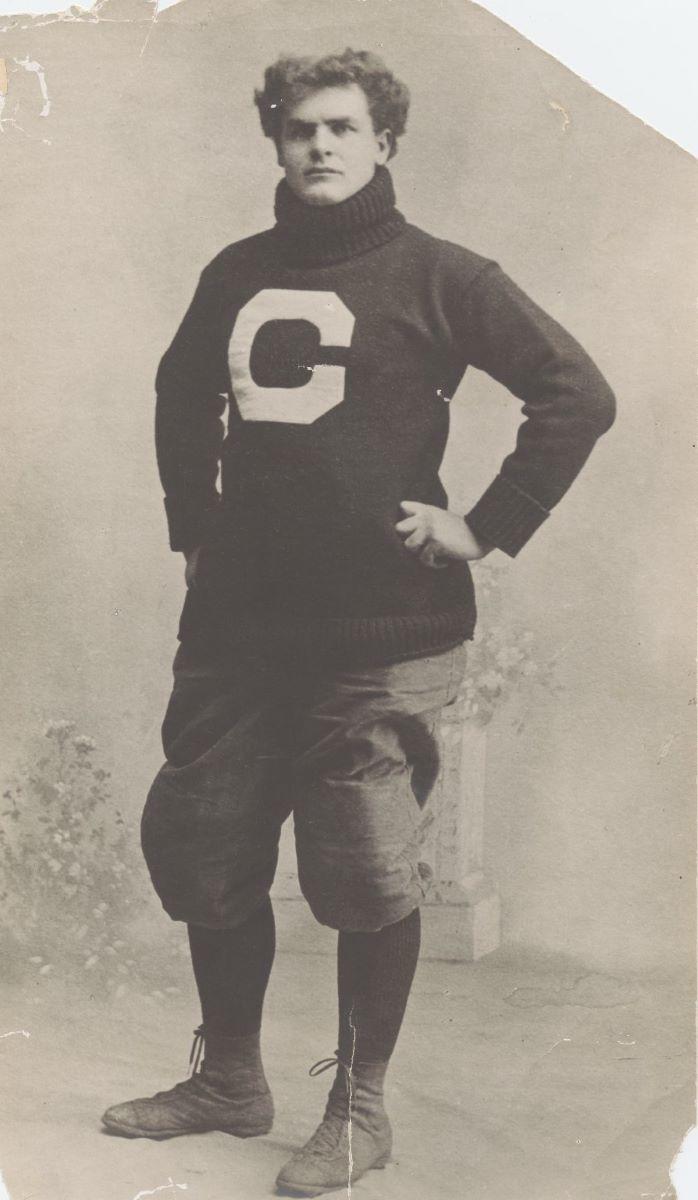
Warner’s playing career was brief, but it gave him a firsthand understanding of the sport’s physical demands. After graduating from Cornell, he entered coaching, beginning at the University of Georgia in 1895 before moving to Iowa State and Cornell. His reputation grew because he approached football analytically, studying movement and searching for ways to make smaller teams more competitive.
His greatest early success came at the Carlisle Indian Industrial School in Pennsylvania, where he coached from 1899 to 1903 and again from 1907 to 1914. At Carlisle, Warner coached exceptional athletes, including Jim Thorpe, while helping build one of the most inventive teams in college football. Against larger and better-funded universities, Carlisle relied on speed, slyness, and carefully designed formulations. Warner recognized that planning and creativity could challenge raw size and power.
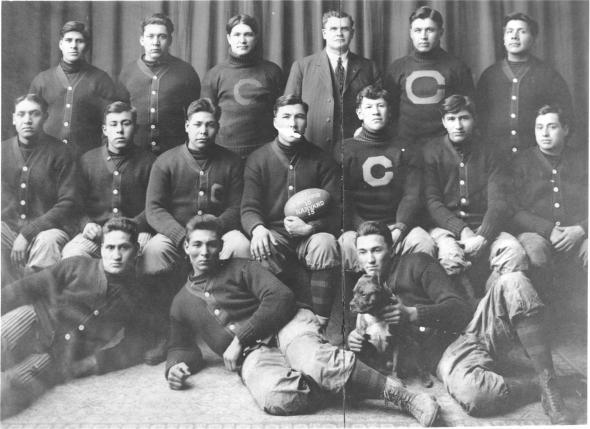
The Carlisle teams became known for their unconventional style, and Warner introduced many concepts that would influence future generations of coaches. He helped popularize the single-wing formation and advanced the use of misdirection, shifting, and deftly timed plays.
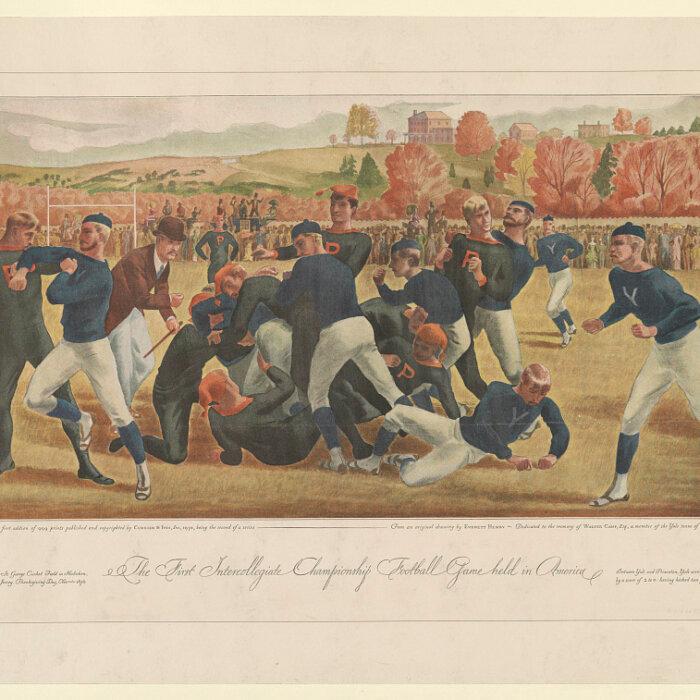
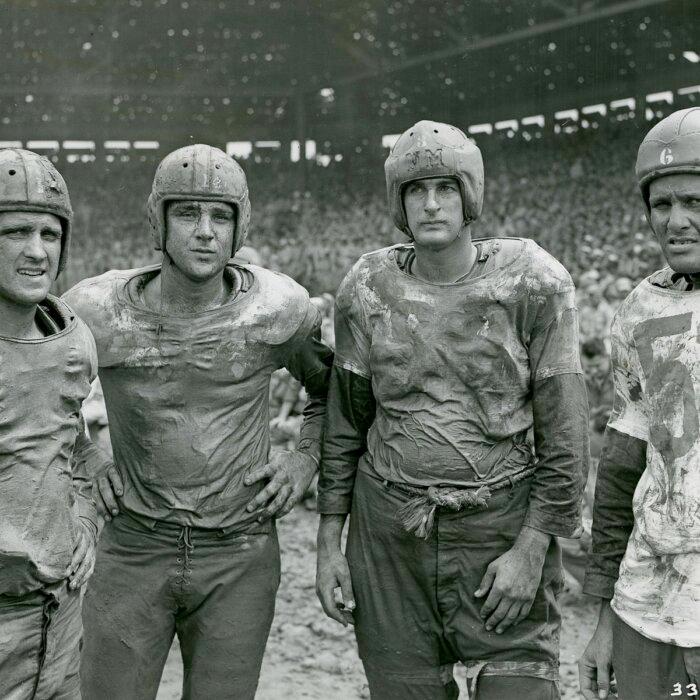
In 1915, Warner took over at the University of Pittsburgh, where he built another national powerhouse. His teams dominated the era, producing undefeated seasons and national championship claims while establishing Pittsburgh as one of the country’s premier football programs. His practices were demanding. Players repeated formations until movements became instinctive, learning that success depended on precision as much as athletic ability.
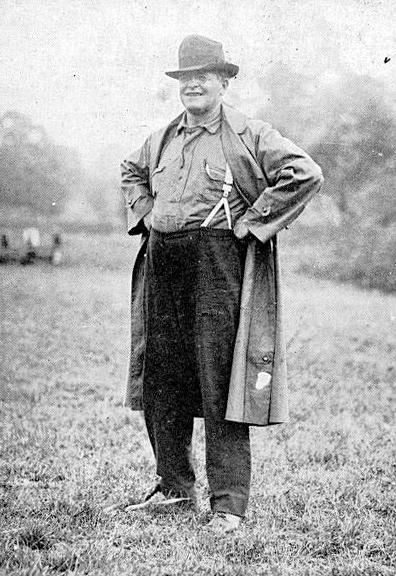
Warner later brought his methods to Stanford University, where elevated the program on the national stage. His Stanford teams became known for trick plays and inventive tactics, highlighted by a victory over the Pitt Panthers in the 1928 Rose Bowl. Across stops at several major programs, Warner accumulated 319 victories, a remarkable total that made him one of the winningest coaches in college football history at the time.
Yet statistics reveal only part of Warner’s impact. He was a teacher who believed football could develop responsibility, confidence, and character. He demanded organization from his players, but he also understood that coaching involved shaping young people beyond the boundaries of the field.
That philosophy eventually extended to youth athletics. The organization now known as Pop Warner Little Scholars traces its roots to a youth football program founded in Philadelphia in 1929. It later adopted Warner’s name and reflected principles associated with his coaching philosophy: participation, education, sportsmanship, and personal growth. Today, the organization remains one of the largest youth football programs in the United States.
Warner retired from coaching in 1938, but his connection to football endured. He was inducted into the College Football Hall of Fame in 1951, an acknowledgment of his extraordinary influence on the sport. He died in 1954, leaving behind a game dramatically different from the one he had encountered as a young player at Cornell.
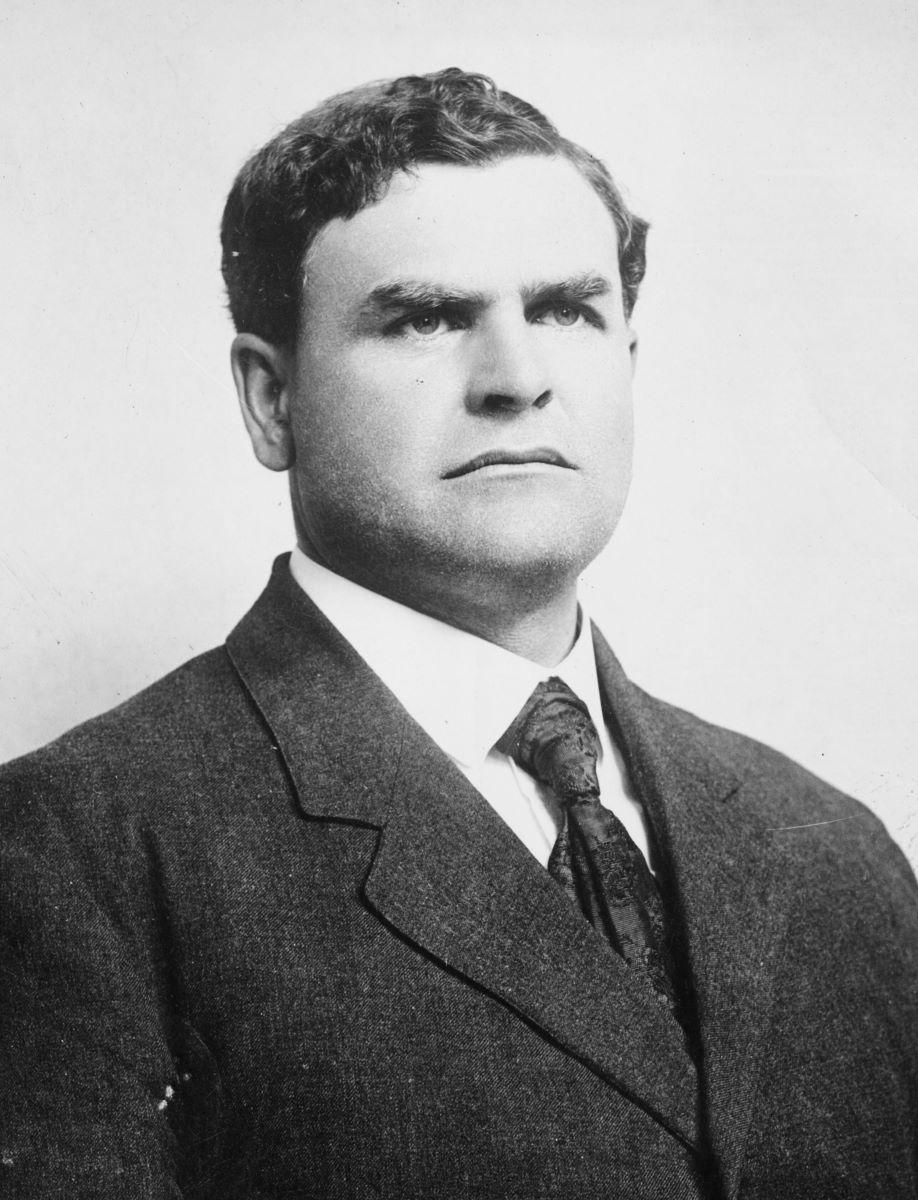
Modern football bears little resemblance to the rough contests Warner first coached. Stadiums are larger, equipment is safer, and offenses move at a speed he could hardly have imagined. Yet his ideas still appear in the way coaches create space, disguise formations, and prepare players.
Pop Warner did not merely coach football. He taught the sport how to think.