This copy is for your personal, non-commercial use only. Distribution and use of this material are governed by our Subscriber Agreement and by copyright law. For non-personal use or to order multiple copies, please contact The Epoch Times Reprints.
At a mountain wildlife refuge, travelling photographers aim their long lenses amid the muggy, cloud-strewn forests of Ecuador in search of a bright-orange bird performing a spectacular ritual.
It’s early morning, and Claudia Brasileiro, 48, has arrived from Brasilia, Brazil, where she works at a bank by day, to the Refugio Paz de Las Aves in the Andes to photograph the male Andean cock-of-the-rock during mating season.
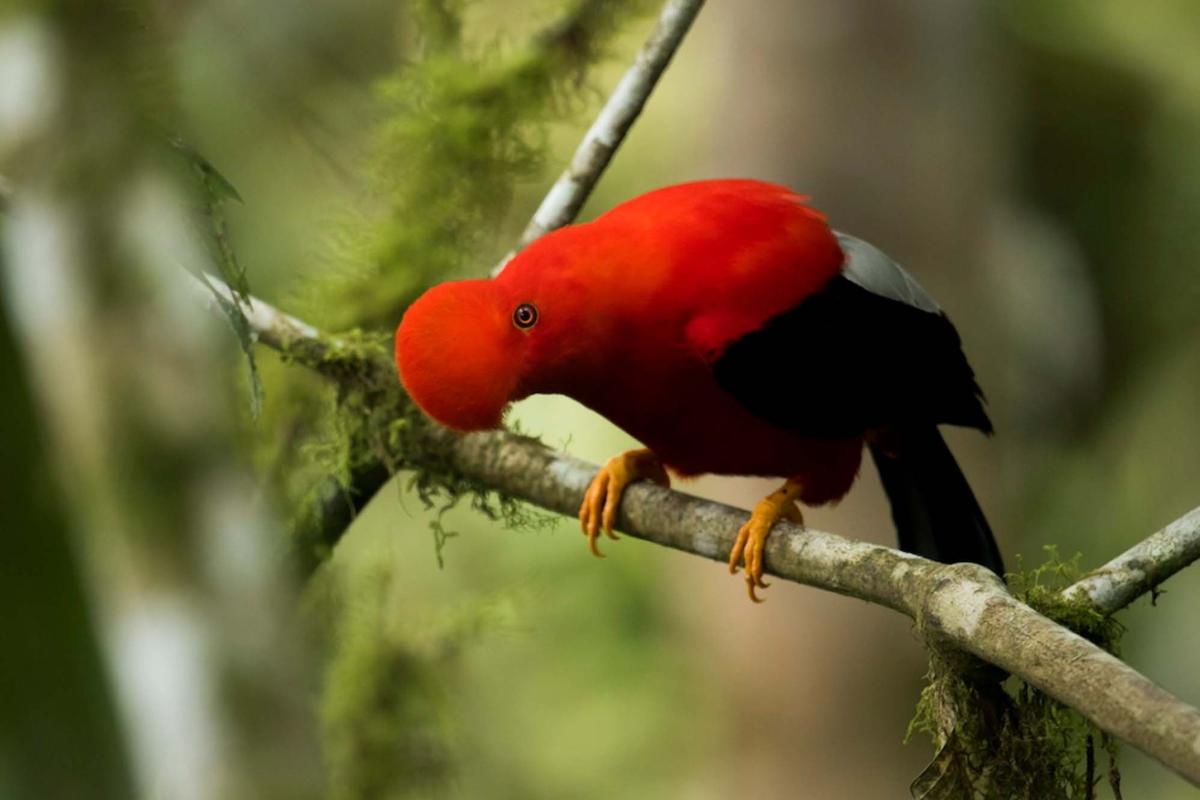
Brasileiro and her tour guide, Xavier Muñoz, chose a particular spot in the reserve, located in the foothills three hours northeast of Santo Domingo, where male specimens perform their lekking rituals. After mating, it devotes itself to an elaborate display of behaviours: confrontational flapping of wings, bowing with other males, and a cacophony of calls.
But this morning is all too silent.
“One individual appeared far, bad light, and super quick,” Brasileiro told The Epoch Times. “I was so frustrated, because I really needed good pictures, good timing [to look] at the behaviour of this amazing bird, and it didn’t go well.”
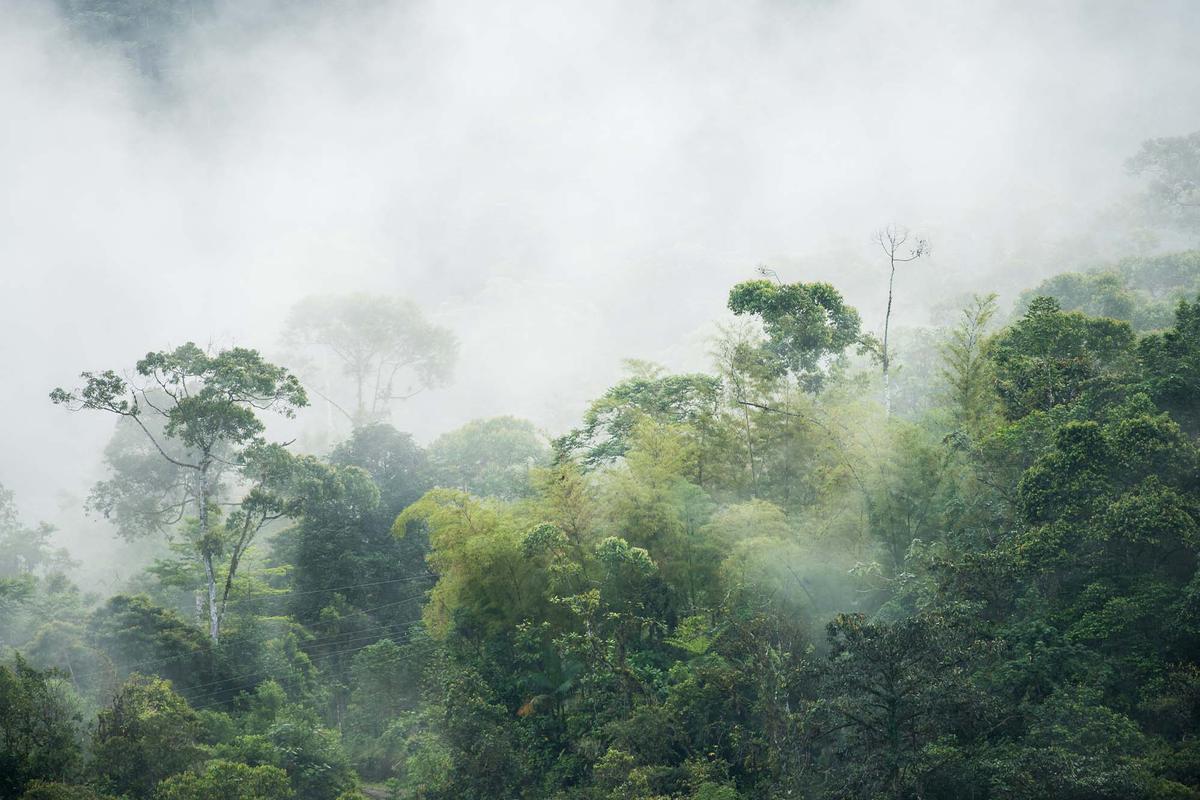
A cloud forest near the Refugio Paz de Las Aves in Ecuador. Shutterstock/Gert Olsson
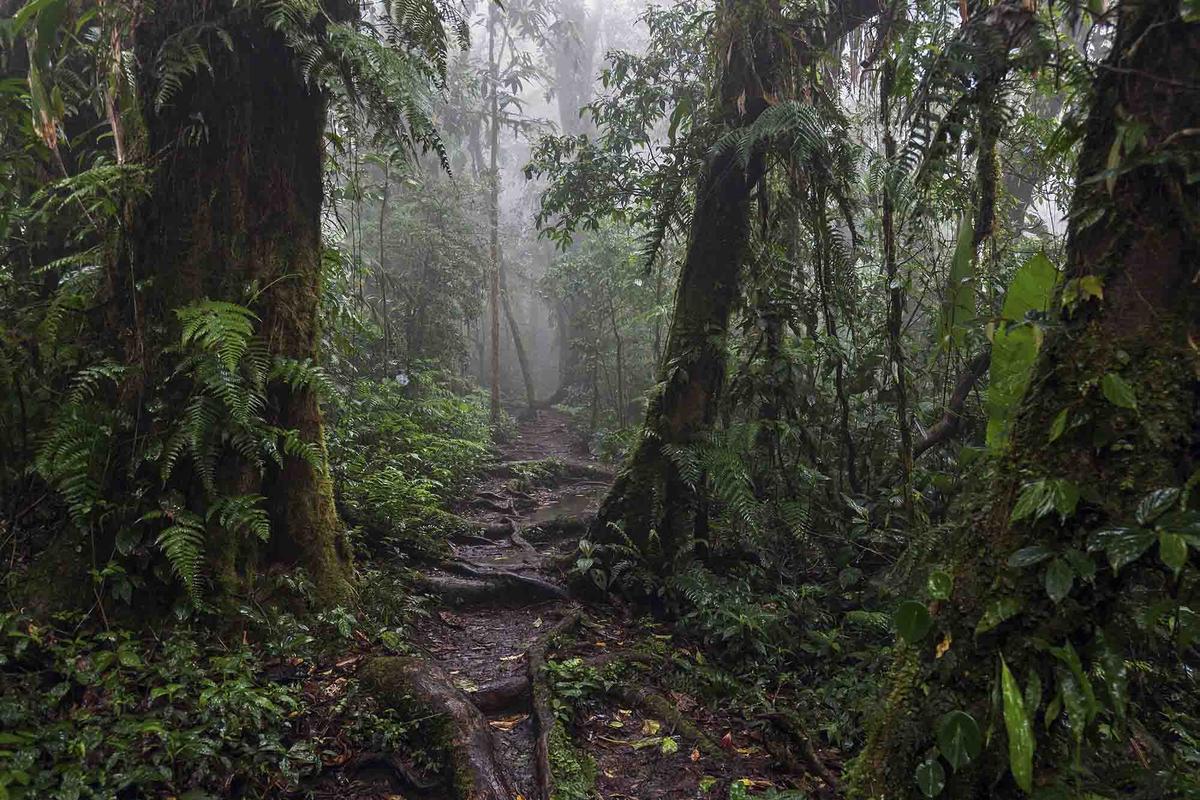
Shutterstock/imageBROKER.com
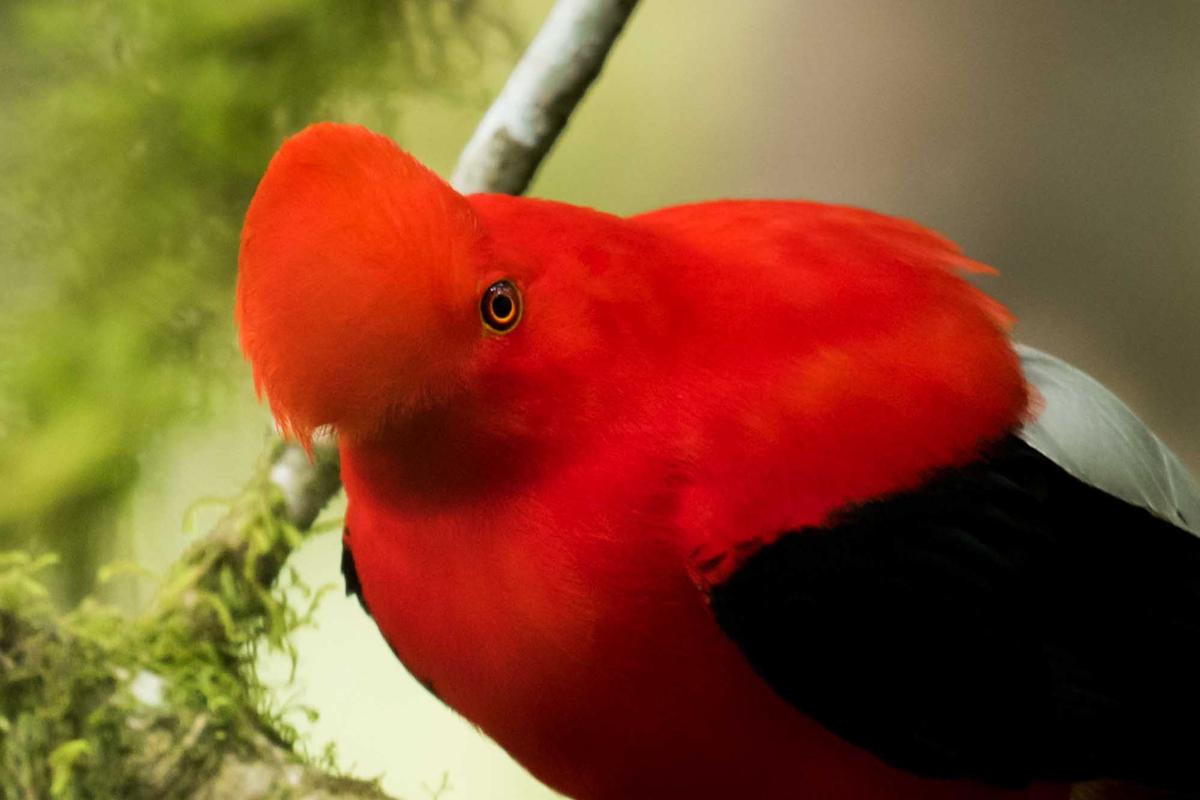
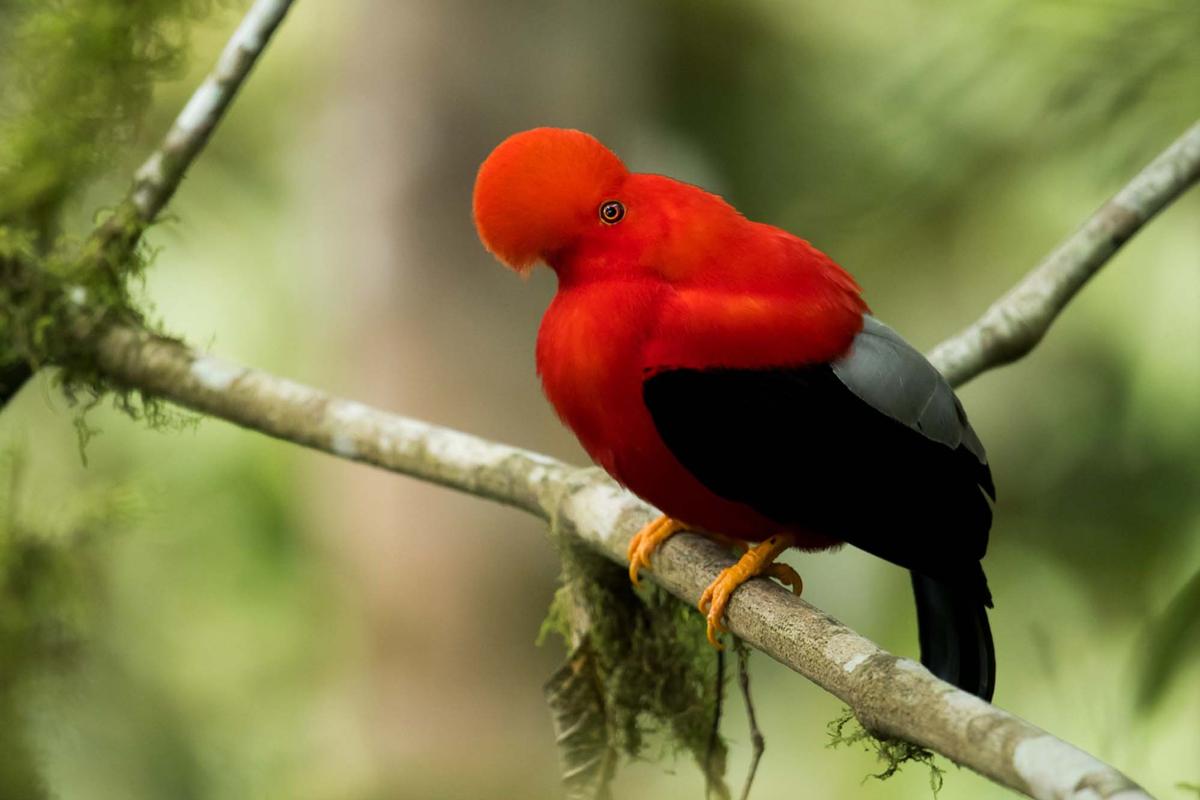
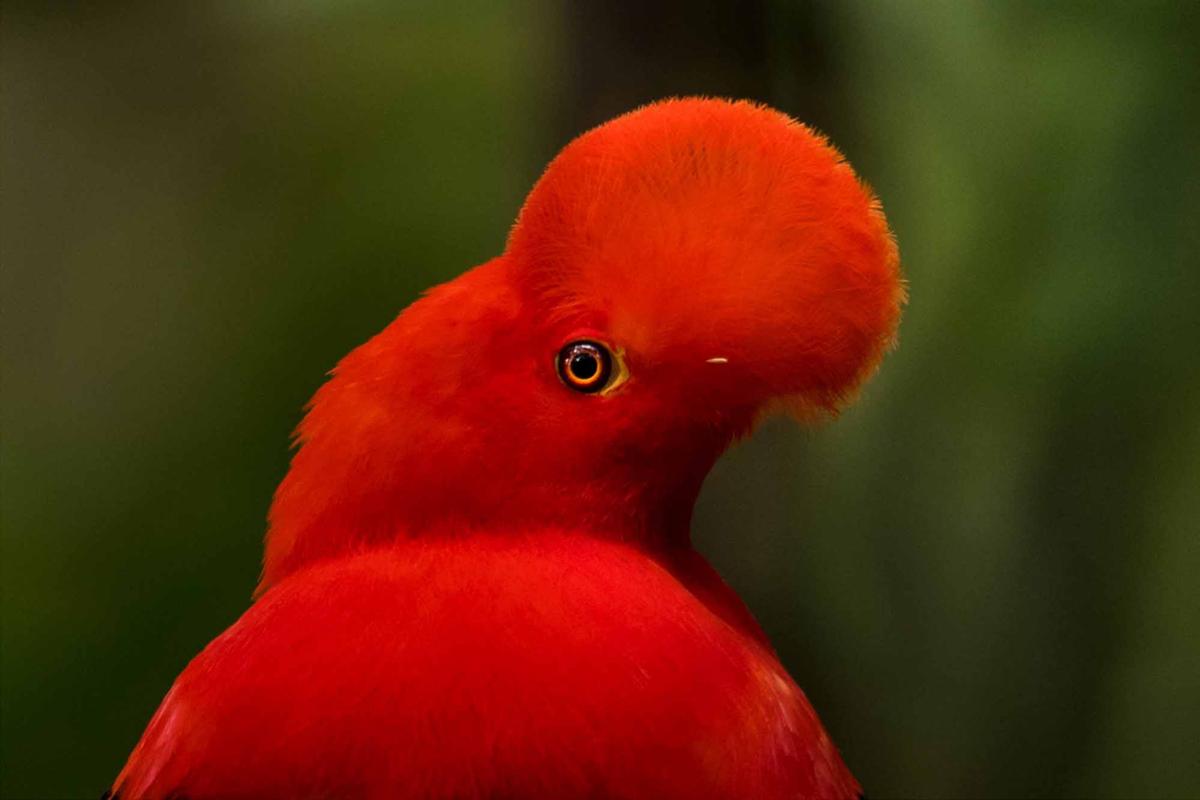
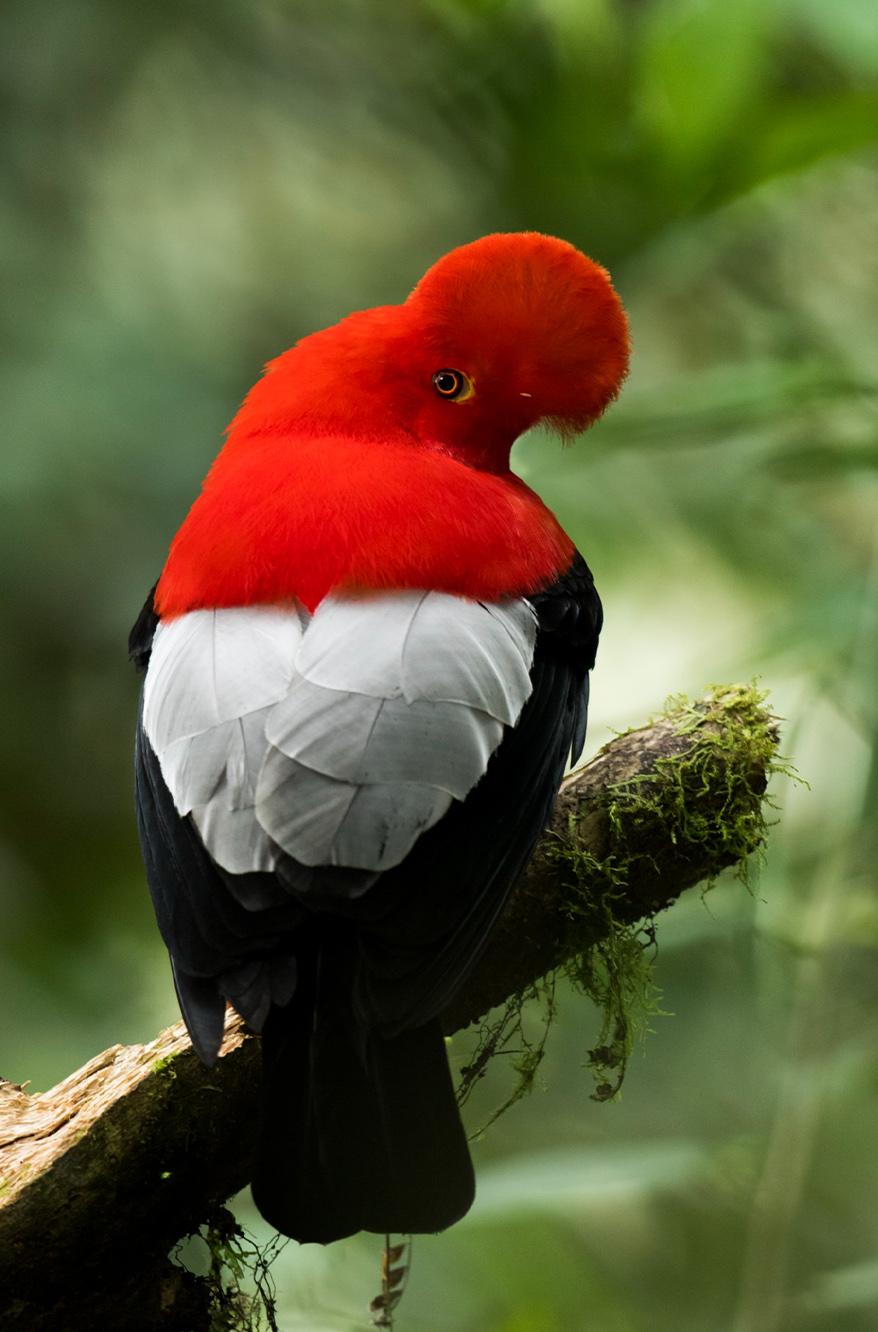
The pair knew what to look for; the Andean cock-of-the-rock is almost impossible to miss. While most of its body is outfitted in deep-orange or scarlet feathers—a striking contrast to the green jungle—its most prominent feature is the large disc-like crest on its forehead. The tail feathers of this large perch bird are black and scapulars a pale greyish.
Here in the cloud forest of Ecuador, it’s almost always cloudy. Many deep forest bird species can be seen easily in the ever-moist Refugio Paz de Las Aves because of its accessible location. The Andean cock-of-the-rock thrives in tropical jungles all along the Andes mountain range near the equator, and isn’t threatened by destruction of habitat.
The Andean cock-of-the-rock displays a prominent disc-like crest over its forehead. Courtesy of Claudia Brasileiro
A perched Andean cock-of-the-rock in the Refugio Paz de Las Aves in the Andes of Ecuador. Courtesy of Claudia Brasileiro
This location is suitable for mating couples to nest. During mating season, males show off their brilliant plumage while competing for females, bobbing, hopping, and making a variety of calls. After mating, females usually build a nest by plastering it under a rocky overhang with mud, and then incubate the eggs alone. Females display much duller, brownish feathers and a far less prominent crest.
Although this striking bird feeds mostly on fruits and insects, it’s also been known to feast on frogs, small reptiles, and even mice. But rather than hunt to feed nesting females after mating, males flock off to their lekking rituals to attract new mates, as Andean cocks-of-the-rock are polyamorous. That season was just about when Brasileiro and company arrived. Perfect timing. But no bird.
Not yet.
Although the day started slow, the birders persevered in seeking the Andean cock-of-the-rock. Lekking season meant many males would be out in full force and might likely put on a show. Brasileiro was visibly dejected they hadn’t this morning.
Detail of the Andean cock-of-the-rock's facial feathers. Courtesy of Claudia Brasileiro
A bowing Andean cock-of-the-rock during lekking season, when males perform elaborate rituals for mating and competition with other males.Courtesy of Claudia Brasileiro
“Xavier saw me crying,” Brasileiro said. He said the birds sometimes return around sundown, and so they decided to come back in the evening. When they did, their fortunes changed.
“We stood for over one hour, and nothing. We talked about giving up, but we didn’t,” Brasileiro said.
“Then I heard one individual vocalizing and perching a little far from the hide,” she added. “But I was so blessed that over three individuals started to vocalize and dance and perch closer. Xavi and I went crazy, and I cried again... cried to appreciate the blessing that the birds are.”
A perched Andean cock-of-the-rock displays its black tail and grey scapular feathers. Courtesy of Claudia Brasileiro
Brasileiro called it an “amazing experience” to hear the high-pitched vocals and watch them perform their displays. They weren’t shy at all, she said, but constantly changed perches and came very close to the photographers.
However, that wasn’t the only bird that showed up.
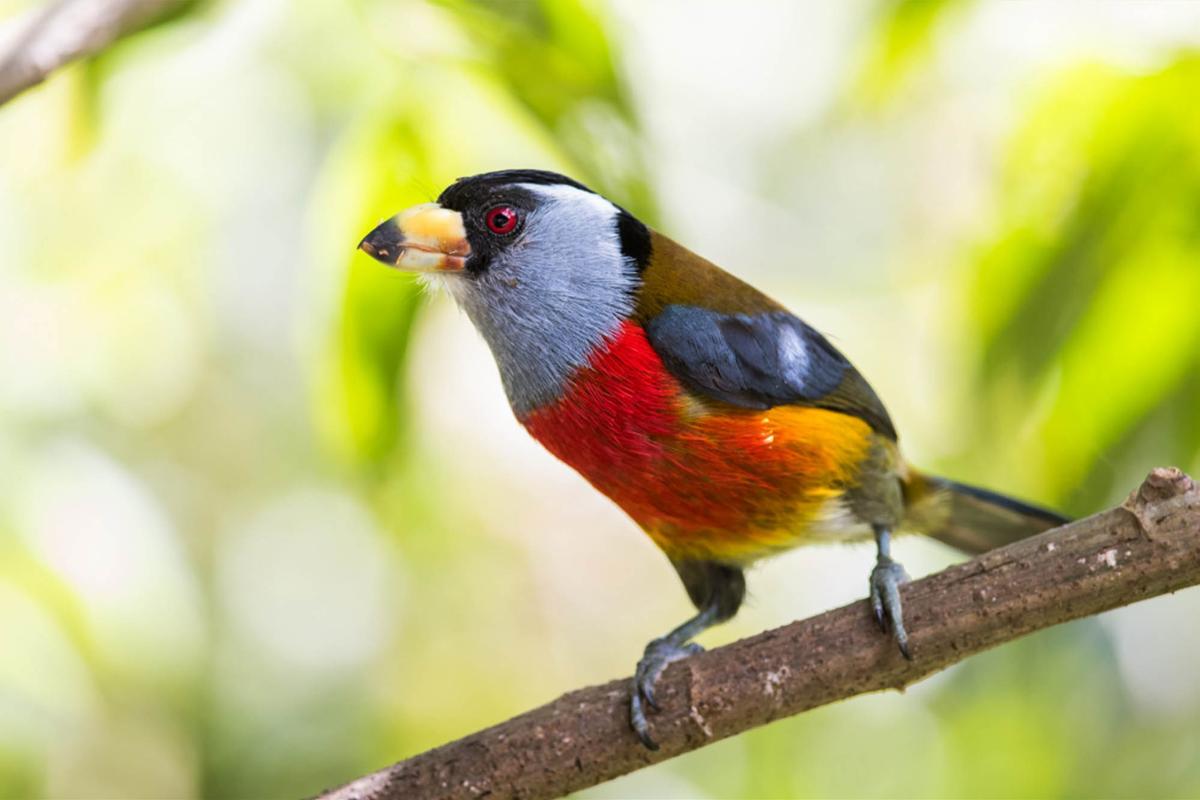
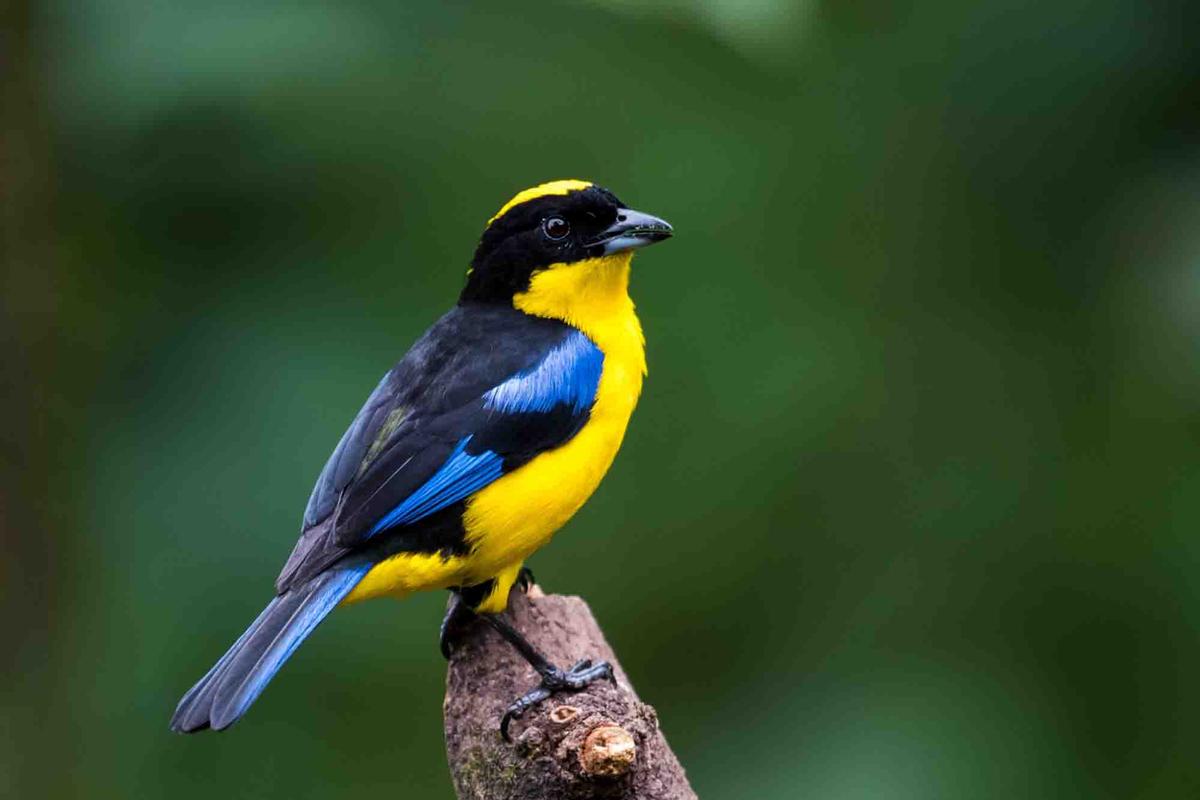
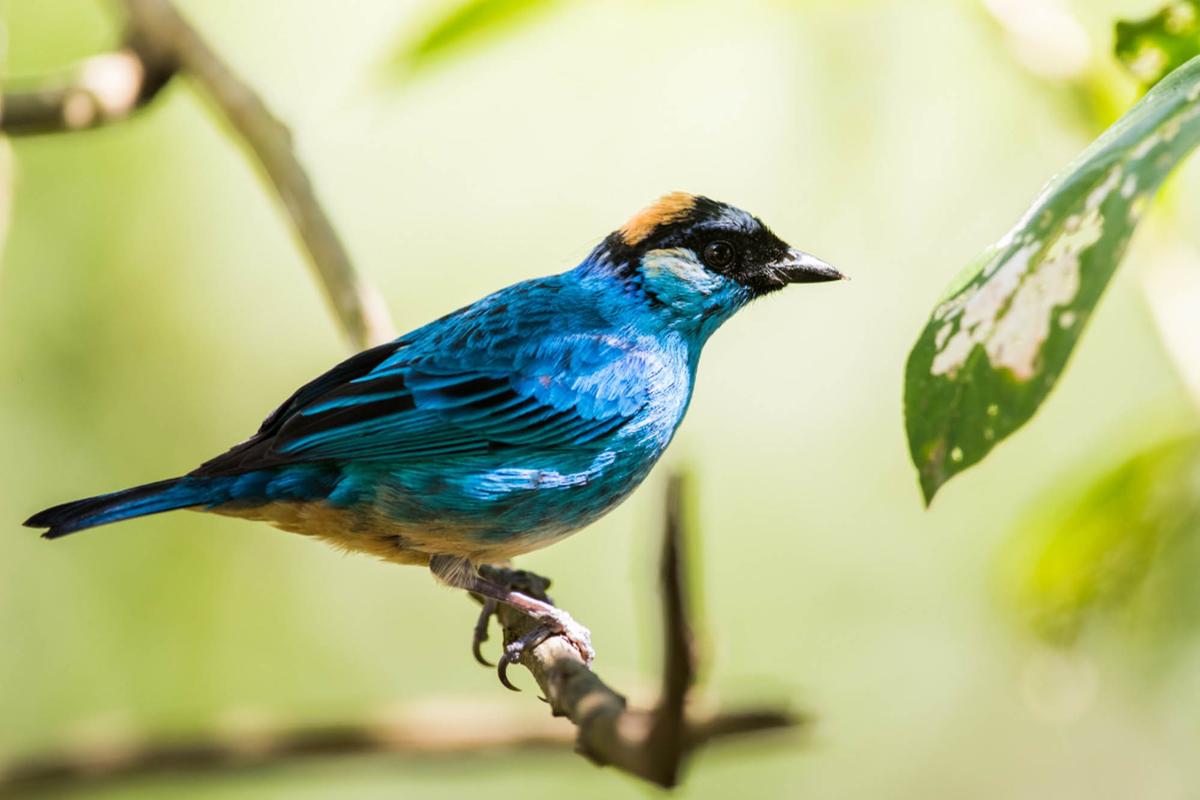
At many of the global locations where Brasileiro visits—from India to Machu Picchu—she asks guides about tangaras, toucans, macaws, hummingbirds, and more, to feed her insatiable passion for birding and bird photography. This visit was no different. She photographed the exotic red-chested toucan, blue-winged mountain tanager, and golden-naped tanager. And there were many more.
A red-chested toucan. Courtesy of Claudia Brasileiro
A blue-winged mountain tanager. Courtesy of Claudia Brasileiro
A golden-naped tanager. Courtesy of Claudia Brasileiro
“I already have 222 hummingbird species,” she said, out of a total of 363 species. “I have a goal to achieve two-thirds of all the species by 2026—before I turn 50,“ but with 20 still to go, she admits ”it’s getting harder to get more than 10 species in one trip.”
Brasileiro, who has photographed thousands of bird species and authored several books featuring her bird photos, calls herself a “crazy” birder who has gone to extreme lengths to obtain her “lifers,” or birds she sees for the first time.
She recalls one trip: “Six hours train, 12 hours in a car, then two hours on a mule” to photograph the Himalayan monal.
“I’ve done crazy things like buy a ticket to Quito because a ... super special hummingbird appeared,” she said, adding that she was down to her last few coins but successfully snapped the photo in the end.
“It was an amazing trip, I stayed three days at the hummingbird location, had a few opportunities with him,” she said. “On the last day, he was more cooperative, then disappeared again.”
More Bird Photos By Claudia Brasileiro
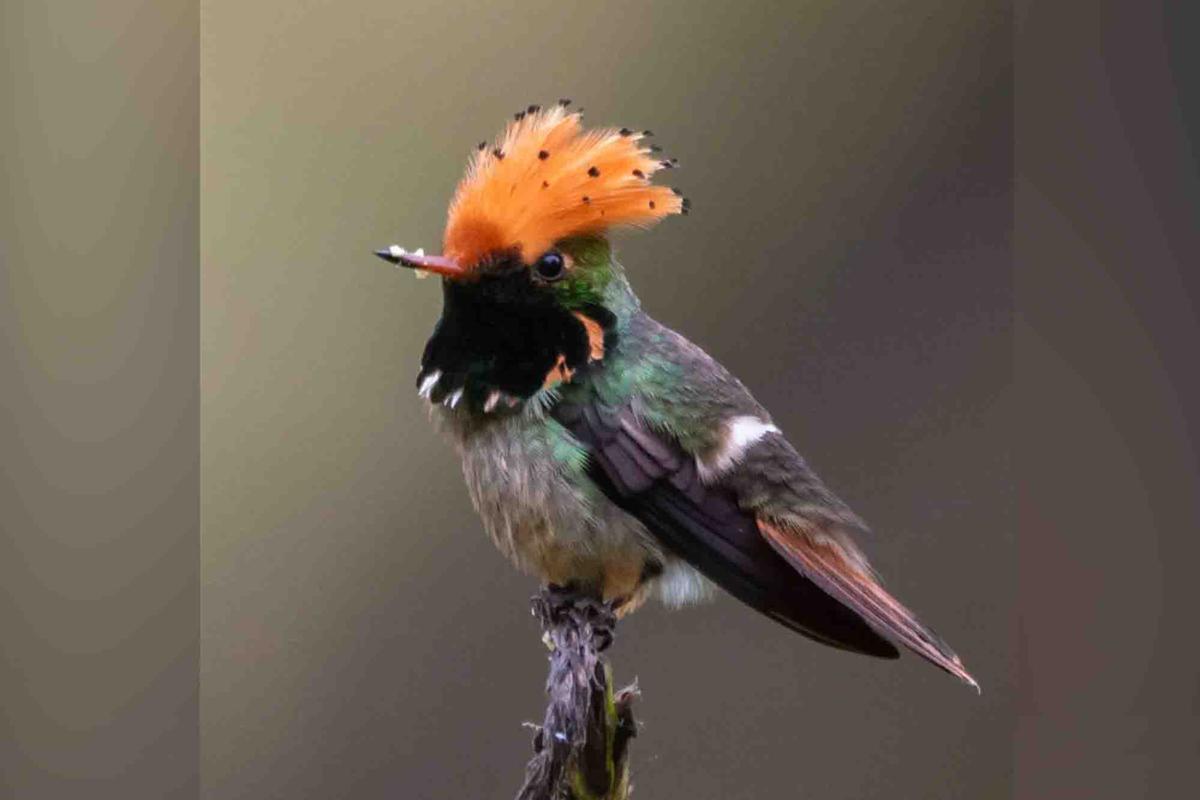
A spangled coquette hummingbird. Courtesy of Claudia Brasileiro
A versicolored barbet. Courtesy of Claudia Brasileiro
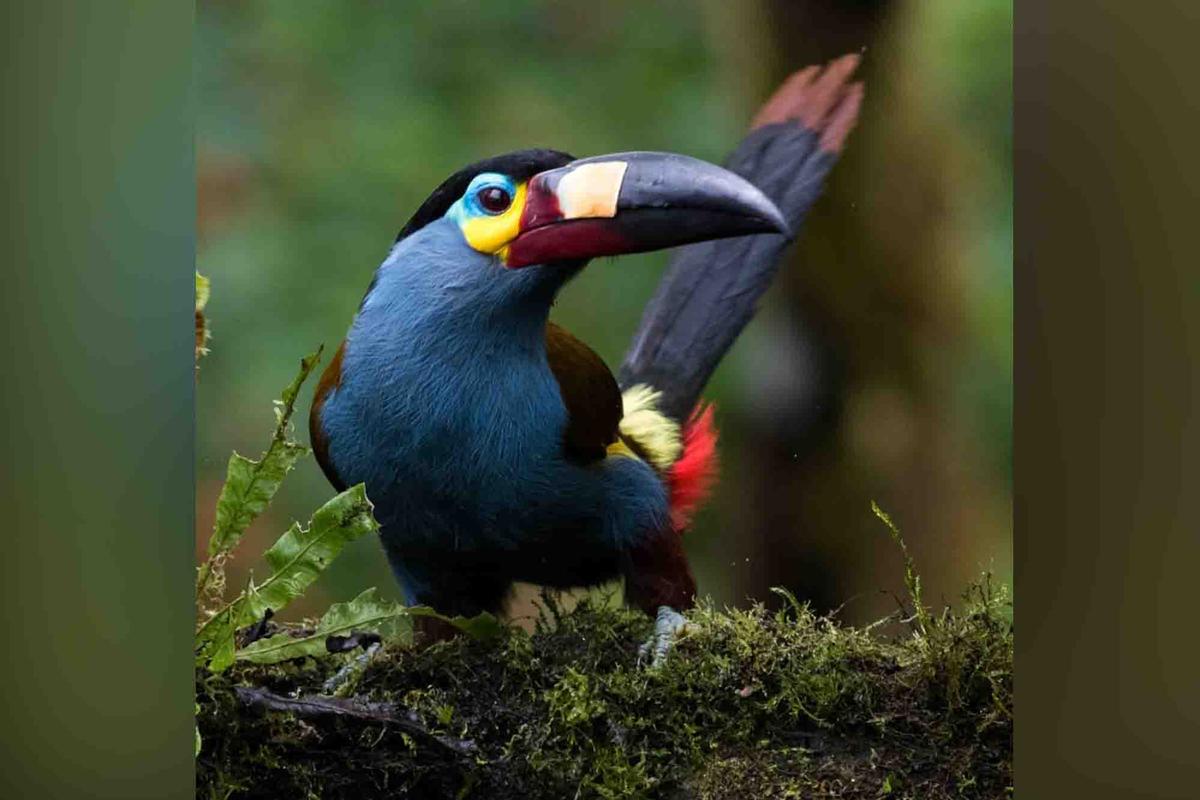
A plate-billed mountain toucan. Courtesy of Claudia Brasileiro
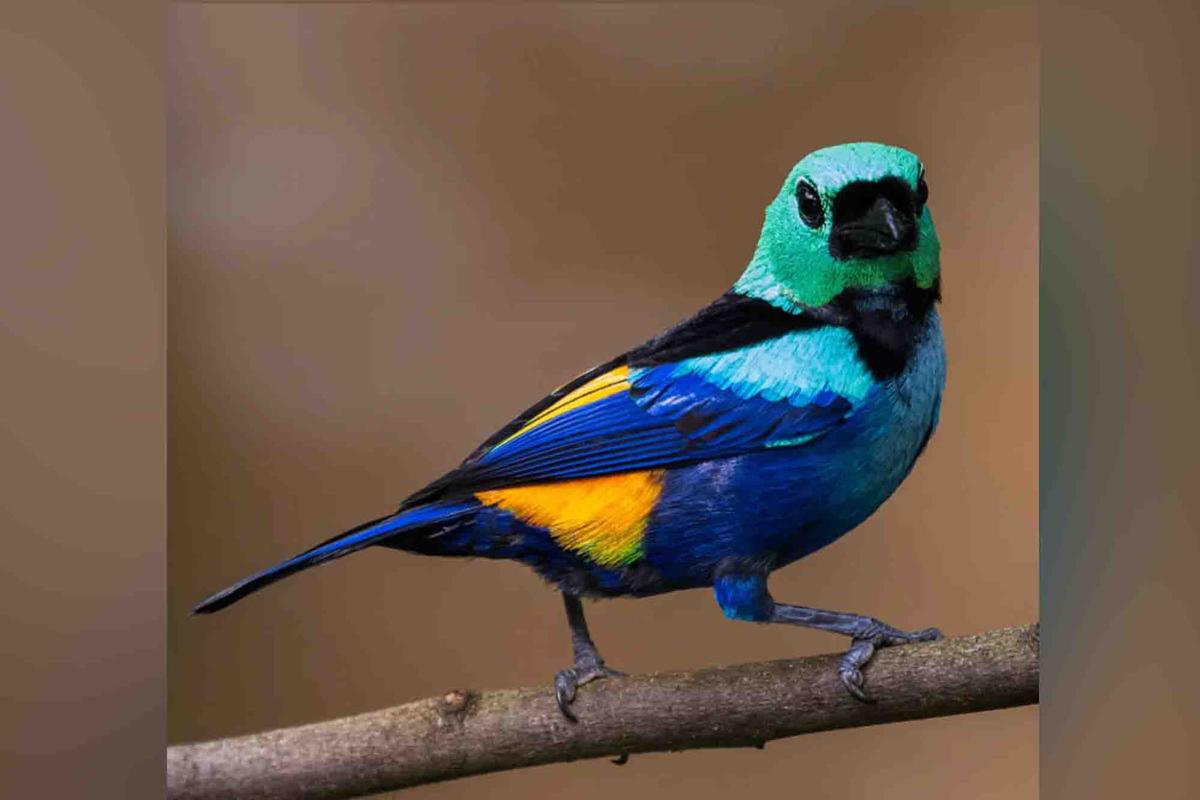
A seven-colored tanager. Courtesy of Claudia Brasileiro
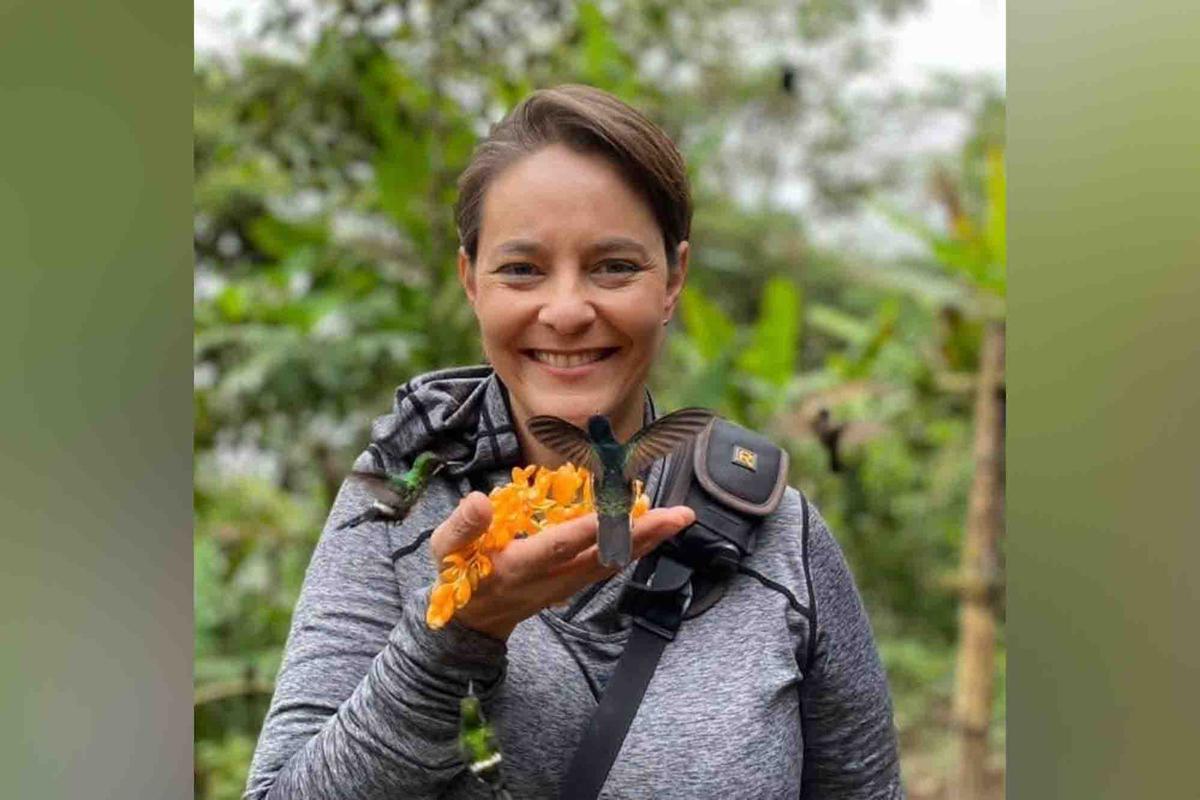
A recent photo of the photographer with a hummingbird. Courtesy of Claudia Brasileiro
Michael Wing is a writer and editor based in Calgary, Canada, where he was born and educated in the arts. He writes mainly on culture, human interest, and trending news.