America is known for its country music history. But Canada has been the home of an array of country singers and songwriters over the years as well. One of the most influential country singers to spring forth from the United States’s northern neighbor is Hank Snow, a Queens County, Nova Scotia native from the cozy fishing town of Brooklyn.
His breakout hit “I’m Moving On,” solidified him as a steward of the traditional country genre. His catalog is full of songs about traveling—he was nicknamed “The Singing Ranger” due to his ornate cowboy clothing and his reputation as a troubadour. His repertoire features a clean, rhythmic style, with vocals and acoustic guitar driving lyrical stories.
Snow moved to the United States in 1949, and, in the following year, he performed live on Nashville, Tennessee’s treasured Grand Ole Opry stage for the first time. Less than a decade later, in 1958, he became an American citizen.
Despite his affinity for Nashville and country music culture across the United States, he never stopped loving his first home. And a late 1960s recording by Snow gives us a poetic tribute to the natural beauty and quaint culture of his Canadian upbringing.
Traveling Song Treasures
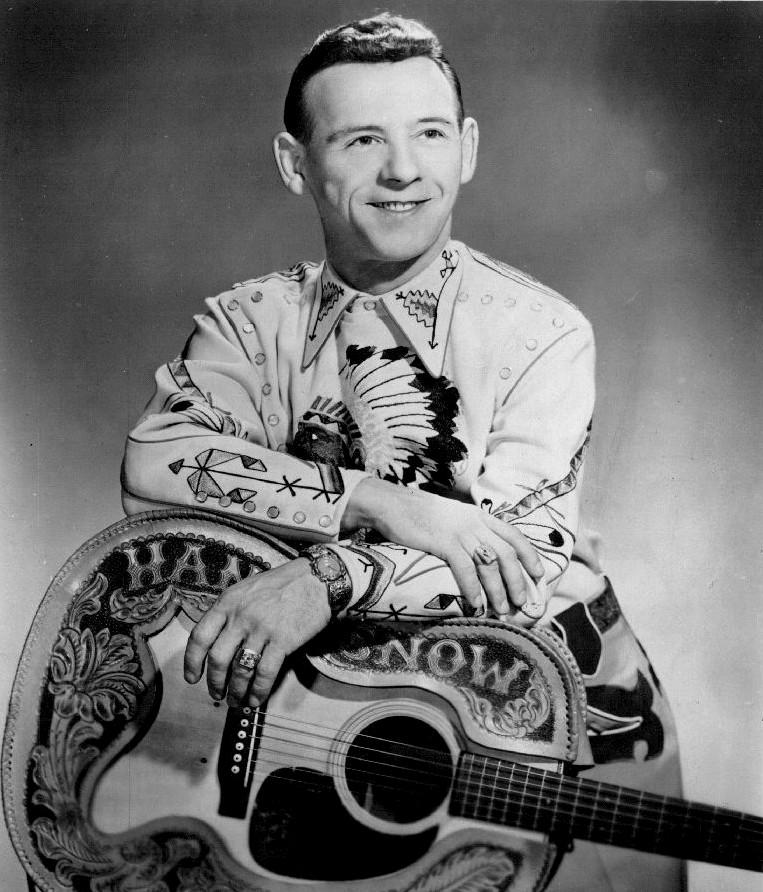
Born Clarence Eugene Snow (1914–1999) and later adopting the nickname “Hank,” the eventual Country Music Hall-of-Famer spent a portion of his childhood escaping his unstable home life. He’d sometimes find a temporary haven at the nearby Liverpool railway station. At the age of 12, he boarded a ship as a cabin boy, where he’d listen to the music of his idol, the father of country music, Jimmie Rodgers. Rodgers, nicknamed “The Singing Brakeman” due to his work on the railroads, became “The Singing Ranger’s” biggest influence.

While Snow borrowed some artistic elements from Rodgers’s work, like a focus on a steady, foot-tapping beat, the Canadian native came fully into his own with his nostalgic song, “My Nova Scotia Home.”
Country singers love to pen songs about places. Just as the setting plays a crucial role in novels, it’s essential to countless country hits, too—from contemporary songs like Tracy Lawrence’s “Paint Me a Birmingham” to John Denver’s classic, “Take Me Home, Country Roads.”
Snow was a gifted songwriter, but he found his first traveling song treasure in 1962 by way of “I’ve Been Everywhere,” written by Australian singer Geoff Mack. When Snow expressed interest in recording the tune, he asked if Australian locations listed in the song could be revised to reflect North American ones. Mack honored his request and Snow made “I’ve Been Everywhere” a top country hit. Fellow country star Johnny Cash made it timeless when he later released his own version of the lyrically ambitious tongue-twister.
A Grand Tour
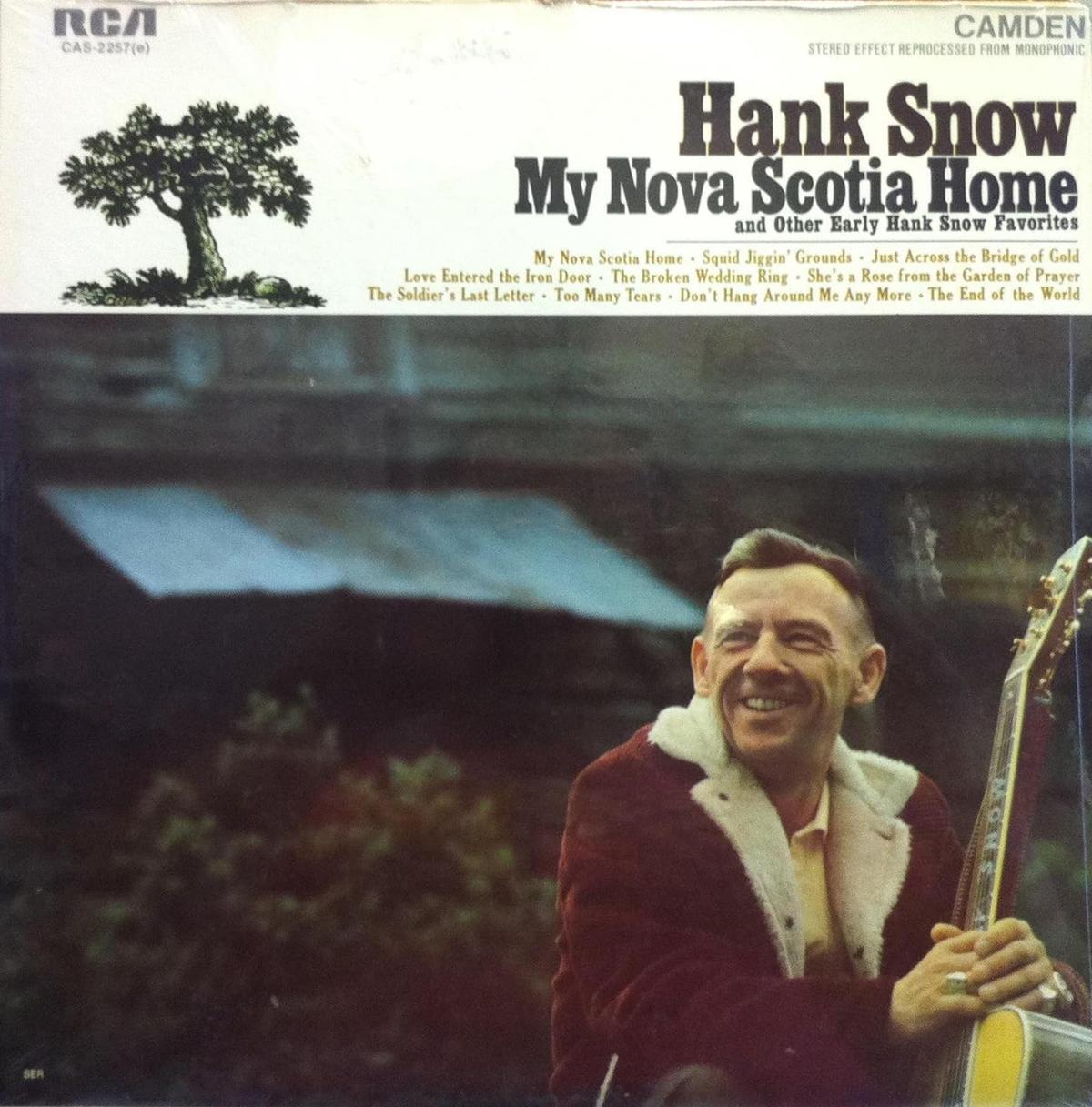
There’s a place I‘ll always cherish, ’neath the blue Atlantic sky Where the shores down in Cape Breton bid the golden sun to rise And the fragrance of the apple blossoms sprays the dew-kissed lawns Back in dear old Nova Scotia, a place where I was born
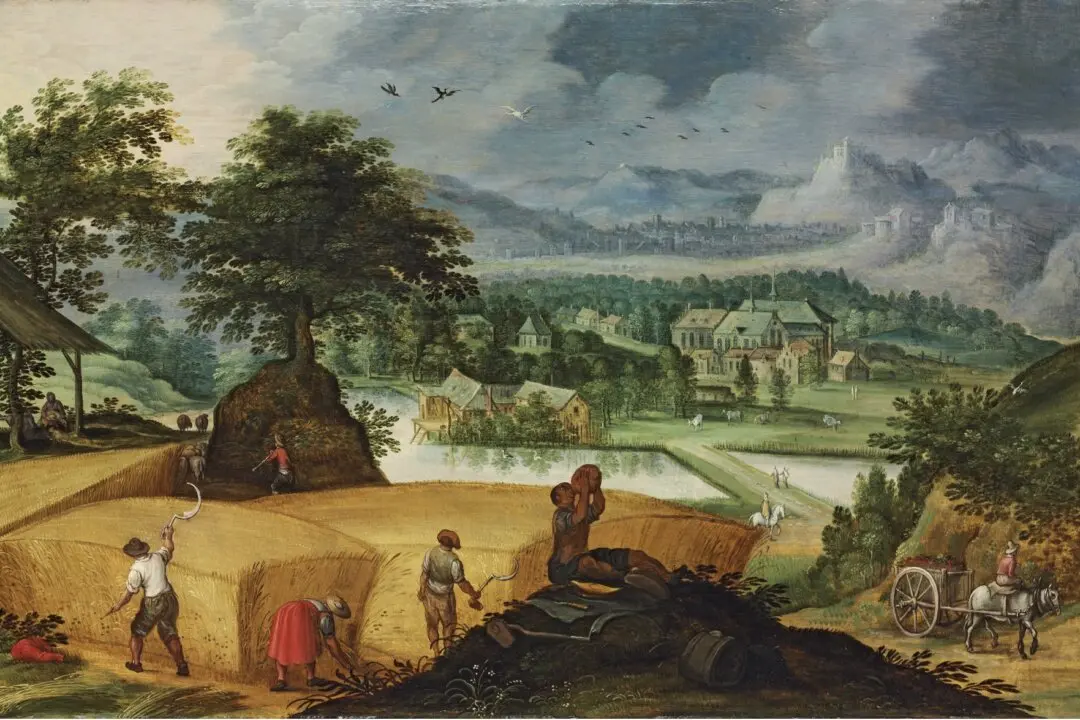
From there, we visit the shores of Vancouver to “kiss the blue Pacific tide.” And we traverse “the snow-capped Rockies” and take in views of the “the wheat fields’ golden blaze.” We catch sight of “mighty” trains—"The Scotian and the Ocean Limited, and the Maritime Express”—then end back up in his beloved Nova Scotia, “where contented cattle graze.”The record doesn’t just feature timeless country music stylings; Snow also seamlessly incorporates traditional stylings of his home province, like sea shanties and Celtic music.
The essence of the album is found in the last line of the second verse of the title track, giving a sacred air to his seafaring homeland.
An Eclectic Voice Makes an Impact

Snow was a man who belonged to three countries: Canada, America, and the sprawling territory of country music. The showman was one of country music’s eclectic voices, but his acoustic compositions remain classics among the genre.
“I don’t think there is any question that in Hank Snow this province has produced a native son who has made a greater impact in the International country music genre than any other Canadian in history.”