Dinner and a movie is a classic pairing for an evening’s activities. It becomes even more enjoyable when the meal matches the theme of the film, just as one would pair fine wines with gourmet dishes.
If the meal is centered around a classic film and vintage-inspired dishes and beverages accordingly, a simple movie night can turn into a delightful soiree for friends or family.
On hosting retro movie dinners, there’s a wealth of inspiration in the book, “Movie Night Menus: Dinner and Drink Recipes Inspired by Films We Love,” by siblings Tenaya and Andrè Darlington. This beautiful book is as much a cookbook, featuring detailed recipes for dishes and cocktails, as a succinct yet informative tribute to the films featured therein through facts and photographs.
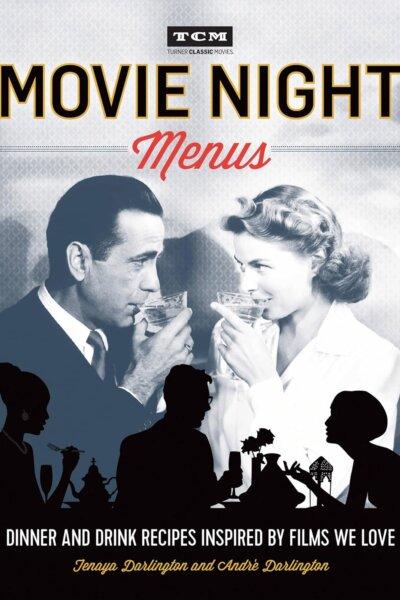
“Movie Night Menus” was published by Turner Classic Movies through their partnership with Running Press. It features 30 classic films. These movies, which include popular titles from six decades, include very different genres and cinematic styles.
Sections in Three Takes
“Movie Night Menus” is divided into three sections: Take One, Take Two, and Take Three. Take One introduces readers to the book’s authors and their original concept. From there, it goes into some basic instructions on “How to Throw a Movie Party,” outlining how each film entry will offer curated entertaining ideas.General guidelines show how to prepare vintage-inspired cocktails in the section “Shake and Stir Like a Star,” including advice on ingredients, equipment, and techniques. Take One is only four pages long, serving as the prologue to the main feature, Take Two: Movie Menus.
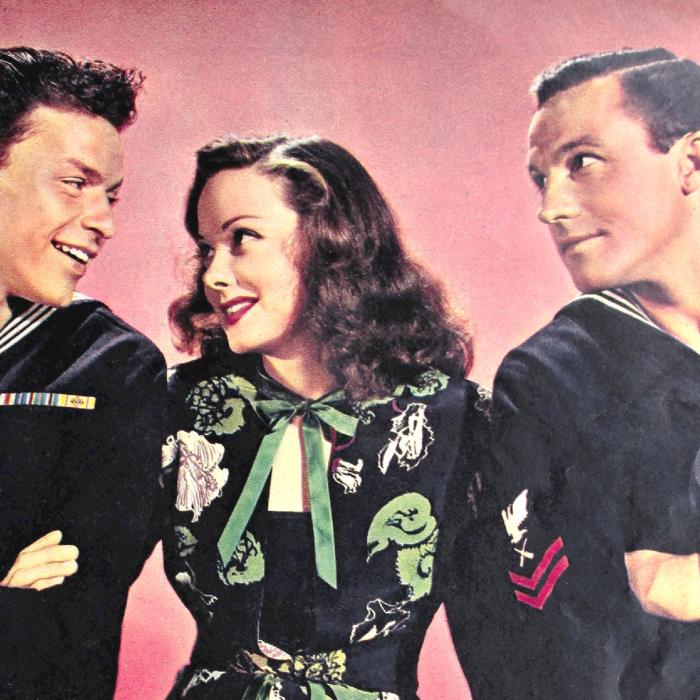
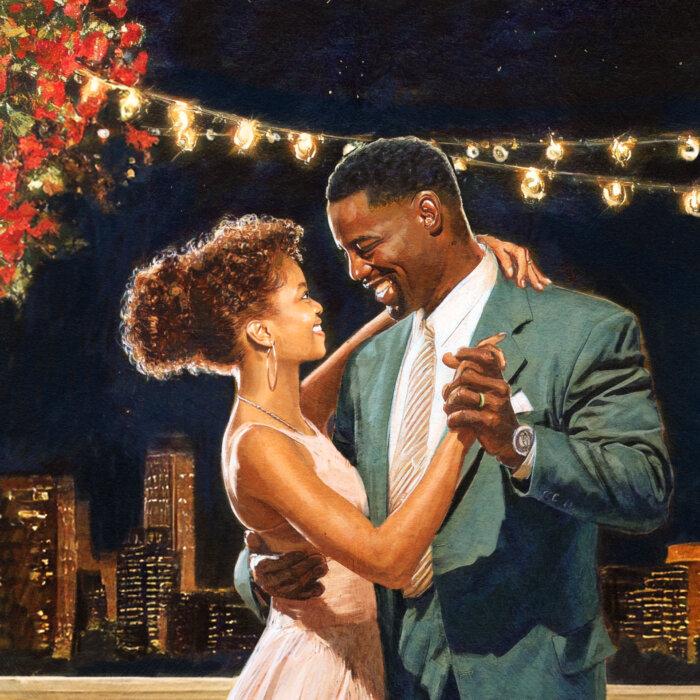
Each entry in Take Two features an entertaining blend of movie trivia, historical context, hosting tips, mixological guidance, and culinary instructions. While the order of sections alternates between movies to mix things up, every entry features the same categories.
Each entry starts with a brief outline of the film, including a cast list and an impressively succinct plot. There also is a menu featuring one cocktail and at least one dish, carefully themed to the film, of course.
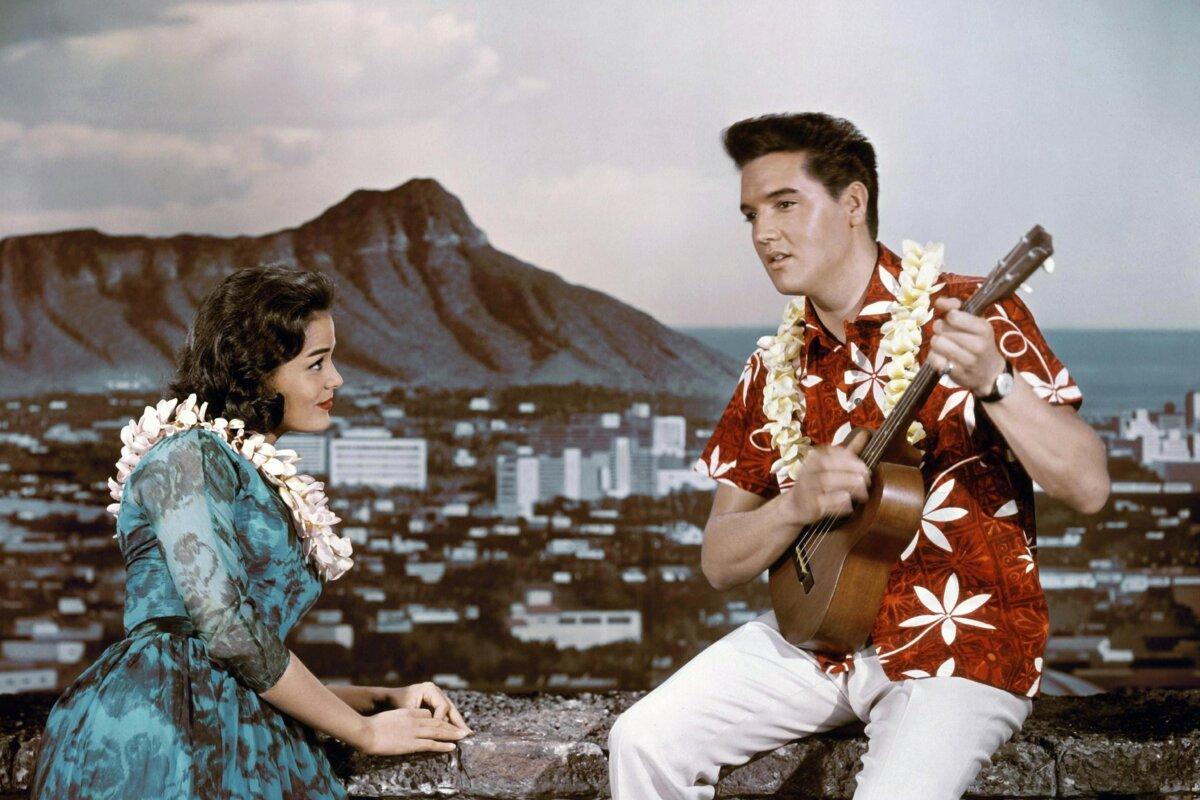
In “Set the Scene,” the authors provide ideas on how to create the proper atmosphere to match the movie and the meal, including décor tips, fun props, and even fashion advice. For “Sunset Boulevard,” break out the leopard print and have fun with a mud mask treatment during the movie’s second half, but bring on the Hawaiian print shirts and Mai Tai bar for “Blue Hawaii!”
“While You’re Watching” offers a short list of fun tidbits about the film you can share with guests while serving up the meal or during designated intermissions. (“Did you know that John Wayne was nicknamed ‘the Duke’ after his pet dog?”)
The first recipe for each film is a drink, sometimes directly mentioned in the movie and sometimes inspired by the theme. Many of these beverages are classic cocktails with rich histories and numerous variations.
Each recipe offers a bit of historic insight and tips on how to perfect its execution. There are conventional libations like the Stinger for “The Philadelphia Story” and the Manhattan for “Some Like It Hot” as well as obscure old beverages like the Clover Club Cocktail for “The Divorcee” and the Louisiana Flip for “Grand Hotel.”
Many entries suggest the serving of a second alcoholic offering, such as wine, beer, or a more conventional cocktail, as well as the featured drinks. Then, there’s a detailed recipe for a themed dish (or two).
Some of the movies are paired with one entrée, like Arroz con Pollo for “Guys and Dolls.” Others have recipes for a couple of appetizers, like Camembert in a Coffin and Parmigiana Rope Twists for “Rope.” A few have a main course and side dish, like Roasted Chicken with Cider Gastrique and Radish Salad with Buttermilk Dressing for “Chained.” These dishes range from gourmet recipes like Smoked Oyster Waldorf Salad in Avocado Shells to simple fare like Chicago-Style Deep Dish Pizza.
Take Three is Special Occasions and Resources. It’s only three pages at the back of the book, and it provides a few last ideas for party planning. There are also some tips on where to find more information for those interested in diving deeper into the history.
Sampling ‘Grand Hotel’
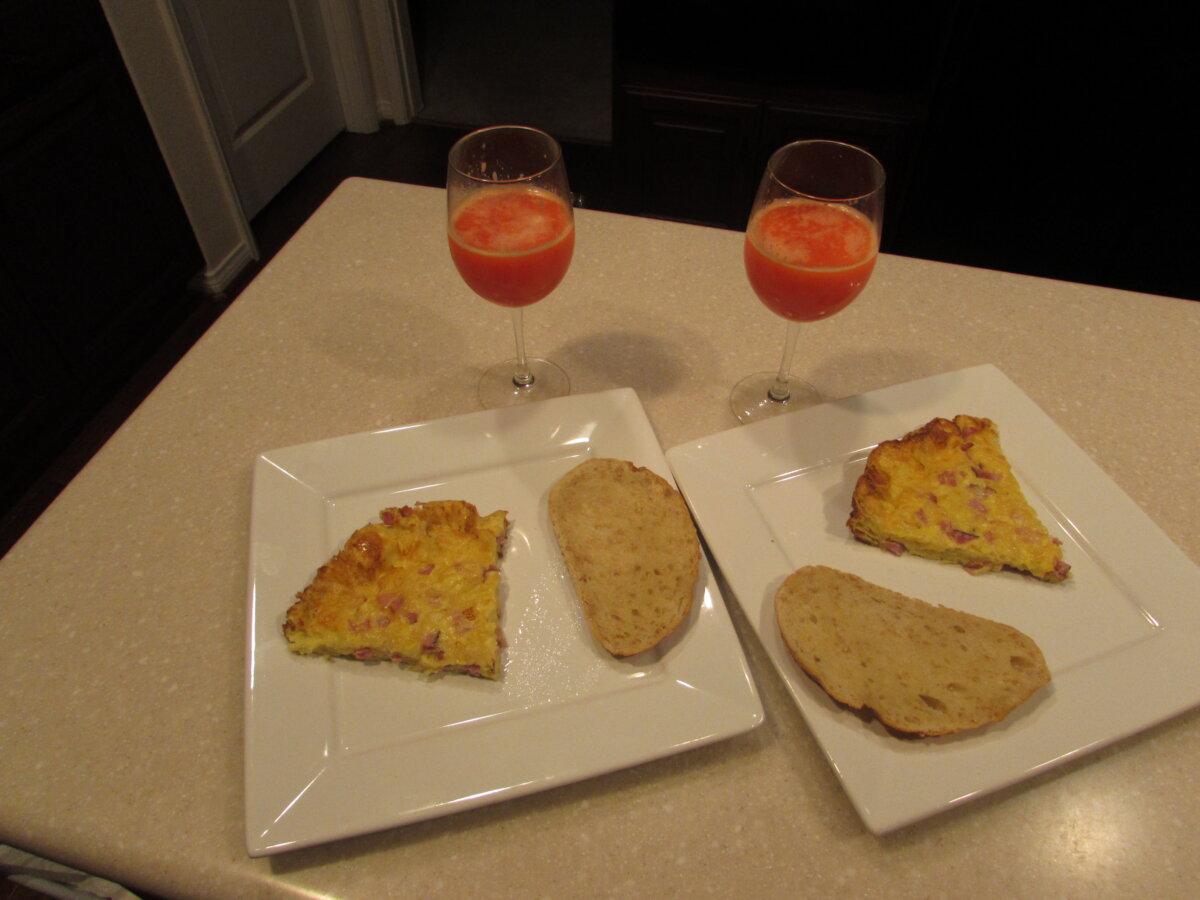
A menu titled “Dining and Dancing” offers an appropriate moniker for the glamorous Art Deco drama, “Grand Hotel” (1932). The dish is a German Pancake, which can be prepared savory with Ham and Gruyere or sweet with Berries and Cream, and the drink is a Louisiana Flip.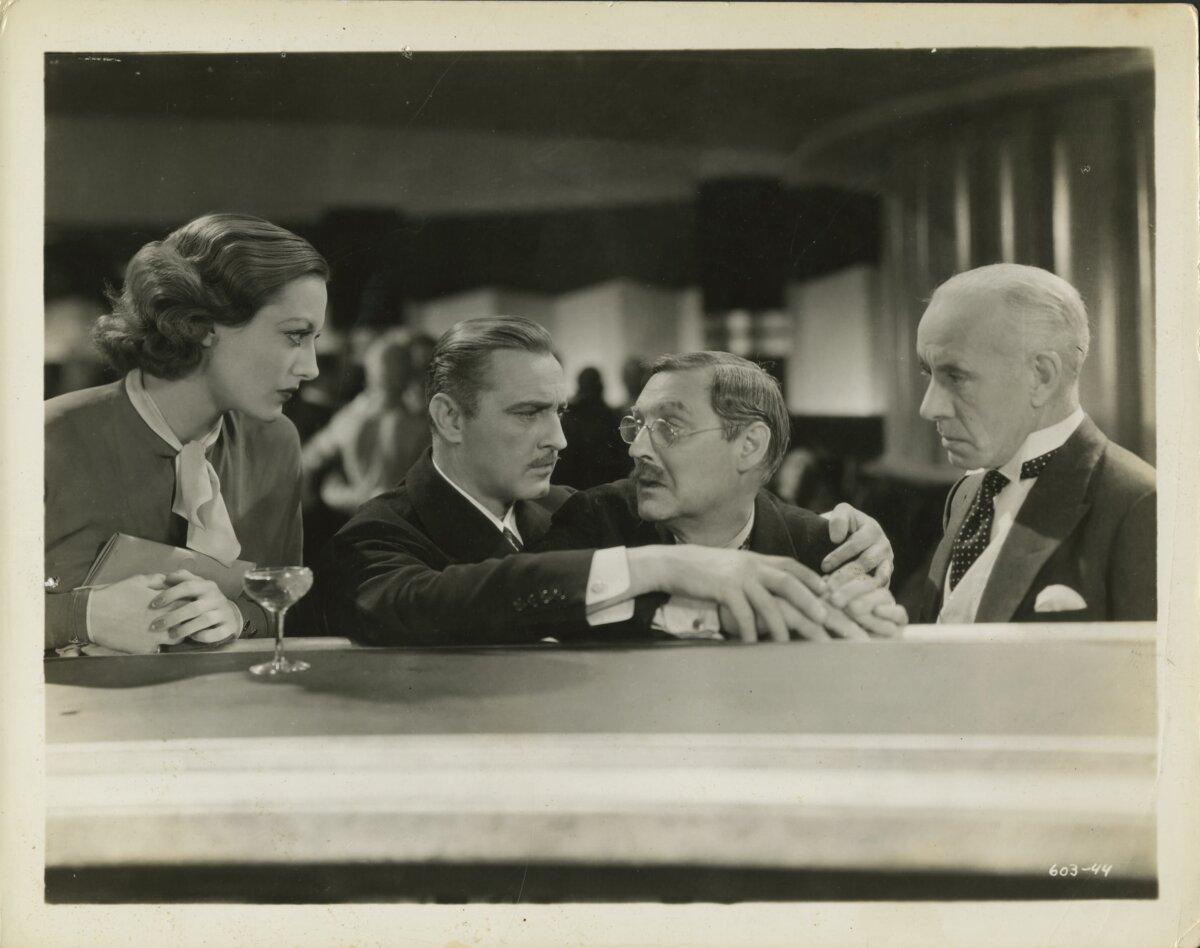
The preparation is simple because of the few ingredients and minimal preparation necessary.
Choosing a cocktail is much harder for partiers who don’t drink. Many of the book’s beverages featured multiple types of alcohol and little or nothing else, so the non-alcoholic version would be nothing but an empty martini glass with a lemon rind!
This menu’s heavily-spirited Louisiana Flip can be made in an improvised non-alcoholic version because it features several non-alcoholic ingredients, including orange juice, grenadine, a raw egg, and nutmeg for garnish.
More orange juice and seltzer water can replace the light rum and triple sec, and the grenadine and well-shaken egg give the strange concoction the same lovely pink hue as the pictures in the book.
Anyone who has seen “Grand Hotel” will recall that Lionel Barrymore’s character attempts to order a Louisiana Flip in the hotel bar several times during one dramatic scene. The book’s authors confessed that the exact recipe of this unusual cocktail has been lost to history, but this is an example of a flip (a cocktail made with whole egg).
Dinner and a Movie
Watching old movies makes one realize how society has forgotten the art of entertaining. People used to invite their friends over for a meal, a game of bridge, coffee, cocktails, or a dinner party simply for the fun of it.“Movie Night Menus” is a wonderful guide to get started on a joint cinema and culinary journey. These meals are delightful if just prepared for a spouse on a Sunday afternoon or for yourself on a weeknight.
Even if never used as a cookbook, it’s a delightful read for any cinephile. The book is full of beautiful pictures from the 30 movies described, along with a memorable quote from each film.
As Otto Kringelein (Lionel Barrymore) says in “Grand Hotel,” “To life! To the magnificent, dangerous, brief, brief, wonderful life … and the courage to live it!”